When an electrified vehicle reaches end-of-life or needs a battery swap, owners face a question that gas-car drivers rarely consider: where to recycle old car batteries safely and responsibly. For EV and PHEV owners, this question splits into two very different problems — the small 12V auxiliary battery (similar to what every car carries) and the massive high-voltage traction battery that actually propels the vehicle. Each demands a different disposal pathway, different safety precautions, and different economics.
This guide covers both, but we'll focus where the real complexity lies: the traction battery. We'll walk through battery chemistry, degradation realities, warranty coverage, replacement costs, and exactly where end-of-life packs go in 2026 — from certified recyclers to second-life energy storage programs.
Two Batteries, Two Disposal Paths
Every EV and PHEV on the road in 2026 carries two distinct batteries:
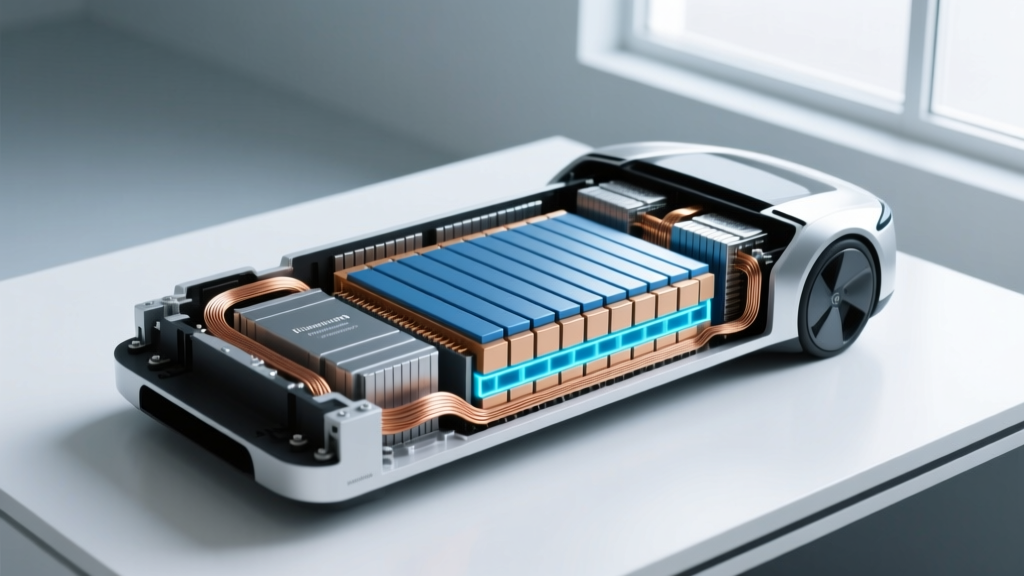
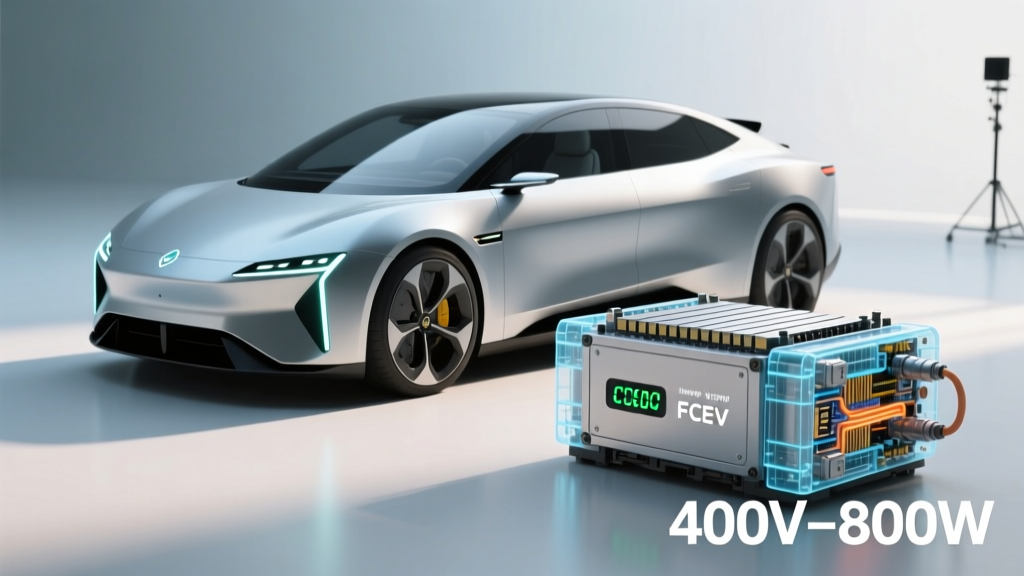
- High-voltage traction battery — typically 40–120 kWh, 400V–800V architecture, using lithium-ion cells (NMC, NCA, or LFP chemistry). This is the expensive, heavy pack that drives the wheels.
- 12V auxiliary battery — a small lead-acid or lithium-ion unit that powers lights, infotainment, door locks, and the computers that manage the main pack.
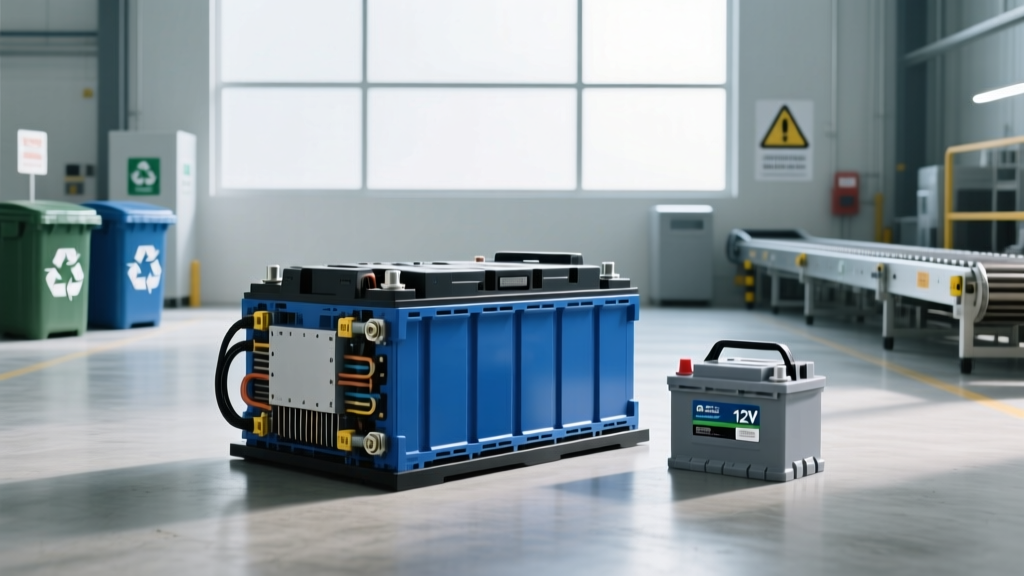
Confusing these two is the single most common mistake EV newcomers make. The 12V battery can be recycled at any auto parts store that accepts lead-acid batteries — AutoZone, Advance Auto Parts, O'Reilly, or Costco typically take them free. The traction battery requires specialized handling and cannot simply be dropped at an auto parts counter.
Where to Recycle Old Car Batteries: The Traction Pack
High-voltage EV traction batteries are classified as hazardous materials and contain valuable critical minerals — lithium, cobalt, nickel, manganese, and aluminum — that make recycling economically viable and environmentally essential. Here's where they go in practice:
1. Manufacturer Take-Back Programs
Every major automaker selling EVs in the US operates a battery return program, often mandated by state regulations (California, New York, and others have extended producer responsibility laws). When a dealership or authorized service center replaces a traction battery, the old pack is shipped back to the OEM or its contracted recycling partner. Tesla, GM, Ford, Hyundai, and Volkswagen all have established logistics chains for this.
2. Certified Lithium-Ion Recyclers
Specialized companies handle end-of-life packs at industrial scale. The major US-based recyclers operating in 2026 include:
- Redwood Materials (Nevada/South Carolina) — founded by Tesla co-founder JB Straubel, processes packs into cathode and anode materials for new batteries
- Li-Cycle (multiple North American hubs) — uses a hydrometallurgical "Spoke & Hub" process to recover up to 95% of critical minerals
- Ascend Elements (Georgia/Massachusetts) — employs a Hydro-to-Cathode process that converts recycled materials directly into new cathode precursors
- BlueOval SK / SK On partnerships — OEM-integrated recycling for Ford and Hyundai battery supply chains
3. Salvage Yards and Dismantlers
Licensed automotive recyclers who handle EVs (look for Automotive Recyclers Association members with EV certification) will pull traction batteries from wrecked or retired vehicles. They typically sell functional modules to second-life companies or ship degraded packs to recyclers. If you're a private owner with a salvaged EV, contact a licensed dismantler — do not attempt to remove or store a high-voltage pack yourself.
4. Second-Life Energy Storage
Packs that have degraded below automotive standards (typically below 70% State of Health) still hold enormous value for stationary storage. Companies like B2U Storage Solutions and Betteries repurpose retired EV batteries into grid-scale or residential energy storage systems. A pack with 70% SoH from a 2020 Chevrolet Bolt, for example, still stores roughly 46 kWh — enough to power a home through peak hours.
EV Battery Chemistry: LFP vs NMC vs NCA
The recycling pathway and second-life value of a traction battery depend heavily on its chemistry. The three dominant chemistries in 2026 US-market EVs carry different trade-offs for longevity, performance, and recyclability:
| Attribute | LFP (Lithium Iron Phosphate) | NMC (Nickel Manganese Cobalt) | NCA (Nickel Cobalt Aluminum) |
|---|---|---|---|
| Energy Density | Lower (~160 Wh/kg cell-level) | Higher (~250–280 Wh/kg) | Highest (~260–300 Wh/kg) |
| Cycle Life | 3,000–5,000+ cycles | 1,000–2,000 cycles | 1,000–1,500 cycles |
| Cold-Weather Performance | Weaker — more range loss below 32°F | Better low-temp output | Good low-temp output |
| Cost per kWh | Lower — no cobalt or nickel | Higher — commodity-sensitive | Higher — commodity-sensitive |
| Recommended Daily SoC | 100% (no degradation penalty) | 80% for daily; 100% for trips | 80% for daily; 100% for trips |
| Recyclability Value | Lower — iron/phosphate less valuable | High — cobalt/nickel recovery | High — cobalt/nickel recovery |
| Common in (2026) | Tesla Model 3/Y RWD, Ford Mustang Mach-E Select, Rivian Standard | Hyundai Ioniq 5/6, VW ID.4, BMW iX, most long-range trims | Tesla Model S/X, some Lucid Air configs |
Which is better? There's no single winner. LFP excels for daily-driving longevity and cost — if you can accept slightly lower range and more cold-weather loss. NMC/NCA delivers higher range in a smaller, lighter package but degrades faster if routinely charged to 100% or exposed to frequent DC fast charging at high states of charge. For recycling economics, NMC/NCA packs are more valuable due to cobalt and nickel content, though LFP recycling infrastructure is scaling rapidly as more LFP packs reach end-of-life.
How Long Do EV Batteries Actually Last?
The fear that EV batteries need frequent replacement is not supported by fleet data. Most traction batteries outlast the vehicles they're installed in. Here's what real-world degradation data shows:
| Vehicle / Fleet | Age / Mileage | Average Capacity Retained | Source |
|---|---|---|---|
| Tesla Model S/X (2013–2017) | 150,000–200,000 miles | ~85–88% | Tesla Impact Report 2023 |
| Chevrolet Bolt EV/EUV | 100,000 miles | ~90–93% | Recurrent Auto fleet data |
| Nissan Leaf (2013–2017, air-cooled) | 80,000–100,000 miles | ~75–82% | Owner surveys, Recurrent |
| Hyundai Kona Electric | 60,000–80,000 miles | ~91–94% | Recurrent Auto |
| BMW i3 (2014–2018) | 80,000–100,000 miles | ~80–85% | Owner forums, fleet data |
Key takeaways from the data:
- Most packs lose 8–15% capacity over 100,000–150,000 miles — meaning a 300-mile EPA range vehicle might deliver 255–275 miles after a decade of use.
- Early Nissan Leafs are the cautionary tale — air-cooled packs degraded faster, especially in hot climates. Modern liquid-cooled packs (virtually all EVs post-2018) perform far better.
- LFP packs show slower degradation curves — Tesla's Standard Range models using LFP chemistry have shown minimal degradation even at high mileage, consistent with LFP's 3,000+ cycle-life advantage.
- Full replacement is rare — according to Recurrent Auto's analysis of over 15,000 EVs, fewer than 1.5% of EVs required a battery replacement outside of warranty recalls.
Battery Warranty Coverage Explained
Federal law mandates that EV battery warranties cover a minimum of 8 years / 100,000 miles (10 years / 150,000 miles in CARB states including California, New York, Massachusetts, and others). Most manufacturers meet or exceed this floor:
| Manufacturer | Warranty Period | Capacity Retention Threshold | Notes |
|---|---|---|---|
| Tesla (Model 3/Y LFP) | 8 yr / 100,000 mi | 70% | Long Range/Performance: 8 yr / 120,000 mi |
| Hyundai / Kia | 10 yr / 100,000 mi | 70% | Among the longest coverage in the industry |
| GM (Chevrolet, Cadillac) | 8 yr / 100,000 mi | 70% | Ultium-based vehicles |
| Ford | 8 yr / 100,000 mi | 70% | Mustang Mach-E, F-150 Lightning |
| Volkswagen | 8 yr / 100,000 mi | 70% | ID.4 and upcoming ID.7 |
| BMW | 8 yr / 100,000 mi | 70% | i4, iX, i7 |
| Rivian | 8 yr / 175,000 mi | 70% | Higher mileage cap reflects adventure-use positioning |
What the warranty covers: If your battery's usable capacity drops below the stated threshold (typically 70% of original) within the warranty period, the manufacturer will repair or replace the pack at no cost. This covers cell-level degradation — not damage from accidents, flooding, or unauthorized modifications. Warranty claims require a State of Health (SoH) diagnostic, typically performed at a dealership or authorized service center.
EV Battery Replacement Cost: When and How Much
For the small percentage of owners who need a replacement outside warranty coverage, costs vary dramatically by vehicle, battery size, and chemistry:
| Vehicle | Battery Size | Chemistry | Estimated Replacement Cost |
|---|---|---|---|
| Nissan Leaf (40 kWh) | 40 kWh | NMC | $6,500–$9,000 |
| Chevrolet Bolt EV | 65 kWh | NMC | $9,000–$14,000 |
| Tesla Model 3 RWD | 60 kWh | LFP | $8,000–$12,000 |
| Tesla Model Y Long Range | 82 kWh | NMC | $12,000–$16,000 |
| Ford Mustang Mach-E Extended Range | 91 kWh | NMC | $15,000–$20,000 |
| Ford F-150 Lightning Extended Range | 131 kWh | NMC | $20,000–$28,000 |
| Hyundai Ioniq 5 Long Range | 77.4 kWh | NMC | $11,000–$16,000 |
| Lucid Air Grand Touring | 112 kWh | NMC | $22,000–$30,000+ |
When is replacement typically needed? In practice, very few owners face this bill. The vehicles most likely to need out-of-warranty replacements are early-generation EVs (2011–2017 Leafs, early Tesla Model S, first-gen BMW i3) that are now 8–15 years old. For a 2022 or newer EV with a liquid-cooled pack, the battery will likely retain 80%+ capacity at 150,000 miles — well past the point where most owners have sold or traded the vehicle.
Module-level repair is increasingly common and significantly cheaper than a full pack swap. A service center can identify and replace individual degraded modules for $1,500–$4,000 rather than replacing the entire pack.
How to Check and Maximize Battery Health
Monitoring your battery's State of Health (SoH) and adopting smart charging habits are the two most impactful things an EV owner can do to preserve long-term capacity.
Checking State of Health
- In-vehicle diagnostics: Most 2022+ EVs display battery health or estimated range vs. original in the settings menu. Tesla shows this indirectly through range estimates; Hyundai/Kia provides a more direct SoH readout in the EV settings.
- OBD-II apps: Tools like LeafSpy (Nissan Leaf), Scan My Tesla, or OBDeleven (VW/Audi) pull detailed cell-level data including SoH percentage, individual cell voltages, and temperature readings.
- Dealer diagnostic: A service center can run a full battery health report — typically free during warranty-period service visits.
- Third-party services: Companies like Recurrent Auto offer free battery health reports that compare your pack's degradation to fleet averages for your specific model.
Battery Care Checklist for Maximum Longevity
- Daily charging limit: Set to 80% for NMC/NCA packs. LFP packs can be charged to 100% daily without penalty — in fact, periodic 100% charges help LFP's battery management system recalibrate.
- DC fast charging: Use sparingly. Frequent 150+ kW DC sessions accelerate degradation, especially when charging above 80% SoC. Reserve fast charging for road trips; rely on Level 2 home charging for daily needs.
- Extreme heat avoidance: Don't leave the vehicle sitting at 100% SoC in hot weather (above 95°F). If you must charge to 100%, do so just before departure, not the night before a summer day.
- Extreme cold prep: Use preconditioning (available on virtually all modern EVs) to warm the battery before charging or driving in sub-freezing temperatures. A cold battery charges slower and experiences more stress.
- Storage: If leaving the vehicle unused for weeks, store at ~50% SoC in a cool, shaded location. Avoid storing at 100% or below 10%.
- Regenerative braking: Moderate regen settings are fine for battery health. Maximum regen in cold weather may be limited by the BMS to protect cells — this is normal and protective.
Factors That Accelerate Battery Degradation
Not all miles are equal when it comes to battery wear. These factors have the largest measurable impact on long-term capacity loss:
- High state-of-charge storage: Keeping an NMC/NCA pack at 90–100% SoC for extended periods (days to weeks) causes electrolyte oxidation at the cathode. This is the single biggest controllable factor.
- Frequent DC fast charging: High C-rates (charging at 2C or above) generate heat and lithium plating risk. Data from fueleconomy.gov and fleet studies show vehicles that DC fast-charge more than 3 times per week degrade ~2–3% faster over 100,000 miles compared to primarily Level 2 charging.
- Extreme temperatures: Sustained operation above 104°F (40°C) or below 14°F (-10°C) accelerates degradation. Liquid thermal management systems in modern EVs mitigate this significantly, but they can't eliminate it entirely.
- Deep discharge cycles: Regularly driving the pack below 10% SoC stresses cells. Most BMS systems maintain a hidden buffer (typically 2–5% at the bottom) to prevent true zero, but habitually running the battery very low still adds wear.
- Calendar aging: Even a parked EV battery degrades over time — roughly 1–2% per year from chemical processes alone. This is unavoidable but minor compared to cycle-based wear.
Emerging Battery Technology: What's Next
The battery landscape is shifting, but timelines matter. Here's what's realistic versus hype for the recycling and replacement picture:
Solid-state batteries — Toyota, Samsung SDI, and QuantumScape are developing solid-electrolyte cells that promise higher energy density (400+ Wh/kg at cell level), faster charging, and improved safety (no flammable liquid electrolyte). Toyota has announced limited production for 2027–2028, but these will debut in low-volume, premium applications. Widespread solid-state adoption across mainstream EVs is not expected before 2030. From a recycling standpoint, solid-state packs may be simpler to process since they eliminate liquid electrolyte handling, but commercial-scale recycling processes don't yet exist for them.
Silicon-dominant anodes — Companies like Sila Nanotechnologies and Group14 Technologies are replacing graphite anodes with silicon-composite materials, boosting energy density by 20–40%. These are already appearing in limited applications (Mercedes-Benz G-Class EV uses Sila cells) and will become more common through the late 2020s. Recycling impact is minimal — the valuable materials remain in the cathode.
Sodium-ion batteries — CATL and BYD are producing sodium-ion cells for lower-cost, shorter-range EVs, primarily in China. These eliminate lithium entirely, which changes the recycling economics fundamentally. US-market availability is uncertain but could arrive in budget EV segments by 2028–2029.
The Recycling Process: What Happens to Your Old Pack
When a traction battery arrives at a certified recycling facility, it typically undergoes three stages:
- Discharge and disassembly: The pack is fully discharged in a controlled environment, then mechanically separated into modules, wiring, cooling plates, and casing. Aluminum and copper are recovered at this stage through conventional metal recycling.
- Shredding and "black mass" production: Cells are shredded in an inert atmosphere to prevent thermal runaway. The resulting material — called "black mass" — contains lithium, cobalt, nickel, manganese, graphite, and aluminum foil in a mixed powder form.
- Hydrometallurgical or pyrometallurgical refining: Black mass is processed using either chemical leaching (hydrometallurgy, used by Li-Cycle and Ascend Elements) or high-temperature smelting (pyrometallurgy, used by Umicore). Hydrometallurgical processes recover 90–95% of critical minerals; pyrometallurgical processes recover 50–70% but are simpler to operate.
The recovered materials — particularly lithium carbonate, cobalt sulfate, and nickel sulfate — are sold back to cathode manufacturers, closing the supply loop. According to the US Department of Energy, recycled materials can match virgin-mined materials in purity and performance, reducing both mining demand and the geopolitical supply-chain risks associated with critical minerals.
Frequently Asked Questions
Can I throw an EV battery in the trash?
No. High-voltage traction batteries are classified as hazardous waste and contain materials that can cause fires, chemical burns, and environmental contamination. They must be handled by certified recyclers or returned through manufacturer programs. The 12V auxiliary battery (if lead-acid) is also prohibited from landfill disposal in most states but can be returned to any auto parts retailer.
How much is an old EV battery worth as scrap?
End-of-life traction batteries have residual value based on their remaining capacity and chemistry. NMC/NCA packs with cobalt and nickel content are more valuable — a degraded 75 kWh NMC pack might be worth $500–$2,000 to a recycler or second-life buyer. LFP packs have lower scrap value due to inexpensive iron and phosphate content. Don't expect a windfall; the economics favor industrial-scale processing.
Do I need to recycle the battery myself if I sell my EV?
No. If you sell or trade the vehicle, the battery goes with it. Recycling responsibility only arises if you personally possess a removed battery — for example, if you had a pack replaced and kept the old one (which is uncommon; most service centers retain the old pack as core exchange). If you do end up with a loose traction pack, contact a certified recycler or your vehicle's manufacturer for pickup arrangements.
Is EV battery recycling actually happening at scale in 2026?
Yes, but the industry is still ramping. Most EVs sold between 2011–2020 are only now reaching end-of-life, so the volume of packs entering the recycling stream is increasing rapidly. Redwood Materials, Li-Cycle, and Ascend Elements collectively process tens of thousands of packs per year, with capacity expanding. The DOE projects that by 2030, recycled materials could supply 20–30% of US battery demand for new EVs.
What about the environmental impact of battery disposal?
Proper recycling recovers 90%+ of critical minerals and prevents toxic materials from entering landfills or waterways. The bigger environmental concern is upstream — mining lithium, cobalt, and nickel carries significant ecological and human-rights impacts. Recycling reduces (but doesn't eliminate) the need for new mining. A 2024 study published in Nature Sustainability found that battery recycling reduces lifecycle greenhouse gas emissions by approximately 30–50% compared to using 100% virgin materials.