If you've landed here searching for a battery for 2014 Chevy Equinox, you're likely dealing with a failing 12-volt lead-acid battery or considering whether it's time to trade up to an electrified vehicle. The 2014 Equinox is a conventional gasoline crossover — it doesn't have a high-voltage traction battery like a modern EV. But that search query reflects a broader question millions of drivers are asking in 2026: how long do car batteries actually last, and what happens when they need replacing?
The answer looks radically different depending on whether you're talking about a $200 lead-acid 12V battery in a gas SUV or a 75+ kWh lithium-ion traction pack in a modern EV. This guide covers EV battery technology in depth — chemistry, degradation, warranties, replacement costs, and care — so you can make an informed decision whether you're maintaining a gas vehicle or stepping into the electric future.
The 2014 Chevy Equinox Battery vs. an EV Traction Battery
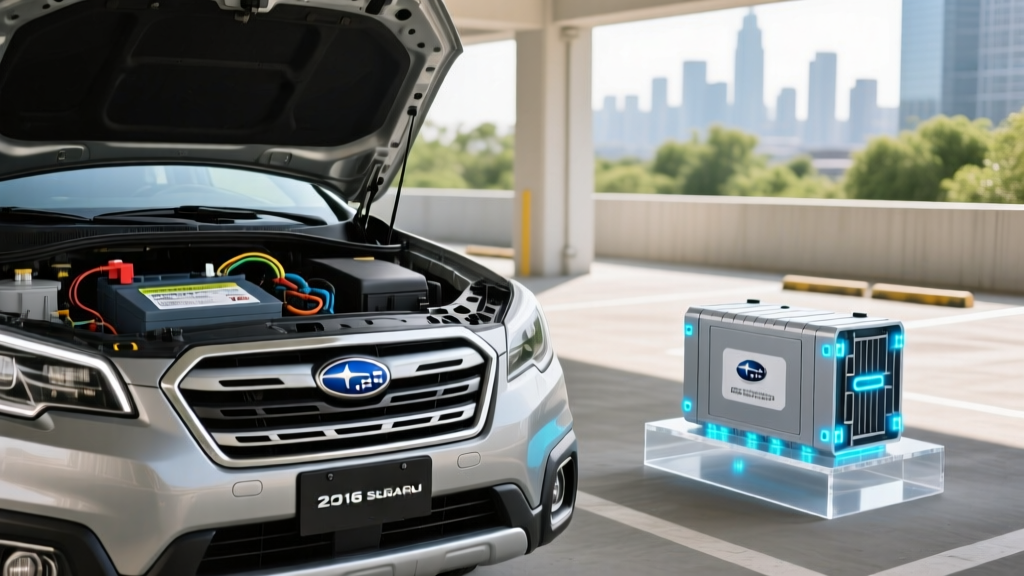
The 2014 Chevrolet Equinox uses a standard Group 48 (H6) 12-volt lead-acid battery rated around 70 Ah and 700 cold-cranking amps (CCA). Replacement cost runs $150–$280 at parts stores, and typical lifespan is 3–5 years depending on climate and driving habits. This battery powers the starter motor, lights, and accessories — it has nothing to do with propulsion.
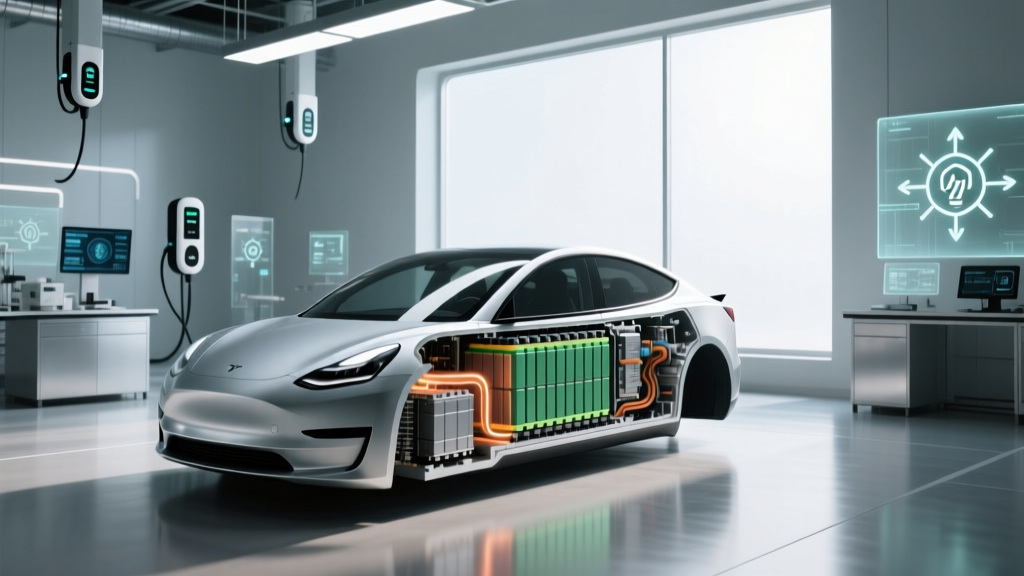
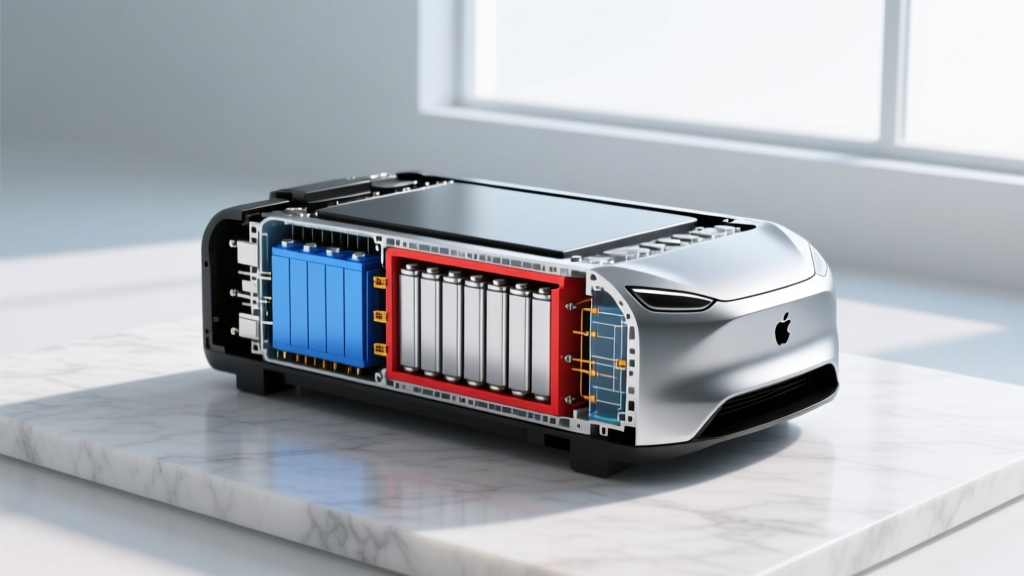
A modern EV's high-voltage traction battery is an entirely different animal. It's a lithium-ion pack ranging from roughly 50 kWh to 130 kWh that powers the electric motor(s) and represents the single most expensive component in the vehicle. Understanding these batteries — their chemistry, degradation behavior, warranty coverage, and eventual replacement cost — is essential for any EV buyer or owner.
Battery Chemistry Explained: LFP vs. NMC/NCA
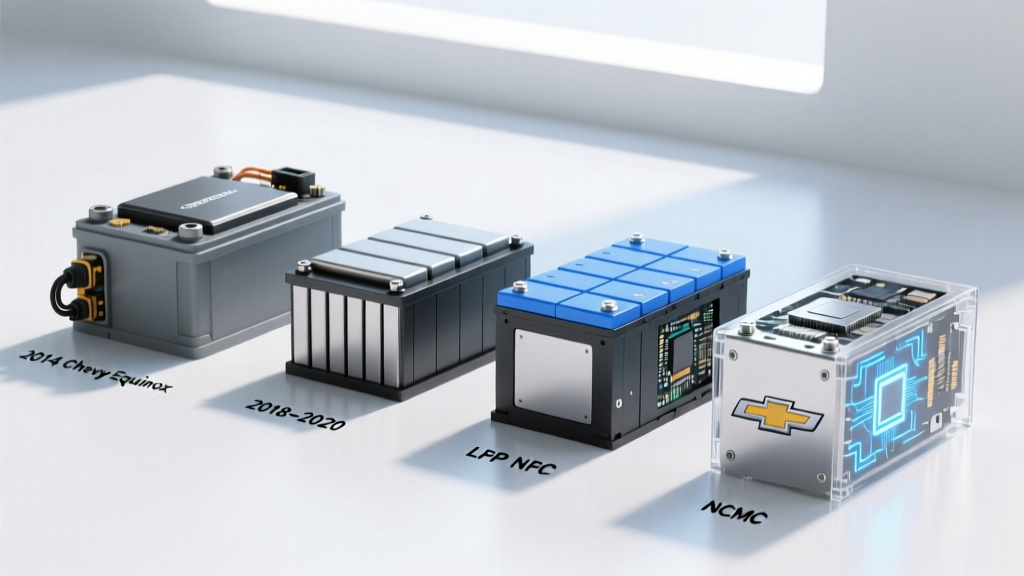
Not all lithium-ion batteries are the same. Two dominant chemistries power today's EVs, and the choice between them affects range, longevity, cold-weather performance, and cost.
| Attribute | LFP (Lithium Iron Phosphate) | NMC/NCA (Nickel Manganese Cobalt / Nickel Cobalt Aluminum) |
|---|---|---|
| Energy Density | ~160–180 Wh/kg (lower) | ~220–300 Wh/kg (higher) |
| Cycle Life | 3,000–5,000+ cycles | 1,000–2,000 cycles |
| Typical Calendar Life | 15–20+ years | 10–15 years |
| Cold-Weather Performance | Moderate — ~15–25% range loss at 20°F | Better — ~10–20% range loss at 20°F |
| Cost (per kWh) | ~$80–$100 | ~$110–$140 |
| Charging to 100% Daily | Yes — recommended for accuracy | No — 80% daily recommended |
| Thermal Stability | Excellent — very low thermal runaway risk | Good — requires more active management |
| Common In (2026 Models) | Tesla Model 3 RWD, Model Y RWD, Ford Mustang Mach-E Select, Rivian Standard | Hyundai Ioniq 5, Kia EV6, Chevy Silverado EV, BMW iX, most long-range trims |
The practical takeaway: LFP batteries are cheaper, last significantly longer, and tolerate daily 100% charges — making them ideal for daily commuters who charge at home. NMC/NCA packs offer more range per kilogram, which matters for long-range trims and larger vehicles where weight and space are at a premium. Neither chemistry is universally "better" — the right choice depends on your driving pattern.
How Long Do EV Batteries Actually Last?
The fear of a dead EV battery is the number one purchase objection, and it's largely overblown. Real-world data from millions of EVs on the road tells a reassuring story.
Typical EV Battery Degradation Curve (Fleet & Owner Data):
- Year 1: ~2–5% capacity loss (initial "break-in" drop)
- Year 2–4: ~0.5–1.5% loss per year (linear phase)
- Year 5–8: ~1–2% loss per year (gradual)
- Year 8–10: Most packs retain 85–92% of original capacity
- Year 10–15: Projected retention of 75–88% depending on chemistry and use
- 200,000+ miles: LFP packs routinely exceed this with 80%+ capacity; NMC packs average 82–90%
Data from Geotab's fleet study of over 10,000 EVs shows an average annual degradation rate of just 1.8% across all chemistries. At that rate, a 300-mile EPA-rated EV would still deliver roughly 255 miles of range after 10 years — more than enough for most drivers' daily needs.
Tesla's own impact report (2025 data) shows Model 3/Y packs losing approximately 12% capacity at 200,000 miles. LFP-equipped vehicles show even slower degradation, with some owners reporting 95%+ state of health (SoH) at 60,000 miles.
For context, that 2014 Chevy Equinox's gas engine is far more likely to need a $3,000+ transmission rebuild or $1,500 catalytic converter replacement by 150,000 miles than an EV battery is to need replacement at the same mileage.
EV Battery Warranties: What's Covered
Federal law mandates a minimum 8-year / 100,000-mile warranty on EV battery packs (10 years / 150,000 miles in California Air Resources Board states). Most manufacturers exceed this baseline.
| Manufacturer / Model | Warranty Period | Mileage Limit | Capacity Retention Threshold |
|---|---|---|---|
| Tesla Model 3 (LFP / RWD) | 8 years | 100,000 mi | 70% |
| Tesla Model Y (Long Range / NMC) | 8 years | 120,000 mi | 70% |
| Hyundai Ioniq 5 / Ioniq 6 | 10 years | 100,000 mi | 70% |
| Ford Mustang Mach-E | 8 years | 100,000 mi | 70% |
| Chevrolet Silverado EV / Blazer EV | 8 years | 100,000 mi | 60% (some trims 70%) |
| BMW iX / i4 | 8 years | 100,000 mi | 70% |
| Rivian R1T / R1S | 8 years | 175,000 mi | 70% |
What triggers a warranty claim: If your battery's usable capacity drops below the stated threshold (typically 70%) within the warranty period, the manufacturer must repair or replace it at no cost. In practice, very few packs fall below 70% within 8 years — the vast majority of warranty claims involve manufacturing defects (bad cells, BMS faults, coolant leaks) rather than normal degradation.
What's NOT covered: Damage from accidents, flooding, unauthorized modifications, or using non-approved charging equipment. Some warranties also exclude capacity loss from consistently charging to 100% on NMC packs, though this is difficult to enforce.
EV Battery Replacement Cost: When and How Much
Out-of-warranty battery replacement is the scenario that generates the most anxiety. Here's the reality with actual figures.
| Vehicle / Pack Size | Battery Size (kWh) | Replacement Cost (Parts + Labor) | Typical Replacement Timeline |
|---|---|---|---|
| Tesla Model 3 RWD (LFP) | ~60 kWh | $8,000 – $12,000 | 15–20+ years (if ever) |
| Hyundai Ioniq 5 (NMC) | ~77.4 kWh | $12,000 – $16,000 | 12–18 years |
| Ford F-150 Lightning Ext. Range | ~131 kWh | $18,000 – $28,000 | 12–15 years |
| Chevrolet Bolt EV (older gen) | ~65 kWh | $9,000 – $14,000 | 12–15 years |
| BMW iX xDrive50 | ~111.5 kWh | $20,000 – $30,000 | 10–15 years |
Key context most articles miss:
- Module-level repair is increasingly common. Many shops can replace individual battery modules (groups of cells) rather than the entire pack, cutting costs to $2,000–$6,000 for a partial repair.
- Prices are falling. Pack-level pricing has dropped from ~$200/kWh in 2020 to roughly $110–$130/kWh in 2026, and the trend continues as LFP adoption grows and recycling scales up.
- Most EVs are scrapped for collision damage, not dead batteries. The average EV battery will outlast the rest of the vehicle — suspension, interior, electronics, and body typically reach end-of-life before the pack does.
- The 2014 Equinox comparison: Over a 15-year ownership span, that gas SUV will likely spend $4,000–$7,000 on engine and transmission repairs, timing chain replacements, and emissions system work — costs that simply don't exist on an EV.
Factors That Accelerate (or Preserve) Battery Life
Battery longevity isn't purely a function of time — how you use and charge the pack matters significantly. Here's what the data shows.
Maximize Battery Health
- Keep SoC between 20–80% for daily use (NMC/NCA packs). LFP packs should be charged to 100% at least weekly for BMS calibration.
- Limit DC fast charging to road trips. Frequent 150+ kW fast charging accelerates degradation by roughly 0.3–0.5% per year compared to Level 2 home charging, per Geotab fleet data.
- Precondition the battery before fast charging in cold weather. Most EVs do this automatically when you navigate to a charger.
- Avoid prolonged storage at 100% or 0% SoC. If storing for 2+ weeks, leave the pack at ~50%.
- Park in shade or a garage during summer heat. Sustained pack temperatures above 104°F (40°C) accelerate calendar aging.
- Use scheduled charging to finish charging right before you drive, rather than sitting at high SoC overnight.
- Keep tires properly inflated and use eco-driving modes — lower energy demand means less heat generation in the pack.
Practices That Accelerate Degradation
- Exclusive DC fast charging (daily Supercharging without home L2)
- Regularly draining to 0% or below 5%
- Leaving NMC packs at 100% SoC for days at a time
- Aggressive track use or sustained high-speed driving in extreme heat
- Aftermarket modifications that bypass the BMS thermal limits
How to Check Your EV Battery's State of Health
State of Health (SoH) is the percentage of original capacity your battery still holds. A new pack is 100% SoH; a pack with 12% degradation is at 88% SoH. Here's how to monitor it.
Built-in vehicle tools:
- Tesla: The Service menu (hold the model name on the About screen for 3 seconds, enter "service") shows battery health percentage. The mobile app also displays it under "Battery Health."
- Hyundai/Kia: The infotainment system's EV menu includes a battery health indicator. The Carista or ABRP OBD2 apps can pull more granular SoH data.
- Ford: The FordPass app shows battery health. Dealerships can run a full diagnostic report.
- GM (Ultium vehicles): The myChevrolet/myCadillac app provides battery condition status.
Third-party methods:
- OBD2 diagnostic tools like the OBDeleven, Carista, or dedicated EV scan tools can read the BMS-reported SoH directly.
- Manual calculation: Charge to 100%, note the displayed range, and compare it to the original EPA rating (adjusted for your driving style). A consistent 10% range drop from new suggests ~10% degradation.
- Telematics services: Recurrent Auto (now part of a larger platform) offers free battery health reports that benchmark your pack against a fleet of identical vehicles.
For buyers considering a used EV, always request a battery health report from the seller or have a dealership run a diagnostic before purchase. SoH above 90% on a 3–5-year-old vehicle is excellent; below 80% on a vehicle still under warranty may qualify for a free replacement.
What's Next: Solid-State and Silicon-Anode Batteries
Next-generation battery technologies promise step-change improvements, but realistic timelines matter more than hype.
Solid-state batteries replace the liquid electrolyte with a solid ceramic, polymer, or sulfide material. Benefits include 40–50% higher energy density, faster charging (potentially 10–80% in under 10 minutes), and improved safety. Toyota, Samsung SDI, and QuantumScape are leading development.
- Toyota has announced solid-state batteries for a limited-production EV in 2027–2028, with mass production targeted for 2030.
- QuantumScape has delivered prototype cells to automotive partners but has not announced a production vehicle.
- Realistic mass-market availability: 2030–2032 at the earliest, likely debuting in premium vehicles above $70,000.
Silicon-anode batteries (used in cells from companies like Sila Nanotechnologies and Group14) replace graphite anodes with silicon-dominant materials, boosting energy density by 20–40%. These are closer to market:
- Mercedes-Benz's G-Class 580e (announced for 2025–2026) uses silicon-anode cells from Group14.
- Porsche and other premium brands are evaluating silicon-anode packs for next-generation models.
- Realistic mass-market timeline: 2027–2029 for broader adoption.
Bottom line: If you're buying an EV in 2026, current LFP and NMC technology is mature, well-proven, and backed by extensive warranties. Waiting for solid-state means waiting at least 4–6 years for limited availability at premium prices.
Making the Jump: From a 2014 Equinox to a Modern EV
If you're still driving a 2014 Chevy Equinox and weighing whether to replace another $200 12V battery or invest in an EV, here's the financial framing.
The average 2014 Equinox gets roughly 22 MPG combined per EPA data. At $3.30/gallon and 12,000 miles/year, that's $1,800/year in fuel. A comparable 2026 EV like the Chevrolet Equinox EV (285–319 miles EPA range, starting at ~$33,000) costs roughly $540/year to charge at the national average electricity rate of $0.16/kWh — saving about $1,260 annually.
Factor in EV maintenance savings (no oil changes, no transmission fluid, far fewer brake replacements thanks to regenerative braking), and the total annual operating cost gap widens to $1,500–$2,000 per year. Over a typical 8-year ownership period, that's $12,000–$16,000 in savings — enough to offset the EV's higher purchase price in most cases.
The IRS §30D federal tax credit of up to $7,500 (available as a point-of-sale transfer in 2026) further narrows the gap, though eligibility depends on MSRP caps ($55,000 for cars, $80,000 for SUVs/trucks), buyer income limits ($150K single / $300K joint), and battery mineral sourcing requirements. Always verify current-year rules on IRS.gov or consult a tax professional.
Frequently Asked Questions
Does a 2014 Chevy Equinox have an EV battery?
No. The 2014 Chevy Equinox is a conventional gasoline vehicle with a standard 12-volt lead-acid battery (Group 48/H6, ~700 CCA). It does not have a high-voltage traction battery. If you're searching for a replacement, any auto parts store carries compatible 12V batteries for $150–$280.
How long do EV batteries last in years and miles?
Most modern EV batteries (both LFP and NMC) are designed to last 15–20+ years and 200,000+ miles before dropping below 70% capacity. Fleet data from Geotab shows an average degradation rate of just 1.8% per year. LFP packs in particular routinely exceed 300,000 miles in commercial use.
How much does an EV battery cost to replace out of warranty?
Out-of-warranty replacement costs range from roughly $8,000 for a 60 kWh pack (Tesla Model 3 RWD) to $28,000+ for a 131 kWh pack (Ford F-150 Lightning Extended Range). Module-level repairs can reduce costs to $2,000–$6,000. Prices continue to fall as pack-level costs decline. However, most EV batteries will outlast the vehicle itself.
What does the EV battery warranty actually cover?
Federal law requires a minimum 8-year/100,000-mile warranty (10/150,000 in CARB states). Coverage applies if the battery drops below a stated capacity threshold (typically 70%) or has a manufacturing defect. It does not cover accident damage, flooding, or unauthorized modifications. Check your specific manufacturer's warranty terms for exact thresholds.
How do I check my EV battery health?
Most EVs include a battery health indicator in the infotainment system or companion app (Tesla, Ford, Hyundai, GM all offer this). You can also use an OBD2 diagnostic tool to read BMS-reported State of Health (SoH), or compare your 100% charge range to the original EPA rating. For used EV purchases, always request a dealer diagnostic report.
LFP vs. NMC — which battery chemistry should I choose?
Choose LFP if you charge at home daily, want maximum longevity (3,000–5,000+ cycles), don't mind slightly less range, and want to charge to 100% without worry. Choose NMC/NCA if you need maximum range per charge, frequently drive in very cold climates, or prioritize performance. Both chemistries are proven and well-warranted in 2026.
Is it worth waiting for solid-state batteries?
Not for most buyers. Solid-state batteries are expected to reach limited production in 2027–2028 (Toyota) with mass-market availability not until 2030–2032 at the earliest, likely at premium prices above $70,000. Current LFP and NMC technology is mature, affordable, and backed by 8–10 year warranties.