The Real Lifespan of an EV Traction Battery
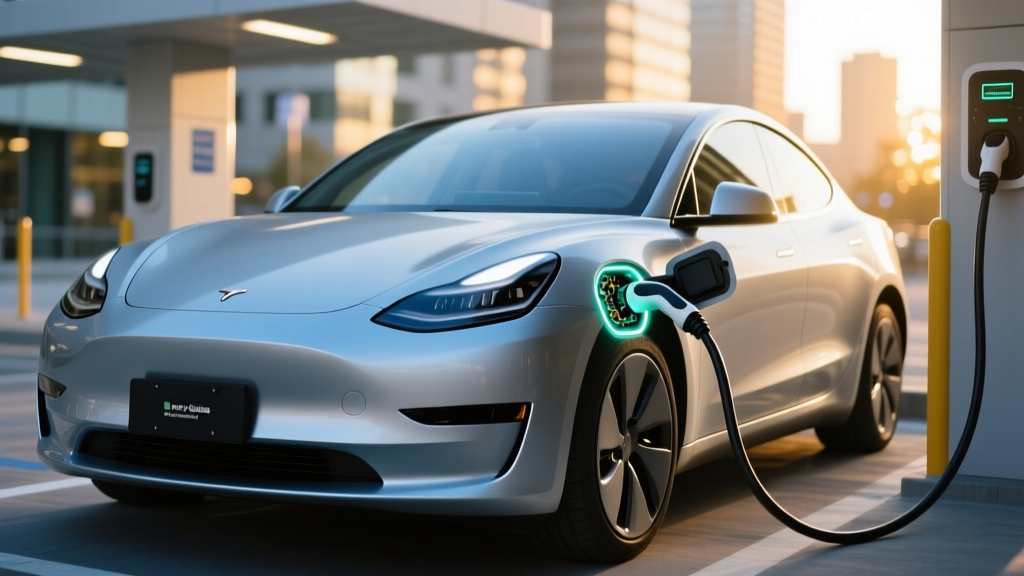
The single biggest question prospective EV buyers ask isn't about range or charging speed — it's about the battery. Specifically: how long will it last, what happens when it degrades, and what does a replacement actually cost? These are fair concerns, and the answers are more encouraging than the fear-based headlines suggest.
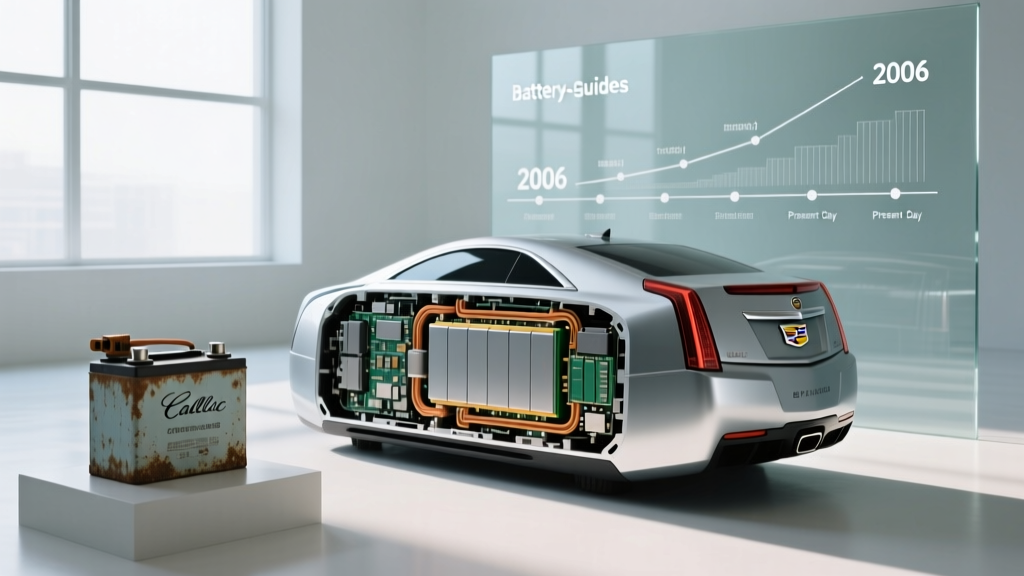
Modern lithium-ion traction batteries in battery electric vehicles (BEVs) are engineered to outlast the vehicles they power. Data from fleet operators, manufacturer warranty claims, and independent testing labs consistently show that most EV batteries retain 85–95% of their original capacity after 100,000 miles. Full replacement before 200,000 miles remains the exception, not the rule.
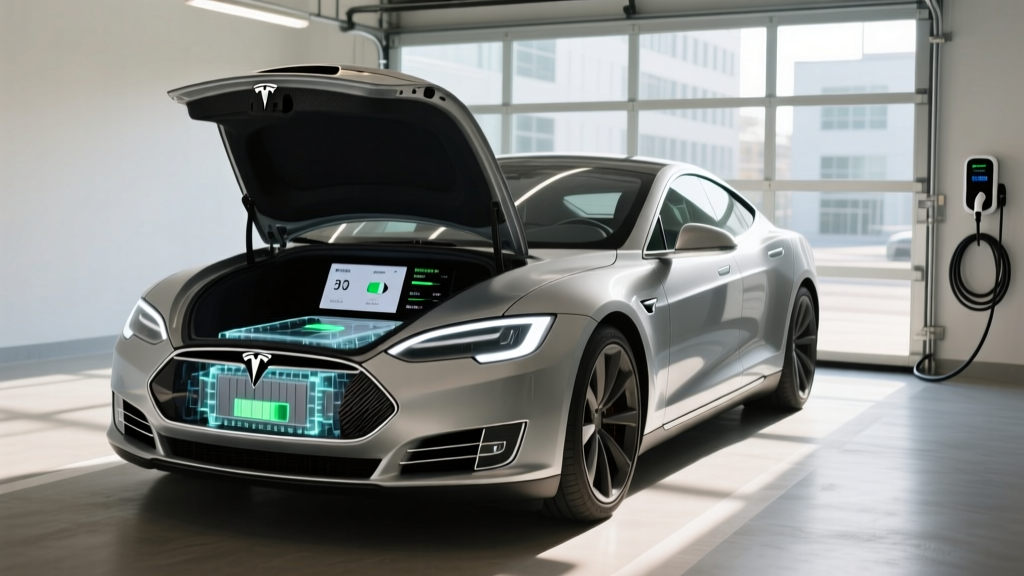
That said, not all batteries are created equal. Chemistry, thermal management, charging habits, and climate all influence how quickly a pack loses usable capacity. This guide breaks down the data, the costs, and the practical steps you can take to maximize the life of your EV's most expensive component.
LFP vs NMC/NCA: Which Battery Chemistry Is Right for You?
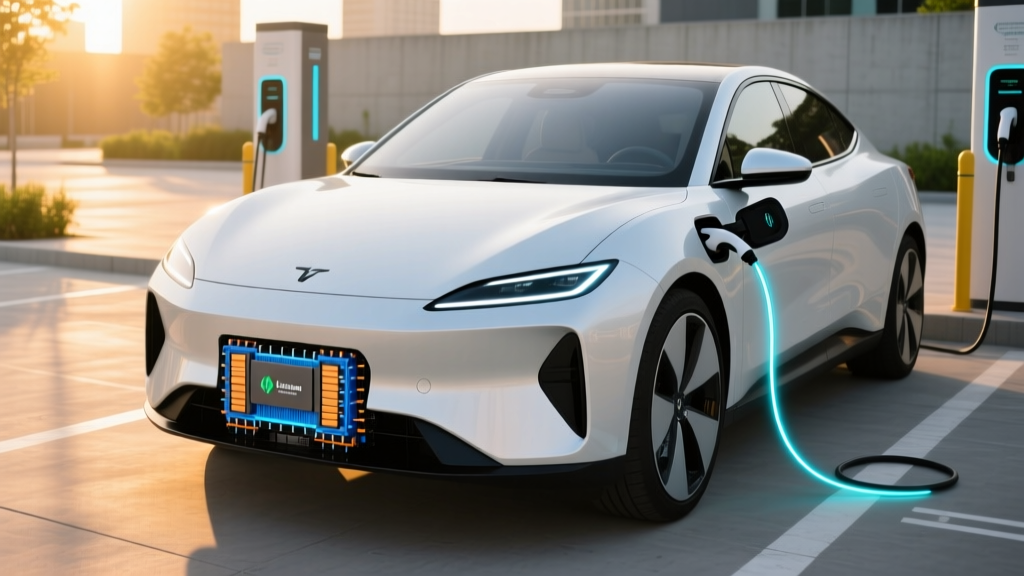
Two dominant lithium-ion chemistries power today's EVs: Lithium Iron Phosphate (LFP) and Nickel Manganese Cobalt (NMC) or Nickel Cobalt Aluminum (NCA). Each has distinct trade-offs that affect range, longevity, cost, and cold-weather behavior.
| Attribute | LFP (Lithium Iron Phosphate) | NMC / NCA (Nickel-based) |
|---|---|---|
| Energy Density | Lower (~160–180 Wh/kg cell-level) | Higher (~220–300 Wh/kg cell-level) |
| Cycle Life | 3,000–5,000+ cycles to 80% SoH | 1,000–2,000 cycles to 80% SoH |
| Cost per kWh | Lower (~$80–100/kWh at cell level) | Higher (~$110–140/kWh at cell level) |
| Cold-Weather Performance | Weaker — more range loss below 32°F | Better — less capacity drop in cold |
| Charging to 100% Daily | Recommended by most OEMs | Generally advised to stay 20–80% daily |
| Thermal Stability / Safety | Superior — higher thermal runaway threshold | Good — requires more active thermal mgmt |
| Common In (2025–2026 Models) | Tesla Model 3/Y RWD, Ford Mustang Mach-E Select (LFP trims), BYD vehicles, Rivian Standard | Hyundai Ioniq 5/6, Tesla Long Range/Performance, BMW i4/iX, most luxury EVs |
Which is better? It depends on your use case. If you commute daily, charge at home, and live in a moderate climate, LFP offers exceptional longevity and lower cost — you can charge to 100% daily without accelerated degradation. If you need maximum range per charge, drive in cold winters, or want the fastest DC charging speeds, NMC/NCA packs deliver higher energy density and better cold-weather resilience, at the cost of a somewhat shorter cycle life and stricter state-of-charge management.
EV Battery Degradation: What the Data Actually Shows
Battery degradation is the gradual, irreversible loss of usable capacity over time and charge cycles. It is not linear — most packs experience a steeper drop in the first 1–2 years (roughly 2–5%), then settle into a slow, nearly linear decline for the remainder of their life.
Typical Degradation Curve (Aggregated Fleet Data)
- Year 1 / ~15,000 mi: 95–98% State of Health (SoH) retained — initial "break-in" loss
- Year 3 / ~45,000 mi: 92–96% SoH retained
- Year 5 / ~75,000 mi: 89–94% SoH retained
- Year 8 / ~120,000 mi: 85–92% SoH retained
- Year 10+ / ~150,000+ mi: 80–90% SoH retained (varies widely by chemistry and care)
Sources: Geotab fleet battery health study, Recurrent Auto battery data reports, OEM warranty claim data. Individual results vary by climate, charging behavior, and chemistry.
A critical nuance: a battery at 80% SoH hasn't "failed." It simply holds 80% of its original energy. For a vehicle with an EPA-estimated 300-mile range when new, 80% SoH means roughly 240 miles of range — still perfectly usable for most daily driving. Most owners never experience a battery "death"; they trade or sell the vehicle while the pack still functions adequately.
According to data aggregated by Recurrent Auto, which tracks over 15,000 EVs in real-world conditions, the median battery replacement rate across all EVs studied is under 2% — meaning the overwhelming majority of original batteries are still in service years into ownership.
Battery Warranty Terms: What Manufacturers Guarantee
Federal law in the United States mandates that EV batteries carry a minimum warranty of 8 years / 100,000 miles (whichever comes first). In California Air Resources Board (CARB) states, that minimum extends to 10 years / 150,000 miles. Most manufacturers meet or exceed these thresholds.
| Manufacturer | Warranty Term | Capacity Retention Threshold | Notes |
|---|---|---|---|
| Tesla (Model 3/Y RWD — LFP) | 8 yr / 100,000 mi | 70% of original capacity | Long Range/Performance: 8 yr / 120,000 mi |
| Hyundai / Kia (Ioniq 5, EV6, EV9) | 10 yr / 100,000 mi | 70% of original capacity | Among the longest terms in the industry |
| Ford (Mustang Mach-E, F-150 Lightning) | 8 yr / 100,000 mi | 70% of original capacity | LFP trims on select models |
| BMW (i4, iX, i7) | 8 yr / 100,000 mi | 70% of original capacity | Module-level replacement available |
| Rivian (R1T, R1S) | 8 yr / 175,000 mi | 70% of original capacity | Higher mileage threshold than most competitors |
| General Motors (Ultium-based: Equinox EV, Blazer EV, Silverado EV) | 8 yr / 100,000 mi | 70% of original capacity | Ultium platform supports module-level service |
What the warranty actually covers: If your battery's State of Health drops below the stated threshold (typically 70%) within the warranty period, the manufacturer will repair or replace the battery — or individual modules — at no cost to you. Importantly, most warranties cover capacity loss beyond the threshold, not minor degradation. A battery at 72% SoH in year 7 is functioning within warranty specifications, even though you've lost over a quarter of your original range.
The warranty does not cover damage from accidents, flooding, improper modifications, or use of non-approved charging equipment. Always review the specific warranty booklet for your vehicle.
EV Battery Replacement Cost: What to Budget For
Out-of-warranty battery replacement is the scenario that generates the most anxiety. Here are the actual numbers, based on current (2025–2026) replacement pricing from manufacturers and independent EV service centers.
| Vehicle | Battery Size (kWh) | Estimated Replacement Cost | Notes |
|---|---|---|---|
| Tesla Model 3 (Standard / LFP) | ~60 kWh | $12,000–$16,000 | Remanufactured packs available at lower cost |
| Hyundai Ioniq 5 (Long Range) | 77.4 kWh | $14,000–$20,000 | Module-level repair may reduce cost |
| Ford F-150 Lightning (Extended Range) | ~131 kWh | $22,000–$32,000 | Largest consumer packs cost the most |
| Chevrolet Bolt EV / EUV | 65 kWh | $14,000–$16,000 | Post-recall packs; pricing stabilized |
| BMW iX xDrive50 | ~105 kWh usable | $20,000–$28,000 | BMW supports module-level replacement |
| Rivian R1T (Large Pack) | ~128 kWh | $20,000–$28,000 | Rivian offers module-level service |
Context that matters: These costs are significant, but they apply to a small minority of owners. The vast majority of EV batteries never need replacement during the typical ownership period. Data from Consumer Reports and fleet studies suggest fewer than 2–3% of EVs require a battery swap within the first 10 years. When replacement does occur, it's often covered under warranty.
Also worth noting: battery prices per kWh have dropped roughly 80–90% since 2010 (from over $1,000/kWh to roughly $100–140/kWh at the pack level, per BloombergNEF data). Replacement costs will continue to decline as the supply of remanufactured and recycled packs grows.
Factors That Accelerate (or Slow) Battery Degradation
Your battery's lifespan isn't fixed — it's influenced by how you charge, drive, and store the vehicle. Understanding these factors lets you make informed trade-offs between convenience and longevity.
Fast-Charging Frequency
DC fast charging (Level 3, typically 50–350 kW) generates significant heat inside the battery cells. Occasional fast charging — on road trips, for example — has negligible impact. But daily reliance on DC fast charging, especially at rates above 150 kW, accelerates degradation. Studies from the Idaho National Laboratory showed that vehicles charged exclusively with DC fast charging experienced measurably higher degradation than those charged primarily on Level 2, though the difference was smaller than many expected thanks to modern thermal management systems.
Extreme Temperatures
Heat is the primary enemy of lithium-ion longevity. Sustained exposure to ambient temperatures above 95°F (35°C), especially at high states of charge, accelerates chemical degradation. Cold weather doesn't permanently damage the battery, but charging in sub-freezing temperatures without preconditioning can cause lithium plating — a form of irreversible damage. Most modern EVs have active thermal management (liquid cooling/heating) to mitigate both extremes, but parking in shade or a garage in hot climates still helps.
State of Charge Habits
For NMC/NCA batteries, the "20–80% rule" remains sound advice for daily use. Storing a battery at 100% SoC for extended periods (days or weeks) stresses the cells. LFP batteries are more tolerant of 100% SoC — most OEMs (including Tesla) recommend periodic full charges for LFP packs to maintain accurate state-of-charge calibration.
Battery Care Best Practices
- ✅ Set a daily charge limit of 80% for NMC/NCA batteries; 100% is fine for LFP
- ✅ Use Level 2 home charging (7–11 kW) as your primary charging method
- ✅ Precondition the battery before DC fast charging (most EVs do this automatically when you navigate to a charger)
- ✅ Avoid leaving the car at 100% SoC for more than a few hours — schedule charging to finish just before departure
- ✅ Park in shade or a garage during hot summer months when possible
- ✅ Drive it regularly — batteries prefer use to long-term storage at any SoC
- ⚠️ Minimize DC fast charging to road trips and occasions when Level 2 isn't available
- ⚠️ Avoid charging in extreme cold without battery preconditioning active
Monitoring Your Battery's State of Health (SoH)
State of Health (SoH) is a percentage that represents your battery's current maximum capacity relative to its original capacity when new. A new battery is at 100% SoH; one that has degraded to hold only 85% of its original energy is at 85% SoH.
How to Check SoH
In-vehicle displays: Some manufacturers (notably Tesla, Hyundai/Kia, and BMW) provide a battery health indicator in the vehicle's settings menu or companion app. This is typically a percentage or a bar graph.
OBD-II diagnostic tools: Third-party apps and devices — such as OBD2 scanners paired with apps like Car Scanner, LeafSpy (Nissan), or ABRP's OBD integration — can read the battery management system (BMS) directly and report SoH with reasonable accuracy. These tools typically cost $30–$80 for the hardware.
Dealer diagnostics: Any authorized service center can pull a detailed battery health report during routine service. If you're approaching a warranty threshold (e.g., year 7 of an 8-year warranty) and suspect significant degradation, requesting this report is advisable.
Third-party services: Companies like Recurrent Auto offer free battery health reports that compare your vehicle's range and efficiency data against a fleet of identical models. These are useful for tracking trends over time, though they're estimates rather than direct BMS readings.
What to Do If SoH Drops Rapidly
A sudden, noticeable drop in range (more than 5–10% over a few weeks, not attributable to cold weather) warrants a dealer visit. Possible causes include a failing cell module, a BMS calibration error, or a thermal management system fault. Under warranty, these are covered; out of warranty, module-level replacement (available on platforms like GM Ultium, BMW, and Rivian) is significantly cheaper than a full pack swap.
Emerging Battery Technologies: What's Next (and When)
Several next-generation battery technologies are in active development. None are commercially available in consumer EVs as of early 2026, but they're worth understanding for buyers planning their next vehicle purchase.
Solid-State Batteries
Solid-state batteries replace the liquid electrolyte in current lithium-ion cells with a solid material (ceramic, sulfide, or polymer). The promised benefits include higher energy density (potentially 400+ Wh/kg at the cell level), faster charging, improved safety (no flammable electrolyte), and longer cycle life. Toyota, Samsung SDI, and QuantumScape are among the companies with active development programs.
Realistic timeline: Limited production in select models is expected in 2027–2029 (Toyota has announced a 2027–2028 target). Broad commercial availability across mainstream EVs is unlikely before 2030+. Expect initial solid-state EVs to carry a significant price premium.
Silicon Anode Batteries
Replacing the graphite anode with silicon (or a silicon-carbon composite) can increase energy density by 20–40%. Companies like Sila Nanotechnologies and Group14 Technologies are supplying silicon anode materials to battery manufacturers. Some premium EVs may adopt partial silicon anodes in the 2026–2028 timeframe, offering modest range improvements without the manufacturing challenges of full solid-state cells.
Sodium-Ion Batteries
Sodium-ion chemistry uses abundant, cheap materials (sodium instead of lithium) and is targeted at budget EVs and stationary storage. CATL and BYD have begun limited production. Range and energy density are lower than lithium-ion, making sodium-ion best suited for short-range city cars. U.S. availability in consumer vehicles remains uncertain and is not expected before 2028 at the earliest.
Bottom line on future tech: These technologies are promising, but none should delay a current EV purchase. Today's lithium-ion batteries — both LFP and NMC — are mature, reliable, and backed by extensive warranty coverage. Waiting for solid-state is likely a multi-year proposition with no guaranteed pricing advantage.
Frequently Asked Questions
How long do EV batteries last in years and miles?
Most modern EV batteries are designed to last 15–20 years or 200,000+ miles before degrading to 70–80% of their original capacity. Fleet data from Geotab and Recurrent Auto shows median degradation rates of roughly 1.5–2.5% per year under normal use. Many EVs will be retired (due to age, accidents, or other mechanical issues) before the battery requires replacement.
How much does an EV battery cost to replace?
Out-of-warranty replacement costs range from roughly $12,000 for a ~60 kWh pack (Tesla Model 3 Standard Range) to $32,000 for a ~131 kWh pack (Ford F-150 Lightning Extended Range). However, fewer than 2–3% of EVs require battery replacement within the first decade, and most replacements that do occur are covered under the 8-year/100,000-mile federal warranty mandate.
What does the EV battery warranty cover?
Federal law requires a minimum 8-year/100,000-mile battery warranty (10 years/150,000 miles in CARB states). The warranty covers capacity loss below a stated threshold — typically 70% of original capacity. If your battery drops below that threshold within the warranty period, the manufacturer repairs or replaces it at no cost. The warranty does not cover accident damage, flooding, or unauthorized modifications.
How do I check and maximize my EV battery health?
Check SoH via your vehicle's app, an OBD-II scanner with EV-compatible software, or a dealer diagnostic report. To maximize longevity: charge primarily on Level 2, limit daily SoC to 80% for NMC/NCA (100% is fine for LFP), minimize DC fast charging to road trips, precondition before fast charging, avoid prolonged storage at 100% SoC, and park in shade during extreme heat.
LFP vs NMC — which battery chemistry is better and why?
Neither is universally "better." LFP offers longer cycle life (3,000–5,000+ cycles), lower cost, better thermal safety, and tolerance for daily 100% charging — making it ideal for commuters and moderate-climate drivers. NMC/NCA provides higher energy density (more range in a smaller, lighter pack), better cold-weather performance, and faster peak charging rates — making it better for long-range driving, cold climates, and performance-oriented models. Choose based on your driving patterns and climate.
Does fast charging damage my EV battery?
Occasional DC fast charging has minimal impact on battery health. Daily fast charging, particularly at rates above 150 kW without adequate thermal management, does accelerate degradation modestly. Modern EVs mitigate this through active liquid cooling and charge-curve tapering (reducing charge rate as the battery fills and heats). For daily use, Level 2 home charging at 7–11 kW is gentler on the battery and significantly cheaper per kWh.
Should I wait for solid-state batteries before buying an EV?
Solid-state batteries are not expected in mainstream consumer EVs before 2028–2030, and initial offerings will likely carry a price premium. Today's lithium-ion batteries (both LFP and NMC) are proven, warrantied, and sufficient for the vast majority of drivers. If you need an EV now, buying one with current technology is a sound decision — battery costs are declining, and today's packs are built to last the life of the vehicle.