Why Are People Searching for a 2018 Chevy Trax Battery?
If you've landed here searching for a 2018 Chevy Trax battery, you're likely dealing with one of two situations: your subcompact crossover's 12-volt auxiliary battery has died (a common occurrence as these vehicles age past the 5–7 year mark), or you're comparing the Trax's conventional battery setup against the high-voltage traction batteries found in modern electric vehicles. Both are valid starting points — but the distinction matters enormously.
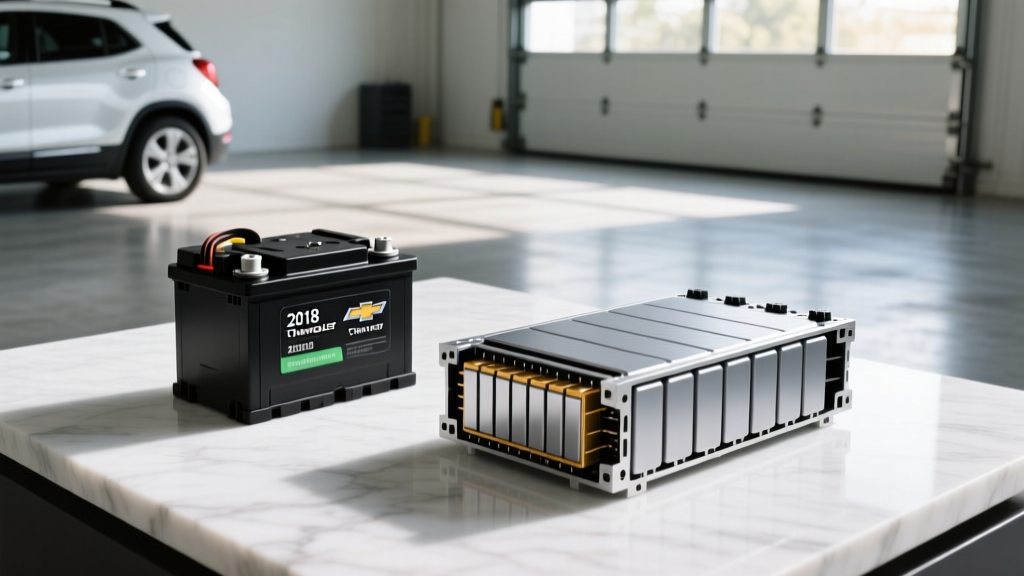
The 2018 Chevrolet Trax is a gasoline-powered subcompact SUV. It uses a standard 12V lead-acid starter battery (typically a Group 47/H5 size, ~60 Ah) to crank its 1.4L turbocharged engine and power accessories. This is not a high-voltage traction battery like those in EVs such as the Chevrolet Bolt EV, Equinox EV, or Blazer EV. The two battery types serve fundamentally different purposes, cost vastly different amounts, and follow entirely different degradation curves.
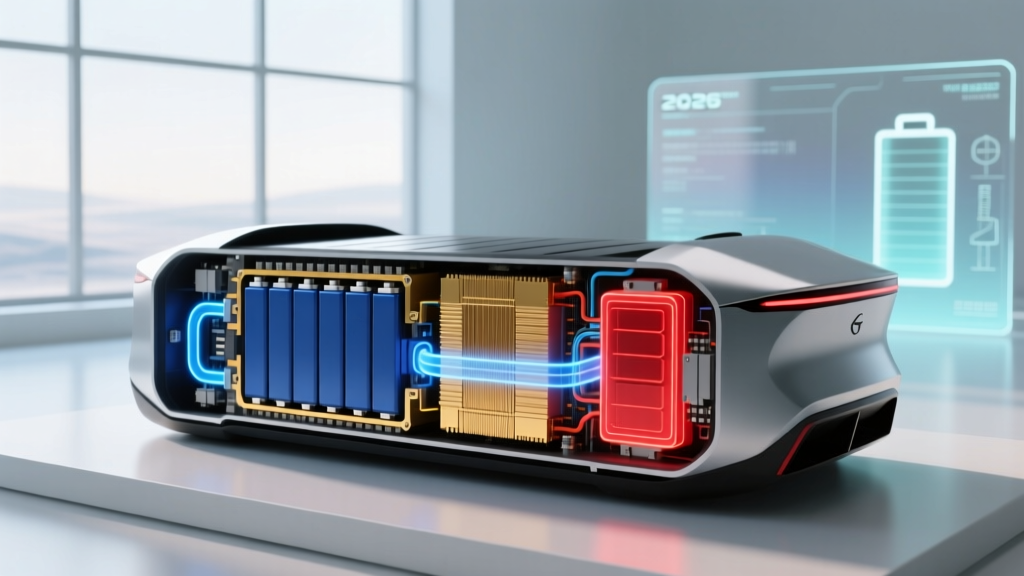
This guide uses the 2018 Trax as a reference point to explain how modern EV traction batteries work in 2026 — covering chemistry, degradation data, warranties, replacement costs, and the care habits that determine whether your EV battery outlasts the car itself.
12V Auxiliary Battery vs. EV Traction Battery: The Critical Distinction
Before diving into EV battery technology, let's clear up the most common confusion:
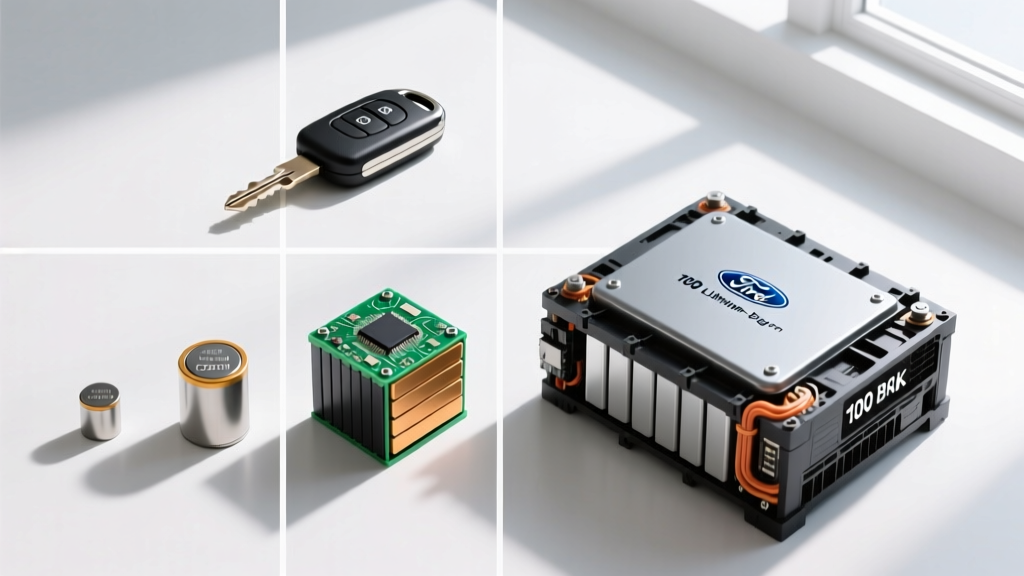
| Attribute | 2018 Chevy Trax 12V Battery | Modern EV Traction Battery (e.g., 2026 Equinox EV) |
|---|---|---|
| Purpose | Engine cranking, accessories, electronics | Propulsion — stores energy to drive the electric motor(s) |
| Voltage | 12V | 400V–800V architecture |
| Capacity | ~0.7 kWh (60 Ah × 12V) | 60–100+ kWh usable |
| Chemistry | Lead-acid (flooded or AGM) | LFP or NMC lithium-ion |
| Typical Lifespan | 3–6 years | 15–20+ years / 150,000–300,000+ miles |
| Replacement Cost (2026) | $150–$300 (parts + install) | $5,000–$20,000+ depending on pack size |
| Warranty | Typically 2–3 years free replacement | 8 years / 100,000 miles minimum (federally mandated) |
Key takeaway: When EV owners talk about "the battery," they mean the high-voltage traction pack — a fundamentally different component from the 12V battery in a gas car like the 2018 Trax. Even EVs have a 12V auxiliary battery (often lithium-ion in newer models) for accessories and safety systems, but it's a minor service item, not the main energy store.
EV Battery Chemistry in 2026: LFP vs. NMC/NCA
The two dominant lithium-ion chemistries powering EVs in 2026 are LFP (Lithium Iron Phosphate) and NMC/NCA (Nickel Manganese Cobalt / Nickel Cobalt Aluminum). Each has distinct trade-offs that affect range, longevity, cold-weather performance, and price.
| Factor | LFP (Lithium Iron Phosphate) | NMC / NCA (Nickel-based) |
|---|---|---|
| Energy Density | Lower (~160–180 Wh/kg cell-level) | Higher (~220–300 Wh/kg cell-level) |
| Cycle Life | 3,000–5,000+ full cycles to 80% SoH | 1,000–2,500 full cycles to 80% SoH |
| Cold-Weather Performance | Weaker — more range loss below 32°F | Better low-temp conductivity |
| Cost per kWh | Lower — no cobalt or nickel | Higher — commodity-priced metals |
| Thermal Stability | Excellent — very resistant to thermal runaway | Good but requires more active thermal management |
| Recommended Charge Habit | Can charge to 100% daily without harm | Best kept 20–80% for daily use; 100% for trips |
| Typical Applications (2026) | Tesla Model 3/Y RWD, base Ford Mustang Mach-E, many Chinese-market EVs | Long-range/performance trims, Hyundai Ioniq 5/6, GM Ultium-based EVs |
Which is better? Neither is universally superior. LFP wins on longevity and cost — ideal for daily commuters who charge at home and want a battery that could realistically last 300,000+ miles. NMC wins on energy density and cold-weather range — better for drivers who need maximum range per charge or regularly face sub-freezing temperatures. In 2026, most manufacturers offer both chemistries across their lineups, letting buyers choose based on their driving patterns.
How Long Do EV Batteries Actually Last? Real Degradation Data
The single most common EV ownership fear is premature battery failure. The data consistently shows this fear is overstated for modern vehicles.
Observed Degradation Patterns (aggregated fleet data, 2020–2025 model years):
- Year 1: ~2–3% capacity loss (initial formation loss, steepest part of the curve)
- Years 2–5: ~0.5–1% per year (linear, gradual decline)
- Years 5–8: ~0.5% per year (continues linearly for most chemistries)
- Year 10 projection (NMC, average use): ~88–92% State of Health remaining
- Year 10 projection (LFP, average use): ~92–96% State of Health remaining
According to data compiled by Recurrent Auto from over 15,000 vehicles in their fleet monitoring program, the median EV battery in 2025 retained approximately 90–93% of its original capacity after 5 years and 75,000 miles. Catastrophic failures (sudden, total battery pack death) are exceedingly rare — under 1% of monitored vehicles — and are almost always covered under warranty.
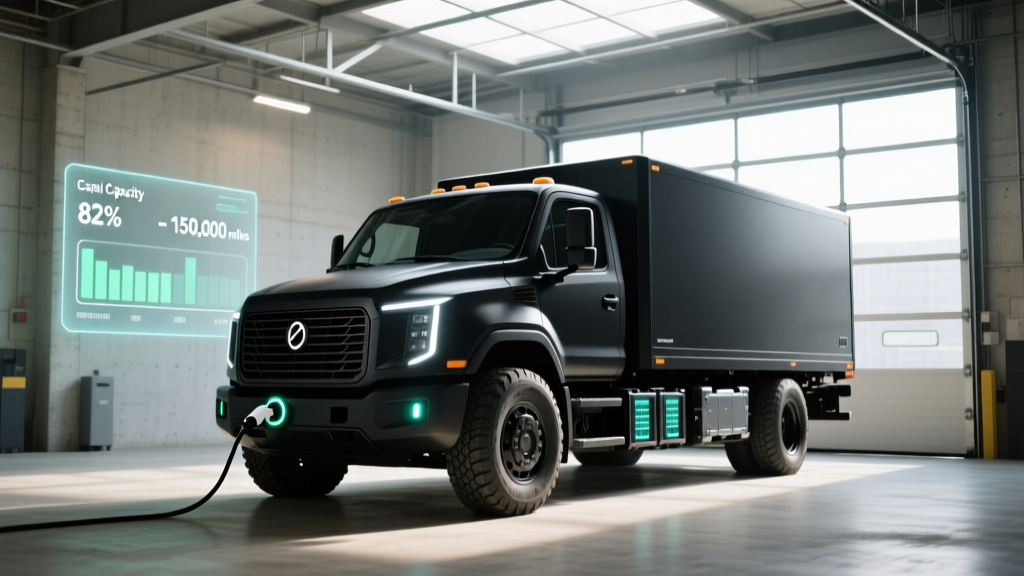
For context: a 2022 EV with an EPA range of 300 miles that has degraded to 92% SoH in 2026 still delivers ~276 miles of rated range. That's a meaningful but manageable reduction, not a car-killer.
Real-world caveat: Degradation accelerates slightly in extreme climates. Vehicles regularly exposed to sustained 100°F+ ambient temperatures (Phoenix, Las Vegas) or charged frequently via DC fast charging in hot weather may see 1–3% additional loss over 5 years compared to mild-climate, Level-2-charged counterparts.
What Does the EV Battery Warranty Cover?
Federal law mandates a minimum EV battery warranty of 8 years / 100,000 miles for the high-voltage traction battery. In California and states that have adopted CARB (California Air Resources Board) standards — including Colorado, Maine, Massachusetts, New York, Oregon, Vermont, Virginia, and Washington — the mandate extends to 10 years / 150,000 miles.
| Manufacturer | Battery Warranty | Capacity Retention Threshold |
|---|---|---|
| Tesla (Model 3/Y LFP) | 8 yr / 120,000 mi | 70% minimum SoH |
| Tesla (Model 3/Y LR/Perf NMC) | 8 yr / 120,000 mi | 70% minimum SoH |
| GM (Ultium-based: Equinox EV, Blazer EV, Silverado EV) | 8 yr / 100,000 mi | 70% minimum SoH (some trims: 60% in early model years, updated for 2025+) |
| Hyundai/Kia (E-GMP: Ioniq 5/6, EV6/9) | 10 yr / 100,000 mi | 70% minimum SoH |
| Ford (Mach-E, F-150 Lightning) | 8 yr / 100,000 mi | 70% minimum SoH |
| Volkswagen (ID.4) | 8 yr / 100,000 mi | 70% minimum SoH |
| Rivian (R1T/R1S) | 8 yr / 120,000 mi (175,000 mi for Max pack) | 70% minimum SoH |
What triggers a warranty claim? If your battery's State of Health drops below the threshold (typically 70% of original capacity) within the warranty period, the manufacturer must repair or replace the pack at no cost. Note: this covers degradation, not just catastrophic failure. Most owners never approach these thresholds under normal use.
What's NOT covered: Damage from accidents, flooding, improper modifications, or using non-approved charging equipment. Cosmetic concerns and minor range reductions above the threshold are also excluded.
EV Battery Replacement Costs: What to Budget and When
Out-of-warranty battery replacement is the scenario that generates the most anxiety. Here are realistic 2026 figures:
| Vehicle Category | Battery Size (usable kWh) | Replacement Cost Range (2026) | Typical Replacement Timeline |
|---|---|---|---|
| Compact EV (e.g., Chevy Bolt EV/EUV, Nissan Leaf) | 60–65 kWh | $6,000–$10,000 | Rarely needed; 15–20+ years projected |
| Midsize crossover EV (e.g., Tesla Model Y, Ioniq 5, Equinox EV) | 75–85 kWh | $8,000–$15,000 | Rarely needed; 15–20+ years projected |
| Large SUV/truck EV (e.g., F-150 Lightning, Rivian R1T, Silverado EV) | 100–200+ kWh | $12,000–$25,000+ | Rarely needed; 15–20+ years projected |
| Luxury EV (e.g., Lucid Air, Mercedes EQS) | 90–118 kWh | $15,000–$30,000+ | Rarely needed; 15–20+ years projected |
Context that matters: Battery prices have fallen roughly 80–90% since 2010 (from ~$1,200/kWh to approximately $100–130/kWh at the pack level in 2025–2026, per BloombergNEF data). By the time a 2026 EV actually needs an out-of-warranty replacement in the 2040s, costs will likely be dramatically lower. Additionally, module-level repair (replacing only degraded cells or modules rather than the entire pack) is increasingly common and costs $2,000–$5,000 rather than full-pack pricing.
Most EV batteries will outlast the vehicle's economic life. The average US vehicle age is 12.6 years (2025 data). A modern EV battery designed for 15–20+ years of service will, in the majority of cases, never need replacement during typical ownership.
Factors That Affect EV Battery Lifespan
Habits that maximize battery longevity:
- Charge to 80% daily (NMC/NCA): Keeping state of charge between 20–80% for routine driving reduces stress on nickel-based cells. LFP owners can charge to 100% daily without degradation concerns.
- Prefer Level 2 home charging over frequent DC fast charging: Occasional DC fast charging is fine, but daily 150–350 kW sessions generate sustained heat that accelerates degradation. Level 2 (7–19 kW) is gentler.
- Use preconditioning: Most EVs let you precondition the battery before fast charging or departure. This brings the pack to optimal temperature (~70–85°F), reducing charge time and thermal stress.
- Avoid prolonged storage at 100% or 0% SoC: If storing for weeks, leave the battery at ~50% SoC. Extended time at extreme states of charge accelerates calendar aging.
- Park in shade/garages in extreme heat: Sustained 100°F+ ambient temps with a full battery is the worst-case aging scenario. Thermal management systems help, but reducing exposure matters.
- Don't baby it excessively: Modern battery management systems (BMS) are sophisticated. They maintain buffers (typically 3–5% top and bottom) that you never access, protecting cells even when the display reads 100% or 0%.
Habits that accelerate degradation:
- Daily DC fast charging, especially in hot climates without preconditioning
- Regularly driving to near-0% SoC and letting the car sit depleted
- Leaving the vehicle at 100% SoC for extended periods in high heat
- Aftermarket modifications that bypass or interfere with the BMS
- Towing heavy loads repeatedly in extreme heat (high sustained C-rates)
How to Check Your EV Battery's State of Health (SoH)
State of Health (SoH) represents your battery's current maximum capacity as a percentage of its original capacity when new. A 2023 EV with an 82 kWh usable pack at 94% SoH can currently store ~77 kWh.
Methods to check SoH in 2026:
- In-vehicle displays: Many 2024+ EVs (Hyundai/Kia, BMW, Mercedes, Rivian) include a battery health indicator in the infotainment or driver app. Tesla does not natively display SoH but provides range estimates that reflect degradation.
- OBD-II diagnostic tools: Devices like the OBDLink SX or Carista adapter paired with apps such as EV Health or LeafSpy (Nissan-specific) can read SoH directly from the BMS. Cost: $30–$80 for hardware.
- Manufacturer service centers: Any authorized dealer can run a battery health diagnostic and provide a printed SoH report. Often free during routine service visits.
- Third-party fleet analytics: Services like Recurrent allow owners to connect their vehicle data for ongoing SoH tracking, degradation curve visualization, and range-vs-temperature analysis — often free for individual owners.
- Manual calculation: Fully charge to 100%, note the displayed range, and compare to the original EPA-rated range. Adjust for temperature. This is imprecise but gives a rough estimate.
When to check: Once every 6–12 months is sufficient for most owners. Check before purchasing a used EV to verify the pack hasn't experienced abnormal degradation.
Emerging Battery Tech: Solid-State and Silicon Anode
Beyond today's LFP and NMC chemistries, two technologies are advancing toward commercial EV deployment:
Solid-state batteries: Replace the liquid electrolyte with a solid material (ceramic, sulfide, or polymer), promising higher energy density (~400–500 Wh/kg cell-level), faster charging, and improved safety. Toyota has announced limited solid-state EV production for 2027–2028, targeting 750 km (~466 miles) of range. Samsung SDI and QuantumScape are also in advanced testing phases. Realistic mass-market timeline: 2029–2032 for broad availability, with initial deployment in premium vehicles.
Silicon anode batteries: Replace graphite anodes with silicon-dominant materials, boosting energy density by 20–40% without changing cathode chemistry. Companies like Sila Nanotechnologies and Group14 are already supplying silicon anode materials to manufacturers. The 2026 Mercedes-Benz G-Class EV uses a silicon anode battery from Sila. Realistic timeline: Already in limited production; expect broader adoption across 2027–2030 model years.
Neither technology is currently available in mainstream, affordable EVs as of early 2026. They represent incremental improvements to the lithium-ion architecture, not a reason to delay an EV purchase — today's LFP and NMC packs are already proven to last the vehicle's lifetime for most owners.
Back to the 2018 Chevy Trax: What Battery Do You Actually Need?
If your search brought you here because your 2018 Trax won't start, you need a Group 47 (H5) 12V battery. Popular 2026 replacements include:
- ACDelco Professional AGM 47: ~$180–$220 — OEM-equivalent, 3-year free replacement warranty
- Interstate MTZ-47 (AGM): ~$190–$230 — strong cold-cranking amps for northern climates
- DieHard Platinum AGM 47: ~$200–$240 — available at Advance Auto Parts
Installation is straightforward (negative terminal first off, last on) and takes about 15 minutes. Expect to pay $20–$50 additional if a shop performs the swap. The 2018 Trax does not have a high-voltage traction battery — it's a conventional gasoline vehicle.
If you're considering upgrading from a 2018 Trax to a modern EV, the battery technology comparison above applies. A 2026 Chevrolet Equinox EV (85 kWh NMC Ultium pack, ~315 miles EPA range, starting ~$33,000 before incentives) represents the spiritual successor in Chevy's lineup — with a traction battery designed to outlast the vehicle and an 8-year/100,000-mile warranty.
How long do EV batteries last in years and miles?
Modern EV batteries (2020+ model years with active thermal management) are projected to last 15–20+ years and 150,000–300,000+ miles before degrading to 70–80% of original capacity. LFP chemistries tend to outlast NMC in cycle count, though both significantly exceed typical vehicle lifespans. Fleet data from Recurrent Auto shows median degradation of ~7–10% after 5 years/75,000 miles.
How much does an EV battery cost to replace?
Full pack replacement in 2026 ranges from ~$6,000 for smaller packs (60 kWh) to $25,000+ for large truck/SUV packs (150–200+ kWh). However, most batteries never need replacement during typical ownership. Module-level repairs cost $2,000–$5,000. Battery prices continue declining ~10–15% annually, meaning any future replacement will cost significantly less than today's figures.
What does the EV battery warranty cover?
Federal law requires a minimum 8-year/100,000-mile warranty on EV traction batteries. CARB states mandate 10 years/150,000 miles. Coverage includes capacity loss below the manufacturer's threshold (typically 70% SoH) and defects. It does not cover accident damage, improper modifications, or cosmetic issues. The warranty is fully transferable to subsequent owners.
How do I check and maximize my EV battery health?
Check SoH via in-vehicle displays, OBD-II diagnostic tools, dealer service visits, or third-party analytics services like Recurrent. Maximize longevity by charging to 80% daily (NMC), using Level 2 charging predominantly, preconditioning before fast charging, avoiding prolonged storage at extreme SoC levels, and minimizing exposure to sustained extreme heat.
LFP vs NMC — which battery chemistry is better for me?
Choose LFP if: you charge at home daily, want maximum cycle life (3,000–5,000+ cycles), prefer lower cost, and don't mind slightly reduced cold-weather range. Choose NMC if: you need maximum range per charge, regularly drive in sub-freezing temperatures, or frequently take long road trips where energy density matters. Both chemistries will outlast the vehicle under normal use.
Is the 2018 Chevy Trax an electric vehicle?
No. The 2018 Chevrolet Trax is a gasoline-powered subcompact SUV with a 1.4L turbocharged engine. It uses a conventional 12V lead-acid starter battery, not a high-voltage EV traction battery. If you're looking for a Chevy EV, the 2026 Equinox EV, Blazer EV, and Silverado EV are the current electric offerings.