If you've landed here searching for a battery Ford Explorer 2014 replacement, you're likely dealing with a dead 12V lead-acid battery under the hood of a gas-powered midsize SUV. That's a $150–$250 fix at any auto parts store. But if your search stems from a broader curiosity—perhaps you're considering trading that 2014 Explorer for a modern electric SUV like the Ford Mustang Mach-E or the all-electric 2025+ Ford Explorer EV—you've arrived at the right deep dive.
This guide bridges the gap between the simple 12V battery world most drivers know and the high-voltage lithium-ion traction batteries that power today's EVs. We'll cover chemistry, degradation data, replacement costs, warranties, and how to maximize battery health—everything a former gas-car owner needs to know before going electric.
The 2014 Ford Explorer Battery vs. an EV Traction Battery
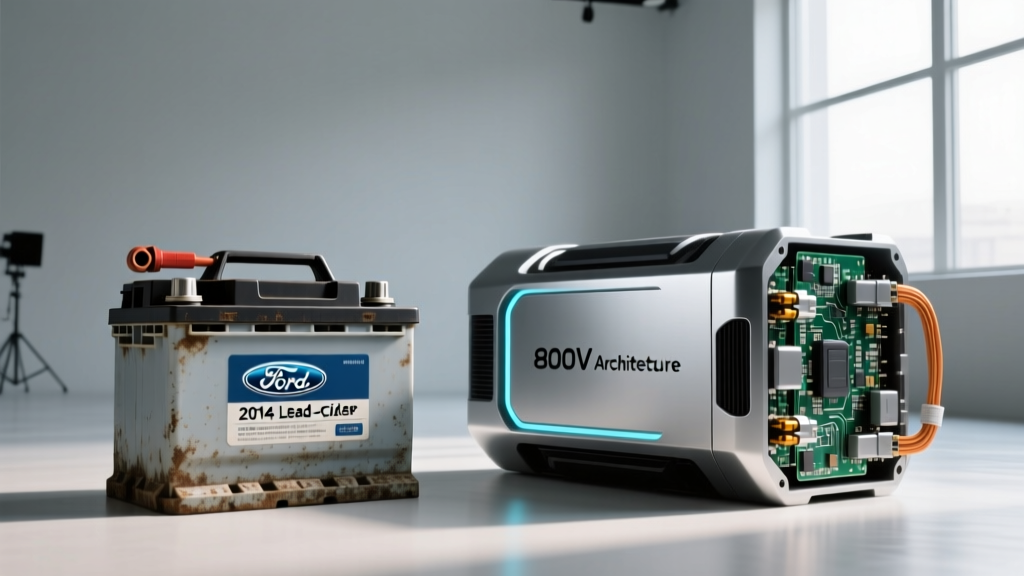
The 2014 Ford Explorer uses a standard Group 65 or Group 48 12V lead-acid battery. It powers the starter motor, lights, infotainment, and accessories. It typically lasts 3–5 years and costs $130–$220 to replace. This is fundamentally different from an EV's high-voltage traction battery, which stores 60–100+ kWh of energy to propel the vehicle.
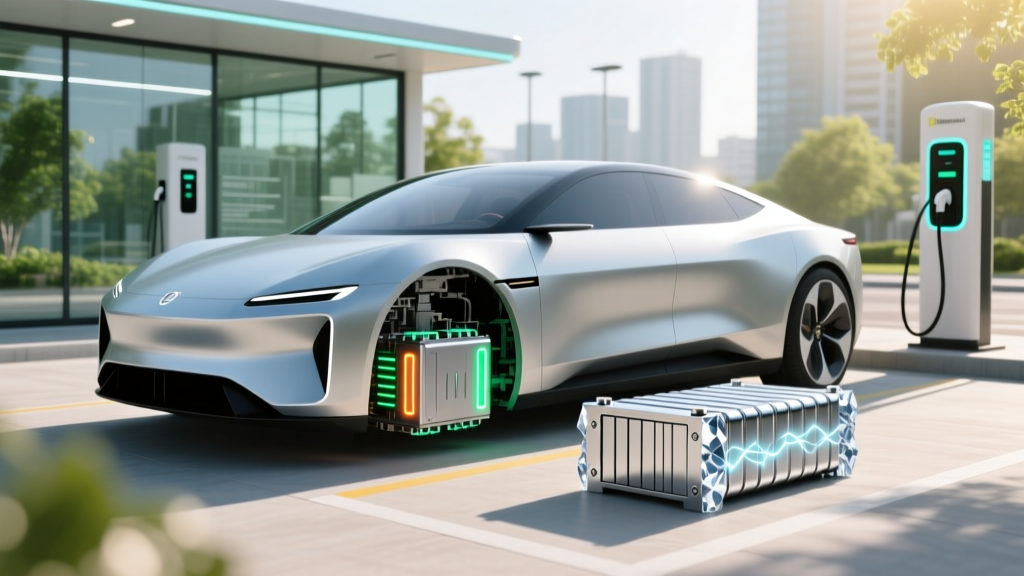
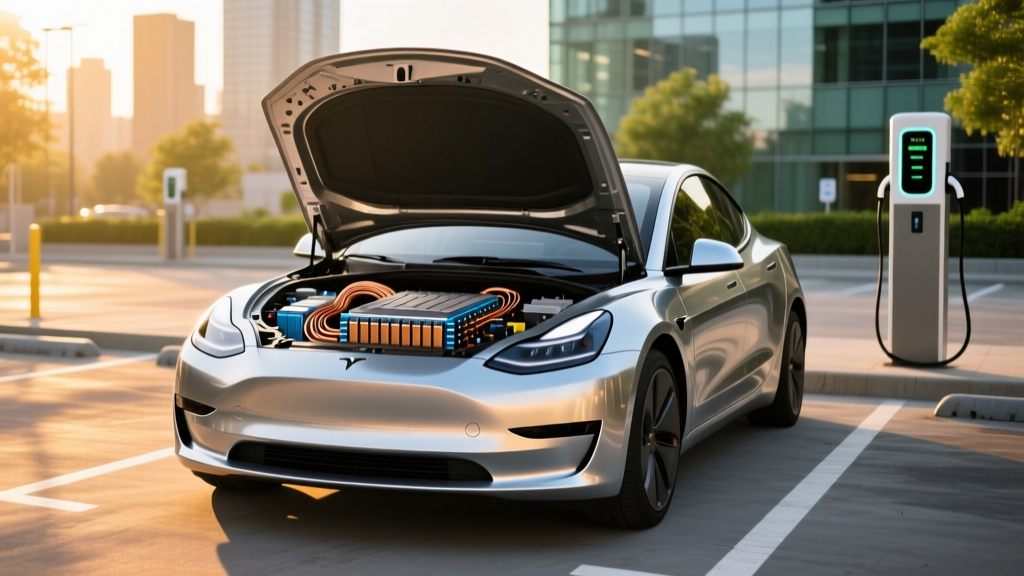
Even modern EVs still carry a small 12V auxiliary battery (often lithium-ion or AGM) for accessories and safety systems. But when we talk about "EV batteries" in this guide, we mean the large traction pack—the component that determines range, charging speed, and long-term ownership cost. Understanding this distinction is critical before making an electrified vehicle purchase.
Battery Chemistry Explained: LFP vs. NMC vs. NCA
Modern EV traction batteries use lithium-ion cells, but not all lithium-ion chemistry is the same. The two dominant chemistries in 2026 are LFP (lithium iron phosphate) and NMC/NCA (nickel manganese cobalt / nickel cobalt aluminum). Each has distinct trade-offs that affect your ownership experience.
| Attribute | LFP (Lithium Iron Phosphate) | NMC / NCA (Nickel-Based) |
|---|---|---|
| Energy Density | Lower (~160 Wh/kg cell-level) | Higher (~250–300 Wh/kg cell-level) |
| Typical Range per Pack Size | Shorter for same kWh weight | Longer range for same weight |
| Cycle Life | 3,000–5,000+ cycles | 1,000–2,000 cycles |
| Cold-Weather Performance | Moderate; slower charging below 32°F | Better low-temp charge acceptance |
| Cost per kWh | Lower (~$80–100/kWh pack-level) | Higher (~$110–140/kWh pack-level) |
| Cobalt Content | Zero cobalt | Contains cobalt (sourcing concerns) |
| Recommended Daily Charge | Can charge to 100% daily | Best kept at 80% daily; 100% for trips |
| Common In (2026 Models) | Tesla Model 3/Y RWD, Ford Mustang Mach-E Select (base), BYD models | Tesla Long Range, Hyundai Ioniq 5, Rivian, Ford Mach-E GT/Extended Range |
Which is better? Neither is universally superior. LFP excels for daily-driving affordability and longevity—you can charge to 100% every night without accelerated degradation. NMC/NCA wins on range and cold-weather performance, making it preferable for long-range trims and northern climates. If you drive under 250 miles daily and want a battery that could outlast the car, LFP is the pragmatic choice. If you need 320+ miles of EPA range or regularly drive in sub-freezing conditions, NMC delivers.
How Long Do EV Batteries Actually Last?
The short answer: far longer than most buyers fear. Data from fleet operators, manufacturer reports, and independent testing consistently shows that modern lithium-ion traction batteries lose roughly 5–10% of capacity over the first 100,000 miles, then degradation slows significantly.
Typical EV Battery Degradation Curve (Real-World Data Points):
- Year 1 / 15,000 mi: ~2–3% capacity loss (initial formation loss)
- Year 3 / 45,000 mi: ~5–7% total loss
- Year 5 / 75,000 mi: ~7–9% total loss
- Year 8 / 120,000 mi: ~10–14% total loss
- Year 10 / 150,000 mi: ~12–18% total loss
Sources: Geotab fleet data (6,300+ EVs), Tesla Impact Reports, Recurrent Auto battery health studies.
A 2026 Hyundai Ioniq 5 with an EPA-estimated 305 miles of range (Long Range AWD, 77.4 kWh usable NMC pack) would typically retain around 265–280 miles of real range at 100,000 miles. That's still more daily range than most drivers need. According to fueleconomy.gov, efficiency also depends on driving habits—aggressive acceleration and frequent DC fast charging accelerate wear slightly.
The critical takeaway: most EV batteries outlive the vehicle they're installed in. The average US vehicle age is 12.6 years. Very few modern EV traction batteries require full replacement under normal ownership.
What Does the Battery Warranty Actually Cover?
Federal law mandates that EV batteries carry a minimum warranty of 8 years / 100,000 miles (10 years / 150,000 miles in California and states adopting CARB standards). Most manufacturers exceed the minimum.
| Manufacturer | Warranty Period | Capacity Retention Threshold |
|---|---|---|
| Tesla (Model 3/Y LFP) | 8 yr / 100,000 mi | 70% minimum |
| Tesla (Long Range / NMC) | 8 yr / 120,000 mi | 70% minimum |
| Hyundai / Kia | 10 yr / 100,000 mi | 70% minimum |
| Ford (Mustang Mach-E) | 8 yr / 100,000 mi | 70% minimum |
| Rivian | 8 yr / 120,000 mi (175k for commercial) | 70% minimum |
| GM (Ultium platform) | 8 yr / 100,000 mi | 70% minimum |
What triggers a warranty claim? If your battery's State of Health (SoH) drops below the threshold—typically 70% of original capacity—within the warranty period, the manufacturer must repair or replace it at no cost. In practice, very few batteries hit this threshold within the warranty window. The warranty covers defects and abnormal degradation, not damage from accidents, flooding, or unauthorized modifications.
EV Battery Replacement Cost: What You'd Actually Pay
If your battery does fail outside warranty, replacement is expensive—but context matters. Full pack replacements are rare; most out-of-warranty service involves replacing individual modules or cell groups.
| Battery Size / Vehicle Class | Full Pack (Out of Warranty) | Module-Level Repair | Typical Need Timeline |
|---|---|---|---|
| 40–60 kWh (compact EVs, e.g., Nissan Leaf, base Bolt) | $6,000–$10,000 | $1,500–$3,500 | Rarely before 150k mi |
| 60–80 kWh (midsize, e.g., Mach-E, Ioniq 5, Model 3) | $10,000–$16,000 | $2,000–$5,000 | Rarely before 150k mi |
| 80–100+ kWh (large SUVs, trucks, e.g., F-150 Lightning, Rivian) | $15,000–$25,000 | $3,000–$7,000 | Rarely before 150k mi |
For comparison, a 2014 Ford Explorer's transmission replacement runs $3,500–$5,500, and an engine rebuild can exceed $6,000. Gas vehicles have expensive mechanical failures too—they're just more normalized in buyer psychology. Pack costs continue to decline; Bloomberg NEF projects average pack prices below $80/kWh by 2028, which would bring an 80 kWh replacement down to the $6,400–$8,000 range at the cell level.
Factors That Affect EV Battery Lifespan
Not all miles are equal when it comes to battery wear. These factors have the most measurable impact on long-term State of Health:
Battery Care Checklist for Maximum Longevity:
- Avoid daily DC fast charging. Occasional road-trip fast charging is fine, but daily use of 150+ kW DC chargers generates sustained heat that accelerates degradation. Level 2 home charging (7–11 kW) is gentler.
- Follow the 20–80% rule for NMC/NCA. Keeping State of Charge between 20% and 80% for daily use reduces stress. LFP batteries are exempt—charge to 100% regularly to help the BMS calibrate.
- Precondition before fast charging. Most EVs automatically precondition the battery when you navigate to a charger. This brings cells to optimal temperature (~70–90°F), improving charge speed and reducing thermal stress.
- Minimize prolonged storage at 100% or 0%. If leaving your EV for weeks, set the charge limit to ~50%. Extreme SoC states at rest accelerate calendar aging.
- Use a garage or shaded parking in extreme heat. Sustained ambient temperatures above 95°F with a high SoC compound degradation. Thermal management systems help, but they can't fully offset physics.
- Don't baby it too much. Modern battery management systems (BMS) are sophisticated. Driving normally—including occasional regen-heavy deceleration—won't meaningfully harm your pack.
How to Check and Monitor Battery Health (SoH)
State of Health (SoH) is a percentage representing your battery's current maximum capacity relative to its original capacity. A new battery is 100% SoH; at 70%, you'd trigger most warranty claims.
Methods to check SoH in 2026:
- In-vehicle displays: Tesla, Hyundai, and some other OEMs now show battery health metrics in the service menu or companion app.
- OBD-II dongles + apps: Tools like OBDeleven, Leaf Spy (Nissan), or Scan My Tesla read BMS data directly, showing SoH, cell voltage variance, and cycle count.
- Third-party services: Companies like Recurrent Auto provide free battery health reports by analyzing your telematics data over time, comparing your degradation to their fleet averages.
- Dealer diagnostics: Any authorized service center can pull a full battery health report. Request this when buying a used EV—it's the most important pre-purchase check.
When buying a used EV (whether a 2020 Mach-E or something from a newer brand), always verify SoH before purchase. A 3-year-old EV with 92% SoH is in excellent shape; one at 82% warrants investigation into charging habits or potential BMS issues.
Emerging Battery Tech: Solid-State and Beyond
Several next-generation battery technologies are in development, but none are available in production consumer EVs as of 2026:
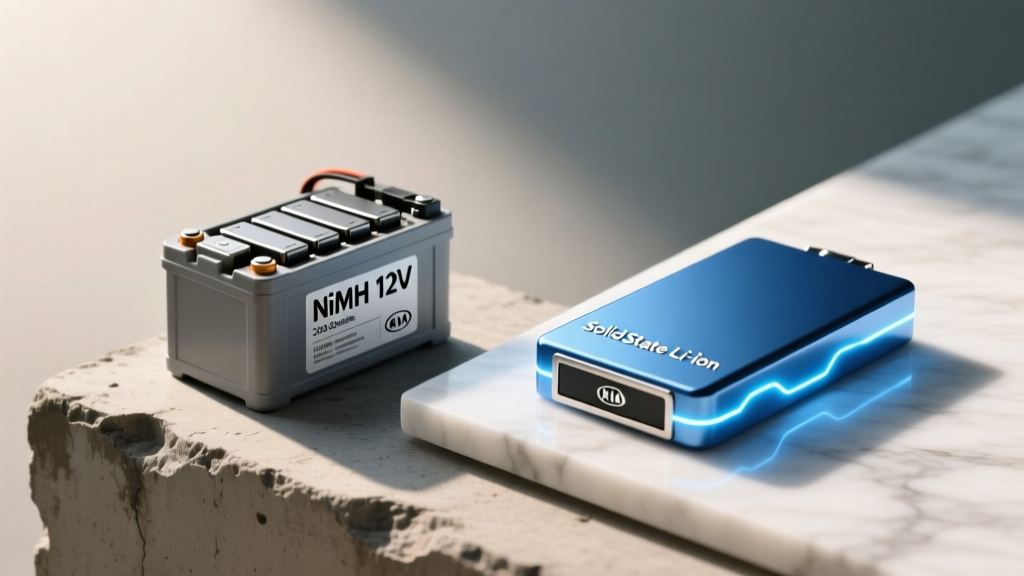
- Solid-state batteries: Replace the liquid electrolyte with a solid material, promising higher energy density (~400+ Wh/kg cell-level), faster charging, and improved safety. Toyota has announced limited production for 2027–2028, but at very high cost and low volume. Widespread affordability is projected for 2030+. QuantumScape and Samsung SDI are also in advanced testing phases.
- Silicon-dominant anodes: Replacing graphite anodes with silicon can boost energy density 20–40%. Companies like Sila Nanotechnologies and Group14 are supplying early production cells. Expect to see this in premium models starting 2026–2027, gradually trickling down.
- Sodium-ion batteries: Use abundant sodium instead of lithium, dramatically cutting cost. CATL and BYD have begun production for Chinese-market vehicles. Energy density is lower (~120–140 Wh/kg), making these best suited for budget city cars and stationary storage. US availability remains uncertain.
These technologies are genuinely promising, but they are forward-looking and not yet available in any vehicle you can buy today. Current LFP and NMC chemistries, paired with modern thermal management, already deliver excellent longevity for the vast majority of drivers.
Frequently Asked Questions
How long do EV batteries last in years and miles?
Most modern EV batteries retain 80–90% of their original capacity after 100,000–150,000 miles (roughly 8–12 years of average driving). Complete failure requiring replacement is rare; gradual capacity loss is the norm. Many packs will function adequately for 200,000+ miles, just with reduced range.
How much does an EV battery cost to replace in 2026?
Full pack replacement ranges from $6,000 for smaller packs (40–60 kWh) to $25,000 for large truck/SUV packs (100+ kWh). However, module-level repairs typically cost $1,500–$7,000, and most batteries never need replacement during normal ownership. Prices continue declining annually.
What does the EV battery warranty cover?
Federal law requires at minimum 8 years / 100,000 miles of coverage (10/150k in CARB states). If your battery drops below ~70% of original capacity within that period, the manufacturer replaces or repairs it at no cost. Warranties cover defects and abnormal degradation but not accident damage or unauthorized modifications.
How do I check my EV's battery health?
Use the vehicle's built-in health display (if available), an OBD-II scanner with EV-compatible software, a third-party service like Recurrent Auto, or request a diagnostic report from a dealer. Always check SoH before purchasing a used EV.
LFP vs NMC — which battery chemistry should I choose?
Choose LFP if you prioritize longevity, lower cost, and daily charging simplicity (100% is fine). Choose NMC/NCA if you need maximum range, better cold-weather charging performance, or are buying a long-range trim. Neither is inherently "better"—the right choice depends on your driving patterns and climate.
Is a 2014 Ford Explorer battery the same as an EV battery?
No. The 2014 Ford Explorer uses a standard 12V lead-acid battery for starting and accessories ($130–$220, replaces every 3–5 years). An EV traction battery is a high-voltage lithium-ion pack (60–100+ kWh) that powers the electric motor and costs significantly more but lasts the life of the vehicle in most cases.
For current federal EV tax credit rules under IRS §30D—including income caps, MSRP limits, and battery sourcing requirements that may affect your purchase—consult IRS.gov clean vehicle credits. Battery sourcing rules are subject to change annually.