The Short Answer: Are Zoox Rides Free in Las Vegas?
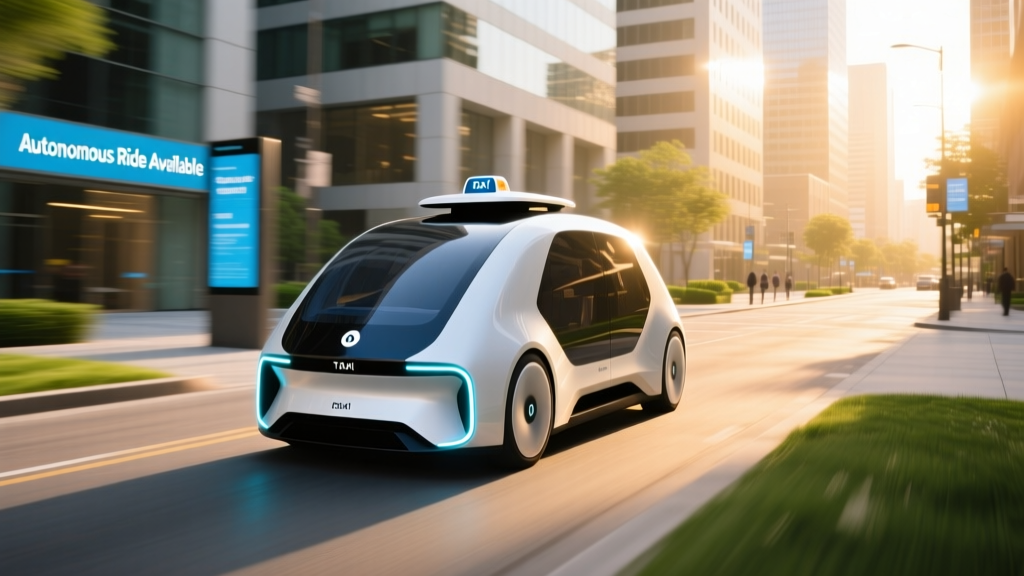
If you've spotted Zoox's distinctive, steering-wheel-free vehicles navigating Las Vegas streets and wondered whether you can hail one for free, the answer requires some nuance. As of early 2026, Zoox operates a limited commercial robotaxi service in Las Vegas, and while the company has periodically offered promotional free-ride periods to build ridership and gather user feedback, Zoox rides are not permanently free. The service uses a dynamic pricing model comparable to — and in some cases slightly below — traditional rideshare platforms like Uber and Lyft.
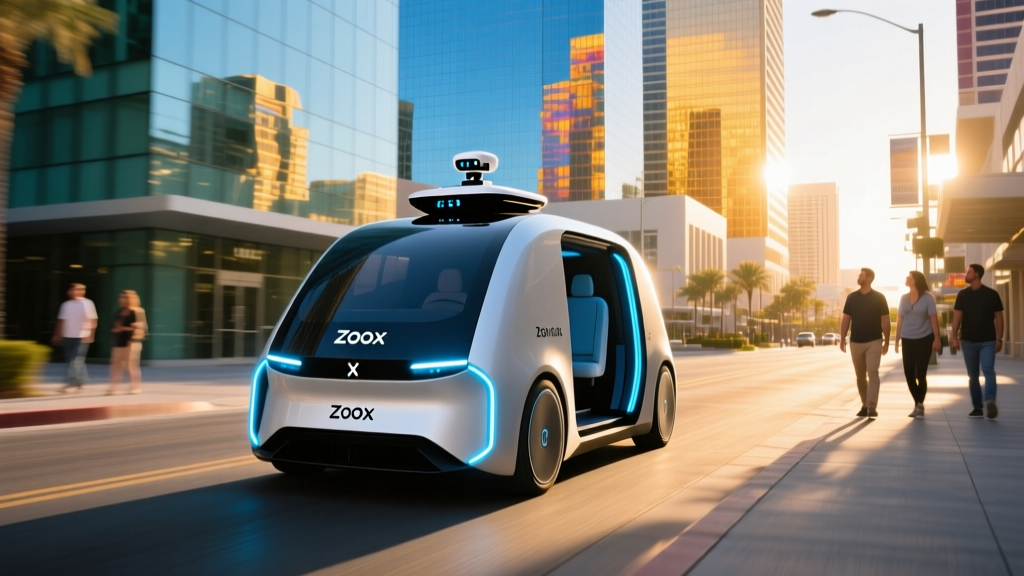
Zoox, the Amazon-owned autonomous vehicle company, launched its purpose-built robotaxi (a bidirectional, carriage-style vehicle with no steering wheel or pedals) for commercial service in select cities after years of testing. Las Vegas was among the first markets due to Nevada's permissive autonomous vehicle regulatory framework. But understanding what you'll actually pay, where you can go, and how safe the service is requires looking past the headlines.
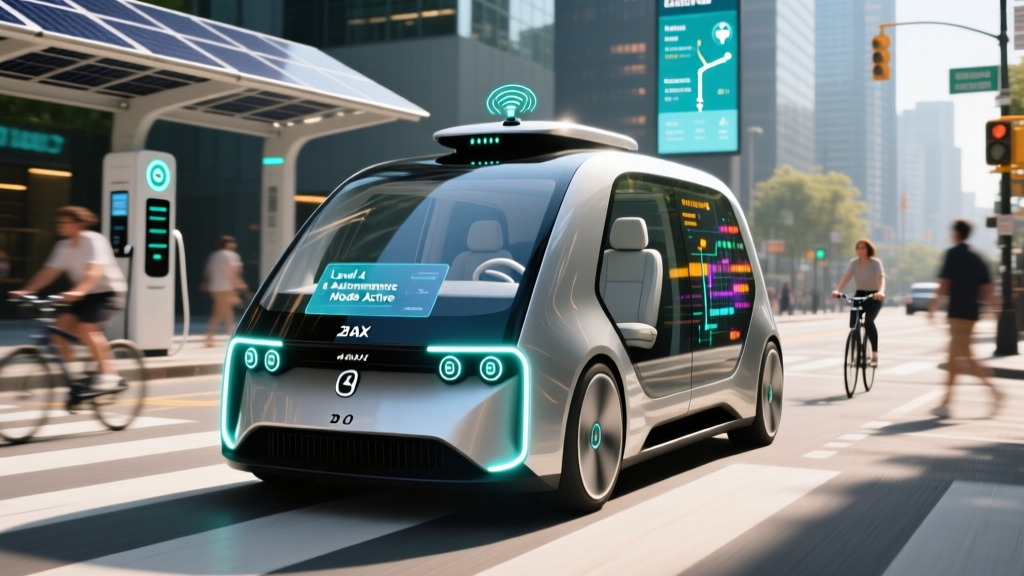
Zoox operates at SAE Level 4 — high automation within a defined Operational Design Domain (ODD). This means the vehicle handles all driving tasks without any human intervention, but only within specific geofenced areas, speed limits, and weather conditions. This is fundamentally different from SAE Level 2 systems like Tesla Autopilot or GM Super Cruise, which require constant driver supervision. In a Zoox, there is no driver seat, no steering wheel, and no expectation that a passenger will take control.
Where Can You Use Zoox Right Now?
Zoox's commercial service footprint remains deliberately narrow. The company has prioritized controlled expansion over broad coverage, meaning you can't simply hail a Zoox from anywhere in a city.
| City | Status | Service Area | Operating Hours |
|---|---|---|---|
| Las Vegas, NV | Commercial (paid) | Las Vegas Strip corridor, downtown, airport route | Limited hours, expanding |
| Foster City / Bay Area, CA | Commercial (paid) | Foster City, parts of San Francisco | Limited hours |
| Atlanta, GA | Testing / early access | Select corridors | N/A — not public |
| Austin, TX | Testing | Limited geofence | N/A — not public |
In Las Vegas specifically, Zoox's geofence covers the high-traffic tourist corridor: the Strip from roughly Mandalay Bay to the Strat, portions of downtown near Fremont Street, and routes to Harry Reid International Airport. If your pickup or drop-off falls outside this zone, the app simply won't let you book the ride. This geofencing is a hard constraint enforced by the vehicle's Operational Design Domain — not a software toggle the company can flip overnight.
How Much Does Zoox Cost vs. Uber and Lyft?
Zoox has historically used introductory pricing to attract riders, and some early promotional periods did offer free rides to select users. However, the standard commercial model charges per ride using a base fare plus per-mile and per-minute rates, similar to conventional rideshare.
| Service | Estimated Fare | Surge Pricing? | Wait Time |
|---|---|---|---|
| Zoox | $10–$16 | Limited / no surge currently | 5–15 min (fleet-limited) |
| UberX | $12–$22 | Yes, frequent on Strip | 3–8 min |
| Lyft | $11–$20 | Yes | 3–10 min |
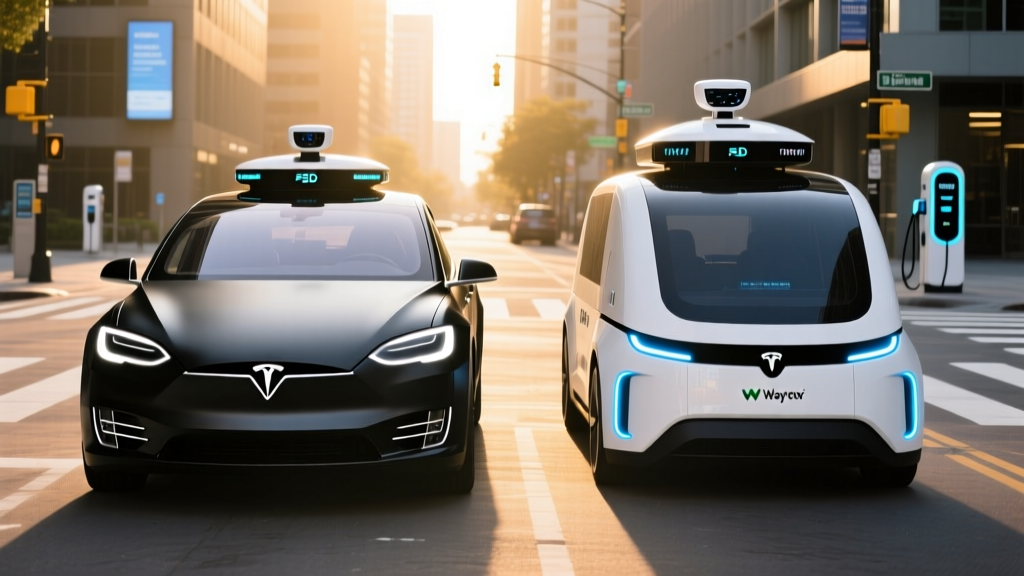
| Waymo One | Not available in Las Vegas | N/A | N/A |
The key pricing advantage Zoox currently holds is the absence of aggressive surge pricing. Traditional rideshare platforms spike fares during peak demand on the Strip — Friday nights, convention weekends, and post-show rushes can push UberX fares to $30+ for short trips. Zoox's limited fleet and controlled rollout mean surge pricing hasn't been a major factor, though this will likely change as demand outpaces vehicle supply.
One important caveat: Zoox's fleet in Las Vegas remains small — estimated in the low hundreds of vehicles — so availability is not guaranteed, especially during peak hours. Expect longer wait times than you'd see with Uber or Lyft's much larger driver pools.
How Safe Are Zoox Robotaxis? The Real Data
Safety is the single most scrutinized aspect of robotaxi operations, and for good reason. Zoox, like all autonomous vehicle operators in California and Nevada, is required to report disengagement data, collision reports, and operational metrics to regulators.
- Testing miles accumulated: Over 2 million autonomous miles driven across all test markets (per NHTSA AV reporting)
- Collision reports: Zoox has filed multiple Standing General Order crash reports with NHTSA, as required for all ADS-equipped vehicles. Most reported incidents involve low-speed contact with other vehicles or objects, with the robotaxi typically stationary or moving under 10 mph
- Disengagement rate: In California DMV disengagement reports, Zoox has shown improving intervention rates year-over-year, though direct comparison with Waymo or Cruise is complicated by different ODDs and test conditions
- No passenger fatalities: As of early 2026, no Zoox robotaxi has been involved in a fatal collision during commercial operations
Sources: NHTSA, California DMV disengagement reports
Context matters enormously here. Robotaxis operate primarily in dense urban environments at relatively low speeds — exactly the conditions where minor contact incidents are most common even for human drivers. The relevant safety question isn't whether robotaxis are incident-free (no transportation mode is), but whether their incident rate per million miles is lower than human drivers in equivalent conditions.
Following Cruise's high-profile pedestrian dragging incident in San Francisco in late 2023 — which led to the company's California permit suspension and eventual restructuring under GM — regulators and the public have scrutinized robotaxi safety more intensely. Zoox has benefited from a more cautious rollout strategy, avoiding some of the operational overreach that plagued competitors. However, the company's smaller operational footprint also means less real-world validation data compared to Waymo's millions of paid ride miles in Phoenix, San Francisco, and Los Angeles.
Under the Hood: Zoox's Technology Stack
The Zoox vehicle is a ground-up robotaxi design, not a retrofitted consumer car. This purpose-built approach gives it sensor coverage and compute architecture that adapted vehicles can't easily match.
- LiDAR: Multiple solid-state and spinning LiDAR units providing 360° point-cloud coverage with range exceeding 150 meters. LiDAR is the primary sensor for object detection and localization — a key differentiator from Tesla's camera-only FSD approach.
- Cameras: High-resolution camera arrays at every corner, providing overlapping fields of view for redundancy, traffic signal recognition, and lane marking detection.
- Radar: Forward and corner radar units for velocity detection of moving objects, particularly effective in rain and fog where LiDAR and cameras degrade.
- Compute: Custom redundant computing platform running Zoox's full self-driving stack. Dual-redundant systems ensure that a single compute failure doesn't strand the vehicle — a fail-operational design required for SAE Level 4.
- HD Mapping & Geofencing: Zoox pre-maps every inch of its service area at centimeter-level resolution. The vehicle localizes against this map in real-time and will not operate outside its validated geofence.
The bidirectional design — the vehicle can travel equally well in either direction — eliminates the need for three-point turns or complex maneuvers in tight spaces. The symmetrical interior (four passengers facing each other) also means there's no "front seat" and no steering apparatus whatsoever. This is a vehicle designed from day one to never have a human driver, which simplifies some engineering challenges while introducing others (like regulatory approval for a vehicle with no manual controls).
The Regulatory Landscape: Who Approves Robotaxis?
Robotaxi operations in the United States exist within a patchwork of state and federal regulations, and understanding this framework helps explain why Zoox is available in some cities but not others.
Federal (NHTSA): The National Highway Traffic Safety Administration sets vehicle safety standards (FMVSS) but has historically granted exemptions for vehicles like Zoox that lack traditional controls (steering wheel, mirrors, pedals). Zoox received a key FMVSS exemption allowing its purpose-built vehicle to operate without these features. NHTSA also mandates crash reporting through its Standing General Order for all vehicles equipped with SAE Level 2 and above automated systems. Visit NHTSA's AV safety page for current reporting requirements.
Nevada: Nevada was one of the first states to pass autonomous vehicle legislation (AB 511, enacted in 2011 and updated since). The Nevada DMV issues testing and deployment permits, requires insurance minimums, and mandates incident reporting. Nevada's framework is considered robotaxi-friendly, which is why both Zoox and other AV companies have prioritized Las Vegas as a launch market.
California: The California DMV issues testing permits and requires annual disengagement reports, while the California Public Utilities Commission (CPUC) regulates commercial robotaxi service (fare-setting, passenger safety, accessibility). California's dual-agency approval process is more complex than Nevada's, which partly explains the slower expansion in the Bay Area compared to Las Vegas.
Current Limitations: What Zoox Can't Do Yet
For all the engineering sophistication, SAE Level 4 robotaxis carry significant operational constraints that passengers should understand before booking.
- Geofencing: You cannot travel outside the mapped service area. A trip from the Strip to Red Rock Canyon or Lake Mead? Not possible. The vehicle will refuse to initiate a trip with endpoints outside its ODD.
- Weather restrictions: Heavy rain, flooding, or dust storms (common during Las Vegas monsoon season, July–September) can suspend service. The LiDAR and camera systems degrade significantly in precipitation, and Zoox takes a conservative approach to weather-related pullbacks.
- Construction zones: Unmapped lane closures, temporary barriers, and detours remain challenging edge cases. When the vehicle encounters significant map divergence, it may pull over safely and request remote assistance from Zoox's operations center.
- Fleet availability: With a limited number of vehicles on the road, peak-demand periods (New Year's Eve, major conventions like CES) can mean extended wait times or inability to book at all.
- Accessibility: While Zoox's vehicle is designed with a low floor and wide doors, wheelchair-accessible configurations are still being validated. Passengers with mobility devices should check current accessibility status before relying on the service.
- No highway driving: Zoox's ODD is currently limited to surface streets at speeds under 45 mph. Interstate trips are not supported.
- Luggage capacity: The compact, carriage-style interior prioritizes passenger seating over cargo. Large suitcases or excessive luggage may not fit comfortably.
How to Actually Ride in a Zoox
Booking a Zoox ride follows the same general pattern as Uber or Lyft, with a few robotaxi-specific differences:
- Download the Zoox app (available on iOS and Android) and create an account.
- Enter your pickup and drop-off locations. The app will immediately tell you if both endpoints fall within the service area. If either is outside the geofence, you'll need to adjust.
- Confirm your ride. You'll see an estimated fare, wait time, and the pickup point (which may be a specific corner or designated stop rather than an exact address — robotaxis use optimized pickup locations for safety).
- Board the vehicle. The Zoox vehicle will arrive and unlock its doors automatically. There's no driver to greet you — interior screens guide you through buckling up and confirming your trip.
- Ride and monitor. Interior displays show the vehicle's perception of its surroundings (detected cars, pedestrians, signals) in real-time, which can be reassuring for first-time riders.
- Remote assistance: If the vehicle encounters an ambiguous situation, it may pause and connect with a remote Zoox operator who can authorize a maneuver. The remote operator does not "drive" the vehicle directly — they approve a specific action that the vehicle then executes autonomously.
Frequently Asked Questions
Is Zoox truly self-driving, or is there a hidden driver?
Zoox is genuinely driverless — SAE Level 4. There is no steering wheel, no pedals, no driver seat, and no human in the vehicle. The vehicle handles all driving tasks within its geofenced service area. Remote operators can assist with edge-case decisions but do not directly control the vehicle's steering or braking in real-time.
Are Zoox rides free in Las Vegas right now?
Not as a standard policy. Zoox has offered promotional free-ride periods during launch phases and special events, but the commercial service charges fares comparable to or slightly below Uber/Lyft. Check the Zoox app for current pricing and any active promotions in your area.
Can I take a Zoox from the Las Vegas airport to my Strip hotel?
Yes, Harry Reid International Airport is within Zoox's Las Vegas service area. However, fleet availability may be limited, so have a backup rideshare option ready, especially during peak travel times.
How does Zoox compare to Waymo?
Both are SAE Level 4 robotaxi services, but they differ significantly. Waymo uses retrofitted Jaguar I-PACE and Zeekr vehicles and operates at much larger scale in Phoenix, San Francisco, and Los Angeles with millions of paid rides completed. Zoox uses a purpose-built vehicle with no steering controls and operates in fewer cities with a smaller fleet. Waymo has more real-world validation data; Zoox has a more radical vehicle design optimized exclusively for autonomous operation.
What happens if the Zoox vehicle gets into an accident?
Zoox vehicles carry commercial insurance meeting Nevada's minimum requirements for autonomous vehicle operators. In a collision, the vehicle is designed to safely stop, unlock doors, and connect passengers with Zoox support and emergency services as needed. All incidents are reported to NHTSA under the Standing General Order for automated driving systems.
Will Zoox expand to more cities soon?
Zoox has announced testing in Atlanta and Austin, but commercial launch timelines for new cities have not been confirmed. Expansion depends on regulatory approval, HD mapping completion, and fleet scaling. Amazon's backing provides significant capital, but Zoox has moved deliberately rather than rushing into markets before the technology and regulatory framework are ready.