Ask any EV owner when they'll finally nap behind the wheel, and you'll hear a decade of shifting timelines. As of 2026, the honest answer to when will autonomous cars be available depends entirely on where you live, what kind of vehicle you mean, and whether you're talking about buying one or hailing one. True driverless rides exist today — but only in a handful of U.S. metros, under tightly regulated conditions, and almost exclusively as paid robotaxi services rather than personal vehicles you can buy.
This guide separates what's live right now from what's still pilot-stage, with hard numbers on availability, safety, pricing, and the regulatory framework deciding which cities get driverless rides next.
The SAE Autonomy Scale: What Level 4 Actually Means
Most confusion about autonomous availability comes from mixing up driver-assist with driverless. The SAE J3016 standard defines six levels, and the gap between Level 2 and Level 4 is the difference between a car that helps you steer and one that has no steering wheel.
| Level | Name | Who Drives | Examples in 2026 |
|---|---|---|---|
| 0 | No Automation | Human | Legacy vehicles |
| 1 | Driver Assistance | Human | Adaptive cruise, lane-keep |
| 2 | Partial Automation | Human (supervised) | Tesla Autopilot/FSD Supervised, GM Super Cruise, Ford BlueCruise |
| 3 | Conditional Automation | System (limited ODD) | Mercedes DRIVE PILOT (NV/CA, ≤40 mph, traffic-jam only) |
| 4 | High Automation | System (geofenced) | Waymo One, Cruise, Zoox |
| 5 | Full Automation | System (anywhere) | Does not exist commercially |
Where Can I Use a Robotaxi Right Now?
Level 4 robotaxi service in 2026 is concentrated in a small set of sunbelt and tech-hub metros with favorable weather, mapped streets, and permissive regulators. Here's the live operational map for fully driverless, paid public rides:
| Operator | Vehicle | Cities (driverless, paid) | Hours | Access |
|---|---|---|---|---|
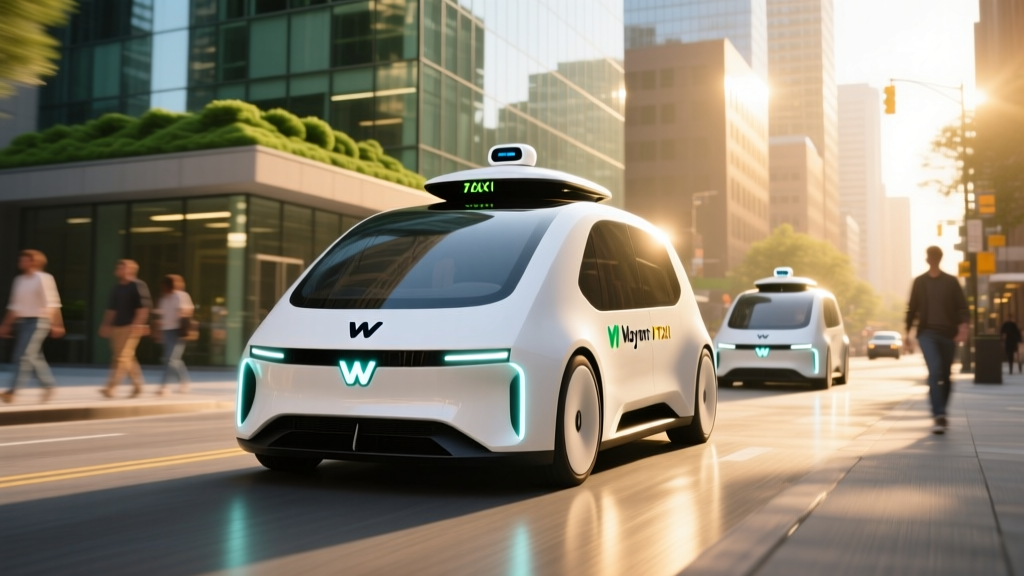
| Waymo One | Jaguar I-PACE / Zeekr M-Vision | Phoenix metro, San Francisco, Los Angeles, Austin, parts of Atlanta | 24/7 in core zones | Open app, no waitlist in most zones |
| Cruise | Chevrolet Bolt EV / Cruise Origin | Phoenix, Austin, Houston (relaunch post-2024 pause) | Limited hours, phased | Waitlist in most cities |
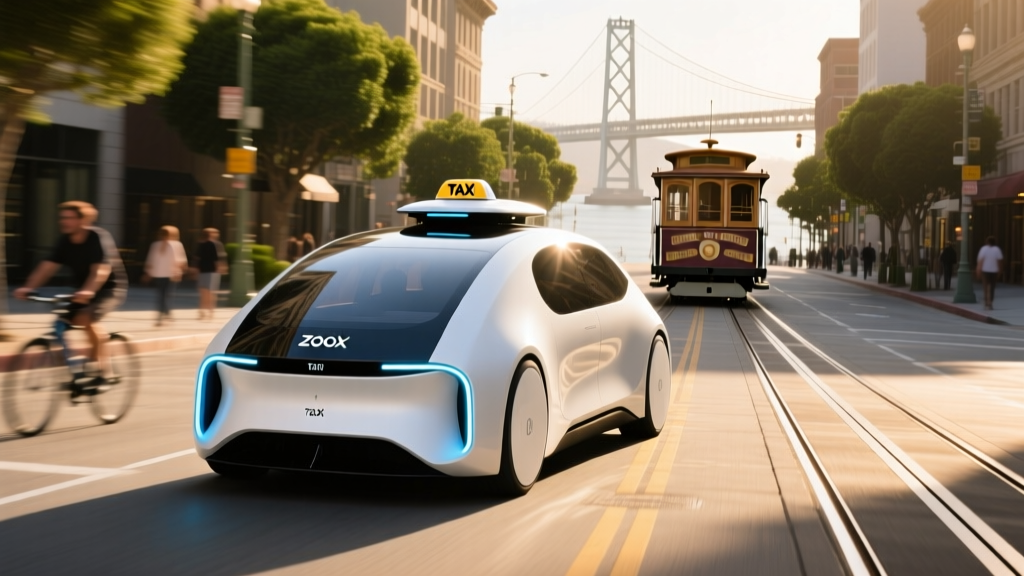
| Zoox | Zoox purpose-built carriage | Las Vegas (Strip corridor), Foster City, CA (pilot) | Limited hours | Invite / pilot program |
| Motional (Hyundai/Aptiv) | IONIQ 5 robotaxi | Las Vegas (Uber/Lyft integration) | Limited hours | Via rideshare apps |
If you live outside these metros, the answer to "when will autonomous cars be available to me" is realistically 2028 or later for Level 4 hail service, and likely never as a personal vehicle you own, given liability and mapping requirements.
Tech Stack: Lidar, Cameras, and the Geofence
Every operational Level 4 robotaxi in 2026 uses a multi-sensor stack — the camera-only approach remains unproven for unsupervised driverless service. Waymo's fifth-generation hardware, for example, combines:
- Lidar: 360° spinning roof unit plus short-range corner units; builds a centimeter-accurate 3D point cloud out to ~250 meters.
- Cameras: 8+ high-dynamic-range imagers for traffic-light state, signage, and object classification.
- Radar: Imaging radar for velocity measurement of moving objects and adverse-weather redundancy.
- HD maps + geofence: Pre-scanned centimeter-level maps of every operational street. The vehicle will not enter unmapped territory.
- Remote assistance: A human fleet operator can be consulted (not remotely driven) for edge cases like construction-zone detours.
Compare that to Tesla's vision-only FSD, which remains Level 2 and requires driver supervision. The sensor redundancy in Waymo's stack is a primary reason NHTSA has treated these deployments differently from consumer driver-assist systems.
How Much Does a Robotaxi Cost vs. Uber or Lyft?
Robotaxi pricing in 2026 is designed to undercut rideshare on short urban trips and roughly match it on mid-length rides, while long airport runs often cost more due to geofence limitations.
| Route | Distance | Waymo One | UberX | Notes |
|---|---|---|---|---|
| Downtown SF → Mission | 3 mi | $9–$13 | $12–$17 | Waymo usually wins short hops |
| Phoenix Sky Harbor → Scottsdale | 9 mi | $22–$28 | $24–$32 | Comparable; Waymo no tip expected |
| LAX → Santa Monica | 14 mi | $38–$48 | $35–$50 | Highway portions narrow gap |
| Austin downtown → airport | 8 mi | $20–$26 | $22–$30 | Waymo airport access approved 2025 |
Two structural differences matter: robotaxis don't accept tips (saving 15–20%), and they don't surge-price during peak demand the way Uber/Lyft do. On the flip side, you can't request a specific route, add multiple stops, or hail outside the geofence.
Safety Record: What the Data Actually Shows
Robotaxi operators in 2026 are required to report disengagements, collisions, and unusual incidents to state regulators (California's DMV Autonomous Vehicle Program) and to NHTSA's Standing General Order for crash reporting.
- Cumulative fully driverless miles: >10 million across Phoenix, SF, LA, Austin.
- Published comparison vs. human benchmarks: ~85% fewer injury-causing crashes per million miles than human drivers in comparable urban environments (Waymo / Swiss Re partnership study).
- At-fault collisions involving pedestrians or cyclists: extremely rare; most reported contacts are low-speed rear-ends where the robotaxi was the struck vehicle.
- Cruise's 2023 San Francisco pedestrian-drag incident (post-tow-by-human-driver) triggered a statewide permit suspension; phased 2025–2026 relaunch under tighter hours and reporting.
Context matters: robotaxi miles are driven in mapped, lower-speed urban corridors with redundant sensors — not rural two-lane roads or unmapped suburbs. Comparing per-million-mile rates to all U.S. driving mixes very different environments.
Who Approves Robotaxi Operations?
The U.S. has no single federal robotaxi license. Instead, a layered framework determines where a service can run:
- Federal (NHTSA): Sets vehicle safety standards (FMVSS), issues exemptions for vehicles without steering wheels (e.g., Zoox, Cruise Origin), and runs crash reporting via Standing General Order.
- State DMVs / PUCs: California's DMV issues testing permits and the CPUC issues paid-deployment permits. Arizona, Texas, and Nevada take a lighter-touch approach, allowing commercial driverless service with fewer filings.
- City / county: Local control over curb access, airport permits, and emergency-services coordination. San Francisco's Board of Supervisors has pushed for caps and hours restrictions; Phoenix has been broadly permissive.
This patchwork is why the same operator can run 24/7 in Phoenix while running restricted hours a few hundred miles away in San Francisco. Any "nationwide rollout" headline should be read skeptically until city-by-city permits are confirmed.
Current Limitations: What Robotaxis Still Can't Do
- Geofence boundaries: The car will refuse a ride outside its mapped zone, even if the destination is one block past the boundary.
- Heavy weather: Dense fog, heavy snow, and torrential rain trigger service slowdowns or shutdowns. This is why Phoenix and LA lead while Chicago and Boston lag.
- Construction zones: Temporary lane shifts and unmapped detours often require remote-assistant intervention, adding minutes to a trip.
- Unprotected left turns: Still a high-complexity maneuver; expect the car to take conservative, sometimes frustratingly long gaps.
- Emergency vehicles: Improved since 2023, but pull-over behavior in dense urban traffic can still be hesitant.
- No personal items left behind: Without a driver, retrieval is a customer-support call and a repositioning fee.
- Accessibility: Waymo's I-PACE fleet is not wheelchair-ramp accessible; Zoox's carriage is designed for it but is still limited to pilot zones.
Is This Truly Self-Driving or Just Driver-Assist?
The short answer: Level 4 robotaxis from Waymo, Cruise, and Zoox are truly driverless within their geofence — no human in the driver's seat, no expectation you'll take over. Level 2 systems like Tesla Autopilot, FSD (Supervised), GM Super Cruise, and Ford BlueCruise are driver-assist. You remain the driver, legally and physically, even when the system is steering and braking.
Marketing has blurred this line for years. As a practical test: if the vehicle has a steering wheel and you're allowed to sit in the driver's seat, assume you are responsible. If the vehicle has no driver's seat at all (Zoox, Cruise Origin) or you're sitting in the back of a Waymo with the front seats empty, that's Level 4.
Frequently Asked Questions
When will autonomous cars be available to buy for personal use?
No Level 4 personal vehicle is on sale to consumers in 2026. Mercedes-Benz DRIVE PILOT offers Level 3 in Nevada and California, but only in approved traffic-jam conditions under 40 mph on specific highways, and only on the S-Class and EQS with the option. True go-anywhere Level 5 personal ownership is not on any credible near-term roadmap.
Can I hail a Waymo outside Phoenix or San Francisco?
As of 2026, Waymo One operates driverless paid service in Phoenix, San Francisco, Los Angeles, Austin, and portions of Atlanta. Expansion to Miami and additional cities has been announced but is not yet live. Always check the Waymo app's service map for your exact pickup point.
How safe are robotaxis compared to a human Uber driver?
Per published partnership data (Waymo / Swiss Re) and state DMV reports, driverless robotaxis show significantly lower injury-crash rates per million miles than human urban drivers, though the comparison environments differ. Most at-fault robotaxi incidents are low-speed property-damage contacts, not injury crashes.
Do robotaxis work in rain or snow?
Light rain: yes. Heavy rain, fog, or any snow: service is reduced or paused entirely. This is the main reason Level 4 deployments remain concentrated in the Sun Belt.
Why isn't Tesla's FSD considered a robotaxi?
Tesla FSD (Supervised) remains an SAE Level 2 driver-assist system. The driver must remain attentive and is legally liable. Tesla has discussed a future unsupervised robotaxi service, but as of 2026 no paid driverless Tesla service is operational or approved by regulators.
What happens if a robotaxi gets into a crash?
The operator (Waymo, Cruise, Zoox) carries commercial insurance and assumes liability for the vehicle's operation. State regulators and NHTSA require incident reporting, and serious events can trigger permit suspensions — as occurred with Cruise in California in late 2023.