The Real Question Behind Waymo Value
If you've opened the Waymo One app in Phoenix, San Francisco, or Los Angeles, you've probably noticed the fare sitting somewhere between an UberX and an Uber Black ride — and wondered whether paying a premium (or catching a discount) for a vehicle with nobody behind the wheel actually makes sense. That's the core of the Waymo value question in 2026: not whether the technology works, but whether the economics, safety record, and convenience justify choosing a Level 4 robotaxi over a human-driven rideshare.
After tracking Waymo's commercial operations since the early Phoenix pilot days, and comparing fares, wait times, and incident data across multiple cities, here's what the numbers actually show.
SAE Automation Levels: Where Waymo Sits
Before evaluating cost or safety, it's essential to understand what Waymo actually is — and what it isn't. Consumer vehicles like Tesla's FSD (Supervised), GM's Super Cruise, and Ford's BlueCruise are SAE Level 2 driver-assist systems. The driver must remain engaged, hands on or near the wheel, eyes on the road. Those systems are not self-driving.
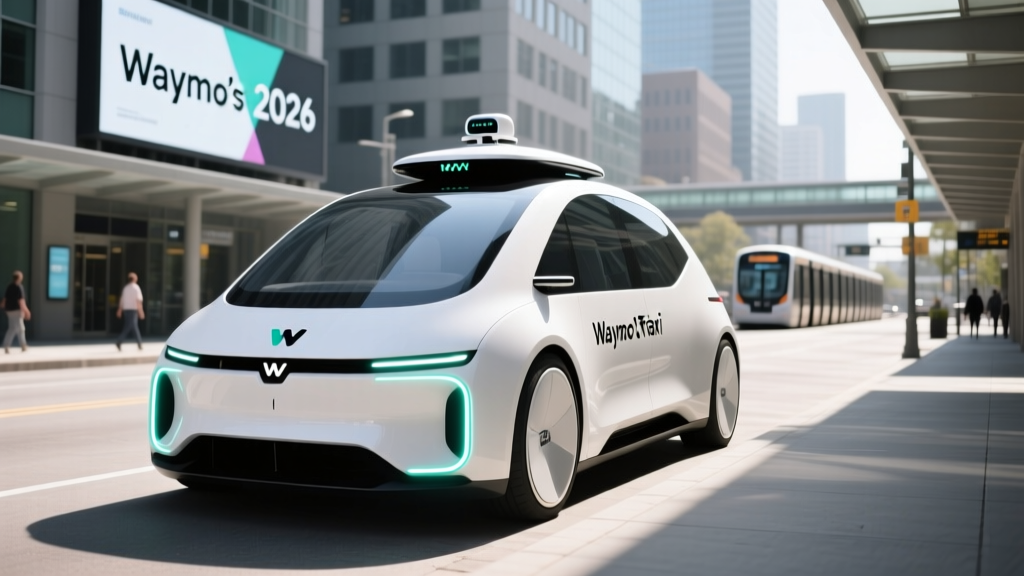
Waymo One operates as a SAE Level 4 service — fully driverless within a defined operational design domain (geofenced area, approved weather conditions, mapped routes). There is no human driver in the vehicle, no steering wheel intervention expected from passengers, and a remote assistance team available for edge cases.
Level 4 (Waymo, Zoox): No driver needed in approved zones. The system handles all driving tasks and can safely pull over if it encounters a scenario it can't manage. You're a passenger.
Level 2 (Tesla FSD Supervised, GM Super Cruise, Ford BlueCruise): The human driver is legally responsible. The system assists with steering and speed but requires constant supervision. You're still the driver.
Where Can You Use Waymo One Right Now?
Waymo's commercial service footprint has expanded steadily, but it remains metro-specific. As of early 2026, here are the confirmed operational areas:
| Metro Area | Service Status | Coverage Notes |
|---|---|---|
| Phoenix, AZ | Fully operational | Largest coverage area (~225+ sq mi), including Chandler, Tempe, Mesa, Scottsdale, Sky Harbor airport service |
| San Francisco, CA | Fully operational | City-wide coverage, 24/7 service, SFO airport rides available |
| Los Angeles, CA | Fully operational | Downtown LA, Hollywood, Santa Monica, Westside corridors expanding |
| Austin, TX | Operational (expanding) | Central Austin zones, ongoing geofence expansion |
Waymo has also announced testing and planned expansion into additional metros, but announced service is not live service. If you can't open the app and request a ride in your city today, it's not yet available — regardless of press releases about future plans.
Waymo Pricing vs. Uber and Lyft: The Fare Breakdown
Waymo's pricing model is dynamic, similar to rideshare — fares fluctuate based on demand, distance, and time of day. Based on aggregated fare data and user reports across Phoenix and San Francisco in late 2025 and early 2026, here's how Waymo One typically compares:
| Metric | Waymo One | UberX | Lyft Standard |
|---|---|---|---|
| Base fare (typical) | $5.00–$7.50 | $3.50–$5.50 | $3.75–$5.75 |
| Per-mile rate | $1.15–$1.60 | $0.95–$1.40 | $0.90–$1.35 |
| Per-minute rate | $0.20–$0.30 | $0.15–$0.28 | $0.14–$0.26 |
| 5-mile trip (off-peak, estimated) | $13–$18 | $10–$15 | $10–$14 |
| 10-mile trip (off-peak, estimated) | $22–$30 | $17–$25 | $16–$24 |
| Surge/peak pricing | Moderate (1.2x–1.8x) | Aggressive (1.5x–3.5x) | Aggressive (1.5x–3.0x) |
| Tipping | Optional (in-app) | Expected ($2–$5+) | Expected ($2–$5+) |
Key takeaway on Waymo value: On a straight fare comparison, Waymo typically runs 10–25% higher than UberX or Lyft for equivalent off-peak trips. However, Waymo's surge pricing tends to be less extreme during peak demand, and there's no social pressure to tip a driver — which for many riders narrows or eliminates the cost gap. A $16 UberX ride with a $3 tip becomes $19; a comparable Waymo ride might be $17–$18 with no tip expected.
Waymo also periodically offers promotional pricing and loyalty discounts for repeat riders in specific markets, which can bring fares at or below rideshare levels during promotional windows.
Safety Record: What the Data Actually Shows
Safety is where the Waymo value proposition either holds up or falls apart. If a robotaxi costs more but is meaningfully safer, the premium is easier to justify. If the safety record is mixed, the value equation shifts.
- Total autonomous miles driven: Over 40 million fully driverless miles completed (as of late 2025 reporting, per NHTSA filings and Waymo safety reports)
- Injury-critical crash rate: Waymo's published analysis (peer-reviewed methodology) showed an 85% reduction in injury-critical crashes compared to human benchmarks in comparable operating environments
- Police-reported crash rate: Approximately 57% lower than human drivers in the same geographies, per Waymo's comparison against NHTSA benchmark data
- Contact rate: Most reported incidents involve very low-speed contact (under 10 mph), often with other human-driven vehicles rear-ending or sideswiping the Waymo vehicle
Waymo has been involved in publicized incidents — including collisions with pedestrians near crosswalks and encounters with improperly parked emergency vehicles. These are taken seriously and reported to NHTSA as required for Level 4 operations. However, the per-million-mile incident rate remains lower than human driver benchmarks in the same urban environments.
For context, the NHTSA Fatality Analysis Reporting System (FARS) data shows that human drivers in the US experience approximately 1.35 fatalities per 100 million vehicle miles traveled. Waymo has reported zero passenger fatalities across its commercial operations. The sample size is still far smaller than the national driving population, but the directional signal is strong.
You can review Waymo's published safety performance data and methodology on their transparency reports, and cross-reference incident reports via NHTSA's Standing General Order for ADS incident reporting.
Under the Hood: Waymo's Technology Stack
Understanding the technology helps explain both the capabilities and the limitations — which directly affect the value you're getting for your fare.
6th-Generation Waymo Driver System
The current fleet primarily uses Jaguar I-PACE vehicles equipped with Waymo's integrated sensor suite:
- LiDAR: Multiple roof-mounted and bumper-mounted LiDAR units providing 360° 3D mapping up to 500+ meters. LiDAR works in darkness and most weather conditions, generating real-time point clouds of the environment.
- Cameras: High-resolution camera arrays covering 360° with optimized performance in varying light conditions — reading traffic signals, detecting pedestrian gestures, identifying construction zones.
- Radar: Imaging radar units for velocity detection of moving objects, functioning reliably in rain, fog, and other conditions where cameras and LiDAR degrade.
- HD Mapping: Waymo vehicles don't navigate purely from real-time sensors. They rely on centimeter-precision pre-built maps of every operational street, updated continuously. This is why geofencing is a hard constraint — the car will not operate where it hasn't mapped.
- Compute: Custom-designed onboard computing platform processing sensor fusion, prediction models, and planning algorithms in real time with redundant systems.
Camera-only vs. multi-sensor: Unlike Tesla's vision-only approach for FSD, Waymo's stack is deliberately redundant. If one sensor modality degrades (e.g., camera glare at sunset), LiDAR and radar provide overlapping coverage. This multi-sensor approach is more expensive per vehicle but contributes to the safety record.
Current Limitations: Where Waymo Can't Go (Yet)
The honest assessment of Waymo value requires understanding what you can't do with the service today:
- Geofencing: Waymo operates only within pre-mapped, approved zones. Request a ride to an address outside the geofence and the app simply won't let you. Suburban fringes, rural roads, and unmapped areas are inaccessible.
- Weather: Heavy rain, fog, snow, and dust storms degrade sensor performance. Waymo will limit or suspend service during severe weather — exactly when you might need a ride most. Phoenix's dry climate is an advantage; San Francisco fog can occasionally cause delays.
- Highway driving: Waymo's 6th-gen system has expanded highway capability on select freeway segments (e.g., Phoenix airport runs), but coverage is route-specific, not universal. Long interstate trips are not available.
- Complex construction zones: While Waymo handles routine construction with updated mapping, rapidly changing or poorly marked construction zones can cause the vehicle to pull over safely and request remote assistance — adding time to your trip.
- Passenger capacity: Current vehicles seat up to 3 passengers (rear seat only — no front passenger seat access). Large groups or significant luggage may require a traditional rideshare with a larger vehicle option.
- No stops: You cannot add intermediate stops to a Waymo trip the way you can with Uber. It's point A to point B only.
- Accessibility: Waymo has deployed WAV (wheelchair-accessible vehicle) options in select markets, but availability is limited compared to standard vehicles and wait times can be longer.
The Regulatory Framework: Who Approves Robotaxi Operations
Waymo doesn't simply decide where to operate — it requires approval from multiple regulatory layers:
Federal level: The National Highway Traffic Safety Administration (NHTSA) sets vehicle safety standards and requires incident reporting under the Standing General Order for all ADS-equipped vehicles. NHTSA does not currently "approve" robotaxi services in the way it certifies vehicles, but it has investigative authority and can compel recalls or operational changes.
State level: This is where most operational approval happens. In California, the California Public Utilities Commission (CPUC) and the California DMV both play roles — the DMV issues testing and deployment permits, while the CPUC regulates commercial passenger service. In Arizona, the regulatory environment has been notably permissive, with the state DOT and governor's office enabling early commercial operations. Texas and other expansion states have their own legislative frameworks for ADS operations.
Local level: City governments, police departments, and fire agencies coordinate with Waymo on operational protocols — how vehicles respond to emergency scenes, interact with traffic enforcement, and handle local road peculiarities. This local coordination is a major reason expansion happens city-by-city rather than state-by-state.
Is the Waymo Value Proposition Worth It? A Decision Framework
Choose Waymo One if:
- You value consistent, predictable driving behavior over speed — Waymo vehicles are deliberate and cautious, which some riders prefer and others find frustrating
- You want to avoid surge pricing spikes during peak hours (Waymo surges less aggressively)
- You prefer not to interact with a driver or worry about tipping
- Safety data matters to you and you're willing to pay a modest premium for a lower per-mile incident rate
- Your trip is within the geofenced zone and doesn't require intermediate stops
Stick with Uber/Lyft if:
- You need flexibility — stops along the route, larger vehicles, suburban/exurban destinations outside the geofence
- Cost is the primary factor and you're riding off-peak when rideshare fares are lowest
- You're traveling in weather conditions that might cause Waymo service suspensions
- You need airport service at a location where Waymo hasn't yet secured airport access agreements
Frequently Asked Questions
Is Waymo truly self-driving, or is there a remote human controlling it?
Waymo vehicles drive themselves autonomously — there is no human remotely "joystick-driving" the car in real time. However, a remote assistance team is available to help the vehicle's AI when it encounters an ambiguous situation (e.g., an unusual construction pattern). The remote team provides guidance or confirmation, not continuous steering. This is a key distinction from teleoperation, and it's part of what defines SAE Level 4.
How much does a typical Waymo ride cost compared to my own car?
A 10-mile Waymo trip typically costs $22–$30 off-peak. For comparison, the AAA estimates the average cost of vehicle ownership at roughly $0.65–$0.75 per mile (including depreciation, fuel/charging, insurance, maintenance). So 10 miles in your own EV costs approximately $6.50–$7.50 in total ownership cost. Waymo is substantially more expensive per trip than driving yourself — the value proposition is convenience and not needing to own a car, not cost-per-mile parity with personal ownership.
Can I use Waymo if I'm visiting from out of town?
Yes. Waymo One is available to anyone who downloads the app and creates an account, regardless of residency. You don't need to live in the service city. Tourists in Phoenix, San Francisco, Los Angeles, and Austin use the service regularly, especially for airport transfers where Waymo has access.
What happens if the Waymo vehicle gets into a situation it can't handle?
The vehicle will pull over safely (or stop in place if pulling over isn't immediately possible) and contact Waymo's remote assistance team. The team evaluates the situation and provides guidance — the vehicle then resumes its trip or, in rare cases, Waymo dispatches roadside support. Passengers can also contact support directly through the in-vehicle screen or app at any time.
Does Waymo operate at night?
Yes. In Phoenix and San Francisco, Waymo One operates 24/7. The multi-sensor stack (LiDAR, radar, cameras) functions in darkness, and Waymo's nighttime safety data has shown strong performance relative to human drivers, who face significantly elevated risk in nighttime driving conditions.
How does Waymo handle car seats and child passengers?
Waymo currently does not provide car seats, and children under a certain age/height may not be permitted to ride without appropriate restraints. Check Waymo's current rider policies in the app before booking with young children — this is a notable limitation for families compared to rideshare options where you can bring your own car seat or request a vehicle with one.