Las Vegas Robotaxis Are Live — Here's What You Need to Know
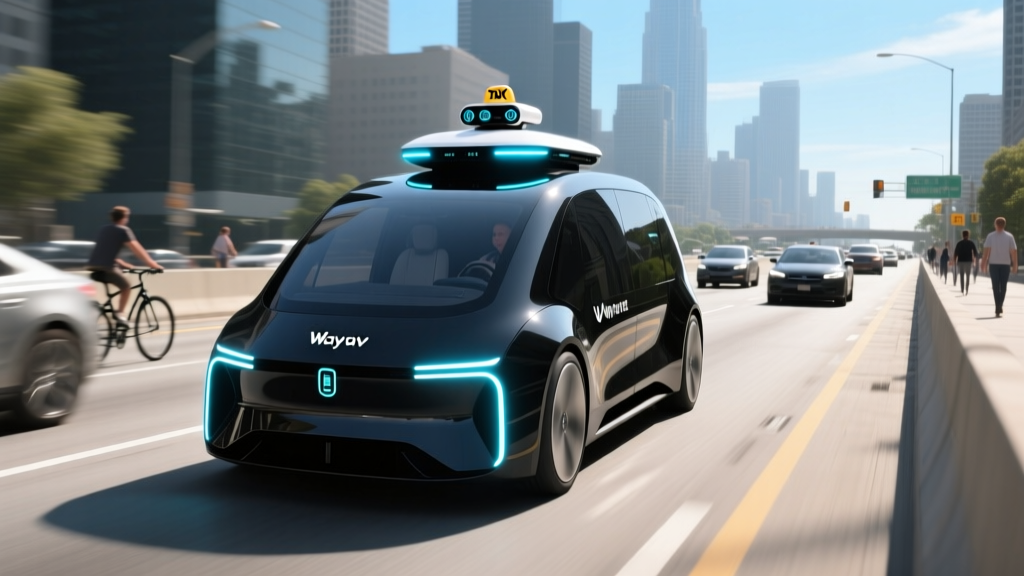
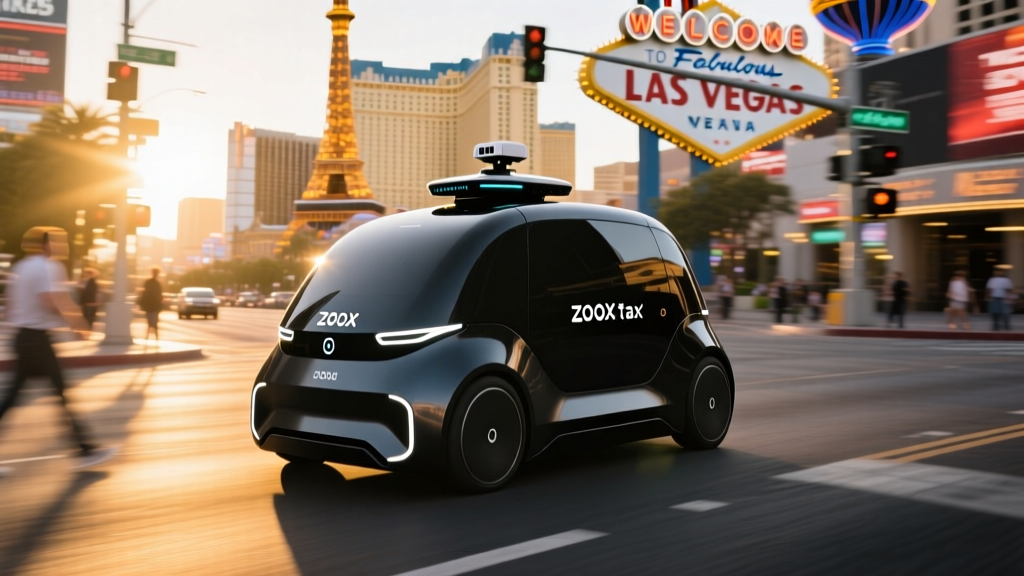
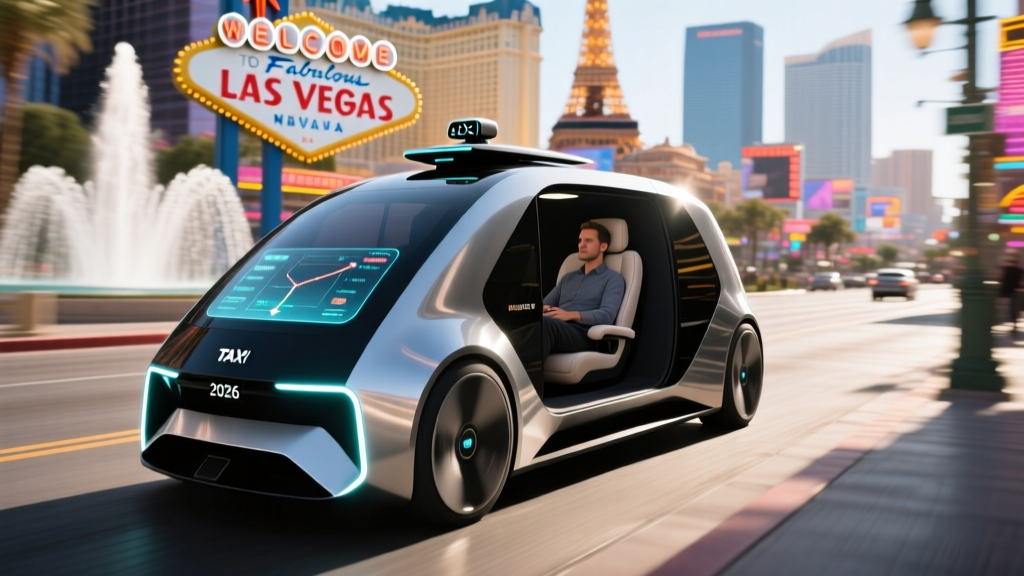
If you've searched for a driverless car Vegas experience, you're not alone. Las Vegas has become one of the most visible proving grounds for autonomous ride-hailing in the United States. Waymo, Alphabet's self-driving subsidiary, launched its commercial robotaxi service on the Las Vegas Strip and surrounding corridors after an extensive testing and mapping period. Unlike consumer driver-assist systems you might buy in a Tesla or Ford, these vehicles operate without anyone behind the wheel — a fundamentally different class of automation.
This guide breaks down exactly where you can hail a driverless car in Vegas right now, what it costs, how the technology works, and the real limitations you'll encounter. No hype, no speculation — just the operational facts as they stand today.
Is a Vegas Robotaxi Truly Self-Driving? The SAE Level Matters
Before booking a ride, it's critical to understand the distinction between the driver-assist features in consumer vehicles and a commercial robotaxi. Consumer systems like Tesla's FSD (Supervised), GM's Super Cruise, and Ford's BlueCruise are all SAE Level 2 — meaning a human driver must remain engaged, hands on or near the wheel, ready to take over at any moment. These are not self-driving.
Waymo's robotaxis operating in Las Vegas are SAE Level 4 — high automation within a defined operational design domain (ODD). There is no human driver in the vehicle. The system handles all driving tasks within its geofenced service area, and if it encounters a situation it cannot handle, it executes a minimal risk maneuver (typically pulling over safely) rather than handing control to a passenger.
| Level | Name | Who Drives? | Example |
|---|---|---|---|
| Level 2 | Partial Automation | Human (always) | Tesla Autopilot/FSD, BlueCruise |
| Level 3 | Conditional Automation | System (in narrow conditions), human on standby | Mercedes DRIVE PILOT (limited markets) |
| Level 4 | High Automation | System (within geofence/ODD), no human needed | Waymo One, Zoox |
| Level 5 | Full Automation | System (everywhere, all conditions) | Does not yet exist commercially |
The takeaway: when you step into a Waymo vehicle on the Las Vegas Strip, you are riding in a Level 4 autonomous vehicle. There is no steering wheel intervention available to you, and none is expected.
Where Can You Ride a Driverless Car in Vegas Right Now?
Waymo's Las Vegas service area covers a carefully mapped geofence that includes the major tourist and commercial corridors. The service is not available everywhere in the Las Vegas valley — it operates within defined boundaries that the company has validated through millions of miles of mapping and testing.
| Zone | Coverage Status | Notes |
|---|---|---|
| Las Vegas Strip (main corridor) | ✅ Active | Major resort pickup/dropoff points |
| Downtown / Fremont Street | ✅ Active | Covered within geofence |
| Harry Reid International Airport (LAS) | ✅ Active | Designated pickup zones |
| Convention Center | ✅ Active | LVCC and surrounding area |
| Suburban Henderson / Summerlin | ❌ Not covered | Outside current geofence |
| Red Rock Canyon / Mt. Charleston | ❌ Not covered | Unmapped, rural terrain |
To hail a ride, download the Waymo One app (available on iOS and Android), create an account, and enter your pickup and dropoff locations. If both points fall within the active geofence, the app will confirm your ride and dispatch a vehicle — typically a Jaguar I-PACE equipped with Waymo's 5th-generation Driver sensor suite, or the newer custom-built Geely Zeekr robotaxi vehicle that Waymo has been deploying in expanding markets.
Wait times in the core Strip area typically range from 3 to 8 minutes during non-peak hours, though evenings and major convention weekends can push waits to 12–15 minutes. The vehicle pulls up, you confirm your ride via a screen on the exterior or through the app, and the doors unlock automatically.
What Does a Vegas Robotaxi Cost vs. Uber and Lyft?
One of the most common questions from visitors is whether a driverless ride is cheaper than a traditional rideshare. The answer depends on distance, time of day, and demand — but in general, Waymo pricing in Las Vegas is competitive with UberX and Lyft Standard, and often slightly lower during non-surge periods.
| Route (approx.) | Waymo One | UberX | Lyft Standard |
|---|---|---|---|
| Airport → Strip (4 mi) | $14–$19 | $15–$24 | $14–$22 |
| Strip → Downtown (5 mi) | $12–$17 | $13–$20 | $12–$18 |
| Within Strip (2 mi) | $8–$12 | $9–$15 | $8–$14 |
| Convention Center → Airport (6 mi) | $16–$22 | $17–$28 | $16–$25 |
Prices are estimated ranges based on typical conditions. Uber and Lyft prices can surge 1.5x–3x during peak demand; Waymo currently uses more moderate dynamic pricing. Actual fares vary.
A notable advantage: Waymo does not currently apply the aggressive surge multipliers that Uber and Lyft deploy during major events (CES, March Madness, New Year's Eve). While Waymo's prices do increase during high demand, the ceiling tends to be lower. On a Saturday night after a major show, you might see an UberX quote spike to $45 for a 3-mile Strip hop, while Waymo remains in the $18–$25 range.
Tipping is not required or expected in a Waymo vehicle — there's no driver to tip. The app does offer an option to leave a gratuity that goes toward the vehicle cleaning and operations crew, but it's entirely optional.
How Safe Are Vegas Robotaxis? The Real Data
Safety is the number-one concern for first-time robotaxi riders, and it deserves a data-driven answer rather than marketing reassurances. Waymo publishes periodic safety reports and has shared data with regulatory bodies including the National Highway Traffic Safety Administration (NHTSA).
- 30+ million fully autonomous (no-driver) miles completed across all U.S. markets
- Contact rate: Waymo vehicles were involved in police-reported contact events at a rate approximately 85% lower than human benchmark drivers for comparable urban trips, per Waymo's published safety analysis
- Injury severity: The vast majority of contact events involved low-speed, low-severity incidents (e.g., being rear-ended at a stop or minor sideswipe), with a significantly lower rate of injury-causing crashes compared to human drivers
- Las Vegas-specific: No fatal incidents reported in the Las Vegas operational area during commercial service
Sources: Waymo Safety Reports, NHTSA
Context matters here. Robotaxis operate in dense urban environments where low-speed contacts (bumping a cone, scraping a parked car) are common even for human drivers. The relevant metric is serious-injury and fatal crash rates per million miles, and on those measures, Waymo's data shows performance that is at least comparable to — and by their published analysis, substantially better than — attentive human drivers in similar environments.
That said, robotaxis are not flawless. There have been documented incidents across the industry (including competitors like Cruise, which suspended operations in late 2023 after a serious incident in San Francisco) involving vehicles stopping unexpectedly in travel lanes, failing to recognize certain construction-zone configurations, or interacting poorly with emergency vehicles. Waymo has addressed many of these through software updates, but edge cases remain a reality of the technology.
Under the Hood: The Technology Stack Powering Vegas Robotaxis
Waymo's approach to autonomy is sensor-rich and redundancy-heavy — a stark contrast to Tesla's camera-only strategy for its consumer FSD system. Understanding the tech stack helps explain both the capabilities and the limitations.
Sensor Suite (5th-Gen Waymo Driver)
- LiDAR: Multiple roof-mounted and body-integrated LiDAR units creating a 360° 3D point cloud of the vehicle's surroundings, effective to ~500 meters. LiDAR provides precise distance measurement regardless of lighting conditions — critical for nighttime Strip driving.
- Cameras: High-resolution camera array covering all directions, used for object classification (pedestrian vs. cyclist vs. vehicle), traffic-light state detection, and lane-reading.
- Radar: Forward and corner-mounted radar units for velocity measurement of surrounding objects, particularly useful in heavy rain where LiDAR and camera performance can degrade.
- Audio detection: Microphone arrays that detect emergency vehicle sirens and adjust behavior accordingly (pulling over when an ambulance approaches).
Software Architecture
- HD Mapping: Waymo pre-maps every inch of its geofenced service area at centimeter-level precision. The vehicle always knows exactly where it is relative to lane markings, curbs, and intersections — it is not "figuring out" the road in real time the way a consumer Level 2 system does.
- Perception + Prediction: Machine learning models classify every detected object and predict its likely future trajectory (e.g., a pedestrian near a crosswalk is predicted to potentially step into the road).
- Planning: The planning system generates a safe, comfortable trajectory based on perception, prediction, and the HD map — updated multiple times per second.
Why Geofencing Matters
The HD-map dependency is why Waymo cannot simply "drive anywhere." Every road in the service area must be mapped, validated, and updated when construction or lane changes occur. This is both the system's greatest strength (extremely detailed environmental awareness) and its greatest constraint (expansion requires physical mapping campaigns, not just a software download).
The Jaguar I-PACE vehicles in the Waymo fleet use an 84 kWh battery pack (NMC chemistry) with an EPA range of approximately 234 miles in stock form, though Waymo's sensor and compute load reduces effective range. Vehicles cycle through charging at dedicated depots, typically using 150+ kW DC fast charging to replenish from 10–80% in roughly 25 minutes.
Regulatory Landscape: Who Approves Robotaxis in Nevada?
Autonomous vehicle operations in Nevada are governed by a combination of state law and regulatory oversight. Nevada was actually one of the first states to pass autonomous vehicle legislation (AB 511 in 2011), creating a framework for testing and deployment.
Key regulatory facts for Las Vegas robotaxi operations:
- Nevada DMV issues autonomous vehicle testing and deployment permits. Companies must demonstrate minimum testing mileage, insurance coverage, and safety protocols before receiving a commercial deployment permit.
- Insurance requirements: Nevada mandates a minimum of $5 million in liability coverage for autonomous vehicle operators — significantly higher than standard personal auto policies.
- NHTSA oversight: At the federal level, NHTSA retains authority over vehicle safety standards. Robotaxi operators must report certain crash incidents under NHTSA's Standing General Order for automated driving systems.
- Local coordination: The City of Las Vegas, Clark County, and the Nevada Department of Transportation all play roles in permitting pickup/dropoff zones, particularly on the Strip and at the airport.
Unlike some states where regulatory ambiguity has slowed deployment, Nevada's framework has been relatively permissive for commercial robotaxi operations — provided the operator meets safety and insurance thresholds. For details on Nevada's current autonomous vehicle statutes, the Nevada DMV's Autonomous Vehicle page is the authoritative source.
Current Limitations: What Vegas Robotaxis Can't Do (Yet)
Riding in a driverless car on the Strip is genuinely impressive, but the technology has real-world constraints that every rider should understand before booking.
Operational Constraints
- Geofence boundaries: If your destination falls outside the mapped service area, the app will not let you book the ride. You cannot override this — the vehicle physically will not drive into unmapped territory.
- Weather sensitivity: While Las Vegas is mostly dry, the rare heavy monsoon rain can trigger service slowdowns or temporary suspension. The sensor suite handles light rain well, but torrential downpours and flash-flood conditions can overwhelm perception systems. Waymo has historically paused service in severe weather events.
- Construction zones: Major roadwork with shifted lanes, temporary barriers, and flaggers can confuse the system. Waymo's mapping team updates routes regularly, but sudden overnight construction changes can lead to conservative routing or ride cancellations until the area is remapped.
- Special events and road closures: During events like the Las Vegas Grand Prix or New Year's Eve Strip closures, large sections of the geofence may become temporarily unavailable due to road closures and altered traffic patterns.
- No highway service (limited): Waymo's Las Vegas operations primarily cover surface streets. While some highway segments within the geofence may be included, long-distance highway trips (e.g., to Hoover Dam or the Grand Canyon) are not available.
- Parking structure navigation: Vehicles will drop you at the curb — they do not navigate into parking garages or valet areas at resorts. You may need to walk from a designated dropoff point to your hotel's entrance.
Rider Experience Constraints
- No custom stops: You cannot ask the vehicle to stop at a convenience store or make a detour. The route is determined by the system.
- Passenger limits: Typically 2–3 passengers per vehicle depending on the vehicle platform. No car seats available.
- Accessibility: Waymo has been deploying wheelchair-accessible vehicles in some markets, but availability in Las Vegas may be limited. Check the app for current accessibility options.
Should You Try a Driverless Car in Vegas?
If you're visiting Las Vegas and your trip stays within the Strip, Downtown, Convention Center, and airport corridor, a Waymo robotaxi is a practical, safe, and competitively priced transportation option — not just a novelty. The pricing undercuts Uber surge periods, the safety data is strong, and the experience of riding in a truly driverless vehicle through one of the world's busiest tourist corridors is genuinely memorable.
If your plans include suburban visits, day trips outside the valley, or travel during major road-closure events, you'll still need a traditional rideshare or rental car for those segments.
- You're traveling between Strip hotels, Downtown, the airport, or the Convention Center
- You want predictable pricing without extreme surge multipliers
- You're comfortable with technology and don't need a human driver for reassurance
- Your destination is outside the core tourist geofence (Henderson, Summerlin, Boulder City)
- You need multi-stop trips or flexibility to change plans mid-ride
- You're traveling during a major event with extensive road closures
Frequently Asked Questions
Do I need a special account to ride a Waymo robotaxi in Las Vegas?
Just the standard Waymo One app, available free on iOS and Android. You'll need a valid payment method and to be at least 18 years old to create an account. Riders under 18 must be accompanied by an adult account holder.
Can I ride a driverless car from the Las Vegas airport?
Yes. Harry Reid International Airport (LAS) is within Waymo's Las Vegas geofence, with designated pickup areas. Follow the app's directions to the robotaxi pickup zone after collecting your luggage.
What happens if the Waymo vehicle encounters a problem during my ride?
The vehicle is monitored remotely by Waymo's operations team. If the system encounters a situation it cannot resolve, it will execute a safe stop (pulling to the curb or stopping in place with hazard lights). You can contact Waymo support via the in-app help button or the in-vehicle intercom at any time.
Are Waymo robotaxis available 24/7 in Las Vegas?
Waymo's Las Vegas service operates nearly around the clock, though there may be brief windows during overnight hours when fleet vehicles cycle through depot charging and cleaning. Availability is highest from early morning through late night.
How is this different from Tesla's Full Self-Driving?
Tesla FSD (Supervised) is an SAE Level 2 driver-assist system — a human driver must remain fully engaged and is legally responsible for the vehicle at all times. Waymo's robotaxi is SAE Level 4 — there is no human driver, and the system is responsible for all driving within its operational domain. They are fundamentally different categories of technology, despite both using the word "self-driving" in marketing.
What vehicle will pick me up?
Most Waymo rides in Las Vegas are completed in the Jaguar I-PACE, a fully electric SUV with Waymo's sensor array visibly mounted on the roof and body. Waymo has also begun deploying its custom Zeekr-built robotaxi vehicle in newer markets, which features a lower floor, sliding doors, and no steering wheel.