Why Tesla Model 3 Collision Repair Costs More Than You Expect
A fender bender in a 2018 Toyota Camry might mean a new bumper cover, a fresh coat of paint, and $800 at the body shop. The same low-speed impact in a 2026 Tesla Model 3 can trigger a cascade of sensor replacements, camera recalibrations, and radar alignments that push the bill past $3,000 — even when structural damage is minimal. The reason is not the aluminum or the battery; it is the dense network of advanced driver-assistance system (ADAS) hardware embedded in every panel.
Understanding how Autopilot and Full Self-Driving (Supervised) hardware shapes Tesla Model 3 collision repair is essential for owners, prospective buyers, and anyone budgeting for insurance deductibles. This guide breaks down the sensor architecture, the repair implications of each component, and what it means for your wallet after a crash.
The ADAS Sensor Stack: What Lives Where on the Model 3
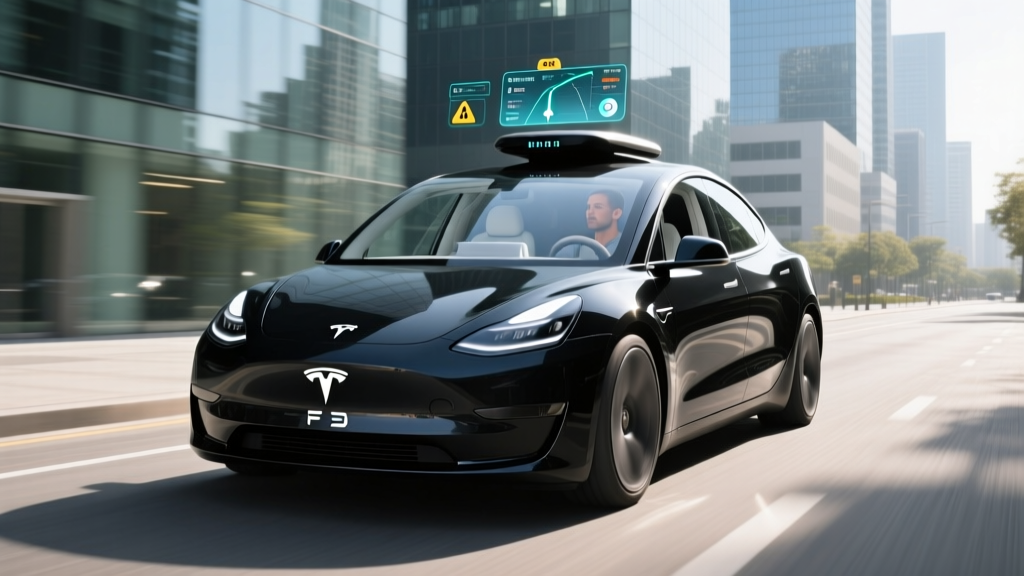
Since late 2022, Tesla has built the Model 3 on its Tesla Vision architecture, which relies entirely on cameras — no ultrasonic sensors, no radar (on most trims). The 2024–2026 Highland refresh added higher-resolution cameras and a revised mounting layout, but the core philosophy remains vision-only.
| Sensor | Location | Quantity | Function | Collision Vulnerability |
|---|---|---|---|---|
| Front-facing main camera | Behind windshield, top center | 1 | Lane detection, traffic light recognition, forward object tracking | Windshield replacement requires recalibration |
| Front wide-angle camera | Behind windshield, top center | 1 | Close-range intersection and cut-in detection | Windshield replacement requires recalibration |
| Front narrow (telephoto) camera | Behind windshield, top center | 1 | Long-range highway object detection | Windshield replacement requires recalibration |
| Left/Right front pillar cameras | A-pillar trim, driver and passenger side | 2 | Cross-traffic, blind-spot monitoring | Side-impact and fender damage can displace housing |
| Left/Right rear fender cameras | Rear fender, behind front wheel well | 2 | Rear blind-spot, lane-change assist | Quarter-panel damage often destroys housing |
| Rear-view camera | Trunk lid / rear fascia | 1 | Reverse, rear object detection | Rear-end collision first point of failure |
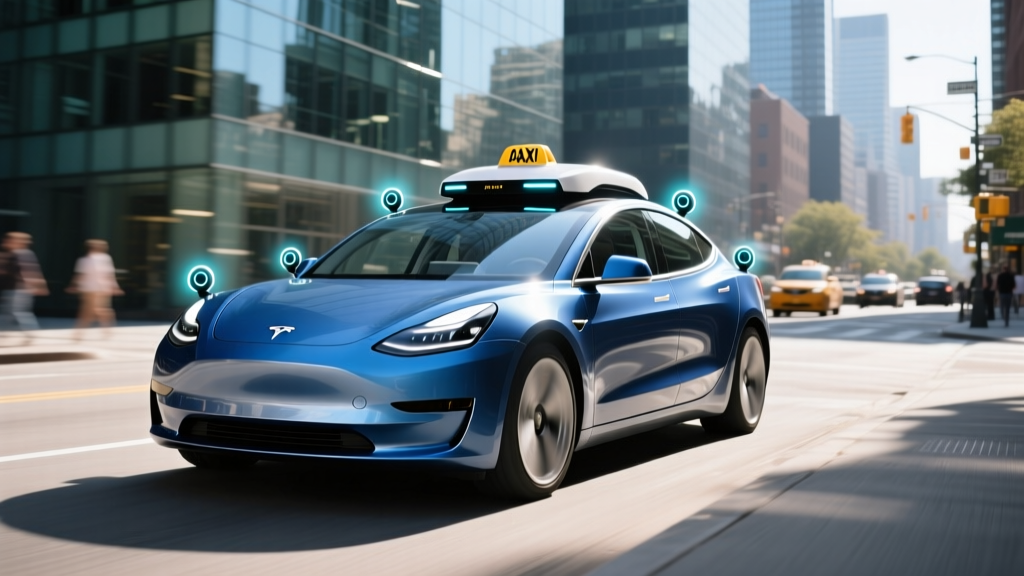
That is eight cameras total. In a moderate front-end collision, you might replace the front bumper, the front trunk (frunk) tub, the headlamp assemblies, and then discover that the windshield camera module needs recalibration — or that the A-pillar camera on the impact side was jarred out of alignment. Each of these steps adds labor and parts cost that a conventional vehicle simply does not incur.
What Autopilot and FSD Actually Do — and What They Do Not
Before assessing repair costs, it helps to understand what the hardware is enabling. Tesla offers two tiers of driver assistance on the 2026 Model 3:
- Basic Autopilot (standard on all trims): Traffic-Aware Cruise Control and Autosteer (lane centering) on divided highways.
- Full Self-Driving (Supervised) ($8,000 one-time purchase or $99/month subscription as of early 2026): Adds Navigate on Autopilot (automatic highway interchanges), Auto Lane Change, Autopark, Smart Summon, and Traffic Light and Stop Sign Control.
SAE Automation Level: Level 2
Both Basic Autopilot and FSD (Supervised) are classified as SAE Level 2 driver-assistance systems. The driver must remain fully engaged — eyes on the road, hands on or near the steering wheel, ready to take over instantly. Tesla's own owner's manual and the NHTSA's guidance on automated vehicles confirm that no consumer Tesla vehicle is self-driving. Only Level 4 robotaxi services like Waymo operate without a human driver in geofenced areas.
This matters for collision repair because Tesla's cabin-facing camera monitors driver attention. If the camera housing behind the steering column is damaged in a crash, it must be replaced and recalibrated — otherwise the system will nag you relentlessly or refuse to enable Autosteer.
How ADAS Hardware Drives Tesla Model 3 Collision Repair Bills
Tesla publishes collision repair procedures through its authorized Tesla Approved Body Shop network. Independent shops can also access repair manuals, but the calibration requirements push many owners toward Tesla-certified facilities. Here is where the costs accumulate:
1. Windshield Replacement and Camera Recalibration
The front camera module sits behind the rearview mirror. Any windshield replacement — whether from a rock chip that spread or a collision — requires the glass to be installed within tight tolerances so the cameras' optical axes remain correct. Tesla specifies a calibration drive cycle after glass replacement: typically 20–40 minutes of driving on well-marked roads at speeds above 40 mph. If the calibration fails, the shop must re-seat the glass or replace the camera module itself (roughly $250–$400 in parts).
2. Bumper and Fender Sensor Realignment
Even though Tesla Vision removed ultrasonic parking sensors, the A-pillar and rear-fender cameras are mounted in trim pieces directly adjacent to impact zones. A side-swipe collision that dents the front fender will frequently crack or displace the A-pillar camera housing. The camera itself costs approximately $200–$350; the trim panel and labor add another $300–$600.
3. Rear-End Collisions and the Trunk-Lid Camera
The rear-view camera is integrated into the trunk lid on the 2026 Model 3. A rear-end impact that deforms the trunk lid often destroys the camera. Replacing the camera and recalibrating the system adds $200–$450 on top of the bodywork. If the trunk lid must be replaced entirely, expect $1,200–$2,000 for the painted panel plus camera integration.
4. Structural Repairs and the High-Voltage System
In more severe collisions, the structural battery pack (which contributes to the Model 3's rigidity) may require inspection. Tesla's repair procedures mandate high-voltage system de-energization before any structural work near the pack. This adds specialized labor time. According to IIHS crash-test data, the 2026 Model 3 earns top marks in crashworthiness, meaning the cabin protects occupants well — but that protection comes from a complex structure that is expensive to restore to factory specification.
Estimated Repair Cost Ranges
| Repair Scenario | ADAS Components Affected | ADAS-Specific Cost Adder | Total Typical Bill (incl. bodywork) |
|---|---|---|---|
| Minor front-end (parking lot) | None or windshield recalibration | $100–$400 | $800–$2,000 |
| Moderate front-end (25 mph) | Windshield camera recal, possible A-pillar camera | $400–$1,200 | $3,000–$7,000 |
| Side-impact (driver side) | A-pillar camera, fender camera | $500–$1,500 | $2,500–$6,000 |
| Rear-end (moderate) | Trunk-lid camera | $200–$450 | $2,000–$5,500 |
| Windshield-only (rock damage) | Front camera recalibration | $100–$300 | $700–$1,400 |
Insurance Implications and Total Cost of Ownership
The ADAS-dense architecture of the Model 3 contributes to higher insurance premiums relative to similarly priced non-ADAS vehicles. According to industry data, average annual insurance for a 2026 Model 3 ranges from $2,200 to $3,400 depending on driver profile and state — roughly 15–25% above a comparably equipped Toyota Camry Hybrid. The higher repair bills after collisions are a primary driver of that premium gap.
However, the flip side is that Autopilot's automatic emergency braking (AEB) and forward collision warning are highly effective at preventing accidents. The Model 3 consistently earns the IIHS Top Safety Pick+ designation, and NHTSA rates it 5 stars overall. Fewer accidents mean fewer claims, which partially offsets the higher per-claim cost.
ADAS Limitations That Affect Collision Risk
- Weather degradation: Heavy rain, fog, snow, and direct sun glare can blind Tesla Vision cameras, causing Autopilot to disengage with little warning. The driver must be prepared to assume full control instantly.
- Faded lane markings: Autosteer relies on clearly visible lane lines. Construction zones, rural roads, and worn highway markings can cause erratic lane-keeping or sudden disengagement.
- Stationary object detection: Vision-only systems have historically struggled with stationary emergency vehicles or road-debris detection at highway speeds — a known limitation documented in multiple NHTSA investigations.
- Low-light performance: While the 2024+ Highland cameras improved low-light sensitivity, nighttime driving on unlit roads still degrades detection range compared to LiDAR-equipped competitors like the Waymo fleet.
How Tesla's ADAS Repair Costs Compare to Competitors
Tesla is not alone in loading vehicles with ADAS hardware — but its vision-only approach creates a distinct repair profile. Here is how the Model 3 stacks up against key competitors when collision repair is factored in:
| Vehicle | ADAS Hardware | Front Sensor Replacement | Windshield Recal Cost | Typical Moderate Front-End Bill |
|---|---|---|---|---|
| Tesla Model 3 (Highland) | 8 cameras (Tesla Vision), no radar | $200–$400 (camera module) | $100–$400 | $3,000–$7,000 |
| Hyundai Ioniq 6 (Limited) | Cameras + front radar + rear radar | $400–$900 (radar unit) | $150–$350 | $2,500–$6,500 |
| BMW i4 (eDrive40) | Cameras + front radar + ultrasonic | $500–$1,200 (radar + sensor cluster) | $200–$500 | $3,500–$8,000 |
| Polestar 2 (Long Range) | Cameras + front radar + ultrasonic | $450–$1,000 | $200–$400 | $3,000–$7,500 |
Tesla's lack of radar and ultrasonic sensors actually reduces the parts count in the front bumper — there is no radar module to replace after a front-end hit. However, the camera recalibration requirements and the integration of cameras into structural trim pieces offset that savings. The net result is that Tesla Model 3 collision repair costs land roughly in the middle of the luxury-EV pack — lower than BMW, comparable to Polestar, and slightly above Hyundai.
Tesla's Repair Network and Parts Availability
Tesla operates a network of Tesla Approved Body Shops — independent collision repair facilities that have completed Tesla-specific training and purchased the required calibration tools. As of 2026, there are roughly 450 approved shops in the United States, concentrated in metro areas. Owners in rural regions may need to travel 100+ miles to reach a certified facility, which can add towing costs and extend repair timelines.
Parts availability remains a periodic pain point. While Tesla has improved its collision-parts supply chain since 2022, owners still report 2–6 week waits for specific camera modules, trim panels, and windshield assemblies — particularly for the Highland refresh. A damaged A-pillar camera housing may mean the car sits at the shop for a month waiting for a $300 part.
Mobile Service and Over-the-Air Calibration
For minor issues — a camera that needs recalibration after a windshield replacement, for example — Tesla Mobile Service can sometimes perform the work at your home or office. The technician connects a laptop to the vehicle's diagnostic port and initiates a calibration routine that requires a short test drive. This avoids a shop visit entirely for simple recalibrations, keeping costs around $100–$200.
Practical Tips for Model 3 Owners Facing Collision Repair
- Verify shop certification. Only Tesla Approved Body Shops have access to the proprietary calibration software required for camera alignment. An uncertified shop may replace parts correctly but fail to recalibrate, leaving Autopilot degraded or disabled.
- Document pre-repair ADAS function. Before handing over the car, record a short video showing Autopilot, Autosteer, and parking cameras working normally. This establishes a baseline if the repair introduces new issues.
- Request OEM parts. Aftermarket camera housings and windshield glass may not meet Tesla's optical tolerances. Insist on OEM components, especially for any glass or trim that houses a camera.
- Test all ADAS features post-repair. Before signing off on the repair, drive the car on a well-marked highway and verify that Autosteer centers correctly, lane-change alerts work, and the rear-view camera displays a properly aligned image.
- Factor ADAS costs into your insurance deductible choice. Given that even minor collisions can push bills past $2,000 once ADAS recalibration is included, a $500 deductible often makes more financial sense than a $1,000 or $2,000 deductible for Model 3 owners.
Frequently Asked Questions
Does Tesla Autopilot work after a collision repair?
Yes, but only if all affected cameras have been properly recalibrated using Tesla's proprietary diagnostic software. If even one camera is out of alignment by a fraction of a degree, Autosteer may behave erratically or refuse to engage. Always verify ADAS functionality before accepting the car back from the shop.
Is FSD (Supervised) truly self-driving?
No. Full Self-Driving (Supervised) is an SAE Level 2 system. The driver must remain fully attentive, with hands on or near the steering wheel and eyes on the road. The cabin camera monitors driver engagement and will issue escalating warnings — eventually disabling Autosteer for the remainder of the trip — if it detects inattention. True self-driving (Level 4) is currently limited to geofenced robotaxi services like Waymo in select cities.
How much does FSD cost on a 2026 Model 3?
As of early 2026, FSD (Supervised) costs $8,000 as a one-time purchase or $99 per month as a subscription. Basic Autopilot (Traffic-Aware Cruise Control and Autosteer) is included standard on every Model 3 trim at no additional cost.
Which 2026 Model 3 trims include Autopilot?
Every 2026 Tesla Model 3 — including the base Rear-Wheel Drive ($38,990 MSRP), Long Range All-Wheel Drive ($45,990), and Performance ($52,990) — includes Basic Autopilot as standard equipment. FSD (Supervised) is an optional add-on available on all trims.
What are the real-world limitations of Tesla Vision?
Tesla Vision's camera-only approach is degraded by heavy rain, snow, fog, direct sun glare, faded lane markings, and unlit nighttime roads. In these conditions, Autopilot may disengage with only a visual and audible warning, requiring the driver to assume full control immediately. Unlike radar-equipped competitors, Tesla Vision has no redundant sensor modality to fall back on when cameras are compromised.
Will my insurance premium go up because of ADAS repair costs?
Possibly. Insurers factor in the cost of claims when setting premiums, and the ADAS-dense architecture of the Model 3 contributes to higher per-claim repair bills. Average annual premiums for the 2026 Model 3 range from $2,200 to $3,400 depending on driver profile and location. However, the vehicle's strong crash-test ratings (IIHS Top Safety Pick+, NHTSA 5-star) and effective automatic emergency braking help reduce claim frequency, partially offsetting the higher per-claim cost.