Is Waymo Operating in Miami Right Now?
If you have been searching for a Miami Waymo ride, here is the straight answer: Waymo does not currently operate a commercial robotaxi service in Miami, Florida. As of early 2026, Waymo One — the company's public, driverless ride-hailing product — is live in a defined set of metro areas, and South Florida is not yet among them.
However, Miami has appeared on Waymo's expansion roadmap. In late 2024, Waymo announced that Miami was among the next cities targeted for service, alongside Tokyo (as an international pilot) and other U.S. metros. By 2026, Waymo has been conducting mapping and limited testing in select expansion cities, but a full public launch in Miami has not been confirmed with a hard date.
This guide breaks down exactly where Waymo operates today, what a Miami launch would look like based on the company's playbook in other cities, the safety data behind SAE Level 4 robotaxis, and how pricing compares to Uber and Lyft — so you are ready the moment service goes live in the 305.
Where Can I Use Waymo One Right Now?
Waymo One is available to the general public (no waitlist) in the following U.S. cities as of 2026:
| City | Status | Service Area Notes |
|---|---|---|
| Phoenix, AZ | Fully open | Largest coverage area (~300+ sq mi); freeway-capable in some zones |
| San Francisco, CA | Fully open | City-wide including dense urban core; 24/7 operation |
| Los Angeles, CA | Fully open | Covers downtown, Hollywood, Santa Monica, Westside corridors |
| Austin, TX | Expanding | Launched to public; geofence growing outward from downtown |
| Miami, FL | Announced / Pre-launch | Mapping and testing phase; no public ride date confirmed |
Waymo also maintains a limited research presence in Atlanta and has tested in numerous other cities, but the four metros above represent the core commercial footprint. Phoenix was the first city where Waymo removed safety drivers entirely and has the longest operational history.
How to check for Miami launch updates: Download the Waymo One app (iOS/Android) and set Miami as your city. Waymo typically opens a waitlist or early-access program before full public availability, similar to the phased rollouts in Los Angeles and Austin.
Understanding SAE Autonomy Levels: What Waymo Actually Is
Before discussing safety or pricing, it is essential to distinguish what Waymo's robotaxi is — and what it is not — relative to consumer vehicles you can buy.
| Level | Name | Who Drives | Example |
|---|---|---|---|
| 0 | No Automation | Human | Basic car with no assist features |
| 1 | Driver Assistance | Human (system assists steering OR speed) | Adaptive cruise control, lane-keeping |
| 2 | Partial Automation | Human (must supervise at all times) | Tesla Autopilot/FSD Supervised, GM Super Cruise, Ford BlueCruise |
| 3 | Conditional Automation | System drives in specific conditions; human must take over on request | Mercedes DRIVE PILOT (limited markets, low-speed highway) |
| 4 | High Automation | System drives fully within its operational design domain; no human needed | Waymo One, Zoox, Cruise (pre-suspension) |
| 5 | Full Automation | System drives everywhere, all conditions | Does not exist commercially |
How Waymo's Technology Stack Works
Waymo's sixth-generation autonomous driving system, deployed on the Jaguar I-PACE and the purpose-built Zeekr RT robotaxi, relies on a multi-sensor fusion approach — a sharp contrast to Tesla's camera-only ("Tesla Vision") strategy.
Sensor Suite Breakdown
- LiDAR: Multiple roof-mounted and bumper-integrated LiDAR units generate a real-time 3D point cloud of the vehicle's surroundings. LiDAR provides precise distance measurement regardless of lighting — critical for night driving, sun glare, and detecting objects cameras might miss.
- Cameras: A 360-degree array of high-resolution cameras handles lane-line detection, traffic signal recognition, construction-zone signage, and object classification (pedestrian vs. cyclist vs. vehicle).
- Radar: Millimeter-wave radar supplements LiDAR for velocity detection of moving objects and performs reliably in rain and fog where LiDAR and cameras can degrade.
- External audio sensors: Waymo's sixth-gen system includes microphones that detect emergency vehicle sirens and adjust behavior (pulling over, yielding) accordingly.
Geofencing and the Operational Design Domain (ODD)
Waymo vehicles operate within a precisely mapped geofence — a virtual boundary that defines every street, lane, intersection, and speed limit the system is approved to handle. If a requested trip would exit the geofence, the app simply will not book it. The map is HD-grade, updated continuously, and includes construction-zone overlays, school-zone timing, and curb-cut locations.
This geofencing is the key constraint that makes Level 4 feasible today: Waymo does not need to handle every road in America. It handles the roads it knows intimately, within the conditions it has validated. Heavy fog, hurricanes, or unmapped detours fall outside the ODD, and the vehicle will pull over safely rather than guess.
How Safe Are Robotaxis? The Real Data
Safety is the single most scrutinized aspect of autonomous vehicles, and Waymo has published more operational data than any other robotaxi operator. Here is what the numbers show:
- Cumulative autonomous miles driven: Over 10 million fully driverless miles across Phoenix, San Francisco, Los Angeles, and Austin (per Waymo's safety reports).
- Injury-causing crash rate: Waymo reported an 85% reduction in injury-causing crashes compared to human benchmarks in its operating areas, based on NHTSA-comparable crash data and internal analysis published with insurance-partner Swiss Re.
- Property-damage-only crashes: Approximately 57% fewer than the human baseline in comparable geographies.
- Contact rate: Waymo vehicles make contact with another object (including minor scrapes with stationary objects like bollards) at a lower rate per million miles than human drivers in the same urban environments.
Contextualizing the Data
These figures are impressive but come with caveats that honest analysis requires:
- Selection bias: Waymo's ODD is mapped, well-marked urban and suburban territory. The system avoids the most chaotic, unmapped rural roads where many human crashes occur.
- Conservative driving: Waymo vehicles drive at or below speed limits and maintain generous following distances. This reduces crash severity but can frustrate human drivers behind them and may contribute to rear-end incidents (where a human hits the Waymo from behind).
- Reporting transparency: California requires disengagement and collision reports from all autonomous vehicle testers. Waymo publishes these. Not all states require equivalent disclosure, so data from Phoenix and Austin is less standardized.
- Incidents do occur: In 2024, two Waymo vehicles in Phoenix struck the same pedestrian in separate incidents within weeks — the pedestrian had stepped into the road from behind a stopped truck. Waymo issued a voluntary safety recall (software update) in response, and NHTSA opened and later closed an investigation. These events underscore that Level 4 autonomy is very safe but not infallible.
Pricing: Waymo vs. Uber and Lyft
Where Waymo One is live, pricing is broadly competitive with UberX and Lyft standard rides — sometimes slightly higher during peak demand, sometimes lower when Waymo runs promotional pricing. Here is a representative comparison based on published fares in Phoenix and San Francisco:
| Metric | Waymo One | UberX | Lyft Standard |
|---|---|---|---|
| Base fare | $3.50–$5.00 | $2.50–$3.50 | $2.50–$3.50 |
| Per-mile rate | $1.25–$1.75 | $1.00–$1.50 | $1.00–$1.50 |
| Per-minute rate | $0.25–$0.40 | $0.20–$0.35 | $0.20–$0.35 |
| Surge/dynamic pricing | Rare (fixed or mild surge) | Common (1.5x–3x+) | Common (Prime Time) |
| Typical 5-mile, 15-min ride | $14–$20 | $12–$22 (varies with surge) | $12–$20 (varies with Prime Time) |
| Tips | Optional (in-app) | Expected (15–20%) | Expected (15–20%) |
Key pricing insight: Waymo's advantage emerges during high-demand periods. Because robotaxis do not require a human driver to accept the ride, Waymo can scale supply more predictably (limited only by fleet size) and tends to avoid the extreme surge multipliers that Uber and Lyft apply during rush hour, events, or bad weather. A $45 Uber during a rainstorm might be a $22 Waymo — if a vehicle is available in your zone.
How to book: Download the Waymo One app, enter your pickup and destination, confirm the fare, and a vehicle arrives — typically within 3–7 minutes in well-covered zones. No human driver communicates with you. You unlock the car via the app, select your music and climate preferences on the rear touchscreen, and can end the trip early or add a stop through the in-car interface.
Current Limitations of Waymo Robotaxis
Level 4 autonomy is real, but it operates inside a defined box. Here are the practical constraints you will encounter — and that a future Miami deployment must solve:
- Weather restrictions: Heavy rain, flooding, fog, and snow can cause Waymo to suspend service in affected zones. Miami's tropical downpours and hurricane-season conditions will be a significant validation challenge.
- Geofence boundaries: You cannot book a ride that crosses outside the mapped service area. Airport service, suburban sprawl routes, and inter-city trips may not be available at launch.
- Construction zones: While Waymo handles many construction scenarios, complex multi-lane shifts with temporary barriers and flaggers can cause the vehicle to stop and request remote assistance.
- Emergency-vehicle interactions: Waymo's audio sensors detect sirens, but crowded multi-emergency-vehicle scenes (major accidents, fire scenes blocking roads) may cause extended stops.
- No highway driving (most cities): In San Francisco and Los Angeles, Waymo primarily operates on surface streets. Phoenix has limited freeway-capable zones. Miami's I-95 and Palmetto Expressway are unlikely to be in the initial ODD.
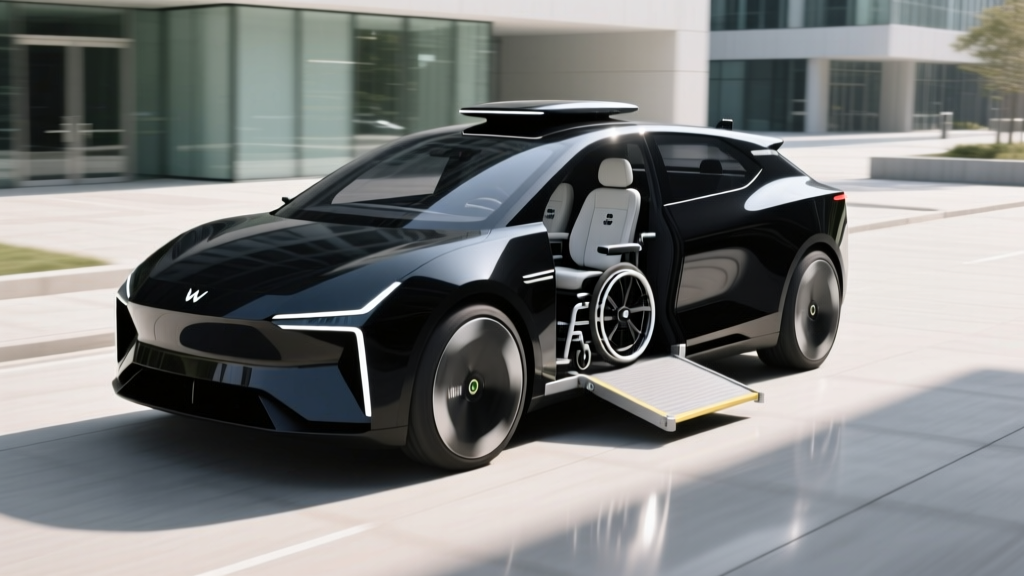
- Accessibility: Waymo's Jaguar I-PACE fleet requires passengers to enter a standard SUV. Wheelchair-accessible vehicle (WAV) options are limited and not available in all cities. The Zeekr RT, with its low floor and sliding doors, improves this but has not achieved full fleet deployment.
- Pet policy: Only service animals are permitted. No pets in carriers.
- Passenger limits: Typically 2–3 adult passengers maximum, depending on the vehicle platform.
The Regulatory Landscape: Who Approves Robotaxi Service?
Deploying a driverless commercial service in the United States requires navigating a patchwork of state and federal regulation:
Federal (NHTSA)
The National Highway Traffic Safety Administration sets vehicle safety standards (FMVSS) that all road-legal vehicles must meet. Waymo has received limited exemptions for vehicles without steering wheels or pedals (relevant to the Zeekr RT platform). NHTSA also investigates safety incidents and can issue recalls — as it did following the Phoenix pedestrian incidents in 2024.
State Level
Each state sets its own rules for autonomous vehicle testing and commercial deployment:
- Arizona: Among the most permissive. No special permit required for testing; commercial deployment authorized by executive order. This is why Phoenix was Waymo's first city.
- California: Requires a permit from the DMV for testing and a separate permit from the California Public Utilities Commission (CPUC) for commercial passenger service. Incident reporting is mandatory and public.
- Texas: Austin operates under state law (HB 3142, 2017) that allows autonomous vehicles on public roads. Local coordination with the city governs deployment zones.
- Florida: Florida statute (s. 316.86 and s. 319.145) permits autonomous vehicle operation on public roads without a special state permit, making it relatively favorable for Waymo's Miami expansion. However, local municipalities may impose operational agreements regarding pickup/dropoff zones, fleet staging, and data sharing.
For Miami specifically, Waymo will likely need to coordinate with Miami-Dade County and the City of Miami on curbside management, geofence boundaries, and emergency-services integration before launching commercial rides.
What a Miami Waymo Launch Would Look Like
Based on Waymo's rollout pattern in Los Angeles and Austin, a Miami launch would likely follow these phases:
- Mapping and testing (6–12 months): Waymo vehicles with safety drivers map streets, validate HD maps, and log miles in representative conditions — including Miami's unique challenges: dense tourist zones (South Beach, Wynwood), aggressive traffic patterns, frequent rain, and narrow residential streets.
- Employee/invite-only rides: Waymo employees and selected partners ride without safety drivers to stress-test the system in real conditions.
- Waitlist and early access: The Waymo One app opens for Miami with a waitlist. Early riders get limited geofence coverage (likely starting with Brickell, Downtown, Midtown, and the Design District).
- Full public launch: Waitlist removed; geofence expanded toward Coral Gables, Coconut Grove, and potentially MIA airport depending on regulatory agreements.
Miami's flat terrain and grid-like downtown are favorable for autonomous navigation. The challenges are environmental (tropical rain, occasional flooding), cultural (high pedestrian density in entertainment districts, unpredictable e-scooter and cyclist behavior), and infrastructural (frequent road construction, event-driven closures for Art Basel, Miami Grand Prix, and spring break).
Frequently Asked Questions
Can I hail a Waymo in Miami today?
No. As of early 2026, Waymo One is not commercially available in Miami. Miami is on Waymo's announced expansion list, but no public launch date has been confirmed. Download the Waymo One app and set your location to Miami to join any early-access waitlist when it opens.
How much would a Miami Waymo ride cost compared to Uber?
Based on pricing in existing Waymo cities, expect fares within 10–20% of UberX for standard rides, with Waymo's advantage appearing during surge periods when Uber prices spike 1.5x–3x. A typical 5-mile ride would likely cost $14–$20 on Waymo, comparable to Uber's non-surge rate of $12–$18.
Are Waymo robotaxis truly self-driving?
Yes, within their operational domain. Waymo One vehicles are SAE Level 4 — fully driverless with no human behind the wheel and no steering wheel accessible to passengers. This is categorically different from Level 2 driver-assist systems like Tesla Autopilot or Ford BlueCruise, which require constant human supervision.
What happens if a Waymo vehicle encounters flooding in Miami?
Waymo's system is programmed to avoid flooded roads. If water is detected via sensors or the vehicle's ODD flags a flood zone, the vehicle will reroute or pull over safely and end the trip. In severe weather events (hurricane conditions), Waymo suspends service entirely in the affected area.
Is Waymo safer than a human driver?
Waymo's published data, validated in partnership with Swiss Re, shows an 85% reduction in injury-causing crashes compared to human benchmarks in the same operating areas. However, this comparison is within Waymo's geofenced, mapped territory — not all driving environments. The data is strong but should be interpreted within the ODD context. Full methodology is available on Waymo's safety page and through NHTSA filings.
Will Waymo come to other Florida cities?
Waymo has not announced plans for Tampa, Orlando, or Jacksonville. Miami is the first Florida city on the roadmap. Expansion to other Florida metros would depend on Miami's operational success, regulatory environment, and demand patterns.