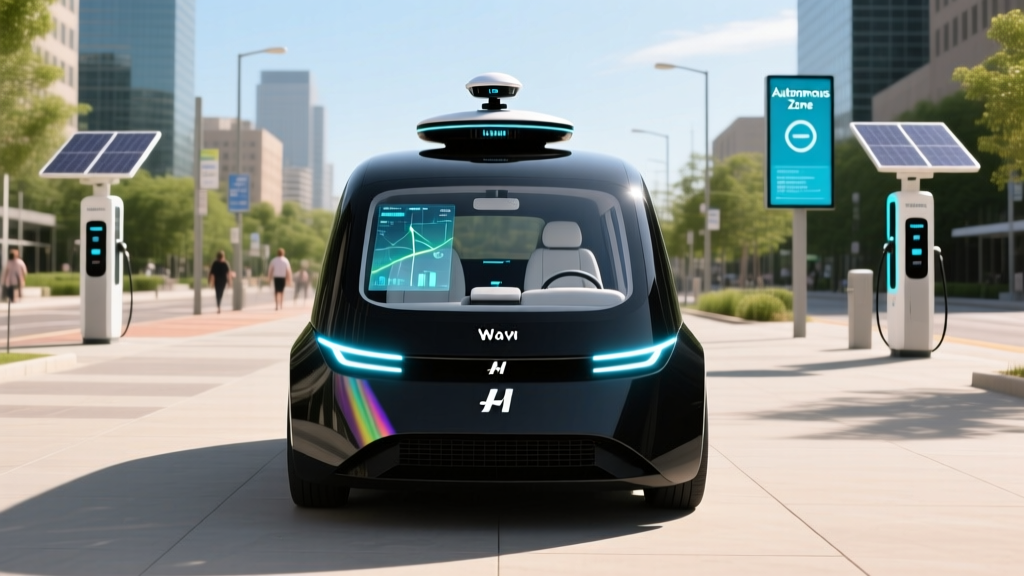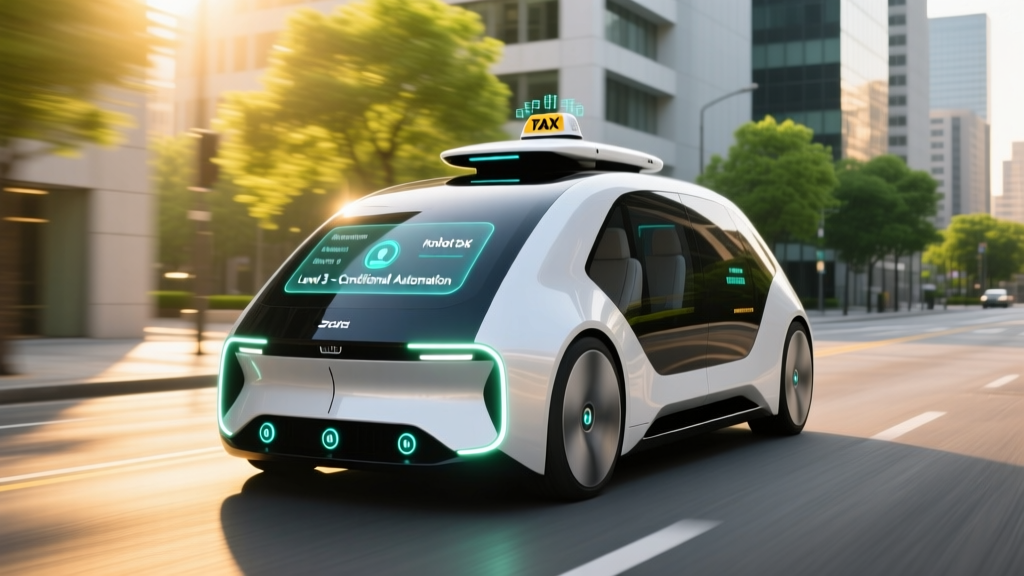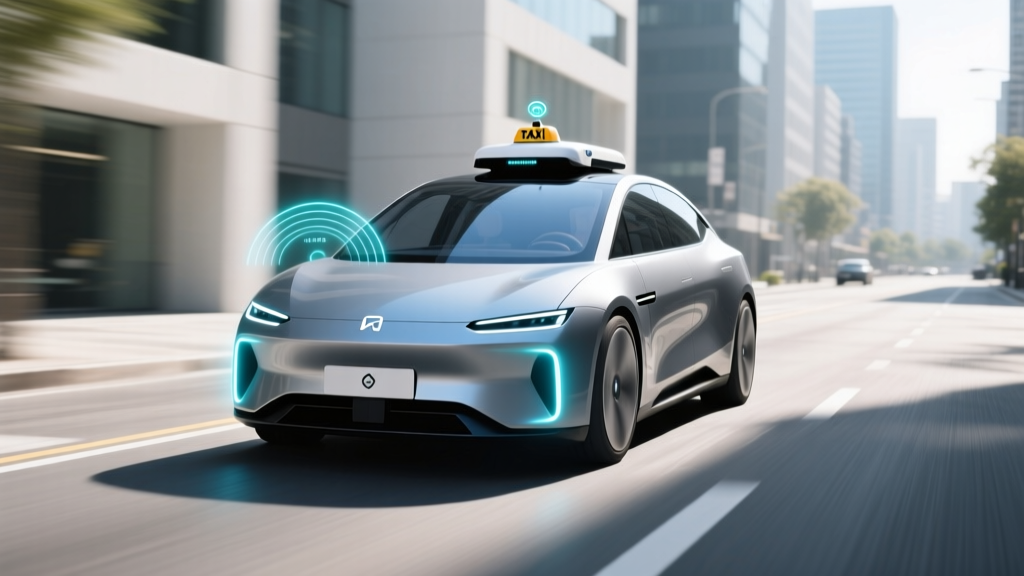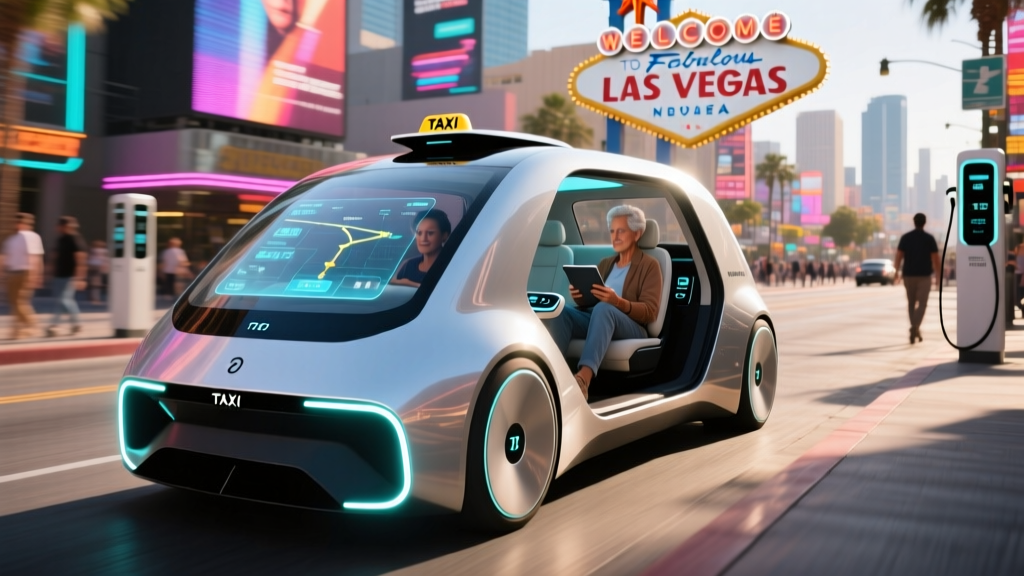
If you've walked the Las Vegas Strip recently, you've likely noticed vehicles with rooftop sensor arrays gliding through traffic with no one behind the wheel. Las Vegas has become one of the most active testing and deployment grounds for autonomous ride-hailing in the United States. But which services actually let you ride without a driver, how do you hail one, and what does the safety record actually show?
This guide breaks down the current state of Las Vegas self-driving cars as of 2026 — covering live robotaxi operators, technology stacks, pricing, safety data, and the hard limitations you need to know before you step into one.
Is This Truly Self-Driving or Just Driver-Assist?
The first distinction every rider must understand is the difference between consumer driver-assistance systems and actual driverless robotaxis. They are not the same technology, and they operate under entirely different regulatory frameworks.
| Level | Name | Who Drives | Example |
|---|---|---|---|
| Level 2 | Driver Assistance | Human (always) | Tesla Autopilot/FSD Supervised, GM Super Cruise, Ford BlueCruise |
| Level 3 | Conditional Automation | System (limited); human on standby | Mercedes DRIVE PILOT (selected highways, <40 mph) |
| Level 4 | High Automation | System (within geofence); no human needed | Waymo One, Zoox, Motional (Baidu Apollo in China) |
| Level 5 | Full Automation | System (everywhere, all conditions) | Does not exist commercially |
Las Vegas robotaxis operating without a safety driver are SAE Level 4. They handle all driving tasks within a defined operational design domain (ODD) — a geofenced area with mapped routes and known conditions. They cannot drive you to rural Nevada or handle unmapped construction zones outside their ODD.
Consumer vehicles with Tesla FSD (Supervised), GM Super Cruise, or Ford BlueCruise are Level 2 systems. The human driver remains legally responsible at all times. Robotaxis like Waymo and Zoox are Level 4 — no driver is present, and the company operating the vehicle assumes liability during the ride.
Where Can I Use Robotaxi Services in Las Vegas Right Now?
Las Vegas hosts multiple autonomous vehicle programs, but not all of them offer rides to the general public. Here is the current landscape:
| Operator | Service Name | Driverless? | Las Vegas Status (2026) | Service Area |
|---|---|---|---|---|
| Waymo | Waymo One | Yes (Level 4) | Testing / limited rider access | Expanding; portions of the Strip corridor and surrounding areas |
| Motional (Hyundai/Aptiv) | Motional | Yes (Level 4) | Active commercial rides via Uber/Lyft | Las Vegas Strip, downtown, Convention Center corridor |
| Zoox (Amazon) | Zoox Ride | Yes (Level 4) | Employee/invite-only testing | Limited zones near the Strip |
| Cruise (GM) | — | — | Suspended / restructured post-2024 | Not currently operating in Las Vegas |
Motional has been the most consistent publicly accessible robotaxi presence in Las Vegas. Through partnerships with Uber and Lyft, riders in the Motional service zone can be matched with a driverless Hyundai Ioniq 5-based autonomous vehicle when requesting a ride. The service primarily covers the high-traffic corridor between the Strip casinos, downtown Las Vegas, and the Las Vegas Convention Center.
Waymo, the Alphabet subsidiary that operates the largest commercial robotaxi fleet in the U.S. (primarily in Phoenix, San Francisco, and Los Angeles), has been expanding its Las Vegas testing operations. As of 2026, Waymo's Las Vegas presence focuses on mapping and validation, with select riders gaining access through the Waymo One app — but it is not yet a fully open commercial service like its Phoenix operations.
Zoox, Amazon's autonomous vehicle subsidiary, has tested its purpose-built bidirectional carriage vehicle in Las Vegas. Access remains restricted to employees and invited participants. Zoox's vehicle is notable for having no steering wheel or pedals — a true Level 4 design from the ground up.
Service areas, operating hours, and public access can change with little notice. A service that was available last month may be paused for software validation or regulatory review. Always check the operator's app or website for real-time availability before planning a trip around a robotaxi ride.
How Much Does a Robotaxi Cost vs. Uber and Lyft?
Pricing for robotaxi rides in Las Vegas depends on the platform through which you book. Motional rides booked via Uber or Lyft are typically priced at or slightly above standard UberX/Lyft rates for the same route, though promotional pricing has been common during expansion phases.
| Service | Strip Hotel → Airport (~4 mi) | Strip → Downtown (~5 mi) | Surge Pricing? |
|---|---|---|---|
| UberX / Lyft Standard | $15–$25 | $18–$30 | Yes (dynamic) |
| Motional (via Uber/Lyft) | $15–$28 | $18–$32 | Varies; sometimes subsidized |
| Waymo One (where available) | $14–$24 | $17–$28 | No traditional surge; wait times increase |
Key pricing realities:
- No tipping required. There's no driver to tip, which effectively reduces your total cost by 15–20% compared to a standard rideshare.
- Promotional periods. Both Motional and Waymo have historically offered discounted or free rides during launch phases to build rider familiarity. Check for active promotions in the app.
- Wait times can be longer. Robotaxi fleets are smaller than Uber/Lyft driver pools. During peak convention or weekend nights, expect 8–15 minute wait times versus 3–5 minutes for a standard rideshare.
- Route restrictions. You can only be dropped off within the geofenced service area. If your destination falls outside it, the app will not allow the booking.
The Technology: How Las Vegas Robotaxis Actually See the Road
Every Level 4 robotaxi operating in Las Vegas relies on a multi-sensor perception stack. Unlike Tesla's camera-only approach for its consumer FSD system, commercial robotaxis layer multiple redundant sensing technologies:
| Sensor | Function | Range | Strengths |
|---|---|---|---|
| LiDAR (roof-mounted) | 3D point-cloud mapping of surroundings | Up to 250+ m | Precise distance measurement; works in darkness |
| Cameras (multi-lens array) | Object classification, lane/traffic-light reading | Up to 200+ m | Color/texture recognition; sign reading |
| Radar (front/rear) | Velocity detection of moving objects | Up to 200+ m | Works through rain/fog; measures speed directly |
| Ultrasonic (short-range) | Near-field obstacle detection | Up to 5 m | Parking, curb detection, close-proximity objects |
| HD Maps + GPS/IMU | Centimeter-level localization | Pre-mapped area | Redundant positioning; lane-level accuracy |
Geofencing is the operational backbone. Robotaxis don't drive just anywhere — they operate within a pre-mapped Operational Design Domain (ODD). Every intersection, lane marking, speed limit, and known construction zone within the geofence is cataloged in high-definition maps. When the vehicle encounters a scenario outside its ODD (an unmapped detour, for example), it will pull over safely and contact a remote operations team rather than attempt to improvise.
Motional's Ioniq 5-based platform uses a Hyundai-developed sensor suite with a roof-mounted LiDAR unit, multiple cameras, and radar modules. Waymo's 6th-generation Waymo Driver hardware integrates a custom LiDAR system with improved range and resolution over previous generations, along with a camera and radar suite. Zoox's purpose-built vehicle places sensors at all four corners and the roof for full 360-degree coverage with no blind spots — an advantage of designing the vehicle from scratch for autonomy.
Safety Data: What the Numbers Actually Show
Safety is the most scrutinized aspect of robotaxi operations, and rightly so. Here's what the available data tells us:
- Waymo (cumulative through 2025): Over 30 million fully driverless miles completed across Phoenix, San Francisco, and Los Angeles. Waymo's published data shows a ~57% reduction in police-reported crash involvement compared to human benchmarks in comparable urban environments, and an ~85% reduction in injury-causing crashes per million miles. (Source: Waymo Safety Report)
- Motional: Over 100,000 paid rides completed across Las Vegas and Boston with no reported at-fault collisions resulting in serious injury during driverless operations.
- Cruise (pre-suspension, 2023): Approximately 5.5 million driverless miles before its California permit was suspended following a pedestrian drag incident in San Francisco in October 2023. The incident highlighted edge-case risks and transparency failures with regulators.
- NHTSA Standing General Order: All Level 4 operators must report crashes involving their ADS-equipped vehicles to NHTSA. Data is publicly accessible via the NHTSA AV crash reporting portal.
The data suggests that Level 4 robotaxis, within their geofenced ODDs, have a safety record competitive with or better than human drivers in similar urban environments. However, important caveats apply:
- Robotaxis drive in mapped, mostly well-structured urban corridors — not rural highways, unpaved roads, or extreme weather zones.
- When robotaxis encounter edge cases (double-parked delivery trucks, erratic pedestrians, temporary construction), they tend to take conservative actions — stopping and waiting rather than making aggressive maneuvers. This reduces collision risk but can frustrate other drivers and occasionally cause traffic backup.
- The Cruise incident demonstrated that post-collision behavior (what the vehicle does after initial contact) is as critical as collision avoidance. Cruise's vehicle stopped after the initial impact but then pulled over, dragging the pedestrian. This led to industry-wide reevaluation of post-impact logic.
Current Limitations: What Robotaxis Cannot Do
Level 4 autonomy is impressive within its domain, but the boundaries are real. Every rider should understand these constraints:
- Geofence restrictions. You cannot take a robotaxi to Red Rock Canyon, Hoover Dam, or the suburbs of Henderson. The vehicle operates only within its pre-mapped zone, typically covering the Strip corridor and immediate surroundings.
- Weather limitations. Heavy rain, dust storms (common in Las Vegas monsoon season from July–September), or dense fog can degrade sensor performance. Operators may suspend service during these conditions — the vehicle simply will not be available.
- Construction zones. Temporary lane shifts, unpaved detours, and unmarked work zones can fall outside the vehicle's HD map data. The robotaxi will stop and request remote assistance rather than navigate blindly.
- No highway driving (typically). Most Las Vegas robotaxi services operate on surface streets. I-15 freeway driving is generally not part of the current Las Vegas ODD for most operators, though Waymo has demonstrated highway-capable operations in other markets.
- Limited stops and special requests. You cannot ask a robotaxi to wait while you run into a store, make an unscheduled stop, or help load heavy luggage. The ride is point-A to point-B within the geofence.
- Accessibility gaps. While Zoox's purpose-built vehicle was designed with wheelchair accessibility in mind, retrofitted vehicles like Motional's Ioniq 5 may have limited accommodation for mobility devices. ADA compliance remains an evolving area.
- Night and event surges. On major event nights (F1 Grand Prix, Super Bowl, major conventions), the limited robotaxi fleet cannot meet demand. Expect significantly longer wait times or unavailability.
Regulatory Landscape: Who Approves Robotaxi Operations in Nevada?
Nevada was one of the first states to pass autonomous vehicle legislation, and its regulatory framework has attracted AV testing and deployment. Here's how it works:
- Nevada Department of Motor Vehicles (DMV): Issues autonomous vehicle testing and deployment permits. Operators must demonstrate insurance coverage, submit safety plans, and maintain crash-reporting compliance.
- Nevada Legislature (AB 511, 2011 and subsequent amendments): Established the legal framework allowing autonomous vehicles to operate on public roads, including provisions for driverless operation.
- NHTSA (federal): Sets vehicle safety standards and requires crash reporting under the Standing General Order for ADS-equipped vehicles. NHTSA does not currently "approve" robotaxi services — that authority rests with states — but it can investigate and order recalls of ADS software.
- Local jurisdictions: Clark County and the City of Las Vegas can impose operational conditions on robotaxi permits, including restricted zones near schools or event venues.
Nevada's regulatory posture has been comparatively permissive, which is why Las Vegas became an early testing ground. However, the Cruise suspension in California demonstrated that regulators will act decisively when operators fail to disclose safety incidents promptly.
How to Hail a Robotaxi in Las Vegas: Step by Step
- Download the right app. For Motional, use Uber or Lyft and look for the autonomous vehicle option when booking within the service zone. For Waymo (if available to you), download the Waymo One app.
- Confirm your pickup is within the geofence. The app will only allow pickup and dropoff at locations within the active service area. Some apps show the geofence boundary on the map.
- Look for the vehicle identifiers. Motional's Ioniq 5 robotaxis have prominent sensor arrays and branded livery. Waymo's Jaguar I-PACE vehicles are white with Waymo branding and a distinctive roof rack. Zoox's vehicle is a compact, symmetrical pod with no traditional front or rear.
- Unlock via app. When the vehicle arrives, you unlock the doors through the app — there's no driver to signal.
- Buckle up and confirm. An in-vehicle screen will prompt you to fasten your seatbelt and confirm you're ready to depart. The ride begins automatically.
- In-ride controls. You can adjust climate and music via the screen, view the route, and initiate a support call if needed. There is typically a "pull over" button for emergencies.
Frequently Asked Questions
Can I ride a completely driverless car in Las Vegas today?
Yes, through Motional's partnership with Uber and Lyft, you can be matched with a Level 4 driverless vehicle in the Las Vegas Strip and downtown corridor. Availability depends on the time of day, demand, and whether your pickup/dropoff falls within the geofenced service area.
Are Las Vegas self-driving cars safe at night?
Robotaxis use LiDAR and radar, which are not dependent on visible light, so nighttime driving is within their operational capability. However, late-night conditions on the Strip involve higher rates of impaired pedestrians and erratic behavior, which can trigger conservative vehicle responses (frequent stops). Service may be limited or paused during late-night hours depending on the operator.
What happens if a robotaxi gets into an accident?
The operating company (Motional, Waymo, etc.) carries liability insurance and is responsible for the vehicle's operation. In the event of a collision, the vehicle is designed to pull over safely, contact emergency services, and connect you with a remote support agent. All incidents are reported to NHTSA under the Standing General Order.
Can robotaxis take me to the Las Vegas airport (Harry Reid International)?
It depends on whether the airport is within the operator's current geofence. Motional's service area has included routes toward the airport, but the exact pickup/dropoff zones can change. Check the app at the time of booking — if the airport is within the ODD, the ride will be offered.
How is a robotaxi different from Tesla's Full Self-Driving?
Tesla FSD (Supervised) is a Level 2 driver-assistance system. A human driver must remain attentive and is legally responsible for the vehicle at all times. Robotaxis like Waymo and Motional are Level 4 — there is no human driver, and the company assumes operational liability. Tesla's system works on any road but requires supervision; robotaxis work only in mapped zones but require no human oversight within those zones.
Will robotaxi fares get cheaper over time?
The long-term economic thesis is yes — removing the driver eliminates the largest cost component of rideshare. However, current robotaxi operations carry substantial overhead from sensor hardware, remote operations teams, HD mapping, and fleet maintenance. Widespread fare reduction will depend on fleet scale, hardware cost reduction, and regulatory efficiency. Near-term, expect pricing roughly comparable to standard rideshare.
Sources: Waymo Safety Data, NHTSA Automated Vehicle Safety, Nevada DMV Autonomous Vehicle Program. Pricing and availability data reflect conditions observed in early 2026 and are subject to change. Always verify with the operator's app before travel.