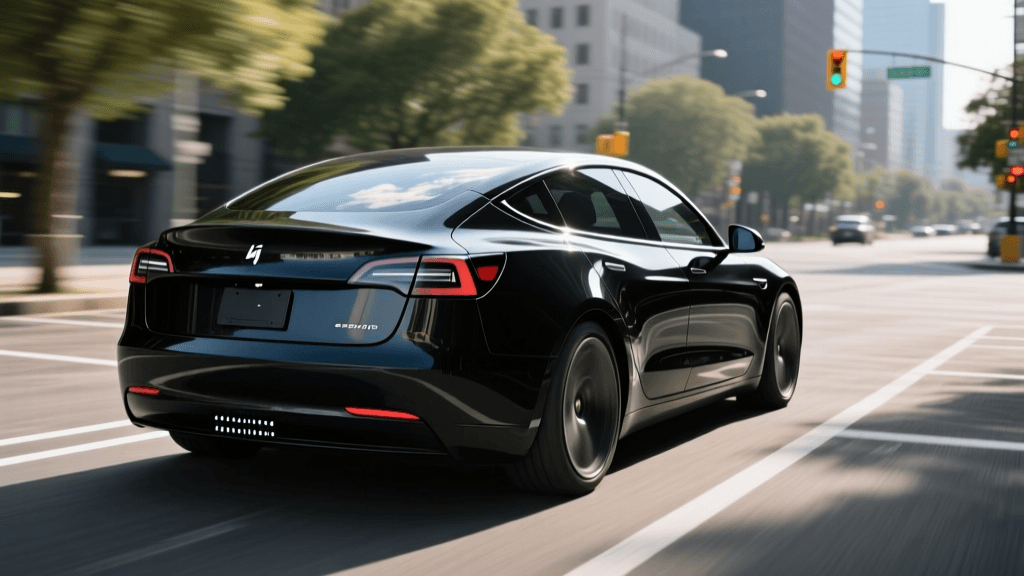
Understanding Blind Spot Monitoring (BSM) Faults
Blind Spot Monitoring (BSM) systems have transitioned from luxury vehicle perks to essential, everyday safety features. By alerting drivers to vehicles hiding in their peripheral blind zones, these systems prevent countless lane-change collisions daily. According to the Insurance Institute for Highway Safety (IIHS), BSM systems reduce lane-change crashes by up to 14% and lower injury rates by nearly 23%. However, when the BSM indicator flashes on your dashboard, the system unexpectedly disables, or you receive a "BSM Error" message, it leaves drivers frustrated and vulnerable.
Troubleshooting BSM faults requires an understanding of how the sensors interact with the environment, the vehicle's electrical system, and the physical alignment of the radar or camera modules. This comprehensive guide explores the root causes of BSM failures, provides actionable troubleshooting steps, and compares the reliability of BSM implementations across major automotive brands.
How BSM Systems Detect Vehicles
Before diving into repairs, it is crucial to understand the hardware. Most modern BSM systems rely on 24GHz or 77GHz millimeter-wave radar sensors housed discreetly behind the rear bumper fascia (the painted plastic cover). These radars emit electromagnetic waves that bounce off approaching vehicles, calculating their speed and distance. Some newer systems also incorporate ultrasonic sensors for low-speed parking assist integration, while a few automakers, notably Tesla, rely entirely on optical cameras (Tesla Vision) to map the blind zones.
Because radar waves must penetrate the bumper cover, any disruption to the fascia's surface or the sensor's precise angle can trigger a system fault, illuminating the BSM warning light and disabling the feature until the issue is resolved.
Step-by-Step BSM Troubleshooting Guide
When your BSM system throws an error code or stops illuminating the side-mirror indicators, follow these targeted troubleshooting steps to isolate and resolve the problem.
1. Sensor Obstruction and Environmental Interference
The Problem: The most frequent cause of temporary BSM failure is physical obstruction. Because radar sensors are located in the lower rear corners of the bumper, they are prime targets for road debris, mud, snow, ice, and heavy road salt accumulation. Additionally, thick ceramic coatings, metallic-infused vinyl wraps, or even heavy layers of carnauba wax can scatter radar waves, causing the system to throw a "Sensor Blocked" error.
The Fix:
- Cleaning: Wipe the lower rear bumper corners with a clean microfiber towel and an isopropyl alcohol solution (diluted 50/50 with water) to remove invisible road films and wax buildup.
- Winter Weather: If driving in snow or freezing rain, use a soft-bristle brush to clear the bumper corners. Never use hot water to melt ice on the bumper, as the thermal shock can crack the fascia or damage the radar housing.
- Aftermarket Modifications: If you recently applied a metallic paint protection film (PPF) or a chrome-delete vinyl wrap containing metallic flakes, you may need to have the wrap cut out around the hidden radar zones or remove it entirely.
2. Radar Misalignment and Calibration Loss
The Problem: BSM radar modules are mounted on brackets that require exact angular alignment—often down to a fraction of a degree. A minor 5 mph tap to the rear bumper, a shopping cart collision, or even hitting a deep pothole at speed can shift the sensor bracket. When the radar points slightly upward or inward, it reads the road surface or the vehicle's own tires as "vehicles," resulting in phantom warnings or a complete system shutdown to prevent false data.
The Fix: Misalignment cannot be fixed with an OBD2 scanner or a DIY reset. It requires professional recalibration. A technician will place radar-reflective targets at specific distances (usually 3 to 5 meters directly behind and to the sides of the vehicle) and use a proprietary dealer scan tool to realign the sensor's software mapping to the physical targets. Expect this service to cost between $150 and $400 and take 1 to 3 hours.
3. Electrical and Software Glitches
The Problem: BSM modules draw power from the vehicle's 12V electrical system. A degrading 12V battery, a corroded ground wire near the rear taillights, or a blown low-amperage fuse can cause the BSM module to drop offline during engine cranking or high electrical load situations.
The Fix:
- Battery Test: Use a multimeter to test your 12V battery. If it drops below 11.5V during engine cranking, replace the battery. Many modern ADAS faults are simply symptoms of a weak 12V battery.
- OBD2 Scanning: Use an advanced OBD2 scanner capable of reading ADAS and Body Control Module (BCM) codes. Tools like the BlueDriver Bluetooth scanner or FORScan (for Ford/Lincoln vehicles) can pull specific BSM fault codes (e.g., "Radar Alignment Out of Spec" or "CAN Bus Communication Lost") to pinpoint the exact failing component.
- Hard Reset: Disconnect the negative terminal of the 12V battery for 15 minutes to force a reboot of the vehicle's ADAS modules. Reconnect and drive for 10 miles to see if the system reinitializes.
Brand Reliability Comparison and Common Quirks
Not all BSM systems are created equal. Hardware choices, software tuning, and sensor placement drastically affect long-term reliability and fault frequency. Below is a comparison of BSM implementations across major automotive brands.
| Brand / System Name | Sensor Technology | Common Fault Triggers | Reliability & Quirks |
|---|---|---|---|
| Toyota / Lexus (Safety Sense) | 77GHz Rear Radar | Bumper cover replacements, heavy rain | Highly reliable. Very sensitive to non-OEM bumper covers that lack proper radar-transmissive paint. |
| Subaru (EyeSight / RVD) | 24GHz / 77GHz Radar | Snow/ice buildup, trailer hitch interference | Excellent hardware, but prone to winter weather disablements. Trailer hitches can block sensor fields. |
| Honda (Honda Sensing) | Rear Corner Radar | Misalignment from minor impacts | Good reliability, but recalibration targets are notoriously difficult for independent shops to source. |
| Tesla (Autopilot / Vision) | Optical Cameras (Vision) | Heavy rain, sun glare, dirty camera glass | Prone to phantom braking and false BSM alerts in low-visibility conditions due to lack of radar redundancy. |
| Hyundai / Kia (SmartSense) | 77GHz Rear Radar | Software glitches, 12V battery drops | Good hardware, but early 2020-2022 models suffer from software bugs requiring dealer ECU updates. |
Deep Dive: Tesla Vision vs. Radar-Based Systems
Tesla's decision to remove ultrasonic and radar sensors in favor of Tesla Vision (camera-only) has significantly altered BSM reliability. While cameras excel in clear daylight, optical BSM systems struggle with heavy rain, fog, and direct sun glare. If your Tesla frequently displays "Blind Spot Camera Blocked" or provides false positives, cleaning the side-repeater cameras and the B-pillar cameras with a microfiber cloth is the only immediate remedy. Conversely, traditional radar systems from Toyota and Hyundai easily penetrate fog and light rain, making them inherently more reliable in adverse weather.
When to Seek Professional Dealer Calibration
According to the National Highway Traffic Safety Administration (NHTSA), ADAS sensors require precise alignment to function as engineered. If you have recently had your rear bumper replaced, your windshield replaced (which can affect camera-fused BSM systems), or your vehicle's suspension lowered or lifted, a professional ADAS calibration is mandatory.
There are two types of calibration:
- Static Calibration: Performed in a controlled shop environment using laser-leveled radar reflectors and optical targets. This is required for most radar-based BSM systems.
- Dynamic Calibration: Requires driving the vehicle at specific speeds (usually 40-60 mph) on well-marked highways while the scan tool records data to align the sensors to the road and lane markings.
Attempting to bypass a calibration after a collision or suspension modification is dangerous. An uncalibrated BSM system may fail to warn you of a fast-approaching vehicle in the adjacent lane, or worse, warn you of vehicles that are not there, causing unnecessary panic steering.
Final Thoughts on BSM Maintenance
Blind Spot Monitoring is a vital layer of defensive driving, but it is not infallible. By keeping your rear bumper corners and side cameras clean, addressing 12V battery health proactively, and avoiding aftermarket metallic wraps, you can prevent 90% of common BSM faults. When the system does fail, utilizing an advanced OBD2 scanner to read ADAS-specific codes will save you time and money, ensuring you get the exact recalibration or sensor replacement your vehicle needs to stay safe on the road.