If you're driving an older EV or a base-trim model without factory blind-spot monitoring, an aftermarket blind spot system can fill a critical safety gap. Blind zones on vehicles like the Tesla Model 3 (which lacks traditional side mirrors on newer refreshes) or early Nissan Leaf and Chevrolet Bolt EV models make lane changes a guesswork exercise in heavy traffic. This guide breaks down what aftermarket systems actually do, which technologies are worth your money, and where they fall short compared to OEM Level 2 ADAS suites.
What an Aftermarket Blind Spot System Actually Does
An aftermarket blind spot system uses either microwave radar sensors, ultrasonic sensors, or camera-based detection to monitor the zones alongside and slightly behind your vehicle — typically spanning from the B-pillar rearward about 10-15 feet and extending one lane over. When a vehicle enters that zone, the system triggers a visual alert (usually an LED indicator in or near the side mirror) and sometimes an audible tone if you activate your turn signal while a car is detected.
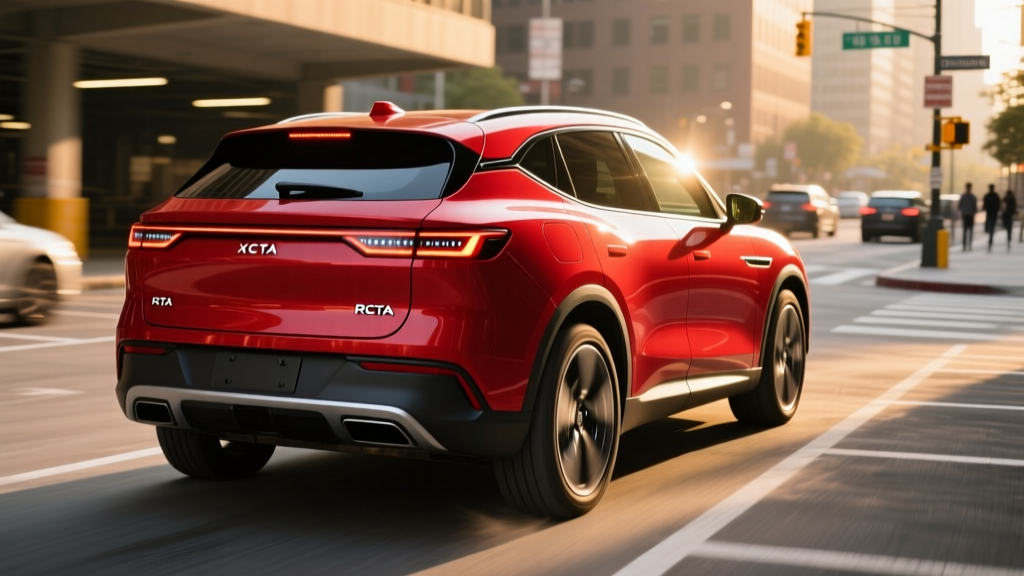
More advanced kits add rear cross-traffic alert (RCTA) functionality, scanning behind the vehicle when reversing out of parking spaces — a feature that's standard on most 2026 EV trims above $35,000 but often missing on base models and older electrified vehicles.
| Feature | Basic ($200-$400) | Mid-Range ($400-$800) | Premium ($800-$1,500) |
|---|---|---|---|
| Blind-spot detection (BSD) | ✓ Ultrasonic | ✓ Radar (24 GHz) | ✓ Radar (77 GHz) |
| Detection range | ~10 ft | ~30 ft | ~50+ ft |
| Rear cross-traffic alert | ✗ | ✓ | ✓ |
| Lane-change assist (predictive) | ✗ | ✗ | ✓ (closing-speed calc) |
| Side-mirror LED indicators | Stick-on | Integrated replacement | Integrated replacement |
| Weather resilience | Poor (rain/snow affects ultrasonic) | Good | Excellent |
Radar vs. Ultrasonic vs. Camera: The Technology Breakdown
The sensor technology is the single biggest differentiator in real-world reliability:
Ultrasonic sensors (similar to parking sensors) are the cheapest but least capable. They detect objects within roughly 10 feet and struggle at highway speeds where closing velocities are high. Rain, snow, and road grime on the sensor face degrade performance significantly.
24 GHz microwave radar is the mid-tier standard. These sensors mount behind the rear bumper fascia (invisible from outside) and reliably detect vehicles 25-30 feet back at varying speeds. They're largely unaffected by weather. Kits like the Brandmotion RDBS-2500 use this technology and have proven reliable across multiple EV platforms.
77 GHz radar is what OEM systems use (and what premium aftermarket kits now offer). The higher frequency allows better resolution and longer range — up to 50+ feet — and enables closing-speed calculations that power lane-change assist. This is the technology in the IIHS-rated OEM systems on vehicles like the Toyota bZ4X and Hyundai Ioniq 5.
Camera-based systems (like the Tesla approach using its surround-view cameras) are not typically available as standalone aftermarket kits. They require integration with a processing unit and display, making them impractical for retrofit unless you're adding a full camera-based mirror-replacement system.
SAE Automation Level: This Is NOT Self-Driving
SAE Level 0 — No Automation. Aftermarket blind spot systems are warning-only (Level 0) or, at most, provide Level 1 intervention if they include active steering correction. They do not control steering, braking, or acceleration in any sustained way. The driver is 100% responsible for vehicle operation at all times.
Even OEM blind-spot systems bundled within Level 2 ADAS suites (like Ford BlueCruise, GM Super Cruise, or Tesla Autopilot) treat blind-spot monitoring as a supplemental warning layer — not a driving function. You must remain fully engaged.
This distinction matters because some premium aftermarket kits market "lane-change assist" features that sound autonomous. What they actually do is calculate whether an approaching vehicle in your blind zone will reach you within a set time window (typically 3-5 seconds) and escalate the warning from a steady LED to a flashing alert with an audible chime. The system never steers or brakes for you.
Installation Costs and What's Involved on an EV
Aftermarket blind spot system installation on an EV involves some unique considerations compared to ICE vehicles:
| Cost Component | Basic Kit | Mid-Range Radar | Premium 77 GHz |
|---|---|---|---|
| Hardware (sensors, module, indicators) | $200 - $350 | $400 - $650 | $750 - $1,200 |
| Professional installation (2-4 hrs) | $150 - $300 | $250 - $500 | $400 - $700 |
| Bumper cover removal (radar behind fascia) | N/A (surface mount) | Often included | Often included |
| Mirror replacement (for integrated LEDs) | $0 (stick-on) | $50 - $150 | $100 - $250 |
| 12V wiring integration | Simple (cigarette lighter) | Fuse-tap to accessory circuit | Fuse-tap + CAN bus (some kits) |
| Total installed | $350 - $650 | $700 - $1,300 | $1,250 - $2,150 |
EV-specific installation notes:
- 12V system access: All aftermarket BSD kits run on the 12V auxiliary system, not the high-voltage traction battery. Installation involves tapping an accessory-switched fuse — a process identical to ICE vehicles. EVs like the Tesla Model Y and Ford Mustang Mach-E have standard 12V fuse boxes accessible for this purpose.
- Bumper material: Many EVs use plastic bumper covers (good for radar penetration). However, some models have rear diffuser panels or aerodynamic elements that complicate sensor placement. A test-fit before final mounting is essential.
- No interference with regen: Blind spot monitoring has zero interaction with regenerative braking or the high-voltage system. There's no risk of warranty conflict with the EV powertrain warranty.
- Tesla-specific concern: Tesla vehicles are notoriously resistant to aftermarket electrical integration due to their proprietary CAN bus and limited fuse-tap options. Several owners report issues with parasitic 12V drain from poorly integrated aftermarket modules. If you're adding BSD to a Tesla, choose a kit with an auto-sleep mode and have it installed by a shop experienced with Tesla electrical architecture.
Real-World Limitations You Must Know
What aftermarket blind spot systems do NOT do:
- They do not steer the vehicle away from danger (no active intervention on aftermarket kits).
- They do not detect motorcycles, bicycles, or pedestrians reliably — most are calibrated for car/truck-sized objects.
- They do not work through metal bumper panels — radar must have a clear path through plastic fascia or be surface-mounted.
- Ultrasonic kits become unreliable in heavy rain, snow buildup, or when mud/debris covers the sensor face.
- They do not integrate with your EV's OEM display screen (Tesla touchscreen, Hyundai Digital Cluster, etc.) — alerts are limited to standalone LED indicators.
- Detection zones are fixed — you cannot adjust them via software like you can with OEM systems in vehicles such as the Kia EV6 or BMW i4.
In real-world highway testing at 65-75 mph, a quality 24 GHz radar kit detects approaching vehicles in the blind zone with roughly 90-95% reliability in dry conditions. The primary failure modes are:
1. Guard wall / barrier reflections: On narrow highways with concrete barriers, radar can bounce returns off the barrier and produce false positives. Premium 77 GHz systems with better angular resolution handle this more gracefully.
2. Curved roads: On tight-radius curves, the sensor's detection cone may point off the roadway, reducing sensitivity to vehicles in the actual adjacent lane.
3. Stationary object filtering: Quality systems filter out stationary objects (guardrails, signs, parked cars) to avoid constant false alerts. Cheap ultrasonic kits often fail at this, producing nuisance alerts that train drivers to ignore the system entirely.
Aftermarket vs. OEM Blind Spot Monitoring: How They Compare
| System | Type | Sensor Tech | RCTA | Active Steering Assist | Cost |
|---|---|---|---|---|---|
| Toyota Safety Sense (bZ4X, Prius PHEV) | OEM | 77 GHz radar + cameras | ✓ | ✓ (gentle nudge) | Included on all trims |
| Hyundai SmartSense (Ioniq 5/6) | OEM | 77 GHz radar | ✓ | ✓ | Included on SEL and above (~$45,000+) |
| Ford Co-Pilot360 (Mach-E, F-150 Lightning) | OEM | Radar + camera fusion | ✓ | ✓ | Standard on most trims |
| Tesla Autopilot (Model 3/Y) | OEM | Camera-only (Tesla Vision) | ✓ | ✗ (warning only) | Included (FSD not required for BSD) |
| Brandmotion RDBS-2500 | Aftermarket | 24 GHz radar | ✓ | ✗ | ~$650 + install |
| EchoMaster BSM-360 | Aftermarket | 77 GHz radar | ✓ | ✗ | ~$1,100 + install |
| Generic ultrasonic kit (Amazon) | Aftermarket | Ultrasonic | ✗ | ✗ | ~$80 - $200 + install |
The key advantage of OEM systems is integration: alerts appear in the instrument cluster or heads-up display, mirror indicators are factory-designed, and the system is calibrated at the assembly line. OEM systems on vehicles like the Hyundai Ioniq 5 also include lane-change assist with gentle steering intervention — something no aftermarket kit currently offers safely.
The advantage of aftermarket is cost and retrofit capability. If you own a 2018-2022 Chevrolet Bolt EV (which lacked BSD on base trims), a $700-$1,300 radar retrofit is dramatically cheaper than trading in for a newer vehicle. It's also the only option for EVs that never offered BSD from the factory, such as early Mitsubishi i-MiEV or Smart EQ Fortwo models.
Which EVs Most Need an Aftermarket Retrofit?
Based on our review of 2026 model-year availability and common gaps in earlier model years, these EVs are the strongest candidates for aftermarket blind spot system installation:
- 2017-2022 Chevrolet Bolt EV/EUV (base trims): BSD was not standard until upper trims and later model years. The Bolt's compact dimensions and upright mirrors create significant blind zones.
- 2018-2022 Nissan Leaf (S and SV trims): Only the SL trim and ProPILOT-equipped models included BSD. The Leaf remains one of the most popular used EVs, making this a high-demand retrofit.
- Early Tesla Model 3 (2018-2020): While Tesla Vision provides blind-spot warnings via the touchscreen, the lack of dedicated mirror-mounted indicators means many drivers miss alerts. Aftermarket LED indicator kits that integrate with Tesla's CAN bus output exist but require specialist installation.
- 2020-2023 Volkswagen ID.4 (base Pro trim): IQ.DRIVE with BSD was standard, but some early base-trim models shipped without the full package due to supply-chain issues. Verify your VIN.
Frequently Asked Questions
Will an aftermarket blind spot system void my EV warranty?
Under the Magnuson-Moss Warranty Act, a dealer cannot void your entire vehicle warranty simply because you installed an aftermarket accessory. However, if the aftermarket kit's wiring causes a 12V electrical fault, the repair for that specific fault may not be covered. Choose a kit with clean fuse-tap integration (not wire-splicing) and keep documentation of professional installation.
Can I install a blind spot system myself on my EV?
Basic ultrasonic kits with stick-on LEDs and cigarette-lighter power can be DIY-installed in about an hour. Radar kits requiring bumper-cover removal, hidden sensor mounting, and fuse-panel integration should be professionally installed. Expect 2-4 hours of labor at $75-$150/hour at an automotive electronics shop.
Do aftermarket systems work in winter weather?
24 GHz and 77 GHz radar systems work through plastic bumper covers and are unaffected by rain, fog, or moderate snow. However, heavy ice buildup on the bumper surface can attenuate the signal. Ultrasonic sensors, by contrast, are directly exposed and fail quickly when coated with ice or road salt residue. If you live in a winter climate, radar is the only sensible choice.
Is blind spot monitoring the same as Tesla's camera-based approach?
No. Tesla uses its surround-view camera array (Tesla Vision) to detect vehicles in blind zones and renders them on the central touchscreen. This works well but requires the driver to glance at the screen rather than checking mirror-mounted indicators. Aftermarket radar kits provide a more traditional — and many argue safer — glance-at-the-mirror alert pattern. They also function independently of Tesla's software, meaning an OTA update cannot degrade their performance.
How does aftermarket BSD compare to the NHTSA-recommended OEM systems?
OEM systems undergo crash-avoidance testing and are calibrated for the specific vehicle's dimensions, mirror geometry, and electrical architecture. Aftermarket systems are generic — they work adequately but lack vehicle-specific calibration. For the best safety outcomes, OEM-integrated BSD is always preferable. Aftermarket is a practical compromise when OEM isn't available or cost-prohibitive.
If you're shopping for an EV and blind-spot monitoring is a priority, check the specific trim's equipment list carefully — it remains a trim-dependent feature on many 2026 models. But if you're already driving an EV without it, a quality 24 GHz or 77 GHz radar kit, professionally installed, delivers 85-95% of OEM functionality at a fraction of the cost of a vehicle trade-in.