Introduction: Two Philosophies of Automated Safety
As advanced driver assistance systems (ADAS) evolve from luxury perks to fundamental safety requirements, the engineering philosophies behind them have begun to diverge. Nowhere is this more apparent than in the technology deep dive comparing Volvo Pilot Assist and the BMW Driving Assistant. Both legacy automakers are aggressively pursuing semi-autonomous capabilities, yet their approaches to sensor hardware, software logic, and driver monitoring reflect distinctly different priorities. Volvo has staked its future on LiDAR integration and conservative, safety-first software envelopes, while BMW relies on advanced radar-camera sensor fusion and dynamic, driver-centric tuning. For consumers and automotive engineers alike, understanding these underlying technological differences is critical to evaluating real-world safety and system reliability.
Hardware Architecture: LiDAR vs. Radar-Camera Fusion
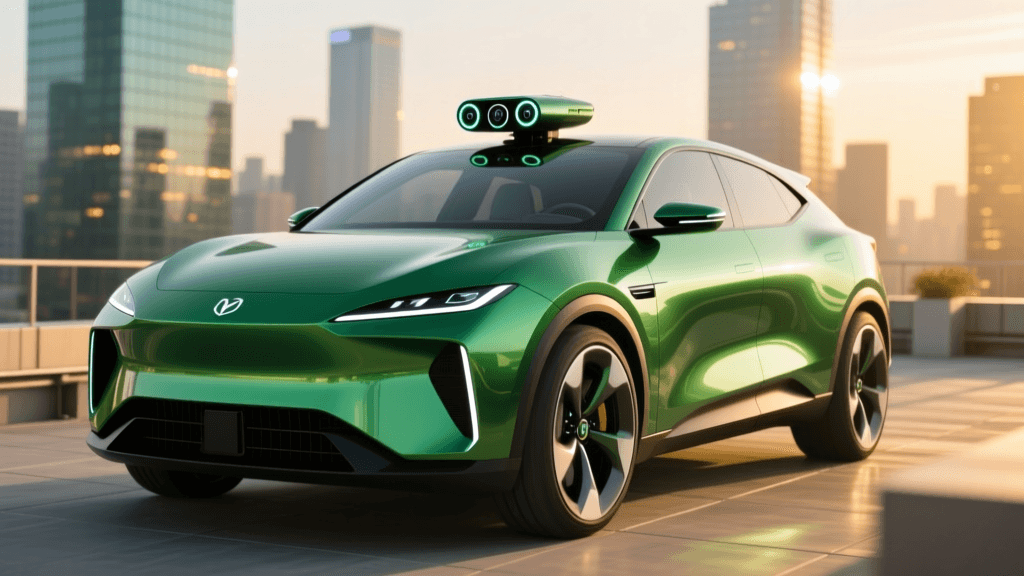
The most significant hardware differentiator between the two systems lies in their perception layers. Volvo’s latest generation of Pilot Assist, debuted on the EX90 and rolling out across its refreshed lineup, incorporates a roof-mounted Luminar LiDAR sensor. This 1550-nanometer wavelength LiDAR system can detect low-reflectivity objects—such as a black tire on dark asphalt—at distances up to 250 meters. This hardware is paired with five radars, eight cameras, and two interior cabin sensors, all processed via a centralized NVIDIA DRIVE Orin system-on-a-chip (SoC) capable of 254 trillion operations per second (TOPS). The inclusion of LiDAR provides a high-resolution, three-dimensional point cloud that operates independently of ambient lighting conditions, fundamentally altering how the vehicle perceives stationary obstacles.
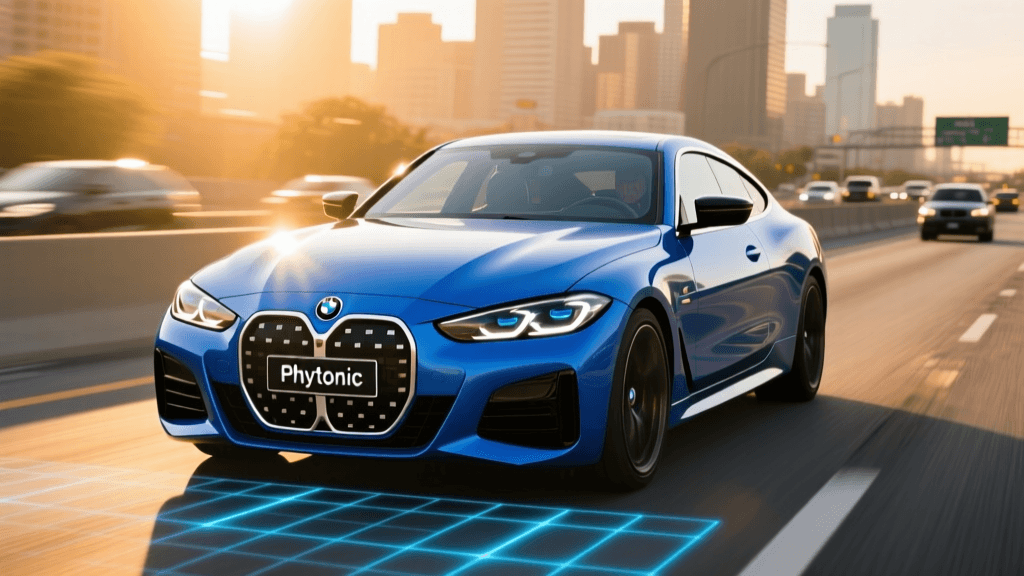
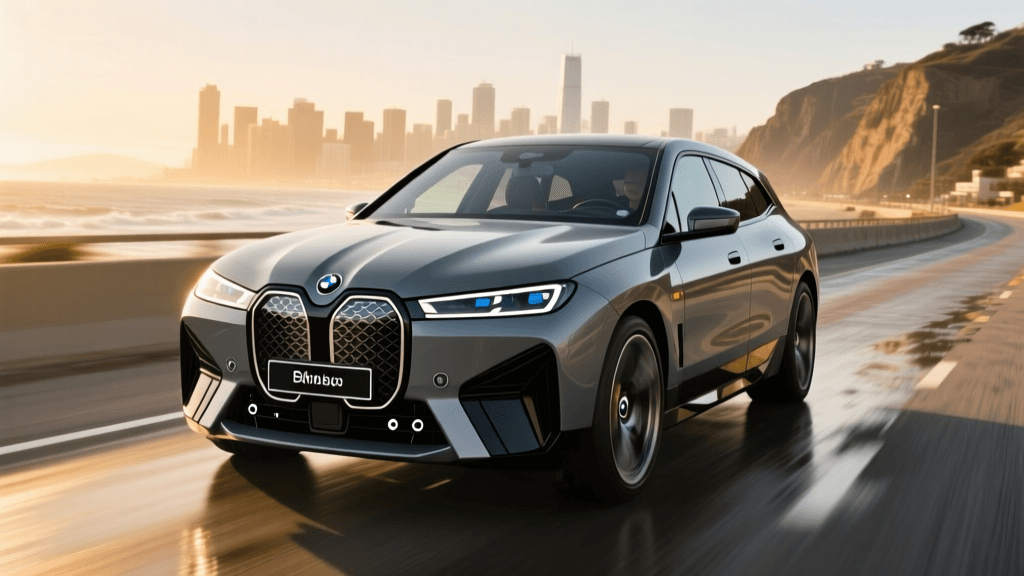
Conversely, the BMW Driving Assistant Professional relies on a highly sophisticated radar and camera fusion network. BMW’s 5th-generation ADAS hardware utilizes long-range radars (capable of tracking objects up to 300 meters away) combined with high-definition front-facing and surround-view cameras. While BMW has historically eschewed LiDAR in its passenger vehicles due to cost and packaging constraints, its sensor fusion algorithms are among the most refined in the industry. By cross-referencing radar velocity data with camera-based object classification, BMW achieves excellent tracking of moving vehicles. However, according to testing methodologies outlined by the Insurance Institute for Highway Safety (IIHS), radar-camera systems without LiDAR can still struggle with edge cases involving stationary, partially obscured, or low-reflectivity objects at highway speeds.
Software Logic and the "Safety Envelope"
Hardware is only as effective as the software interpreting it. Volvo’s software logic is deliberately conservative. Pilot Assist prioritizes early intervention, smooth deceleration, and maintaining a wide lateral buffer from adjacent vehicles. The system is programmed to disengage and alert the driver earlier than competitors if it encounters ambiguous road markings or complex construction zones. This "safety envelope" approach minimizes false confidence, ensuring the driver remains the ultimate fallback.
BMW’s Driving Assistant Professional, by contrast, is tuned for fluidity and driving dynamics. The lane-keeping assist is more aggressive in centering the vehicle, and the automated lane-change feature (activated via turn signal) executes with a responsiveness that mimics a confident human driver. However, this dynamic tuning can occasionally lead to abrupt steering corrections in dense, unpredictable traffic. Furthermore, BMW’s system has historically been prone to "phantom braking" in scenarios involving overhead gantries or shadow transitions in tunnels, a known limitation of camera-heavy perception systems that the National Highway Traffic Safety Administration (NHTSA) continues to monitor across the industry.
Driver Monitoring Systems (DMS): Keeping You Engaged
A critical component of ADAS safety is ensuring the human driver is prepared to take over. Both brands employ advanced Driver Monitoring Systems, but with different hardware implementations.
- Volvo Pilot Assist: Utilizes dual interior cameras equipped with infrared illumination to track eye gaze, blink rate, and head position. Combined with a capacitive steering wheel that detects mere skin contact rather than requiring physical torque, Volvo’s DMS is exceptionally strict. If the system detects your gaze has left the road for more than a few seconds, it initiates a rapid, multi-stage escalation that can ultimately bring the vehicle to a complete, hazard-light-flashing stop.
- BMW Driving Assistant: Employs a single infrared camera mounted on the steering column or instrument cluster. It tracks head pose and eye direction but is generally more forgiving of brief glances away from the road (e.g., checking the center infotainment screen). BMW also utilizes a torque-based steering wheel sensor in many models, requiring the driver to apply slight physical pressure to prove engagement, which some users find more fatiguing on long highway stretches compared to Volvo’s capacitive touch approach.
Independent Safety Testing and Real-World Edge Cases
When analyzing independent crash test and ADAS performance data from organizations like Euro NCAP and the IIHS, both Volvo and BMW consistently score top marks in active safety assist categories. However, a technology deep dive reveals how they handle specific real-world edge cases:
1. Stationary Emergency Vehicles
This is the ultimate stress test for ADAS. Volvo’s LiDAR-equipped Pilot Assist has a distinct advantage here. The LiDAR point cloud identifies the physical mass of a stopped fire truck or police cruiser long before the camera can classify it or the radar can distinguish it from background noise. BMW’s radar-camera fusion relies heavily on the camera to classify the stationary object as an "emergency vehicle" rather than an overhead sign or bridge abutment, which can sometimes result in delayed braking reactions at speeds exceeding 60 mph.
2. High-Speed Cut-Ins
When a vehicle abruptly merges into your lane, processing latency is critical. BMW’s radar excels at instantly detecting the relative velocity and proximity of the cutting-in vehicle, triggering immediate, albeit sometimes harsh, regenerative braking. Volvo’s system, relying on a broader sensor fusion approach including LiDAR, often anticipates the cut-in slightly earlier by tracking the intruding vehicle's lateral trajectory, resulting in a smoother, more comfortable deceleration profile.
Feature Availability, Pricing, and Value
The cost of acquiring these advanced safety suites varies significantly based on the manufacturer's packaging strategy. BMW typically offers the Driving Assistant Professional as a standalone option package, usually priced around $1,700. It is available across a wide range of models, from the 3 Series to the iX, making it highly accessible but an added expense.
Volvo has taken a more democratized approach to its core Pilot Assist features, including them as standard equipment on almost all new models. However, the advanced hardware suite featuring the Luminar LiDAR and NVIDIA Orin processing (often branded under the Advanced Driver Assistance or Ultimate packages) is standard on flagship models like the EX90 but remains a premium upgrade (approximately $1,200 to $1,500) or restricted to higher trims on models like the XC90 and XC60.
Head-to-Head Comparison Table
| Feature | Volvo Pilot Assist (w/ LiDAR) | BMW Driving Assistant Professional |
|---|---|---|
| Primary Perception | LiDAR, Radar, Camera Fusion | Radar, Camera, Ultrasonic Fusion |
| Processing Architecture | NVIDIA DRIVE Orin (Centralized) | Mobileye / BMW Custom SoC (Distributed) |
| Steering Wheel Sensor | Capacitive (Touch-based) | Torque-based (Requires physical input) |
| Interior Monitoring | Dual IR Cameras (Strict Gaze Tracking) | Single IR Camera (Head Pose Tracking) |
| Lane Change Logic | Conservative, Requires Confirmation | Dynamic, Signal-Activated Auto-Change |
| Typical Package Cost | $1,200 - $1,500 (or Standard on EVs) | ~$1,700 Standalone Option |
Final Verdict: Which System is Safer?
From a pure technology and future-proofing perspective, Volvo Pilot Assist equipped with LiDAR holds the safety advantage. The addition of a 1550nm LiDAR sensor provides a redundant, highly accurate perception layer that solves the most dangerous edge cases in ADAS: stationary object detection and low-visibility highway braking. Volvo’s strict driver monitoring and conservative software logic also ensure that the human driver remains properly engaged, mitigating the risks of automation complacency.
However, BMW’s Driving Assistant Professional remains a masterclass in radar-camera sensor fusion. For drivers who prefer a system that feels more natural, dynamic, and capable of executing confident lane changes in dense traffic, BMW’s tuning is exceptional. Ultimately, if your priority is absolute maximum redundancy and cutting-edge hardware for highway cruising, Volvo’s LiDAR-integrated Pilot Assist is the superior safety choice. If you value fluid driving dynamics and highly responsive adaptive cruise control without the premium price tag of LiDAR, BMW’s system remains a top-tier contender in the luxury ADAS space.