Advanced Driver Assistance Systems (ADAS) Troubleshooting Guide
Advanced Driver Assistance Systems (ADAS) have revolutionized vehicle safety, but they are not immune to technical glitches, environmental interference, and sensor blockages. For owners of modern Subaru and Toyota vehicles, encountering dashboard warning lights like 'EyeSight Disabled' or 'PCS Unavailable' can be a frustrating experience. While both the Subaru EyeSight and Toyota Safety Sense (TSS) suites are highly rated for crash prevention, their underlying hardware architectures dictate entirely different troubleshooting methodologies. According to the National Highway Traffic Safety Administration (NHTSA), understanding the limitations and maintenance requirements of your vehicle's ADAS is critical for ensuring these systems function correctly when you need them most. This comprehensive troubleshooting guide compares the most common problems associated with Subaru EyeSight and Toyota Safety Sense, providing actionable, step-by-step solutions to get your safety systems back online.
Understanding the Core Hardware Differences
Before diving into specific error codes, it is essential to understand how these two systems perceive the world. Subaru EyeSight relies primarily on a pair of stereo color cameras mounted near the rearview mirror, inside the windshield. It uses binocular vision to calculate depth, much like human eyes. In contrast, Toyota Safety Sense utilizes a sensor fusion approach, combining a monocular windshield-mounted camera with a millimeter-wave radar sensor typically hidden behind the front grille or Toyota emblem. Because Subaru relies on optical clarity through the glass and Toyota relies on radio waves penetrating the front fascia, their failure points and troubleshooting steps diverge significantly. The Insurance Institute for Highway Safety (IIHS) frequently tests these systems, noting that while both excel in controlled environments, real-world weather and maintenance heavily impact their operational status.
Common Subaru EyeSight Problems and Solutions
Because EyeSight’s stereo cameras look through the upper portion of the windshield, any optical distortion will immediately trigger a system shutdown.
1. The 'EyeSight Disabled' or 'Camera Blocked' Warning
This is the most frequent alert Subaru owners face. It occurs when the cameras cannot see the road clearly.
- Inspect the Trapezoidal Zone: Look at the upper windshield directly in front of the rearview mirror. Even a small smear of road film, bug splatter, or ice in this specific zone will blind the system. Clean this area using a microfiber towel and an ammonia-free glass cleaner.
- Check for Interior Fogging: In high-humidity conditions, the interior glass can fog up directly over the cameras. Turn on the front defroster and direct the HVAC airflow toward the windshield to clear the condensation.
- Evaluate Wiper Blade Condition: Streaking wiper blades that leave water lines across the camera’s field of view will cause the system to disable itself. Replace your wiper blades every six months to maintain optical clarity.
2. Extreme Temperature and Sun Glare Shutdowns
Subaru EyeSight is known to temporarily disable itself in extreme cabin heat or when driving directly into blinding sunrise or sunset glare.
- If the system disables due to heat, ensure your cabin air conditioning is running and directed at the windshield to cool the camera housing.
- For sun glare, the system will usually reboot automatically once the angle of the sun changes. Using polarized sunglasses can reduce driver glare, but it will not affect the cameras; simply wait for the vehicle's heading to change.
Common Toyota Safety Sense (TSS) Problems and Solutions
Toyota’s reliance on front-mounted radar means that optical windshield clarity is less critical for the Pre-Collision System (PCS), but physical obstructions on the front bumper are a major hurdle.
1. 'PCS Unavailable' or 'Radar Obstructed' Warning
This alert indicates that the millimeter-wave radar cannot emit or receive signals properly.
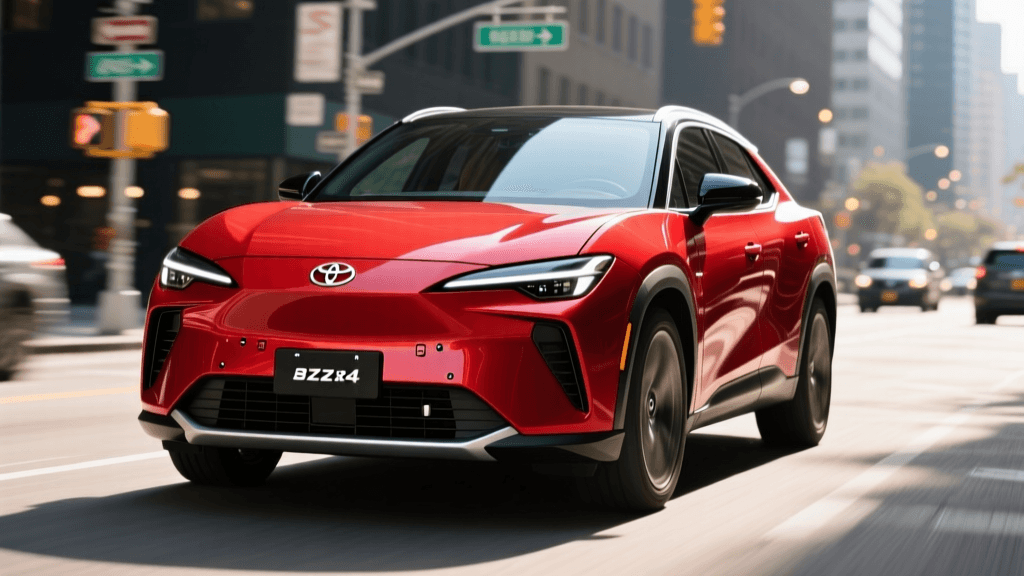
- Clean the Front Emblem: On most modern Toyotas, the radar is housed behind the front grille badge. A buildup of dirt, mud, snow, or even a thick layer of road salt will block the radar waves. Wipe the emblem clean with a damp cloth.
- Check for Bumper Damage: Even a minor parking lot tap that slightly misaligns the front bumper or grille can angle the radar off-center by a few degrees. Because radar operates on a narrow beam, a slight physical misalignment will cause the system to fail. If the emblem is clean but the error persists, a dealer recalibration is required.
2. Lane Departure Alert (LDA) Failures
The LDA relies on the windshield-mounted monocular camera to read painted lane lines.
- Ensure the windshield is clean in the camera’s viewing area.
- Recognize environmental limitations: LDA will intentionally disable itself in heavy rain, fog, or on unmarked rural roads. This is normal operation, not a system failure.
Comparison Table: Quick Troubleshooting Reference
| Issue / Symptom | Subaru EyeSight Cause | Toyota TSS Cause | Recommended DIY Fix |
|---|---|---|---|
| System Completely Disabled | Dirty upper windshield, interior fog, extreme heat | Dirty front emblem, snow packed in grille | Clean camera zone (Subaru) or wipe front badge (Toyota) |
| Lane Centering Failing | Wiper streaks, faded lane lines, direct sun glare | Dirty windshield camera zone, heavy rain | Replace wiper blades, clean glass, wait for weather to clear |
| Phantom Braking | Shadows misinterpreted by stereo cameras | Radar bouncing off metal guardrails or overpasses | Update software at dealer, maintain safe following distance |
| Post-Windshield Replacement Error | Stereo cameras require static target calibration | Camera requires dynamic or static calibration | Seek professional ADAS recalibration (No DIY fix) |
Environmental Interference: Weather and Lighting
Both systems struggle in severe weather, but they fail in different ways. Heavy fog and torrential rain will scatter Subaru’s optical cameras, leading to an immediate system disablement. Toyota’s radar can actually penetrate light fog and rain better than optical cameras, meaning the PCS might remain active when EyeSight has already shut down. However, heavy, wet snow packed into the front grille will completely blind the Toyota radar, whereas Subaru’s cameras, protected inside the heated cabin, will continue to function as long as the wipers keep the glass clear. Consumer Reports emphasizes that drivers must remain vigilant and not over-rely on ADAS during adverse weather conditions, as sensor limitations are a known factor across all brands.
Software Updates and Dealer Recalls
Sometimes, troubleshooting an ADAS issue goes beyond cleaning sensors and requires a software patch. Both Subaru and Toyota periodically release firmware updates to improve object recognition and reduce false-positive braking events. If your EyeSight system frequently phantom-brakes on shadows or overpasses, or if your Toyota TSS aggressively intervenes on curved highway ramps, visit your local dealer. Service departments can flash the latest ADAS firmware onto the vehicle's ECU during routine maintenance. Always ask your service advisor if there are any open Technical Service Bulletins (TSBs) related to the camera or radar modules before paying out of pocket for diagnostic fees.
Windshield Replacement and Professional Recalibration
If your vehicle requires a windshield replacement, your ADAS troubleshooting will likely involve a trip to the dealership or a specialized glass shop.
- Subaru EyeSight Calibration: Because the stereo cameras are highly sensitive to pitch and yaw, replacing the windshield usually requires a static calibration using specialized targets placed at precise distances in front of the vehicle. Expect to pay between $250 and $450 for this procedure.
- Toyota TSS Calibration: Toyota often utilizes dynamic calibration, which involves driving the vehicle at specific speeds on well-marked roads while a technician's laptop communicates with the OBD-II port to align the camera and radar. This can sometimes be less expensive, but if the front radar was disturbed during bodywork, a static radar alignment will be necessary, pushing costs closer to $500.
Never attempt to manually adjust the camera brackets or radar housings yourself. These components require laser-leveled calibration equipment to ensure the vehicle brakes and steers accurately in an emergency.
Conclusion
Troubleshooting Subaru EyeSight and Toyota Safety Sense requires an understanding of their distinct hardware layouts. Subaru owners must prioritize windshield clarity and wiper maintenance to keep the stereo cameras operational, while Toyota owners must ensure the front grille emblem remains free of debris and physically aligned. By following these targeted maintenance and troubleshooting steps, you can minimize dashboard warnings and ensure your vehicle's advanced safety systems are always ready to protect you on the road.