When troubleshooting Advanced Driver Assistance Systems (ADAS), understanding the underlying hardware architecture is the first step toward resolving dashboard warnings and system failures. Subaru EyeSight and Toyota Safety Sense (TSS) are two of the most widely deployed ADAS suites on the road today. According to the Insurance Institute for Highway Safety (IIHS), both systems consistently earn top marks for crash prevention, yet their distinct sensor layouts result in entirely different failure modes, error messages, and troubleshooting protocols.
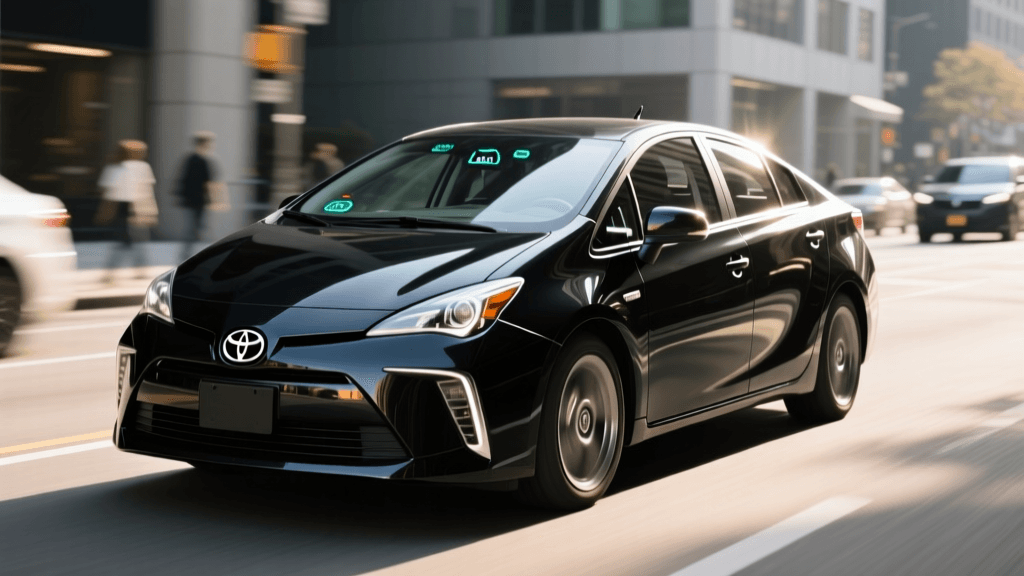
Subaru EyeSight relies almost exclusively on a pair of high-resolution stereo cameras mounted behind the windshield, near the rearview mirror. This binocular vision setup provides excellent depth perception but is highly susceptible to optical obstructions. Conversely, Toyota Safety Sense (specifically TSS 2.0, 2.5, and 3.0 generations) utilizes a hybrid approach: a monocular camera mounted on the windshield paired with a millimeter-wave radar hidden behind the front grille or Toyota emblem. This means Toyota owners often face radar blockage issues, while Subaru owners primarily battle camera visibility errors.
Diagnosing Subaru EyeSight Camera Failures
1. The 'EyeSight Disabled' Condensation Error
The most common complaint among Subaru owners is the sudden appearance of the 'EyeSight Disabled' warning, accompanied by a notification citing poor visibility. Because the stereo cameras look through a specific, small trapezoidal zone of the windshield, any condensation, fog, or frost on the interior glass will blind the system.
Troubleshooting Step: Do not attempt to wipe the camera housing from the outside. Instead, immediately engage the front windshield defroster and turn on the air conditioning (A/C) compressor, even in winter. The A/C acts as a dehumidifier, pulling moisture from the cabin air and clearing the interior glass trapezoid within 60 to 90 seconds. Once the glass is clear, the EyeSight system will automatically reboot and resume operation without requiring a manual reset.
2. Direct Sun Glare and Heat Shutoffs
Subaru's stereo cameras are sensitive to extreme heat and direct, blinding sunlight. If you are driving directly into the sunrise or sunset, the cameras may temporarily overheat or become saturated by light flare, triggering a temporary system shutoff.
Troubleshooting Step: This is a protective thermal measure, not a hardware failure. Deploy your sun visors to block direct light from hitting the upper windshield. If the system shuts down due to heat, park the vehicle in the shade for 15 minutes to allow the camera module to cool below its thermal threshold before restarting the vehicle.
3. Post-Windshield Replacement Calibration Failures
If your EyeSight system fails to engage immediately after a windshield replacement, the cameras have likely lost their spatial calibration. Subaru strictly recommends using Original Equipment Manufacturer (OEM) glass, as aftermarket windshields often have slight variations in the curvature or the black ceramic frit band that houses the cameras, distorting the stereo image.
Troubleshooting Step: If you used aftermarket glass and are experiencing lane departure errors or premature automatic emergency braking (AEB), you must take the vehicle to a certified Subaru dealer for a dynamic recalibration. This process involves driving the vehicle at specific speeds on well-marked roads while the dealer's diagnostic tool maps the camera alignment. Expect to pay between $250 and $400 for this calibration service.
Fixing Toyota Safety Sense Radar and Camera Blockages
1. 'PCS Unavailable' and Radar Obstructions
Toyota's Pre-Collision System (PCS) relies heavily on the millimeter-wave radar located behind the front Toyota emblem or lower grille. When the dashboard flashes 'PCS Unavailable' or 'Radar Blocked,' it is almost always due to physical debris obscuring the radar waves.
Troubleshooting Step: Inspect the front emblem and lower grille for snow, ice, mud, or even heavy bug splatter. Wipe the emblem clean with a damp microfiber cloth. In heavy rain or snowstorms, the system will intentionally disable itself to prevent false positives; this is normal operational behavior. Once the weather clears and the sensor is wiped, the system will automatically reactivate on your next ignition cycle.
2. Lane Tracing Assist (LTA) Line Loss
Toyota's LTA uses the windshield-mounted monocular camera to track painted lane lines. Owners frequently report the system disengaging abruptly or 'hunting' for the center of the lane. This usually occurs in construction zones with faded paint, overlapping temporary yellow lines, or sharp curves where the camera's field of view is limited.
Troubleshooting Step: Verify that the camera housing on the interior windshield is free of smudges and that the wiper blades are not leaving streaks across the camera's line of sight. If the glass is clean and the system still hunts, check your multi-information display settings. Ensure that 'Lane Recognition Sensitivity' is not set too high, which can cause the system to misinterpret road tar seams and shadows as lane boundaries.
3. Bumper Impacts and Radar Misalignment
Unlike Subaru's windshield cameras, Toyota's radar is mounted low on the front fascia. Even a minor fender bender, a bump against a parking block, or a heavy impact from a shopping cart can knock the radar bracket out of alignment by a fraction of a degree. At 50 yards out, a one-degree misalignment translates to the radar tracking the car in the adjacent lane rather than the one directly in front of you.
Troubleshooting Step: If your Adaptive Cruise Control (ACC) is braking erratically or failing to track the lead vehicle after any front-end impact, the radar requires static alignment. A technician will place a specialized radar reflector target at a precise distance and angle from the front bumper. This recalibration typically costs between $300 and $500.
ADAS Calibration Costs and Dealer Interventions
The National Highway Traffic Safety Administration (NHTSA) emphasizes that ADAS components require precise calibration to function safely. When troubleshooting fails to resolve dashboard warnings, professional intervention is mandatory. Here is how the costs and procedures compare between the two brands:
- Subaru EyeSight Windshield Replacement: OEM glass with dealer calibration ranges from $900 to $1,400. The dealer must perform a dynamic drive calibration.
- Toyota TSS Radar Replacement: If the radar unit is damaged, the part costs $400 to $700, plus $300 to $500 for static target alignment in the service bay.
- Toyota TSS Camera Replacement: Replacing the windshield monocular camera requires a static alignment board placed inside the service bay, costing roughly $250 for labor and calibration.
Quick Troubleshooting Comparison Chart
| System Error | Subaru EyeSight Cause | Toyota TSS Cause | Immediate DIY Fix |
|---|---|---|---|
| System Disabled / Poor Visibility | Interior windshield fog or frost | Sun glare on monocular camera | Turn on A/C and front defroster |
| Radar / Sensor Blocked | N/A (No front radar) | Snow, mud, or ice on front emblem | Wipe front Toyota emblem clean |
| Lane Centering Hunting | Faded lane lines or shadows | Dirt on exterior windshield | Clean glass, check wiper blades |
| Post-Repair Calibration Error | Aftermarket windshield installed | Front bumper removed or impacted | Requires dealer tool recalibration |
Final Thoughts on ADAS Maintenance
Troubleshooting Subaru EyeSight and Toyota Safety Sense requires a shift in how drivers perceive vehicle maintenance. Keeping your windshield washer fluid reservoir full with a high-quality, anti-smear solution is no longer just about visibility; it is a critical requirement for keeping your ADAS cameras functional. Similarly, treating your front grille and emblem with care during winter car washes will prevent costly radar misalignments. By understanding the distinct hardware limitations of your specific ADAS suite, you can quickly diagnose dashboard warnings, avoid unnecessary dealer visits, and ensure your vehicle's safety systems are ready to intervene when it matters most.