The Great ADAS Pricing Illusion
When shopping for a new electric, hybrid, or smart-driving vehicle, the window sticker can be a maze of acronyms, packages, and hidden costs. Advanced Driver Assistance Systems (ADAS) are at the center of this confusion. For years, automotive marketing has pushed the narrative that cutting-edge safety and semi-autonomous features are exclusive to luxury brands or top-tier trim levels. But is this actually true? As a senior automotive analyst, I frequently see buyers make expensive mistakes based on outdated assumptions about ADAS pricing. Today, we are busting the most pervasive myths about ADAS feature package pricing across all major brands, comparing the real costs, and helping you avoid paying a premium for technology you might not even need.
Myth 1: You Must Buy the Top Trim to Get Full ADAS
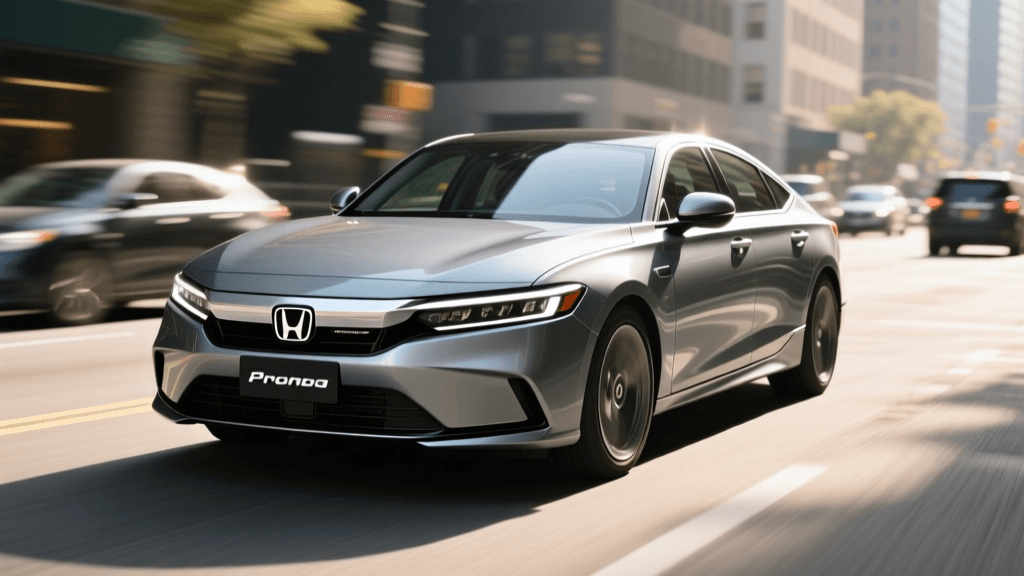
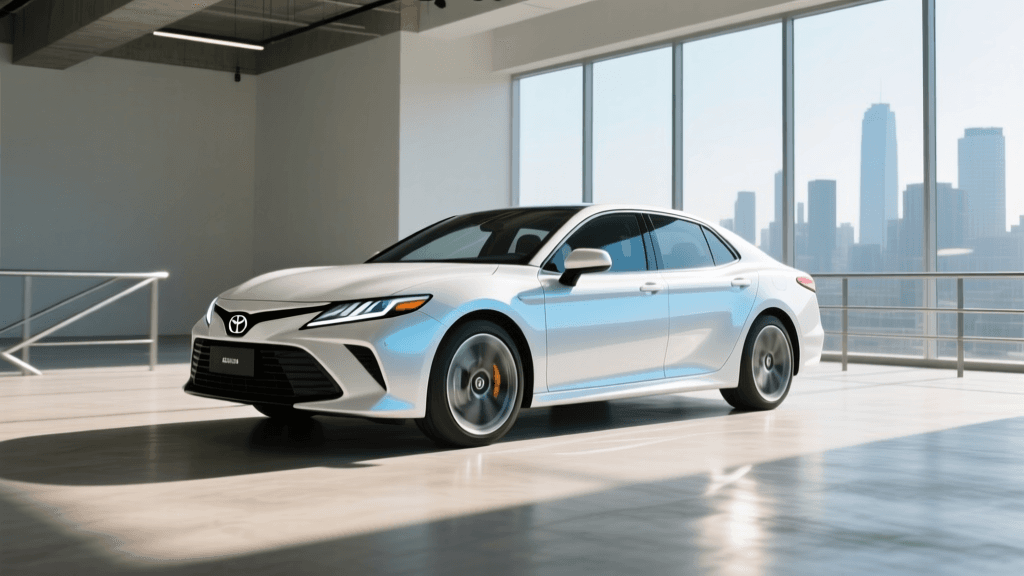
The most common mistake buyers make is assuming they must upgrade to the highest, most expensive trim level to secure comprehensive safety features. This myth stems from the early 2010s, when adaptive cruise control and lane-keeping assist were reserved for luxury flagships. Today, the landscape has shifted dramatically. Mainstream brands like Toyota, Honda, and Subaru have democratized ADAS. Toyota Safety Sense (TSS) and Honda Sensing are now standard equipment on nearly every vehicle in their lineups, from the base-model Corolla to the top-trim Highlander. According to the Insurance Institute for Highway Safety (IIHS), the core purpose of ADAS is crash avoidance, and widespread standardization has been a massive driver in reducing rear-end collisions. By mistakenly paying $4,000 extra for a 'Premium Package' on a mainstream vehicle, buyers often find they are merely upgrading to leather seats and a sunroof, while the core ADAS hardware remains identical to the base model.
Myth 2: All Level 2 Systems Cost Thousands Extra
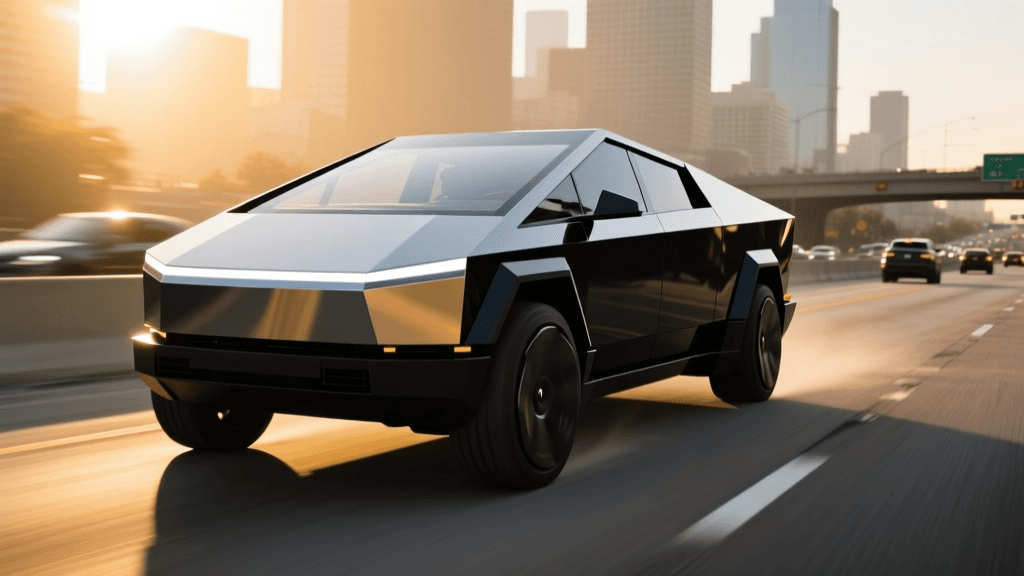
Another prevalent myth is that true Level 2 hands-on semi-autonomous driving requires a massive upfront investment. While it is true that advanced highway driving assistants can be expensive, the pricing models vary wildly. Tesla includes its basic Autopilot (Traffic-Aware Cruise Control and Autosteer) as standard equipment on all vehicles. However, the confusion arises when buyers conflate basic Level 2 with enhanced or 'Full Self-Driving' (FSD) capabilities. Tesla's FSD package costs $8,000 upfront or $99 per month. Conversely, Ford’s BlueCruise and GM’s Super Cruise are often bundled into specific mid-to-high trims rather than sold as standalone $8,000 software packages. For example, BlueCruise hardware might add roughly $2,100 to the price of a Ford Mustang Mach-E Premium, significantly less than Tesla's FSD upcharge. The mistake here is comparing apples to oranges; buyers often look at Tesla's $8,000 FSD price tag and assume all advanced highway assist systems cost that much, scaring them away from highly capable, more affordable alternatives like Hyundai's SmartSense or Nissan's ProPILOT Assist.
Myth 3: Luxury Brands Offer Superior Value for ADAS
Many consumers believe that paying a premium for a BMW, Mercedes-Benz, or Audi guarantees a superior, all-inclusive ADAS experience. In reality, luxury brands are the most aggressive when it comes to compartmentalizing ADAS features behind expensive paywalls. BMW’s Driving Assistant Professional package, which includes Highway Assistant and Active Cruise Control with Stop & Go, typically costs between $1,700 and $2,500 as an add-on. Mercedes-Benz takes this a step further with its Level 3 Drive Pilot system, currently available in Nevada and California on the S-Class and EQS. This system, which allows the driver to legally take their eyes off the road in heavy traffic, costs $2,500 just for the initial activation. Furthermore, luxury brands are increasingly experimenting with 'Functions on Demand'—hardware that is pre-installed in the car but requires a monthly subscription to unlock. As the National Highway Traffic Safety Administration (NHTSA) emphasizes, while these systems assist, the driver remains fully responsible, making the exorbitant subscription fees for 'enhanced' attention-monitoring features a highly debatable value proposition.
Brand-by-Brand ADAS Pricing Breakdown
To cut through the marketing noise, we have compiled a comprehensive comparison matrix of how major automakers price their ADAS suites. This table highlights the stark contrast between mainstream standardization and luxury subscription models.
| Brand | ADAS Suite Name | Base Inclusion | Upcharge / Hardware Cost | Subscription Required? |
|---|---|---|---|---|
| Toyota | Toyota Safety Sense (TSS) | Standard (All Trims) | $0 | No |
| Honda | Honda Sensing | Standard (All Trims) | $0 | No |
| Subaru | EyeSight | Standard (Most Trims) | $0 | No |
| Hyundai | SmartSense | Standard (Most Trims) | $0 - $500 (HDA2) | No |
| Tesla | Autopilot / FSD | Base Standard / FSD Opt. | $8,000 (FSD) | Yes ($99/mo for FSD) |
| GM (Chevy/Cadillac) | Super Cruise | Optional / High Trim | ~$2,000 - $2,500 | Yes (after 3-yr trial) |
| Ford | BlueCruise | Optional / Specific Trims | ~$2,100 (Hardware) | Yes (after trial period) |
| BMW | Driving Assistant Pro | Optional | ~$1,700 - $2,500 | Sometimes (FOD model) |
| Mercedes-Benz | Drive Pilot (Level 3) | Optional (S-Class/EQS) | ~$2,500+ | Varies by region |
The Hidden Costs: Subscriptions and Sensor Calibration
When evaluating ADAS pricing, the initial window sticker is only half the story. The modern automotive industry is pivoting toward software-as-a-service (SaaS) models. GM’s Super Cruise and Ford’s BlueCruise typically come with a 1-to-3-year complimentary trial. After that, owners must pay a monthly or annual subscription fee (often around $75/month or $800/year) to keep the hands-free highway features active. If you plan to keep your vehicle for ten years, that 'free' ADAS system will eventually cost you thousands in recurring fees. Furthermore, repair costs for ADAS-equipped vehicles are significantly higher. A minor fender bender that requires replacing a front bumper now involves recalibrating radar sensors and lidar units. Research highlighted by Consumer Reports shows that many drivers are confused by the naming conventions and actual capabilities, often leading to frustration when they realize their expensive system requires constant software updates or subscription renewals to function as advertised.
Common Buyer Mistakes to Avoid
- Mistake 1: Paying for Hardware You Will Never Subscribe To. If you buy a vehicle with Ford BlueCruise or GM Super Cruise but rarely drive on mapped divided highways, the subscription renewal is a waste of money. Evaluate your actual commute before paying the hardware premium.
- Mistake 2: Ignoring Mainstream Brands for Highway Safety. Many buyers spend $60,000 on a luxury SUV for 'better' safety, unaware that a $30,000 Toyota RAV4 with standard TSS often scores equally well in IIHS crash avoidance and mitigation tests.
- Mistake 3: Believing 'Autopilot' Means 'Self-Driving'. Paying $8,000 for Tesla's FSD under the assumption that you can sleep or read a book is a dangerous and expensive mistake. As the NHTSA repeatedly warns, all currently available consumer systems (except highly restricted Level 3 like Mercedes Drive Pilot in specific traffic jams) require active driver supervision.
- Mistake 4: Overlooking Standard Feature Updates. Brands like Hyundai and Kia frequently update their standard SmartSense suites with Over-The-Air (OTA) updates, adding value to your standard hardware without requiring a new subscription tier.
Conclusion: Buy for Reality, Not Marketing
The ADAS landscape is fraught with marketing illusions designed to upsell you on packages and subscriptions. By understanding the difference between standard crash-avoidance suites (like Toyota Safety Sense and Honda Sensing) and premium hands-free highway assistants (like Super Cruise and BlueCruise), you can make a financially sound decision. Do not fall for the myth that you need a luxury badge or a top-tier trim to be safe on the road. Analyze your driving habits, calculate the long-term subscription costs, and remember that the most expensive ADAS package is rarely a substitute for an attentive driver.