Introduction: Decoding the ADAS Pricing Maze
When shopping for a new electric vehicle, hybrid, or traditional combustion car, the window sticker is often a source of sticker shock. However, one of the most confusing and heavily debated sections of the modern vehicle build sheet is the pricing for Advanced Driver Assistance Systems (ADAS). From Toyota Safety Sense to Tesla’s Full Self-Driving capability, automakers are packaging safety and convenience features in vastly different ways. Some include them as standard equipment, while others lock them behind expensive trim levels, standalone options, or monthly software subscriptions.
Unfortunately, this fragmented pricing landscape has given rise to numerous myths and costly consumer mistakes. Many buyers overpay for redundant hardware, while others mistakenly believe that a premium price tag equates to true, unsupervised autonomy. In this comprehensive comparison, we are busting the most pervasive ADAS pricing myths across all major automotive brands and highlighting the common mistakes buyers make when evaluating these feature packages.
Myth 1: Mainstream ADAS Suites Are Expensive Add-Ons
One of the most persistent myths in the automotive world is that comprehensive safety suites will add thousands of dollars to your final purchase price. Consumers often assume that features like automatic emergency braking, lane-keeping assist, and adaptive cruise control are premium luxuries reserved for high-end trims.
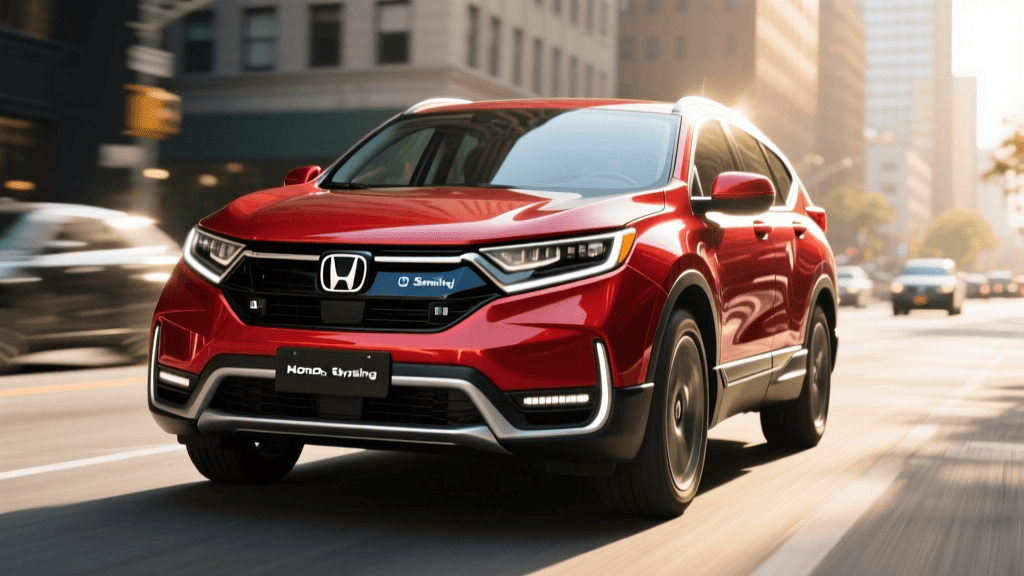
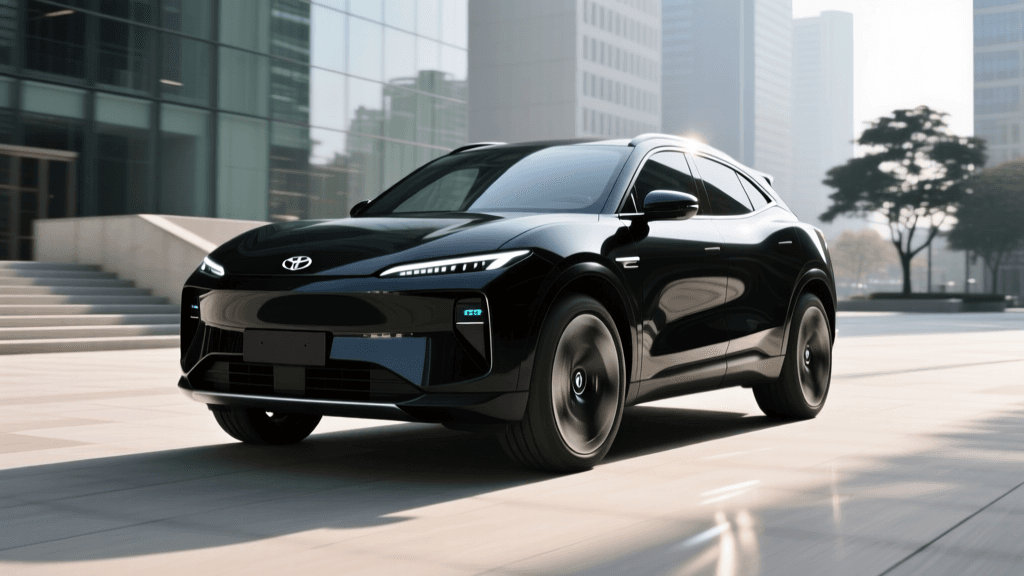
The Reality: Mainstream brands have aggressively standardized their core ADAS offerings. Toyota Safety Sense (TSS), Honda Sensing, and Subaru EyeSight are entirely standard across nearly their entire lineups, from the base-model Corolla or Civic up to their flagship SUVs. You do not pay a premium for these life-saving features; they are baked into the base MSRP.
Conversely, the luxury segment often uses ADAS as a profit center. While a base BMW or Volvo includes fundamental safety tech, accessing advanced highway driving assistants requires upgrading to packages like the BMW Driving Assistant Professional or Volvo Pilot Assist, which can add $1,500 to $2,500 to the vehicle's price. The mistake here is assuming a luxury badge automatically includes top-tier semi-autonomous features without checking the options list.
Myth 2: Paying Upfront Means Lifetime Access (The Subscription Trap)
As vehicles transition into software-defined platforms, the way we pay for ADAS is changing. A common mistake buyers make is purchasing a vehicle equipped with advanced hardware—like the cameras and sensors required for hands-free driving—assuming the software functionality is included for the life of the car.
The Reality: Brands like Ford, General Motors, and Tesla have popularized the subscription model. Ford BlueCruise and GM Super Cruise often come with a complimentary trial period (typically one to three years). Once that trial expires, owners must pay a monthly or annual subscription fee (ranging from $70 to $200 annually) to keep the hands-free highway assist features active. If you buy a used EV with Super Cruise hardware, you might be hit with an activation fee and a new subscription cost.
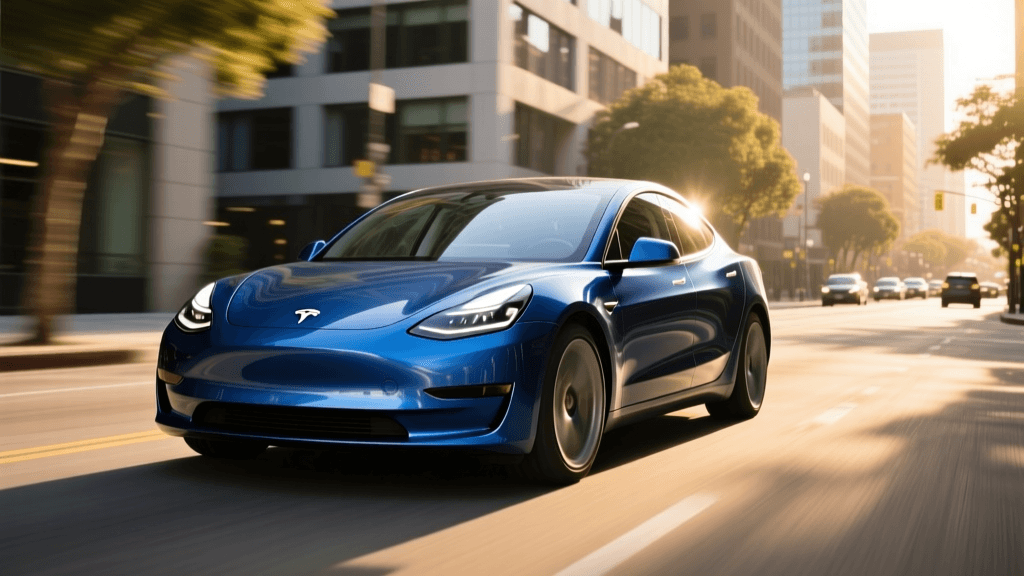
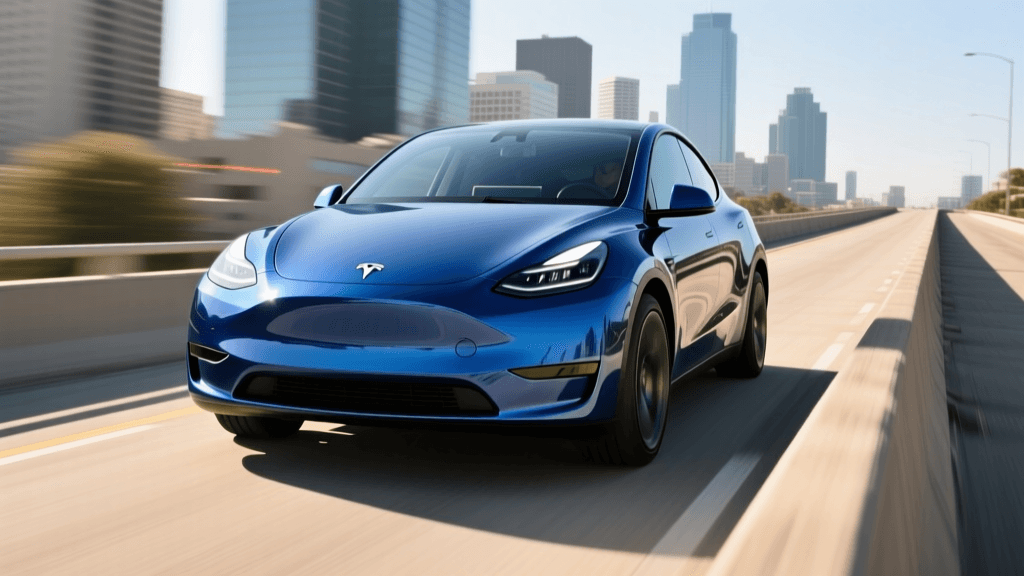
Tesla takes this a step further. While basic Autopilot is standard, the highly marketed Full Self-Driving (FSD) Capability package requires either a massive $8,000 upfront payment or a $99/month subscription. The myth that FSD is a one-and-done purchase that guarantees future autonomous capabilities has led to significant buyer remorse, especially as regulatory scrutiny delays feature rollouts.
Myth 3: Level 3 ADAS is Ready and Included in Luxury Price Tags
With the advent of Level 3 autonomous driving systems, many luxury car shoppers assume that paying over $100,000 for a flagship sedan automatically grants them the ability to legally take their eyes off the road and hands off the wheel.
The Reality: The Mercedes-Benz Drive Pilot system is a groundbreaking Level 3 ADAS, but it is neither free nor universally available. In the U.S., it is offered as a subscription (currently priced around $2,500 per year in markets like California and Nevada) and is strictly geofenced to specific highways, under specific speeds (usually under 40 mph in heavy traffic), and in optimal weather conditions. The myth that luxury pricing equals ubiquitous, unsupervised autonomy is a dangerous and expensive misconception.
According to the National Highway Traffic Safety Administration (NHTSA), regardless of the price tag or subscription model, drivers must remain engaged, making the 'full autonomy' pricing myth a dangerous misconception that can lead to severe safety risks.
ADAS Feature Package Pricing Comparison Chart
To help you navigate the true costs, we have compiled a comprehensive pricing comparison across the industry's most prominent ADAS suites. Note that prices are approximate and subject to change based on model year and regional availability.
| Brand | ADAS Suite Name | Base Inclusion Cost | Premium / Subscription Cost | Hands-Free Highway Assist? |
|---|---|---|---|---|
| Toyota | Toyota Safety Sense (TSS 3.0) | Standard (Included) | $0 (No advanced hands-free sub) | No (Lane Tracing requires hands on wheel) |
| Honda | Honda Sensing | Standard (Included) | $0 | No |
| Subaru | EyeSight Driver Assist | Standard (Included) | $0 | No |
| Hyundai | Hyundai SmartSense / HDA 2 | Standard on most trims | Included in higher trims (No sub) | No (Hands-on detection required) |
| Ford | BlueCruise | Hardware often bundled | $75/mo or $800/yr (after trial) | Yes (on mapped divided highways) |
| GM (Chevy/Cadillac) | Super Cruise / Ultra Cruise | Hardware bundled in premium trims | $25/mo or $250/yr (after trial) | Yes (on mapped divided highways) |
| Tesla | Autopilot / FSD Capability | Basic Autopilot Standard | $8,000 upfront or $99/mo for FSD | No (Supervised hands-on required) |
| BMW | Driving Assistant Professional | Base Assist Standard | $1,700 - $2,500 one-time add-on | Yes (Highway Assistant on select models) |
| Volvo | Pilot Assist / Pilot Assist Pro | Base Pilot Assist Standard | Often bundled in Plus/Ultimate trims | No (Hands-on required) |
| Mercedes-Benz | Drive Pilot (Level 3) | Base Active Assist Standard | ~$2,500/year subscription | Yes (Level 3, geofenced/speed limited) |
Common Buyer Mistakes When Purchasing ADAS Packages
Beyond believing the myths, consumers frequently make tactical errors at the dealership or when ordering online. Here are the most common ADAS purchasing mistakes to avoid:
1. Confusing Hardware Capability with Software Activation
When buying a used or certified pre-owned EV, a common mistake is seeing "FSD Hardware 4.0" or "BlueCruise Equipped" on the spec sheet and assuming the software is active. In most cases, ADAS software licenses do not transfer to the second owner. You may buy a car with the cameras and sensors, only to find out you must pay the full activation fee or subscription cost to turn the features on. Always verify software license transferability with the manufacturer before signing the paperwork.
2. Overestimating the Resale Value of ADAS Upgrades
Buyers often justify spending $8,000 on Tesla FSD or $2,500 on a luxury ADAS package by telling themselves it will increase the vehicle's resale value. According to automotive depreciation studies and insights from the Insurance Institute for Highway Safety (IIHS), while ADAS features reduce crash rates and make cars more desirable, the financial return on premium software packages at trade-in time is notoriously poor. Dealerships and private buyers rarely pay dollar-for-dollar for used ADAS software, especially subscription-based features that the new owner will have to continue paying for.
3. Ignoring the Hidden Costs of ADAS Calibration and Repair
Another massive blind spot is the post-purchase maintenance cost. ADAS relies on a complex network of LiDAR, radar, ultrasonic sensors, and high-definition cameras. If you are involved in a minor fender bender, or even if you need a windshield replacement, these sensors require precise recalibration. A simple windshield replacement on a car equipped with Subaru EyeSight or GM Super Cruise can cost two to three times more than a standard vehicle due to the mandatory camera recalibration process. Buyers must factor these potential out-of-pocket costs into their long-term ownership budgets.
4. Paying for Redundant Trim-Level Packages
Automakers often bundle ADAS features into expensive "Technology" or "Premium" trim packages. A common mistake is upgrading to a $4,000 package solely to get Adaptive Cruise Control with Lane Centering, not realizing that the brand's standard safety suite (like Honda Sensing) already includes a highly capable version of this exact feature. Always cross-reference the specific ADAS capabilities of the base trim versus the upgraded package to ensure you aren't paying for redundant technology.
Conclusion: Buy for Reality, Not Marketing
The landscape of ADAS pricing is shifting from one-time hardware purchases to ongoing software relationships. By busting the myths surrounding mainstream standardization, subscription traps, and Level 3 autonomy costs, you can approach the dealership with a clear head. Whether you are opting for the inclusive, zero-subscription peace of mind of Toyota Safety Sense, or investing in the hands-free convenience of GM Super Cruise, understanding the true lifetime cost of these systems is the key to making a smart, safe, and financially sound automotive purchase.