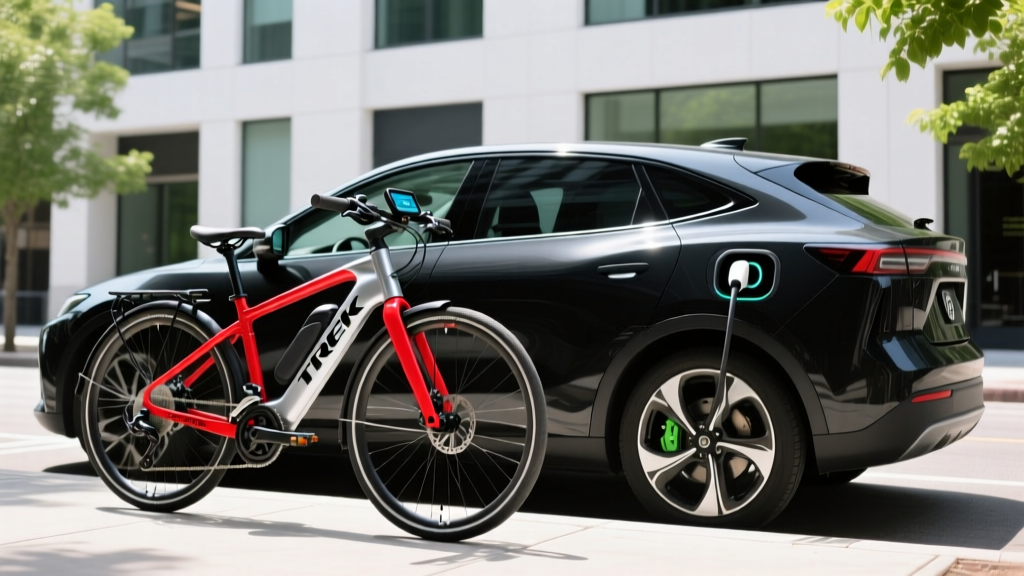
The Trek Verve+ 4S Gen 3 electric hybrid bike has become one of the most searched commuter e-bikes in 2026, and for good reason: it promises car-replacement capability at a fraction of the cost. But how does it actually stack up against a plug-in hybrid vehicle (PHEV) for daily commuting? This guide breaks down the real numbers — range, energy cost, tax incentives, and ownership practicality — so you can decide whether an e-bike or a PHEV is the smarter buy for your commute.
Clarifying "Hybrid": E-Bike vs. Automobile Hybrid
Before we compare specs, we need to clear up a terminology collision. When Trek markets the Verve+ 4S Gen 3 as an "electric hybrid bike," they mean a pedal-assist bicycle with a Bosch electric motor system — not a hybrid automobile. In the automotive world, "hybrid" means a vehicle combining a gasoline engine with an electric motor.
Automotive Hybrid Definitions
| Type | Plug In? | Electric-Only Range | Example (2026) |
|---|---|---|---|
| HEV (Conventional Hybrid) | No — charges via regenerative braking and engine | 0–1 miles at very low speed | Toyota Prius (57 MPG combined) |
| PHEV (Plug-In Hybrid) | Yes — Level 1/Level 2 AC charging | 25–50+ miles on battery alone | Toyota RAV4 Prime (42 mi EV range) |
| BEV (Battery Electric Vehicle) | Yes — AC + DC fast charging | 200–400+ miles | Tesla Model Y (320 mi EPA) |
The Trek Verve+ 4S Gen 3 sits outside this taxonomy entirely. It's a Class 3 e-bike (pedal-assist up to 28 mph) powered by a Bosch Performance Line Sport motor and a 500 Wh (0.5 kWh) PowerTube battery. It has no gasoline engine, no tailpipe, and requires no driver's license in most US states.
Trek Verve+ 4S Gen 3: Key Specifications
| Spec | Trek Verve+ 4S Gen 3 (2026) |
|---|---|
| Motor | Bosch Performance Line Sport, 250W nominal |
| Battery | Bosch PowerTube 500 Wh (0.5 kWh), lithium-ion |
| Assist Type | Pedal-assist, Class 3 (up to 28 mph) |
| Estimated Range | 30–60 miles (varies by assist level, terrain, rider weight) |
| Charge Time (0–100%) | ~3.5 hours (Bosch 4A charger, 120V outlet) |
| Top Assisted Speed | 28 mph (Class 3) |
| Weight | ~47 lbs |
| MSRP | ~$3,850 |
| Federal Tax Credit | None — e-bikes do not qualify for §30D credit |
The 500 Wh battery is the e-bike equivalent of a car's kWh rating — but at 0.5 kWh, it holds roughly 1/150th the energy of a typical PHEV battery (which ranges from 13 to 18 kWh usable). That's why an e-bike's "range" is measured in tens of miles, not hundreds.
PHEV Commuter Benchmark: 2026 Toyota RAV4 Prime
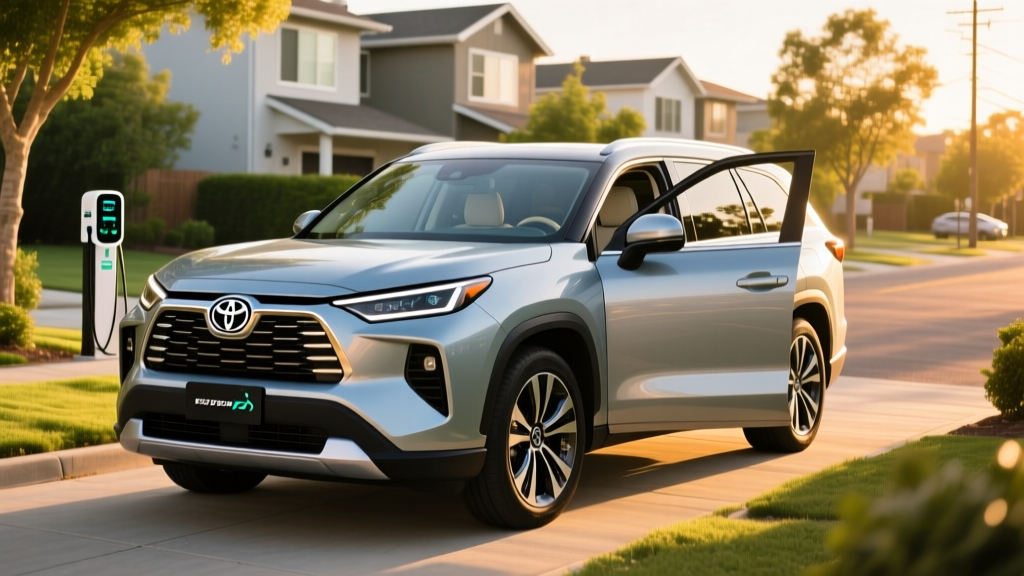
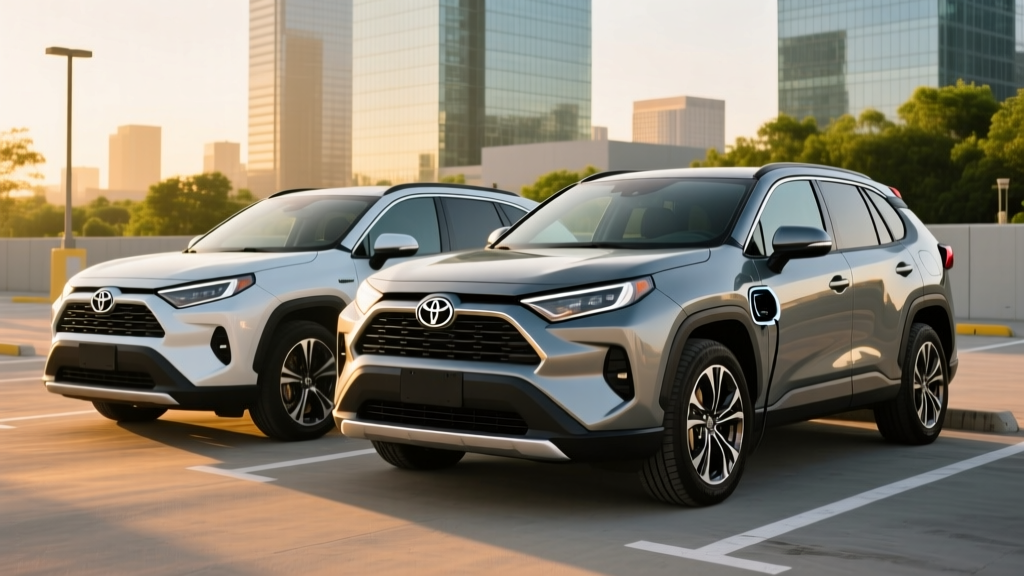
To give the Trek a fair automotive comparison, we'll use the 2026 Toyota RAV4 Prime as our PHEV benchmark — one of the best-selling plug-in hybrids in the US.
| Spec | 2026 Toyota RAV4 Prime |
|---|---|
| Powertrain | 2.5L 4-cyl + electric motors, 302 combined HP |
| Battery | 18.1 kWh lithium-ion (usable ~14.9 kWh) |
| EV-Only Range | 42 miles (EPA) |
| Total Range (EV + Gas) | ~600 miles |
| MPG (Hybrid Mode, Combined) | 38 MPG combined (94 MPGe in EV mode) |
| Charge Time (Level 2, 240V) | ~2.5 hours to full |
| DC Fast Charge | No — AC only (Level 1/2) |
| Starting MSRP | ~$44,500 |
| Federal §30D Tax Credit | Up to $7,500 (subject to income, MSRP cap, and battery sourcing rules — see IRS §30D guidelines) |
| Battery Warranty | 10 years / 150,000 miles (hybrid battery) |
Energy Cost Per Mile: E-Bike vs. PHEV vs. Gas Car
Here's where the Trek Verve+ 4S Gen 3 shines — energy cost per mile is dramatically lower than any car.
| Vehicle | Energy Source | Cost Per Mile (est.) |
|---|---|---|
| Trek Verve+ 4S Gen 3 | Electricity (~$0.16/kWh avg US) | ~$0.002/mile (~$0.20 per full charge) |
| RAV4 Prime (EV mode) | Electricity | ~$0.04/mile |
| RAV4 Prime (hybrid/gas mode) | Gasoline (~$3.50/gal) | ~$0.09/mile |
| Average gas sedan (28 MPG) | Gasoline | ~$0.125/mile |
For a 15-mile round-trip commute, 250 days/year, the Trek costs roughly $5/year in electricity. The RAV4 Prime in EV mode costs about $150/year. A conventional gas sedan? Around $470/year in fuel alone. Over five years, the e-bike saves $2,300+ in energy versus a gas car — but the PHEV offers weather protection, cargo space, and highway capability the bike cannot match.
Real-World Range: What the Numbers Actually Mean
Range Reality Check
Trek Verve+ 4S Gen 3: Bosch estimates 30–60 miles per charge depending on assist mode (Eco, Tour, Sport, Turbo), rider weight, terrain, and wind. In real-world commuting at Sport/Turbo assist on flat urban terrain, expect ~35–45 miles. Cold weather (below 40°F) can reduce range by 15–25%.
RAV4 Prime: EPA rates 42 miles EV-only. Real-world highway driving at 70 mph typically yields 32–38 EV miles before the gas engine engages. In cold weather with cabin heating, expect 28–35 EV miles.
Neither vehicle achieves its maximum range under all conditions. The Trek's range is highly dependent on how much assist you use — ride in Eco mode and pedal hard, and you'll hit 55+ miles. Commute in Turbo with a backpack and headwind, and 30 miles is realistic. The PHEV's advantage is the gasoline fallback: even if you exhaust the battery, the 38 MPG hybrid mode means you're never stranded.
Tax Credits and Incentives: Who Gets What?
§30D Federal Tax Credit — Hybrids vs. E-Bikes
- PHEVs (RAV4 Prime, etc.): May qualify for up to $7,500 under IRS §30D, subject to: buyer income caps ($150K single / $300K joint), MSRP cap ($80K SUVs/vans, $55K sedans), critical mineral and battery component sourcing requirements, and point-of-sale transfer option. Verify current eligibility at irs.gov.
- HEVs (conventional hybrids like Prius): Do NOT qualify for the §30D federal credit — they are not plug-in vehicles.
- E-Bikes (Trek Verve+ 4S Gen 3): Do NOT qualify for §30D. A proposed federal e-bike tax credit (up to $1,500 / 30% of cost) has been introduced in Congress multiple times but as of early 2026 has not been enacted. Some states and local utilities offer e-bike rebates — check your state energy office or AFDC incentive database.
Reliability, Battery Lifespan, and Replacement Costs
Both the Trek's Bosch system and the RAV4 Prime's Toyota hybrid system have strong reliability track records, but the economics of battery replacement differ enormously.
| Factor | Trek Verve+ 4S Gen 3 (Bosch) | Toyota RAV4 Prime |
|---|---|---|
| Battery Warranty | 2 years / 500 charge cycles (Bosch); frame lifetime | 10 years / 150,000 miles (hybrid battery) |
| Expected Battery Lifespan | 4–7 years with regular use before noticeable capacity loss | 12–15+ years typical; gradual degradation |
| Battery Replacement Cost | ~$700–$900 (Bosch PowerTube 500) | ~$3,000–$5,000 (dealer replacement) |
| Motor Reliability | Bosch mid-drive: very reliable, sealed unit | Toyota hybrid transaxle: proven over 20+ years |
| General Reliability | Bicycle components (chain, brakes, tires) require regular maintenance | Standard auto maintenance; Toyota reliability rated highly by IIHS and consumer surveys |
The Trek's battery replacement is cheaper in absolute terms ($700–$900 vs. $3,000–$5,000), but it represents ~20% of the bike's purchase price versus ~8% of the RAV4 Prime's. Toyota's 10-year hybrid battery warranty is one of the strongest in the industry and covers capacity below 70% of original. Most Toyota hybrid batteries outlast their warranty period by years.
Who Should Choose What? A Decision Framework
Choose the Trek Verve+ 4S Gen 3 If:
- Your one-way commute is under 20 miles on bike-friendly roads
- You want near-zero fuel cost and minimal maintenance
- You don't need to carry passengers or large cargo
- You live in a mild climate or are willing to ride in rain/cold
- You want to avoid car insurance, registration, and parking costs
- Budget is ~$3,500–$4,500 all-in
Choose a PHEV (RAV4 Prime) If:
- You need all-weather, highway-capable transportation
- Your commute exceeds 40 miles round-trip (gas backup eliminates range concern)
- You carry passengers, groceries, or gear regularly
- You can charge at home (Level 2, 240V) to maximize EV-mode usage
- You want one vehicle for commuting AND road trips
- Budget is $37,000–$50,000+ after potential tax credits
Hybrid vs. PHEV vs. EV vs. E-Bike: Quick Comparison
| Factor | E-Bike (Trek Verve+) | HEV (Prius) | PHEV (RAV4 Prime) | BEV (Model Y) |
|---|---|---|---|---|
| Commute Range | 30–60 mi | 550+ mi (gas) | 42 mi EV / 600+ mi total | 300+ mi |
| Plug In Required? | Yes (120V) | No | Yes (for EV mode benefit) | Yes |
| Energy Cost/Mile | ~$0.002 | ~$0.06 | ~$0.04 EV / $0.09 gas | ~$0.04 |
| Federal Tax Credit | None | None | Up to $7,500* | Up to $7,500* |
| Weather Protection | None (rider exposed) | Full | Full | Full |
| Highway Capable? | No (28 mph max) | Yes | Yes | Yes |
*§30D credit subject to income, MSRP, and sourcing eligibility per IRS rules.
Frequently Asked Questions
How many MPG does the RAV4 Prime hybrid get?
The EPA rates the RAV4 Prime at 40 city / 36 highway / 38 combined MPG in hybrid mode (after the battery is depleted). In EV mode, it achieves 94 MPGe. Real-world city driving often exceeds the EPA city figure due to regenerative braking efficiency — many owners report 40–44 MPG in urban stop-and-go.
How far can the RAV4 Prime go on electric only?
EPA-rated EV-only range is 42 miles. Real-world highway driving at 70+ mph typically yields 32–38 miles. In cold weather with heating, expect 28–35 miles. For most commutes under 30 miles round-trip, owners rarely use gasoline at all.
Does the Trek Verve+ 4S Gen 3 qualify for any tax credit?
No federal tax credit applies to e-bikes as of 2026. The §30D credit covers only plug-in motor vehicles (PHEVs and BEVs). Some states, cities, and utility companies offer e-bike purchase rebates — check the AFDC state incentive database for local programs.
Is the Trek Verve+ 4S Gen 3 reliable?
The Bosch Performance Line Sport motor and PowerTube battery system is among the most reliable e-bike drivetrains available. Bosch has decades of automotive electronics experience, and their mid-drive systems are sealed against weather. Standard bicycle maintenance (chain, brake pads, tires) applies. Battery capacity will gradually decline after 4–6 years of heavy use; replacement costs ~$700–$900.
Hybrid vs. PHEV vs. EV vs. E-Bike — which fits me?
If your commute is short and bike-safe, the Trek Verve+ 4S Gen 3 offers unbeatable per-mile cost. If you need car capability with minimal fuel use and can charge at home, a PHEV like the RAV4 Prime is the best of both worlds — electric commuting with gas-powered road trips. If you drive mostly in-city and can charge at home, a BEV eliminates gasoline entirely. A conventional HEV (like the Prius) makes sense if you cannot charge at home but want better MPG than a gas-only car.
What is the battery warranty on Toyota hybrid vehicles?
Toyota covers hybrid batteries for 10 years or 150,000 miles (whichever comes first) on 2026 models. This warranty covers defects and capacity loss below a defined threshold (typically 70% state of health). Replacement outside warranty runs $3,000–$5,000 at a dealer, though refurbished batteries are available for less. Many Toyota hybrid batteries last 15+ years with gradual degradation.