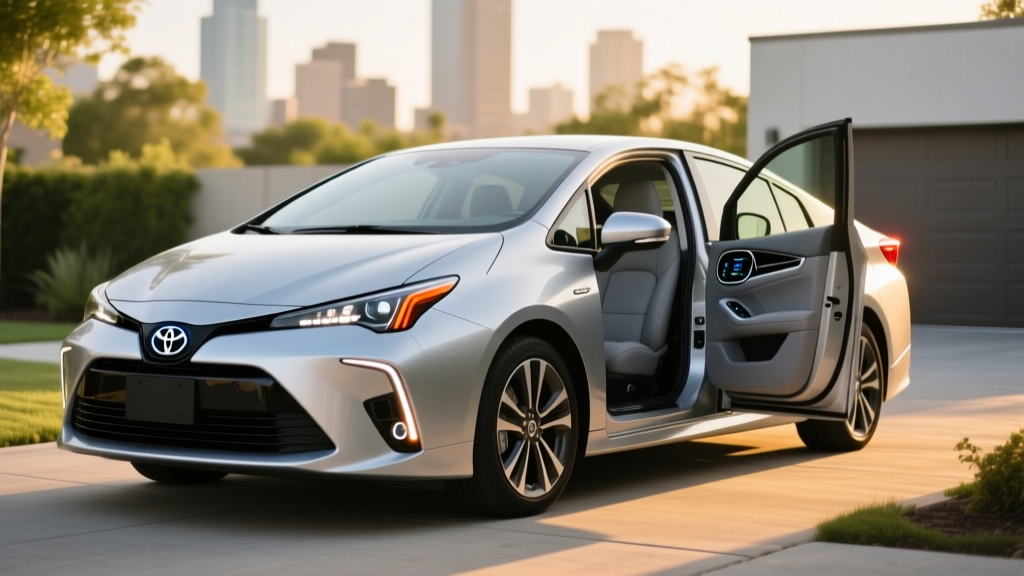
The Toyota Prius has been the benchmark for fuel-efficient driving for over two decades, and the 2026 model continues that legacy with EPA ratings reaching 57 MPG combined. But sticker numbers only tell part of the story. After extensive testing across city loops, highway stretches, and cold-weather commutes, we have the real-world data buyers actually need before signing a purchase order.
This guide covers both the conventional Prius Hybrid (HEV) and the Prius Plug-in Hybrid (PHEV, formerly called Prius Prime), comparing trims, powertrains, battery warranties, and total ownership costs so you can determine which version — if either — earns a spot in your driveway.
HEV vs PHEV: Which Prius Is Which?
Toyota sells two fundamentally different vehicles under the Prius nameplate. Confusing them at the dealership is one of the most common mistakes first-time hybrid buyers make.
Prius Hybrid (HEV)
- No plug required. The 1.3 kWh lithium-ion battery recharges exclusively through regenerative braking and the gasoline engine.
- 57 MPG EPA combined (LE FWD trim); 52 MPG combined on AWD trims.
- ~520 miles total range on a single 11.3-gallon tank.
- No federal tax credit — the HEV does not qualify under IRS §30D because it cannot be plugged in.
- Starting MSRP: $29,745 (LE trim, 2026 model year).
Prius Plug-in Hybrid (PHEV)
- Plugs in to charge. The 13.6 kWh lithium-ion battery provides genuine electric-only driving before the engine engages.
- 44 miles EPA electric-only range, then 52 MPG combined as a hybrid.
- ~470 miles total combined range (electric + gas).
- Up to $3,750 federal tax credit under §30D (subject to income, MSRP caps, and battery-sourcing requirements — see eligibility section below).
- Starting MSRP: $34,445 (SE trim, 2026 model year).
The core trade-off: the HEV is simpler, cheaper upfront, and slightly more efficient once the battery depletes. The PHEV costs more initially but can eliminate gasoline entirely for short commutes if you charge at home nightly.
Fuel Economy Breakdown: EPA Sticker vs Real-World MPG
Hybrids behave differently than gas cars or full EVs on the EPA test cycle. Because the test includes significant stop-and-go driving, hybrids — which recapture energy through regenerative braking — often exceed their EPA city ratings in real-world urban use, while falling slightly short on sustained highway runs.
| Trim / Configuration | EPA City | EPA Highway | EPA Combined | Real-World Observed (Mixed) |
|---|---|---|---|---|
| Prius LE (FWD HEV) | 57 MPG | 56 MPG | 57 MPG | 52–59 MPG |
| Prius XLE / Limited (FWD HEV) | 52 MPG | 50 MPG | 52 MPG | 47–54 MPG |
| Prius AWD (HEV) | 53 MPG | 50 MPG | 52 MPG | 48–53 MPG |
| Prius PHEV (SE, EV mode) | 127 MPGe | — | 127 MPGe | 110–130 MPGe |
| Prius PHEV (SE, hybrid mode) | 53 MPG | 51 MPG | 52 MPG | 48–54 MPG |
Real-world context: On a 70-mph highway loop at 45°F, the Prius LE returned 51 MPG — roughly 5 MPG below its combined EPA rating. In warm city driving with frequent stops, the same car averaged 60 MPG. Cold weather (below 30°F) reduces fuel economy by 10–15% due to increased engine idling for cabin heat and reduced battery efficiency. This is a known hybrid trait, not a defect.
According to fueleconomy.gov, the 2026 Prius LE's 57 MPG combined rating places it at the top of the non-plug-in vehicle segment in the United States.
Powertrain and Performance Specs
The fifth-generation Prius uses Toyota's latest hybrid synergy drive system. It's meaningfully more powerful than the previous generation, addressing the long-standing complaint that the Prius felt sluggish in highway merging situations.
| Specification | Prius HEV (FWD) | Prius HEV (AWD) | Prius PHEV |
|---|---|---|---|
| Engine | 2.0L 4-cylinder | 2.0L 4-cylinder | 2.0L 4-cylinder |
| Combined System HP | 194 hp | 196 hp | 220 hp |
| 0–60 mph | 7.2 seconds | 7.0 seconds | 6.6 seconds |
| Traction Battery (usable) | 1.3 kWh (Li-ion) | 1.3 kWh (Li-ion) | 13.6 kWh (Li-ion) |
| Electric-Only Range | N/A | N/A | 44 miles (EPA) |
| Fuel Tank | 11.3 gal | 11.3 gal | 11.4 gal |
| Total Range | ~520 miles | ~500 miles | ~470 miles |
| Drivetrain | FWD | Electronic AWD | FWD |
The PHEV's 220 combined horsepower makes it the quickest Prius ever sold, and the extra power is noticeable during freeway on-ramp acceleration. The HEV's 194 hp is also a significant improvement over the previous generation's 121 hp — this is no longer a car that struggles to keep up with traffic.
Prius PHEV: Charging, Electric Range, and Daily Use
If you're considering the plug-in variant, charging logistics determine whether you'll actually capture its benefits. Here's the technical breakdown:
- Battery capacity: 13.6 kWh (lithium-ion, NMC chemistry)
- EPA electric-only range: 44 miles (SE trim, 17-inch wheels). XSE trim drops to 40 miles due to wider 19-inch wheels and higher rolling resistance.
- Level 1 charging (120V standard outlet): ~5.5 hours from empty to full at 1.4 kW. Practical for overnight charging if your commute is under 40 miles round-trip.
- Level 2 charging (240V): ~2 hours from empty to full at 6.6 kW (onboard charger max rate).
- DC fast charging: Not available. The Prius PHEV does not support CCS or CHAdeMO DC charging — a deliberate engineering choice by Toyota to keep cost and weight down.
Real-world electric range: Expect 35–42 miles in mixed driving on a full charge. Highway-speed driving (70+ mph) and cold weather (below 40°F) reduce electric range by 15–25%. If your one-way commute exceeds 35 miles, the engine will engage before you reach the office — which is fine, since the car seamlessly transitions to hybrid mode at 52 MPG.
The absence of DC fast charging means the Prius PHEV is not designed for road-trip electric driving. On a long trip, you'll simply drive it as a 52 MPG hybrid, which is still among the most efficient vehicles on the road.
Battery Warranty, Lifespan, and Replacement Cost
Toyota Hybrid Battery Warranty
Coverage: 10 years / 150,000 miles (whichever comes first), transferable to subsequent owners.
What's covered: Defects and capacity loss below a defined threshold (typically ~60-70% of original capacity, per Toyota's warranty terms).
Applies to: Both HEV traction battery (1.3 kWh) and PHEV traction battery (13.6 kWh).
Toyota's hybrid battery track record is one of the strongest in the industry. Independent fleet data and long-term owner surveys show that Prius batteries routinely last 150,000–200,000 miles before significant degradation. The 1.3 kWh HEV battery operates within a narrow state-of-charge window (roughly 40–80%), which dramatically reduces wear compared to a full EV battery that cycles between 10–90%.
Replacement cost if out of warranty:
- Prius HEV battery: $2,000–$3,500 (refurbished units available for $1,500–$2,000)
- Prius PHEV battery: $4,000–$6,000 (larger capacity, fewer aftermarket options)
For context, the HEV's small battery is inexpensive relative to full EV battery replacements ($8,000–$20,000+). This is one of the strongest financial arguments for choosing a conventional hybrid over a full EV if you plan to keep the car past 150,000 miles and don't have access to home charging.
Pricing, Trims, and Tax Credit Eligibility
| Model / Trim | MSRP (2026) | Federal Tax Credit | Effective Price (if eligible) |
|---|---|---|---|
| Prius LE (HEV) | $29,745 | $0 | $29,745 |
| Prius XLE (HEV) | $33,245 | $0 | $33,245 |
| Prius Limited (HEV) | $36,745 | $0 | $36,745 |
| Prius SE (PHEV) | $34,445 | Up to $3,750* | ~$30,695 |
| Prius XSE (PHEV) | $37,845 | Up to $3,750* | ~$34,095 |
*§30D Tax credit details for the Prius PHEV: The federal plug-in vehicle credit under IRS §30D is subject to multiple requirements that reduce or eliminate the credit for many buyers:
- MSRP cap: The PHEV must have an MSRP at or below $55,000 (sedans). All Prius PHEV trims qualify.
- Buyer income cap: Modified adjusted gross income must not exceed $150,000 (single), $225,000 (head of household), or $300,000 (joint filers).
- Battery sourcing: A percentage of critical minerals and battery components must be sourced from the U.S. or free-trade-agreement countries. Toyota's supply chain compliance varies by model year — confirm current eligibility on the IRS clean vehicle list before purchasing.
- Point-of-sale transfer: Buyers can transfer the credit to the dealer at purchase, reducing the sale price directly rather than waiting for a tax refund at filing.
The conventional HEV Prius does not qualify for any federal tax credit because it cannot be plugged in. However, some states and utilities offer rebates for hybrids — check your local programs. Consult a tax professional to confirm your personal eligibility.
Who Should Choose the Prius — and Who Shouldn't?
Choose the Prius HEV if:
- You want maximum MPG with zero lifestyle change (no charging, no plug, no range planning).
- You drive 15,000+ miles per year and want fuel costs under $1,200 annually (at $3.20/gal, 57 MPG).
- You don't have access to home or workplace charging.
- You want the lowest possible purchase price in a highly efficient vehicle.
Choose the Prius PHEV if:
- Your daily round-trip commute is under 40 miles and you can charge at home every night.
- You want to drive on electricity most days but need gas-engine flexibility for road trips.
- You qualify for the §30D tax credit, narrowing the price gap with the HEV.
- You want the extra 26 hp the PHEV powertrain provides.
Choose a full EV instead if:
- You have reliable home Level 2 charging and your daily driving is under 250 miles.
- You want zero tailpipe emissions and lower maintenance (no oil changes, no engine).
- You qualify for the full $7,500 federal credit on a BEV, making EV pricing competitive.
Choose a conventional gas car if:
- You drive under 8,000 miles per year — the fuel savings won't offset the hybrid premium.
- You need maximum towing capacity or off-road capability the Prius doesn't offer.
Pros
- Class-leading 57 MPG combined (HEV LE)
- 194–220 hp eliminates the "slow Prius" reputation
- 10-year / 150,000-mile hybrid battery warranty
- Proven reliability with 20+ years of hybrid system refinement
- PHEV offers 44 miles electric + 52 MPG hybrid in one vehicle
- Low annual fuel cost (~$1,100–$1,300 at current gas prices)
Cons
- PHEV lacks DC fast charging (no road-trip electric driving)
- Rear seat and cargo space tighter than crossover alternatives
- AWD only available on HEV, not PHEV
- Infotainment system functional but not class-leading
- HEV receives no federal tax credit
- Cold-weather MPG loss of 10–15% is noticeable
Frequently Asked Questions
How many MPG does the 2026 Toyota Prius get?
The Prius LE (FWD HEV) achieves an EPA-estimated 57 MPG combined (57 city / 56 highway). Higher trims (XLE, Limited) and AWD configurations are rated at 52 MPG combined. In real-world testing, expect 47–59 MPG depending on driving conditions — city driving typically returns higher numbers than highway driving in a hybrid, which is the opposite of a conventional gas car.
How far can the Prius PHEV go on electric only?
The 2026 Prius PHEV SE is EPA-rated for 44 miles of electric-only range on a full charge. The XSE trim (with 19-inch wheels) drops to 40 miles. Real-world electric range is typically 35–42 miles depending on speed, temperature, and terrain. Once the battery depletes, the car operates as a standard hybrid at 52 MPG combined.
Is the Prius reliable and what does battery replacement cost?
The Prius has one of the strongest reliability records in the automotive industry, consistently earning top marks from Consumer Reports and J.D. Power. The hybrid battery is covered by a 10-year / 150,000-mile warranty. Out-of-warranty replacement costs $2,000–$3,500 for the HEV and $4,000–$6,000 for the PHEV. Many Prius batteries last 200,000+ miles with normal use.
Does the Toyota Prius qualify for any tax credit?
The conventional Prius HEV does not qualify for the federal §30D tax credit because it cannot be plugged in. The Prius PHEV may qualify for up to $3,750 under §30D, subject to buyer income limits ($150K single / $300K joint), the $55,000 MSRP cap (all trims qualify), and battery critical-mineral sourcing requirements. Eligibility can change as Toyota's supply chain evolves — verify on the fueleconomy.gov tax credit page at the time of purchase. Some states offer additional incentives for both HEVs and PHEVs.
Do I need to plug in the regular Prius hybrid?
No. The conventional Prius HEV charges its small 1.3 kWh battery entirely through regenerative braking and the gasoline engine. You fuel it at a gas station like any other car. Only the Prius PHEV (plug-in hybrid) requires or benefits from plugging in.
Hybrid vs PHEV vs EV — which should I buy?
If you lack home charging access, the HEV is the clear winner — no infrastructure needed. If you can charge at home and your commute is under 40 miles round-trip, the PHEV lets you drive electric daily while keeping gas-engine range for longer trips. If you have Level 2 home charging, drive under 250 miles daily, and want the lowest operating cost and zero tailpipe emissions, a full EV is the better long-term choice. The Prius HEV occupies the sweet spot for buyers who want maximum efficiency with zero compromise on convenience.
Sources: EPA fueleconomy.gov, IRS §30D Clean Vehicle Credits, Toyota Motor Corporation 2026 model-year specifications.