The 2026 Plug In Hybrid VW Situation: What US Buyers Need to Know
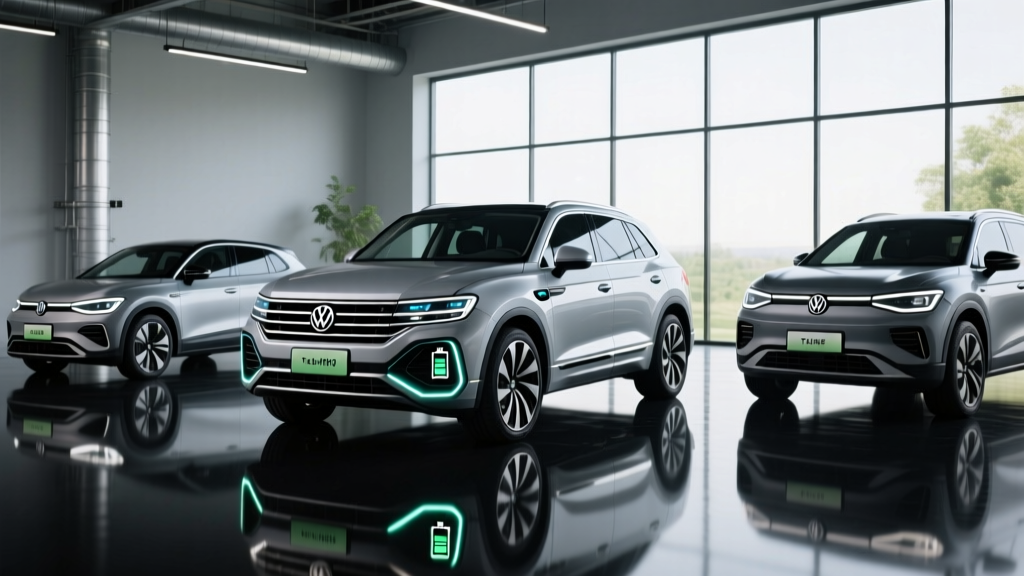
Volkswagen's electrification strategy has leaned heavily into full battery-electric vehicles with the ID.4 and the upcoming ID.7, but the brand hasn't abandoned plug-in hybrids entirely. For 2026, the primary plug in hybrid VW option available to US buyers centers on the Volkswagen Touareg R—a luxury performance SUV that pairs a turbocharged V6 with a substantial electric motor and battery pack. Meanwhile, VW's European PHEV lineup (Golf GTE, Passat GTE, Tiguan eHybrid) remains largely unavailable stateside, leaving American shoppers with a narrow but compelling option if a plug-in hybrid VW fits their needs.
This guide breaks down exactly what the 2026 Touareg R PHEV delivers in range, efficiency, charging capability, and value—plus how it stacks up against full EVs and conventional hybrids for different driving lifestyles.
HEV vs PHEV: Understanding Volkswagen's Hybrid Options
Conventional Hybrid (HEV)
A standard hybrid, like the system found in some global-market VW models, uses a small battery (typically 1-2 kWh) that recharges through regenerative braking and the gas engine. You never plug it in. It improves city MPG modestly but offers zero electric-only driving.
Plug-In Hybrid (PHEV)
A plug-in hybrid like the Touareg R carries a much larger battery (17.9 kWh usable) that you charge via a wall outlet, Level 2 home charger, or public station. It delivers meaningful electric-only range for daily commutes before the gas engine engages, giving you EV-like driving for short trips and gas-engine flexibility for road trips.
The distinction matters enormously for ownership experience. VW does not currently sell a conventional HEV in the US market for 2026—their American hybrid strategy is PHEV-only through the Touareg R, while their volume electrification push targets full BEVs.
2026 VW Touareg R PHEV: Full Specifications
| Specification | 2026 VW Touareg R PHEV |
|---|---|
| Powertrain | 3.0L Turbo V6 + Electric Motor |
| Combined System Output | 455 hp / 516 lb-ft torque |
| Battery Capacity (Usable) | 17.9 kWh (NMC lithium-ion) |
| EPA Electric-Only Range | ~32 miles (estimated, pending EPA cert) |
| Total Combined Range | ~480 miles (electric + 19.8 gal tank) |
| EPA Combined MPGe (EV Mode) | ~56 MPGe |
| EPA MPG (Gas Only, Combined) | ~22 MPG city / 26 highway / 24 combined |
| Level 2 Charging (AC) | 7.2 kW onboard charger, 0-100% in ~2.5 hours |
| DC Fast Charging | Not available (AC only) |
| 0-60 mph | 5.0 seconds |
| Drivetrain | 4MOTION AWD, 8-speed automatic |
| Towing Capacity | 7,700 lbs |
| Base MSRP | ~$78,000 (destination included) |
Electric Range, MPG, and Real-World Efficiency
| Driving Mode | City | Highway | Combined |
|---|---|---|---|
| Electric-Only (MPGe) | ~58 MPGe | ~54 MPGe | ~56 MPGe |
| Gas-Only (MPG) | 22 MPG | 26 MPG | 24 MPG |
| Blended (Charge-Sustaining) | Varies by driving pattern; expect 25-28 MPG on mixed commutes | ||
EPA Electric Range: ~32 miles
Real-World Expectation: Expect 24-28 miles of electric-only driving in mixed conditions. Highway driving at 70+ mph reduces electric range to roughly 20-22 miles. Cold weather (below 32°F) can cut electric range by 25-30%, yielding as little as 18-20 miles on a full charge.
The Touareg R's electric motor produces 134 hp on its own, which is adequate for city commuting and suburban errands but will deplete the battery faster under hard acceleration or sustained highway speeds.
On the gas side, the Touareg R's 24 MPG combined rating is respectable for a 5,000+ lb luxury SUV with a V6, but it trails lighter PHEV crossovers. In real-world highway cruising at 75 mph with a depleted battery, expect closer to 23-24 MPG. City driving in charge-sustaining mode (battery depleted) can actually yield 25-27 MPG thanks to regenerative braking recapturing energy in stop-and-go traffic—this is where hybrid systems shine over pure gas engines.
Charging the Touareg R PHEV: What You Need at Home
The 2026 Touareg R comes equipped with a 7.2 kW onboard AC charger and a J1772 connector (the standard for non-Tesla PHEVs in the US). Here's what charging looks like across levels:
| Charging Level | Power (kW) | Time to Full Charge | Miles of EV Range per Hour |
|---|---|---|---|
| Level 1 (120V household outlet) | ~1.4 kW | ~12-13 hours | ~2-3 miles/hr |
| Level 2 (240V, 32A home charger) | 7.2 kW (max accepted) | ~2.5 hours | ~12-14 miles/hr |
| DC Fast Charging | N/A | Not supported | N/A |
The lack of DC fast charging is standard for PHEVs—the battery is simply too small to justify the hardware cost and weight. A 17.9 kWh pack charges quickly enough on Level 2 that overnight or workplace charging will always deliver a full battery for your commute.
For home Level 2 installation, budget $500-$1,200 for a quality 32A or 40A charging station (ChargePoint Home Flex, Emporia Level 2, or Wallbox Pulsar Plus) plus $300-$1,500 for electrician labor depending on whether your electrical panel needs an upgrade or the run from panel to garage is long. Most PHEV owners find Level 2 charging essential—a 120V outlet technically works but the 12+ hour charge time means you can't easily top off between trips.
Federal Tax Credit and Incentive Eligibility
Does the 2026 VW Touareg R qualify for the §30D federal tax credit?
Under current IRS rules, the Touareg R PHEV does not qualify for the full $7,500 clean vehicle credit. Here's why:
- Battery capacity requirement: Met (≥7 kWh; Touareg R has 17.9 kWh usable)
- MSRP cap: Fails — the §30D cap for SUVs is $80,000, and the Touareg R's ~$78,000 MSRP clears this, but combined with options, many configurations exceed the cap
- Battery component sourcing: The Touareg R's battery sourcing does not meet the 2026 critical minerals and battery component requirements under §30D, which now require 80%+ of critical minerals from US/FTA countries and 100% of battery components manufactured or recycled in North America
- Buyer income cap: $150K single / $300K joint filers (applies regardless of vehicle eligibility)
Source: IRS Clean Vehicle Credit Manufacturer List. Always verify current eligibility before purchase, as rules change and manufacturer sourcing evolves.
Some state-level incentives may partially offset the purchase price. California's CVRP program, Colorado's innovative motor vehicle credit, and various utility rebates for PHEV purchases can provide $1,000-$5,000 depending on your location and income. Check your state energy office and local utility for current programs.
Reliability, Battery Warranty, and Long-Term Costs
VW PHEV Battery Warranty: 8 years / 100,000 miles (whichever comes first), covering defects and capacity loss below 70% of original capacity. This is federally mandated for all PHEVs and EVs sold in the US and aligns with CARB-state requirements.
Powertrain Warranty: 4 years / 50,000 miles for the engine, transmission, and hybrid system components.
Out-of-Warranty Battery Replacement Cost: Estimated $8,000-$12,000 for the high-voltage pack, based on current VW PHEV battery pricing. In practice, NMC batteries in PHEVs with active thermal management (which the Touareg R has) typically retain 85-90% capacity after 10 years of normal use, making full replacement uncommon within the vehicle's useful life.
Volkswagen's overall reliability ratings have been middling in recent years—Consumer Reports typically ranks VW in the lower-middle tier among mainstream brands, with electrical and infotainment systems being the most common complaint areas rather than powertrain issues. The hybrid system itself adds complexity (two power sources, additional cooling loops, power electronics), but VW has been deploying this specific PHEV architecture across the Touareg, Cayenne E-Hybrid (Porsche sibling), and Audi Q7 TFSI e since 2020, providing a meaningful track record.
Maintenance costs for the Touareg R are higher than average for the segment. Expect $800-$1,200 annually for scheduled service (oil changes, brake fluid, cabin filters), though regenerative braking extends brake pad life significantly—many PHEV owners report 80,000+ miles on original brake pads.
Pros and Cons of the 2026 Touareg R PHEV
Pros
- 455 hp combined output delivers genuine performance (5.0s 0-60)
- 7,700-lb towing capacity—rare for a PHEV
- ~32 miles electric range covers most daily commutes gas-free
- Premium interior with 15-inch infotainment, air suspension, matrix LED headlights
- No range anxiety: gas engine provides 480+ total miles for road trips
- AWD standard with genuine off-road capability
Cons
- ~$78,000 starting price is steep; well-optioned examples push $90K+
- No DC fast charging (AC only at 7.2 kW)
- Does not qualify for the $7,500 federal tax credit under current sourcing rules
- Real-world electric range drops to 20-22 miles at highway speeds
- 24 MPG gas-only is unremarkable for the class when battery is depleted
- Limited US PHEV selection from VW—only one model available
Who Should Choose a Plug In Hybrid VW vs. a Full EV or Gas Car?
Choose the Touareg R PHEV if:
- You have home Level 2 charging and a daily commute under 30 miles round-trip
- You need towing capacity (7,700 lbs) or AWD for mountain/snow driving
- You take regular road trips beyond EV charging infrastructure comfort zones
- You want a luxury performance SUV without committing to full electric
Choose a full EV (like the VW ID.4 or Rivian R1S) if:
- You want zero gas-engine maintenance and lower fuel cost per mile
- Your daily driving is predictable and within 200-250 miles
- You want federal tax credit eligibility (the ID.4 qualifies for up to $7,500)
- You prioritize lower total cost of ownership over 5+ years
Choose a conventional gas SUV if:
- You lack home charging access (apartment, street parking)
- Your budget is below $50,000
- You drive very low annual miles and fuel cost is a small portion of your budget
The PHEV sweet spot is narrow but real: drivers who can charge at home, commute short distances on electricity most days, but need the flexibility and power of a gas engine for weekends and road trips. The Touareg R specifically targets buyers who want luxury and performance alongside that flexibility—and are willing to pay a premium for it.
Frequently Asked Questions
How many MPG does the VW Touareg R PHEV get?
On gasoline alone (battery depleted), the EPA rates it at approximately 22 city / 26 highway / 24 combined MPG. In electric mode, it achieves roughly 56 MPGe combined. Real-world results vary: city driving in charge-sustaining mode can yield 25-27 MPG thanks to regenerative braking, while highway cruising at 75+ mph with an empty battery returns closer to 22-23 MPG.
How far can the Touareg R go on electric power only?
The EPA-estimated electric-only range is approximately 32 miles on a full charge. In real-world mixed driving, expect 24-28 miles. Highway speeds and cold weather reduce this further—to roughly 20-22 miles at 70 mph, and 18-20 miles in sub-freezing temperatures. The 134-hp electric motor is sufficient for normal city and suburban driving but will drain the battery faster under hard acceleration.
Does the VW Touareg R PHEV qualify for a tax credit?
Under 2026 IRS §30D rules, the Touareg R does not qualify for the $7,500 federal clean vehicle credit. While its battery capacity and MSRP technically meet thresholds, its battery component and critical mineral sourcing does not satisfy the current North American manufacturing requirements. State incentives may still apply—check your state's energy office. Per the IRS eligible vehicle list, always confirm eligibility at time of purchase.
Is the VW Touareg R hybrid system reliable?
The PHEV powertrain has been in production since 2020 across VW Group vehicles (Touareg, Cayenne E-Hybrid, Audi Q7 TFSI e), providing a solid reliability track record. The high-voltage battery carries an 8-year/100,000-mile warranty with a 70% capacity retention guarantee. NMC batteries with active thermal management typically degrade slowly—expect 85-90% capacity after 10 years. Out-of-warranty replacement is estimated at $8,000-$12,000 but is rarely needed within the vehicle's normal lifespan.
Can I charge the Touareg R at a DC fast charging station?
No. Like virtually all PHEVs, the Touareg R only accepts AC charging through its J1772 port, at a maximum rate of 7.2 kW on Level 2. DC fast charging hardware (CCS or NACS) is not included because the 17.9 kWh battery charges fully in about 2.5 hours on Level 2—fast enough for daily use patterns where you charge overnight at home or during the workday.
What other plug-in hybrid VW models are available?
For the US market in 2026, the Touareg R is the sole PHEV offering. VW sells the Golf GTE, Tiguan eHybrid, and Passat GTE in European markets, but these have not been imported to the US. VW's American electrification strategy focuses on the ID.4 BEV and the anticipated ID.7 sedan, leaving the Touareg R as the brand's only plug-in hybrid option stateside.
Sources: EPA Fueleconomy.gov, IRS §30D Eligible Vehicles, Volkswagen of America official specifications.