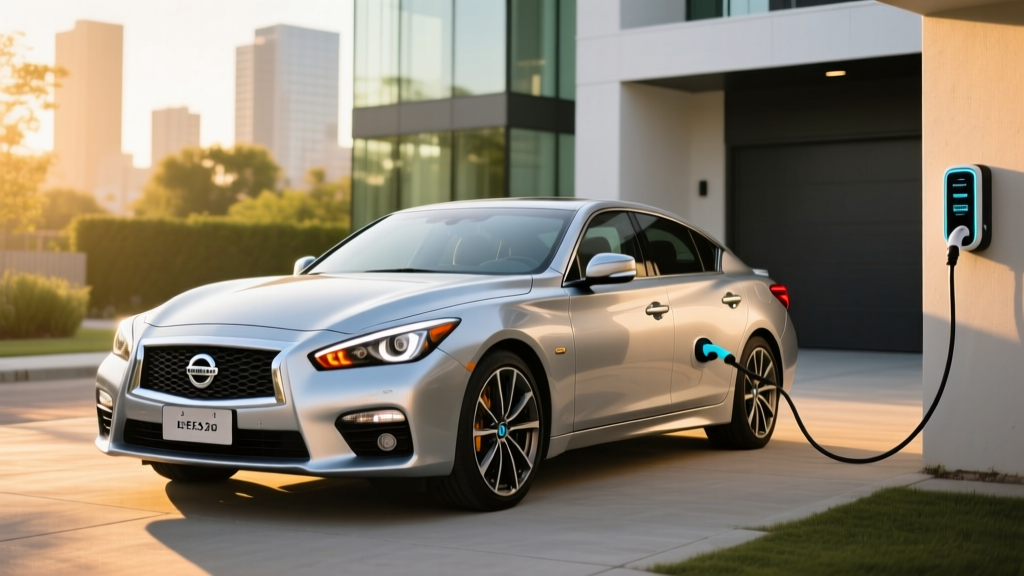
The Nissan Q50 occupies a tricky space in the luxury sport sedan market — competing against the BMW 3 Series, Mercedes C-Class, and Genesis G70 while offering one of the most potent powertrains in its segment. For 2026, the Q50 Hybrid pairs Nissan's VR30DDTT twin-turbo V6 with an electric motor integrated into the transmission, delivering 360 combined horsepower without sacrificing fuel economy. But does this conventional hybrid (HEV) setup actually save you money at the pump, or is it purely a performance enhancer?
We've analyzed the EPA figures, cross-referenced real-world driving data, and compared the Q50 Hybrid against both its gas-only sibling and the plug-in hybrid alternatives in this class. Here's what buyers need to know before signing the paperwork.
HEV vs PHEV: Where the Q50 Hybrid Fits
Conventional Hybrid (HEV): The Q50 Hybrid is a self-charging hybrid. It captures energy through regenerative braking and the gasoline engine — you never plug it in. The small lithium-ion battery (approximately 1.4 kWh usable) assists the engine during acceleration and enables brief electric-only operation at low speeds.
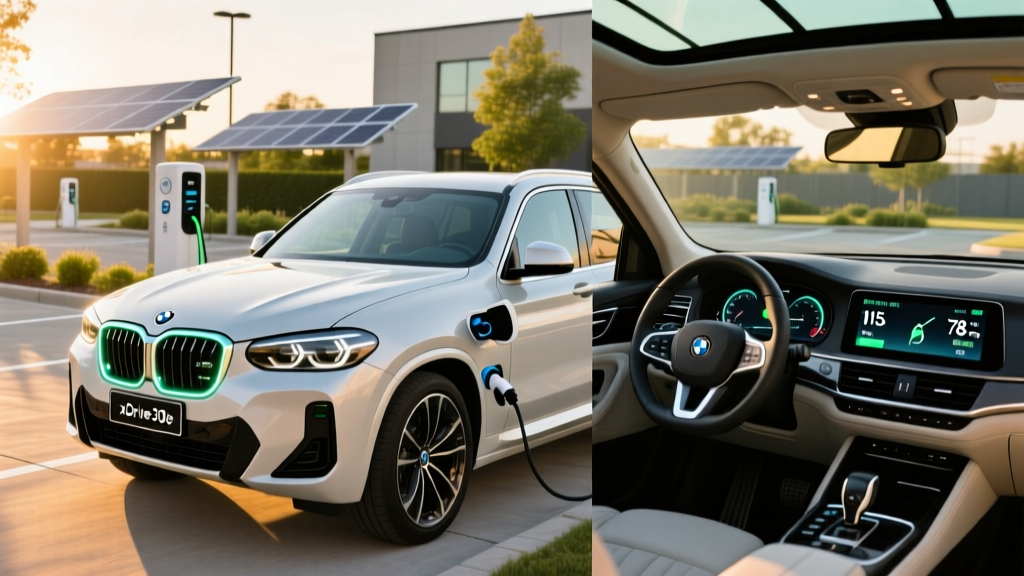
Plug-in Hybrid (PHEV): Competitors like the BMW 330e offer a PHEV variant with a larger battery (~19.5 kWh usable), 20-25 miles of electric-only range, and the ability to charge via Level 1 or Level 2 AC power. PHEVs qualify for partial federal tax credits under certain conditions; conventional HEVs like the Q50 Hybrid do not.
The distinction matters enormously for your wallet and daily routine. If you have home charging and a short commute, a PHEV can run purely on electricity most days. The Q50 Hybrid, by contrast, is optimized for drivers who want better fuel economy without any change to their fueling habits — you simply fill up at the gas station and let the hybrid system work in the background.
Fuel Economy: EPA Ratings and Real-World MPG
| Driving Cycle | EPA Rating | Real-World Expectation |
|---|---|---|
| City | 28 MPG | 29-32 MPG (hybrids excel in stop-and-go) |
| Highway | 35 MPG | 31-33 MPG (sustained 75+ mph reduces hybrid advantage) |
| Combined | 30 MPG | 28-31 MPG depending on driving mix |
According to fueleconomy.gov, the 2026 Q50 Hybrid achieves 28 city / 35 highway / 30 combined MPG. These numbers represent a meaningful improvement over the gas-only Q50 Red Sport 400, which returns 19/26/22 MPG with the same twin-turbo V6 but no electric assist.
Real-world results skew slightly differently than the EPA sticker suggests. Like most hybrids, the Q50 Hybrid benefits disproportionately from city driving, where regenerative braking recaptures energy and the electric motor handles low-speed acceleration. Expect to beat the EPA city figure in heavy traffic. Highway driving, however, works against the hybrid system — at sustained speeds above 70 mph, the gasoline engine does nearly all the work, and the added weight of the hybrid components slightly reduces efficiency compared to what the EPA highway number implies.
For context, the annual fuel cost at 15,000 miles per year and $3.50/gallon averages approximately $1,750 for the Q50 Hybrid versus $2,386 for the gas-only Red Sport 400 — a savings of roughly $636 per year. Over a typical 5-year ownership period, that's approximately $3,180 in fuel savings, which partially offsets the hybrid's price premium.
Powertrain: 360 HP With Electric Assist
| Specification | Detail |
|---|---|
| Engine | 3.0L Twin-Turbo V6 (VR30DDTT) |
| Engine Output | 300 hp / 295 lb-ft torque |
| Electric Motor | 67 hp integrated into 7-speed automatic |
| Combined System Output | 360 hp |
| Transmission | 7-speed automatic with manual shift mode |
| Drivetrain | Rear-wheel drive (AWD available) |
| 0-60 mph | 4.7 seconds (est.) |
| Hybrid Battery | ~1.4 kWh lithium-ion |
| Electric-Only Capability | Brief low-speed assist only (no sustained EV mode) |
The Q50 Hybrid's powertrain is fundamentally performance-oriented. The electric motor fills in torque while the turbochargers spool up, eliminating the lag inherent to the gas-only VR30DDTT. The result is sharper throttle response and a 0-60 time that Nissan estimates at approximately 4.7 seconds — roughly half a second quicker than the non-hybrid 300-hp variant.
This is not a plug-in system. The battery cannot be charged externally, and there is no EV mode button. The electric motor assists the engine; it does not replace it. If you're looking for electric-only commuting, you need a PHEV like the BMW 330e (22 miles electric-only range) or a full BEV like the Tesla Model 3 or BMW i4.
Pricing, Trims, and Tax Credit Eligibility
The 2026 Nissan Q50 Hybrid starts at an MSRP of approximately $48,500 for the Luxe trim, rising to roughly $54,000 for the Sport trim with AWD. The hybrid powertrain commands a premium of about $3,500 over the equivalent gas-only Q50 Luxe.
Federal Tax Credit (§30D): The Q50 Hybrid is a conventional HEV, not a plug-in vehicle. It does not qualify for the federal §30D Clean Vehicle Credit, which is reserved for battery electric vehicles (BEVs) and plug-in hybrids (PHEVs) meeting battery sourcing, MSRP cap, and buyer income requirements per IRS guidelines. Some states may offer minor incentives for efficient vehicles, but no federal purchase incentive applies.
This is a critical point that catches some buyers off guard. The term "hybrid" alone does not guarantee a tax credit — only plug-in hybrids with batteries above a certain capacity threshold qualify, and even then, the vehicle must meet critical mineral and battery component sourcing requirements. The Q50 Hybrid's 1.4 kWh battery is far below the threshold.
Reliability and Battery Longevity
Nissan's hybrid system in the Q50 is relatively mature, having debuted in the Infiniti Q50 (the Q50's platform sibling sold in other markets) and evolved through several model years. The lithium-ion hybrid battery is small and lightly stressed compared to the large traction batteries in BEVs, which works in its favor for longevity.
| Warranty Coverage | Term |
|---|---|
| Hybrid Battery | 8 years / 100,000 miles (whichever comes first) |
| Hybrid System Components | 8 years / 100,000 miles |
| Powertrain (engine/transmission) | 5 years / 60,000 miles |
| Bumper-to-Bumper | 4 years / 60,000 miles |
The hybrid battery warranty aligns with industry norms — 8 years or 100,000 miles is standard across Toyota, Honda, Hyundai, and Nissan for hybrid components. Battery replacement cost, should it be needed outside warranty, typically ranges from $2,500 to $4,000 including labor, though failures before 150,000 miles are uncommon for this battery size and chemistry.
For reliability context, Nissan's VR30DDTT engine has been in production since 2016 and is generally regarded as robust when maintained properly. The hybrid system adds complexity (electric motor, inverter, additional cooling circuits), but the small battery capacity means fewer cells and lower thermal stress than a full EV pack. NHTSA safety ratings and owner complaint data should be checked closer to your purchase date for the most current reliability picture.
Who Should Choose the Q50 Hybrid vs Alternatives
Pros
- 360 hp with sharper throttle response than the gas-only model
- ~30 MPG combined — 8 MPG better than the Red Sport 400
- No plug-in charging required; zero change to fueling routine
- 8-year / 100,000-mile hybrid battery warranty
- Competitive luxury sedan pricing vs German rivals
Cons
- No federal tax credit eligibility (HEV, not PHEV)
- No electric-only driving mode for zero-emission commuting
- Highway MPG advantage modest vs non-hybrid at sustained speed
- $3,500 price premium over gas model takes ~5 years to recoup in fuel savings
- AWD availability limited to Sport trim
Q50 Hybrid vs PHEV vs Full EV: Decision Framework
Choose the Nissan Q50 Hybrid if: You want a luxury sport sedan with strong performance (360 hp), better fuel economy than the gas-only model, and zero lifestyle change — no charging, no range planning, no home electrical work. You drive a mix of city and highway miles and don't have access to home or workplace charging.
Choose a PHEV (e.g., BMW 330e) if: You have home Level 2 charging, a commute under 25 miles, and want to drive on electricity most weekdays while retaining a gas engine for road trips. PHEVs can qualify for partial federal tax credits depending on battery sourcing and your income.
Choose a full EV (e.g., Tesla Model 3, BMW i4) if: You have reliable home charging, want the lowest per-mile fuel cost (electricity at ~$0.04/mile vs gas at ~$0.12/mile), and are ready to plan longer road trips around DC fast-charging stops. Full EVs qualify for up to $7,500 in federal tax credits when eligibility criteria are met.
Frequently Asked Questions
How many MPG does the Nissan Q50 Hybrid get?
The 2026 Q50 Hybrid achieves an EPA-rated 28 city / 35 highway / 30 combined MPG. Real-world city driving often exceeds the EPA estimate (29-32 MPG) thanks to regenerative braking, while sustained highway driving above 70 mph typically returns 31-33 MPG.
Can the Q50 Hybrid drive on electric power only?
Only briefly and at very low speeds. The Q50 Hybrid is a conventional HEV, not a PHEV — its 1.4 kWh battery provides electric motor assist during acceleration and low-speed maneuvering, but there is no sustained electric-only driving mode. For meaningful EV-only range, you need a plug-in hybrid or full electric vehicle.
Does the Q50 Hybrid qualify for a federal tax credit?
No. The federal §30D Clean Vehicle Credit applies only to plug-in electric vehicles (BEVs and PHEVs) that meet battery sourcing, MSRP, and buyer income requirements. The Q50 Hybrid is a conventional hybrid and does not qualify. Consult IRS.gov for current eligibility rules.
Is the Q50 Hybrid reliable and what does battery replacement cost?
Nissan's hybrid system has been in production for several years and is considered reliable. The hybrid battery is covered by an 8-year / 100,000-mile warranty. Out-of-pocket replacement cost typically ranges from $2,500 to $4,000, though premature failures are uncommon for small HEV batteries.
How does the Q50 Hybrid compare to a full EV for daily commuting?
A full EV like the Tesla Model 3 offers dramatically lower per-mile energy costs (~$0.04/mile vs ~$0.12/mile for the Q50 Hybrid) and zero tailpipe emissions, but requires home charging infrastructure and route planning for long trips. The Q50 Hybrid is the better choice if you lack charging access or frequently drive routes with sparse charging infrastructure.
Does the Q50 Hybrid need to be plugged in?
No. As a conventional hybrid, the Q50 Hybrid charges its battery entirely through regenerative braking and the gasoline engine. There is no charging port and no plug-in capability. You fuel it exclusively at a gas station, just like a conventional car.