Nissan Altima Hybrid: What Buyers Need to Know
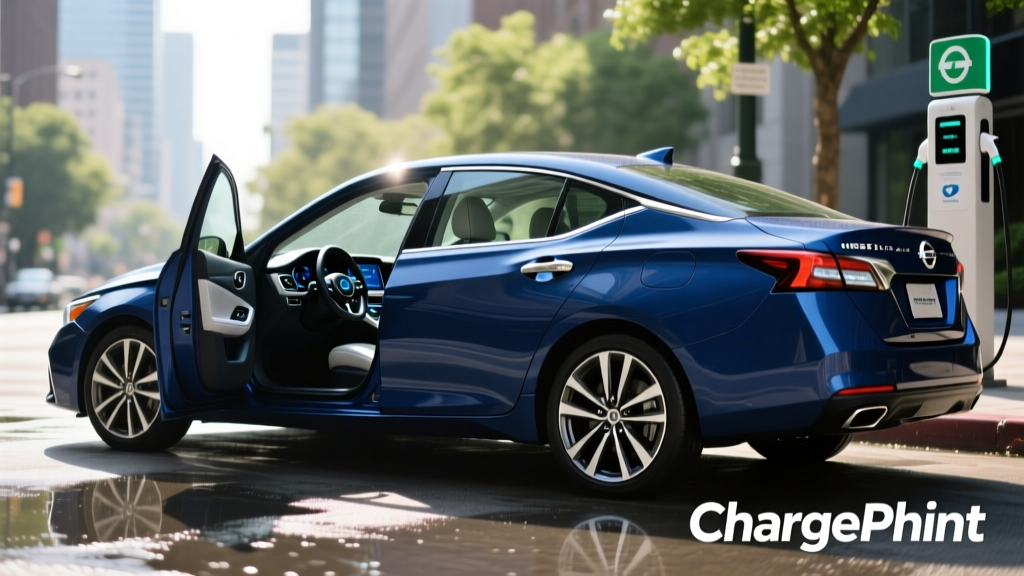
The Nissan Altima has been one of America's best-selling midsize sedans for decades, and many shoppers searching for an "Altima hybrid" expect to find an electrified version in Nissan's current lineup. Here's the reality: Nissan discontinued the Altima Hybrid after the 2011 model year. If you're shopping for a fuel-efficient Altima today, the current-generation Altima (2019–present) is offered only with a conventional gasoline powertrain — no hybrid, no plug-in hybrid, and no electrified variant.
That doesn't mean Nissan has abandoned hybrids entirely. The automaker has been shifting its electrification strategy toward full battery-electric vehicles like the Leaf and Ariya, and more recently toward its e-Power series-hybrid system in select global markets. For US buyers specifically interested in an Altima hybrid, the options are limited to the used market (2007–2011 models) or pivoting to a competitor's hybrid midsize sedan.
This guide covers the Altima hybrid's history, its specs when it was available, what you can expect from the current Altima's fuel economy, and which hybrid or PHEV alternatives make sense if electrified efficiency is your priority.
Altima Hybrid History: Specs and MPG (2007–2011)
The Nissan Altima Hybrid was a conventional hybrid electric vehicle (HEV) — meaning it could not be plugged in. It used a combination of a gasoline engine and an electric motor to improve fuel economy, with regenerative braking and engine stop-start to recapture energy. Nissan licensed Toyota's Hybrid Synergy Drive technology for this generation.
| Spec | Value |
|---|---|
| Powertrain Type | Conventional Hybrid (HEV) — no plug-in |
| Engine | 2.5L inline-4 + electric motor |
| Combined Horsepower | 198 hp (net system) |
| EPA MPG (City / Highway / Combined) | 35 / 33 / 34 MPG |
| Transmission | eCVT (electronically controlled CVT) |
| Hybrid Battery | NiMH (nickel-metal hydride), ~1.5 kWh |
| Drivetrain | Front-wheel drive |
| 0–60 mph | ~7.5 seconds |
The Altima Hybrid's EPA-rated 35 city / 33 highway MPG was competitive for its era, particularly in stop-and-go traffic where hybrid systems shine. In real-world driving, owners often reported exceeding the EPA city estimate in heavy urban traffic due to frequent regenerative braking — a common trait of conventional hybrids. Highway driving at sustained speeds reduced the hybrid advantage, sometimes yielding 30–32 MPG on long interstate trips.
Current Nissan Altima (2026): Fuel Economy Without Hybrid
The current-generation Nissan Altima (refreshed for 2023, continuing into 2026) is powered by a 2.5-liter inline-4 producing 188 horsepower, paired with a continuously variable transmission (CVT). There is no hybrid or PHEV option. Nissan offers an available all-wheel-drive variant (Altima AWD), which carries a slight fuel-economy penalty.
| Drivetrain | City MPG | Highway MPG | Combined MPG |
|---|---|---|---|
| FWD | 27 | 39 | 32 |
| AWD | 26 | 36 | 30 |
Source: fueleconomy.gov (US Department of Energy).
At 32 MPG combined for FWD, the gas-only Altima trails modern hybrid midsize sedans by a significant margin. The Toyota Camry Hybrid, for instance, achieves up to 52 MPG combined. If fuel economy is your top priority in a midsize sedan, the Altima's gas-only lineup puts it at a disadvantage against hybrid-equipped rivals.
HEV vs PHEV vs EV: Which Powertrain Fits Your Driving?
Since the Altima hybrid is no longer available new, you're likely cross-shopping powertrain types. Here's a clear breakdown of the three electrified options:
Conventional Hybrid (HEV)
How it works: A gasoline engine and electric motor work together. The battery charges via regenerative braking and the engine — you never plug it in. Examples: Toyota Camry Hybrid, Honda Accord Hybrid.
Best for: Drivers without home charging access who want better MPG with zero lifestyle change. Expect 40–55 MPG combined in midsize sedans.
Tax credit: No federal §30D tax credit — HEVs do not qualify because they lack plug-in capability.
Plug-In Hybrid (PHEV)
How it works: Larger battery (typically 10–20 kWh) provides 20–45 miles of electric-only range before the gas engine takes over. You plug in to charge (Level 1 or Level 2 — no DC fast charging on most PHEVs). Examples: Toyota Prius Prime, Hyundai Sonata PHEV (if available), Toyota RAV4 Prime.
Best for: Drivers with home charging who commute under 40 miles daily but want gas-engine flexibility for road trips. Expect 25–45 miles electric-only, then 35–45 MPG on gas.
Tax credit: May qualify for up to $7,500 under IRS §30D, subject to MSRP caps ($55,000 for sedans, $80,000 for SUVs/trucks), buyer income limits ($150K single / $300K joint), and battery sourcing requirements. Check current rules at irs.gov.
Battery Electric Vehicle (BEV)
How it works: No gasoline engine. Powered entirely by a large battery pack (typically 50–100+ kWh). Charges via Level 1, Level 2, or DC fast charging. Examples: Tesla Model 3, Hyundai Ioniq 6, BMW i4.
Best for: Drivers with reliable home charging who want zero tailpipe emissions and the lowest per-mile energy cost. Expect 250–370 miles EPA range.
Tax credit: Up to $7,500 under §30D (same income/MSRP/sourcing rules apply). Also eligible for point-of-sale transfer at participating dealers.
Best Hybrid Alternatives to the Altima Hybrid (2026)
If you were hoping for an Altima hybrid, these midsize and compact hybrid sedans deliver the fuel economy the Altima can't offer:
| Model | Combined MPG | City / Highway MPG | Starting MSRP | Hybrid Battery Warranty |
|---|---|---|---|---|
| Toyota Camry Hybrid | 52 | 53 / 50 | ~$30,000 | 10 yr / 150,000 mi |
| Honda Accord Hybrid | 48 | 51 / 44 | ~$34,000 | 8 yr / 100,000 mi |
| Hyundai Sonata Hybrid | 47 | 50 / 43 | ~$32,000 | 10 yr / 100,000 mi |
| Toyota Prius | 57 | 57 / 56 | ~$29,000 | 10 yr / 150,000 mi |
All of these are conventional hybrids (HEVs) — no plug-in required. Each uses a lithium-ion hybrid battery significantly smaller than a PHEV or BEV battery (typically 1.0–1.6 kWh), which keeps cost and weight down while still enabling meaningful MPG gains.
The Toyota Camry Hybrid is the closest direct substitute for what an Altima hybrid buyer would want: a spacious midsize sedan with exceptional fuel economy, strong reliability ratings, and a decade-long hybrid battery warranty. The Accord Hybrid offers a more engaging driving experience at a slight MPG trade-off. The Sonata Hybrid provides Hyundai's industry-leading 10-year/100,000-mile powertrain warranty.
Reliability, Battery Warranty, and Replacement Costs
Hybrid Battery Warranty — What's Covered
Federal law (EPA emissions warranty requirements) mandates that hybrid battery components be covered for at least 8 years / 80,000 miles. Most manufacturers exceed this minimum:
- Toyota: 10 years / 150,000 miles on hybrid battery
- Honda: 8 years / 100,000 miles on hybrid system components
- Hyundai/Kia: 10 years / 100,000 miles on hybrid/EV battery
For the discontinued Altima Hybrid (2007–2011), original battery warranty has long expired. If you're considering a used Altima Hybrid, budget for potential battery replacement. The original NiMH hybrid battery replacement cost typically runs $2,000–$4,000 including labor at an independent hybrid specialist, or more at a Nissan dealership. Given the vehicle's age (15+ years), many used examples may already be on a replacement battery or showing degraded capacity.
Modern hybrid batteries (lithium-ion) in current-generation vehicles like the Camry Hybrid have demonstrated strong longevity. Data from fleet usage and owner reports suggest modern hybrid batteries often last 150,000–200,000+ miles before significant degradation, with replacement costs for current models ranging from $2,500–$5,000. The smaller battery size in conventional hybrids (compared to PHEVs or BEVs) keeps replacement costs relatively manageable.
Tax Credits: What Qualifies and What Doesn't
A common question from hybrid shoppers is whether any hybrid qualifies for the federal electric vehicle tax credit. The answer depends on the powertrain type:
- Conventional hybrids (HEVs): Do NOT qualify for the §30D federal clean vehicle credit. These vehicles cannot be plugged in, which is a baseline requirement under IRS rules.
- Plug-in hybrids (PHEVs): MAY qualify for up to $7,500, but eligibility depends on multiple factors including the vehicle's MSRP (must be under $55,000 for sedans), buyer's adjusted gross income (under $150,000 single / $225,000 head of household / $300,000 joint), battery critical-mineral sourcing, and North American assembly requirements. Rules are subject to change — always verify at irs.gov before purchasing.
- Battery electric vehicles (BEVs): Same §30D rules as PHEVs. Many popular BEVs qualify for partial or full credit depending on battery sourcing compliance.
If you're shopping the current gas-only Altima, it does not qualify for any federal electrification tax credit. If fuel savings are your motivation, a competing hybrid sedan's MPG advantage will deliver meaningful savings at the pump even without a tax credit — a Camry Hybrid's 52 MPG combined saves roughly $600–$800 per year in fuel versus the Altima's 32 MPG combined, based on 15,000 miles driven annually and $3.50/gallon gas.
Pros and Cons: Current Nissan Altima vs Hybrid Alternatives
Pros — Nissan Altima (Gas)
- Comfortable ride and spacious interior for the class
- Available all-wheel drive (rare in midsize sedans)
- Nissan Safety Shield 360 standard on most trims
- Lower starting price than some hybrid competitors
- No charging or hybrid-system complexity
Cons — Nissan Altima (Gas)
- 32 MPG combined trails hybrid rivals by 15–25 MPG
- No hybrid or PHEV option available
- Higher annual fuel cost vs Camry/Accord Hybrid
- No federal tax credit eligibility
- CVT can feel sluggish under hard acceleration
- Discontinued Altima Hybrid not available new
Who Should Choose What: Decision Framework
Choose a conventional hybrid (HEV) like the Camry Hybrid if: You want maximum MPG without changing your routine. No charging needed — just fill up with gas less often. Ideal if you don't have home charging access or don't want to think about plugging in. You won't get a tax credit, but the fuel savings are substantial and immediate.
Choose a PHEV if: You have home charging (even a standard 120V outlet works for overnight charging) and your daily commute is under 30–40 miles. You'll drive mostly on electricity during the week and use gas only for longer trips. You may qualify for the §30D tax credit, which can offset the PHEV price premium.
Choose a full EV (BEV) if: You have reliable Level 2 home charging, your daily driving is under 250 miles, and you want the lowest per-mile energy cost and zero tailpipe emissions. You'll benefit from the tax credit and minimal maintenance, but you need to plan for road-trip charging.
Stick with the gas-only Altima if: You value AWD availability, prefer Nissan's dealership network, and your annual mileage is low enough that the MPG gap versus a hybrid doesn't translate into meaningful dollar savings. At under 10,000 miles per year, the fuel-cost difference between 32 MPG and 52 MPG is roughly $350/year — which may not justify switching brands.
Frequently Asked Questions
Does Nissan make a hybrid Altima in 2026?
No. Nissan discontinued the Altima Hybrid after the 2011 model year. The current 2026 Altima is available only with a 2.5L gasoline engine (188 hp) and CVT, in FWD or AWD. Nissan has not announced plans for a hybrid Altima variant.
How many MPG does the current Nissan Altima get?
The 2026 Nissan Altima FWD achieves an EPA-rated 27 city / 39 highway / 32 combined MPG. The AWD variant rates at 26 city / 36 highway / 30 combined MPG. These figures trail hybrid midsize sedans by 15–25 MPG combined.
What MPG did the old Altima Hybrid get?
The 2011 Nissan Altima Hybrid was EPA-rated at 35 city / 33 highway / 34 combined MPG. Real-world city driving often exceeded 35 MPG due to regenerative braking, while sustained highway driving could drop to 30–32 MPG.
Is the used Altima Hybrid reliable?
The 2007–2011 Altima Hybrid used Toyota-licensed hybrid technology, which was generally reliable. However, these vehicles are now 15+ years old, and the NiMH hybrid battery may be degraded or already replaced. Budget $2,000–$4,000 for potential battery replacement if purchasing a used example with the original battery. Have a hybrid-certified mechanic inspect the battery state of health before purchase.
Does a hybrid qualify for a tax credit?
Conventional hybrids (HEVs) like the Camry Hybrid or Accord Hybrid do NOT qualify for the federal §30D clean vehicle tax credit because they cannot be plugged in. Only plug-in hybrids (PHEVs) and battery electric vehicles (BEVs) are potentially eligible, subject to MSRP caps, income limits, and battery sourcing requirements. Verify current eligibility at irs.gov.
What is the best hybrid alternative to the Altima?
The Toyota Camry Hybrid is the strongest direct substitute — it's a midsize sedan with 52 MPG combined, a 10-year/150,000-mile hybrid battery warranty, and a starting price around $30,000. The Honda Accord Hybrid (48 MPG combined) and Hyundai Sonata Hybrid (47 MPG combined) are also strong alternatives if you prefer their driving dynamics or warranty terms.
How much does a hybrid battery replacement cost?
For current-generation conventional hybrids, replacement battery costs typically range from $2,500 to $5,000 including labor, depending on the model. Modern lithium-ion hybrid batteries often last 150,000–200,000+ miles. For the discontinued Altima Hybrid, NiMH battery replacement runs $2,000–$4,000 at independent shops.