Quick Verdict: The 2025 Lexus UX 250h at a Glance
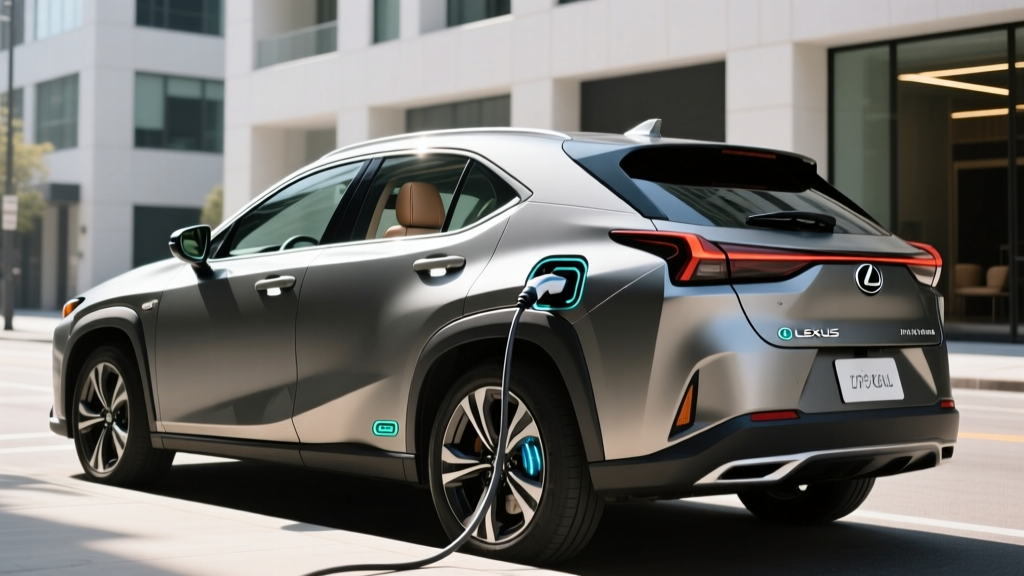
The 2025 Lexus UX 250h occupies a specific niche: a luxury subcompact crossover that prioritizes fuel efficiency and daily drivability over outright performance or cargo volume. With an EPA-estimated 42 MPG combined, it remains one of the most fuel-efficient vehicles in the luxury segment — hybrid or otherwise. For urban commuters who want Lexus refinement without the complexity of plug-in charging, the UX 250h delivers a compelling, low-maintenance ownership proposition.
But the UX 250h is also a vehicle defined by its trade-offs. Cargo space is tight, rear-seat room is modest, and the powertrain prioritizes smoothness over acceleration. This review breaks down the exact numbers — from MPG to battery warranty to pricing — so you can decide whether the UX hybrid is the right electrified vehicle for your driveway.
| Spec | Value |
|---|---|
| Powertrain Type | Conventional Hybrid (HEV) |
| Combined Horsepower | 181 hp |
| Engine | 2.0L 4-cylinder + 2 electric motors |
| EPA MPG (City / Hwy / Combined) | 43 / 41 / 42 MPG |
| Drivetrain | AWD (E-Four electronic rear axle) |
| 0–60 mph | ~8.6 seconds |
| Hybrid Battery | Nickel-Metal Hydride (NiMH), ~1.4 kWh |
| Cargo Volume (behind rear seats) | 21.7 cu ft |
| Base MSRP (UX 250h Premium) | $38,450 |
| Hybrid Battery Warranty | 10 years / 150,000 miles |
Understanding the UX 250h: HEV vs. PHEV Explained
Before diving into the numbers, it's critical to understand what the UX 250h is — and what it isn't. The UX 250h is a conventional hybrid electric vehicle (HEV), not a plug-in hybrid (PHEV). This distinction shapes everything about how you own and drive it.
HEV vs. PHEV: What's the Difference?
Conventional Hybrid (HEV) — Lexus UX 250h: The small hybrid battery charges exclusively through regenerative braking and the gasoline engine. You never plug it in. The electric motor assists the gas engine during acceleration and enables brief electric-only driving at low speeds, but the vehicle always relies on gasoline as its primary energy source.
Plug-in Hybrid (PHEV) — e.g., Toyota RAV4 Prime: A larger battery (typically 15–20 kWh) that you plug in to charge, offering 25–42 miles of electric-only range before the gas engine engages. PHEVs qualify for certain federal tax credits and require access to charging infrastructure to realize their full efficiency potential.
Full EV (BEV) — e.g., Tesla Model Y: No gasoline engine. Runs entirely on battery power with 250–350+ miles of range. Requires regular plug-in charging.
Lexus does not currently offer a PHEV variant of the UX in the United States for the 2025 model year. If you're looking for plug-in electric range from a Lexus, you'd need to step up to larger models or consider the Toyota RAV4 Prime, which shares platform DNA but offers a very different ownership experience. The UX 250h's value proposition is simplicity: you fuel it like any gas car and let the hybrid system handle the rest.
Fuel Economy: EPA Ratings and Real-World MPG
The headline number for the 2025 Lexus UX 250h is its EPA-estimated fuel economy. Here's the full breakdown:
| Driving Condition | EPA Estimate |
|---|---|
| City | 43 MPG |
| Highway | 41 MPG |
| Combined | 42 MPG |
Real-World MPG: What Owners Actually See
Toyota and Lexus hybrid systems are among the few powertrains where real-world fuel economy often meets or exceeds EPA estimates in city driving. The UX 250h's hybrid system recovers significant energy through regenerative braking during stop-and-go traffic, which is where conventional gas engines are least efficient. Owners who drive predominantly in urban environments frequently report 43–46 MPG in warm-weather city conditions.
Highway driving tells a slightly different story. At sustained speeds above 70 mph, the electric motor contributes less and the 2.0L engine does more of the work. Expect 38–40 MPG on long highway trips. In cold weather (below 35°F), the engine runs more frequently to maintain cabin heat and battery temperature, which can drop city MPG into the high 30s until the powertrain reaches operating temperature.
For context, fueleconomy.gov lists the UX 250h among the most efficient AWD crossovers available. The combined 42 MPG translates to roughly 490 miles of total range on the 11.9-gallon fuel tank — enough for most commuters to visit the gas station once every two weeks.
Powertrain and Performance: 181 HP of Refined Efficiency
The 2025 UX 250h pairs a 2.0-liter inline-four Atkinson-cycle engine with two front-mounted electric motor-generators and a third motor on the rear axle (Lexus calls this E-Four AWD). Combined system output is 181 horsepower, routed through an electronically controlled continuously variable transmission (eCVT).
The eCVT is key to the UX 250h's character. Unlike a traditional belt-driven CVT, Toyota's hybrid transaxle uses a planetary gearset to seamlessly blend engine and motor power. The result is smooth, linear acceleration without the "rubber-band" feel some CVTs produce. Off the line, the electric motors provide immediate torque, making the UX feel responsive in city driving even though 0–60 mph takes a leisurely 8.6 seconds.
The E-Four AWD system engages the rear motor only when additional traction is needed — during hard acceleration, slippery conditions, or cornering. Under light-load cruising, the UX operates in front-wheel drive to maximize efficiency. This on-demand approach avoids the parasitic drivetrain losses of mechanical AWD systems.
Hybrid Battery: Chemistry, Warranty, and Replacement Cost
The UX 250h uses a nickel-metal hydride (NiMH) hybrid battery pack with approximately 1.4 kWh of capacity. This is a small, purpose-built battery designed for frequent shallow charge-discharge cycles — not the large lithium-ion packs found in EVs or PHEVs. NiMH chemistry has been the backbone of Toyota/Lexus hybrids since the original Prius in 1997, and its long-term durability is well-documented across millions of vehicles.
Battery Warranty and Lifespan
Warranty: Lexus covers the hybrid battery for 10 years or 150,000 miles (whichever comes first) in all 50 states. This is an upgrade from the earlier 8-year/100,000-mile federal requirement and reflects Toyota/Lexus confidence in hybrid battery longevity.
Expected Lifespan: Real-world data from Toyota/Lexus hybrids suggests NiMH battery packs routinely last 150,000–200,000+ miles before significant degradation. Many first-generation Prius taxis exceeded 300,000 miles on the original battery.
Replacement Cost: If the hybrid battery fails outside warranty, a new OEM replacement typically costs $3,000–$4,500 including labor at a Lexus dealer. Refurbished or aftermarket options from independent hybrid specialists can reduce this to $1,500–$2,500.
It's worth noting that hybrid battery failure is relatively rare. The more common maintenance item is the 12V auxiliary battery, which powers electronics and starts the hybrid system. Budget $200–$350 for a replacement every 4–6 years, similar to any conventional vehicle.
Pricing, Trims, and Tax Credit Eligibility
The 2025 Lexus UX 250h is offered in several trims, all with the same hybrid powertrain and AWD:
| Trim | MSRP |
|---|---|
| UX 250h Premium | $38,450 |
| UX 250h Premium+ | $40,450 |
| UX 250h F SPORT Handling | $44,550 |
| UX 250h Luxury | $45,600 |
Does the UX 250h Qualify for a Federal Tax Credit?
No. The federal §30D Clean Vehicle Credit under current IRS rules applies only to plug-in electric vehicles (BEVs and PHEVs) with battery capacities of at least 7 kWh. Because the UX 250h is a conventional hybrid with a ~1.4 kWh NiMH battery, it does not qualify for the federal EV tax credit.
However, some states and local utilities offer incentives for hybrid purchases. Check your state's energy office or utility provider for potential rebates. Additionally, the UX 250h's strong fuel economy and Lexus resale value contribute to a competitive total cost of ownership that often rivals more expensive plug-in vehicles over a 5-year period.
Who Should Choose the UX 250h — And Who Shouldn't
Choose the UX 250h If:
- You want luxury-badge refinement with 42+ MPG without plugging in
- Your commute is primarily urban or suburban stop-and-go
- You don't have access to home or workplace charging
- You value proven reliability and a 10-year hybrid battery warranty
- You want AWD capability without a fuel-economy penalty
Look Elsewhere If:
- You need more than 21.7 cu ft of cargo space (consider RAV4 Hybrid)
- You want electric-only commuting range (consider a PHEV or BEV)
- You prioritize brisk acceleration — 8.6 seconds to 60 mph is relaxed
- You want to qualify for the $7,500 federal tax credit (requires a PHEV/BEV)
- You frequently carry rear-seat passengers (legroom is tight)
Hybrid vs. PHEV vs. Full EV: Which Fits Your Lifestyle?
HEV (UX 250h): Best for drivers without charging access who want maximum efficiency with zero behavior change. You gas up and go. Ideal annual mileage: 10,000–15,000 miles of mixed driving.
PHEV (e.g., Toyota RAV4 Prime): Best for drivers with home charging and a short commute (under 40 miles round-trip) who also want gas-engine flexibility for road trips. You'll run on electricity most weekdays and use gas only on longer trips.
Full EV (e.g., Tesla Model Y, Hyundai Ioniq 5): Best for drivers with reliable home charging, predictable daily ranges under 250 miles, and a desire to eliminate gas entirely. Lowest per-mile fuel cost but requires charging infrastructure planning.
Frequently Asked Questions
How many MPG does the 2025 Lexus UX 250h get?
The EPA rates the UX 250h at 43 MPG city, 41 MPG highway, and 42 MPG combined. Real-world city driving often yields 43–46 MPG in warm weather, while sustained highway driving may drop to 38–40 MPG. Cold weather reduces efficiency by 5–10%.
Is the Lexus UX 250h a plug-in hybrid?
No. The UX 250h is a conventional hybrid (HEV). You never plug it in — the hybrid battery charges through regenerative braking and the gasoline engine. Lexus does not offer a plug-in version of the UX in the U.S. market.
Is the Lexus UX hybrid reliable?
Yes. Toyota/Lexus hybrid systems are among the most proven in the industry, with decades of real-world data across millions of vehicles. Lexus consistently ranks at or near the top of J.D. Power and Consumer Reports reliability surveys. The hybrid battery carries a 10-year/150,000-mile warranty.
What does it cost to replace the hybrid battery?
Out of warranty, a new OEM hybrid battery replacement costs approximately $3,000–$4,500 at a Lexus dealer, including labor. Refurbished options from hybrid specialists run $1,500–$2,500. However, battery failure before 150,000 miles is uncommon based on historical Toyota/Lexus data.
Does the 2025 UX 250h qualify for any tax credit?
The UX 250h does not qualify for the federal §30D Clean Vehicle Credit, which requires a plug-in vehicle with at least 7 kWh of battery capacity. Some state or utility-level incentives may apply — check your local programs. The vehicle's low fuel cost and strong resale value offset the lack of a federal credit over time.
How does the UX 250h compare to the RAV4 Hybrid?
The RAV4 Hybrid offers significantly more cargo space (37.6 cu ft vs. 21.7 cu ft), more rear-seat legroom, and a slightly higher combined output (219 hp vs. 181 hp). However, the RAV4 Hybrid's EPA rating is 39–41 MPG combined — slightly lower than the UX 250h's 42 MPG — and its MSRP starts higher. Choose the UX for urban efficiency and luxury feel; choose the RAV4 for family practicality.