Quick Verdict: The CT Lexus Hybrid in 2026
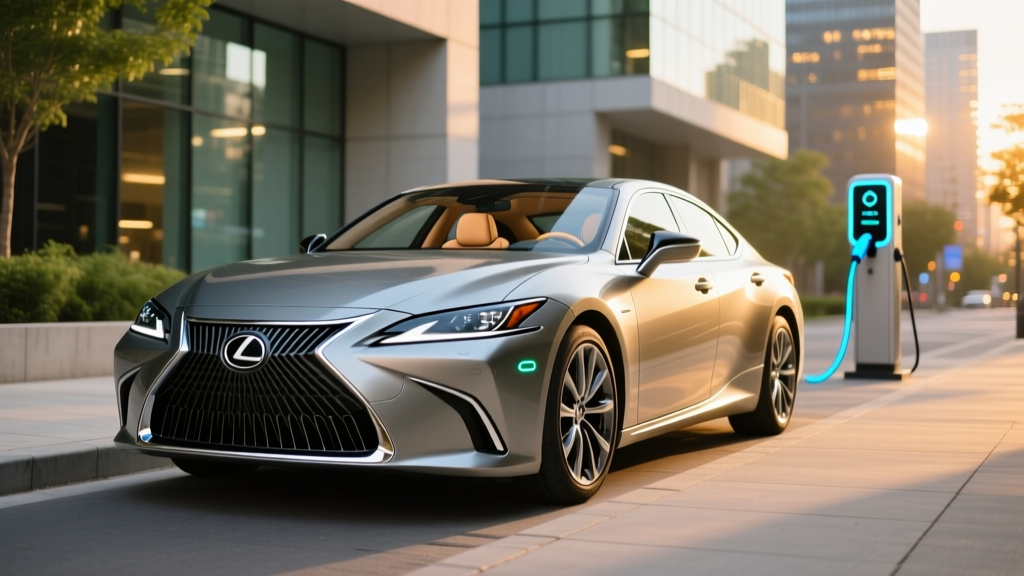
The Lexus CT 200h — the compact luxury hybrid hatchback that put Lexus on the map for fuel-sipping urban commuters — has had a complicated life in the U.S. market. Originally sold from 2011 through 2017 in the United States, the CT 200h continued overseas through 2022 before Lexus retired the nameplate globally. As of 2026, there is no brand-new CT Lexus hybrid available from U.S. dealers. However, the CT 200h remains one of the most searched used luxury hybrids, and for good reason: it delivers 42 MPG EPA combined, Toyota-derived reliability, and a premium badge at a fraction of its original MSRP.
If you're researching the "CT Lexus hybrid" in 2026, you're likely weighing a certified pre-owned (CPO) CT 200h against newer alternatives like the Lexus UX 250h (the brand's current compact hybrid) or a full battery-electric vehicle. This guide covers every number you need — MPG, powertrain specs, battery longevity, real-world fuel economy, and whether the CT 200h or a modern alternative fits your driving life.
| EPA Combined MPG | 42 MPG |
| City / Highway MPG | 43 city / 40 highway |
| Powertrain | 1.8L 4-cyl Atkinson-cycle + electric motor (HEV) |
| Combined Horsepower | 134 hp |
| 0–60 mph | ~9.8 seconds |
| Hybrid Battery | 1.3 kWh nickel-metal hydride (NiMH) |
| Drivetrain | Front-wheel drive (FWD), eCVT |
| Cargo Volume | 14.3 cu ft (rear seats up) |
| Original MSRP (2017 base) | ~$31,250 |
| Typical Used Price (2026) | $14,000–$20,000 (CPO varies) |
| Hybrid Battery Warranty (original) | 8 years / 100,000 miles (10 yr/150k in CARB states) |
HEV vs. PHEV vs. EV: What the CT 200h Actually Is
Before we go further, let's nail down the terminology, because "hybrid" gets thrown around loosely.
| Feature | HEV (CT 200h) | PHEV (e.g., Lexus NX 450h+) | BEV (e.g., Tesla Model Y) |
|---|---|---|---|
| Plugs in? | No | Yes | Yes |
| Electric-only range | ~1 mile at low speed | 30–40 miles typical | 250–330+ miles |
| Gas engine | Yes (primary) | Yes (backup) | No |
| Battery size | ~1.3 kWh | ~18 kWh | 60–100 kWh |
| Federal tax credit | None | Up to $7,500 (§30D) | Up to $7,500 (§30D) |
| Fueling | Gas only | Gas + plug-in | Electric only |
The Lexus CT 200h is a conventional hybrid (HEV). It does not plug in. You fuel it exclusively with gasoline. The hybrid system recovers energy through regenerative braking and uses a small battery to assist the gas engine and enable brief electric-only movement at very low speeds. If you want plug-in capability from Lexus in 2026, you'd need to look at the NX 450h+ (PHEV) or the RZ 450e (full BEV).
Fuel Economy: EPA Numbers and Real-World MPG
The CT 200h's headline number is its EPA rating, and it remains impressive even by 2026 standards.
| Driving Cycle | EPA MPG |
|---|---|
| City | 43 MPG |
| Highway | 40 MPG |
| Combined | 42 MPG |
Source: fueleconomy.gov — Lexus CT 200h
Real-World MPG: What Owners Actually Report
Hybrids, especially Toyota/Lexus systems, tend to meet or exceed their EPA city rating because regenerative braking recovers more energy in stop-and-go traffic. The CT 200h is no exception:
- City driving: Owners commonly report 44–48 MPG in warm-weather urban commutes, slightly above the EPA city figure.
- Highway driving: Expect 37–40 MPG at 70–75 mph. Aerodynamic drag hurts the CT 200h's efficiency at sustained speed — it's optimized for the city.
- Cold weather: In sub-40°F conditions, MPG can dip to 36–38 combined. The engine runs more often to maintain cabin heat and battery temperature.
- Combined real-world average: Most owners land between 40–44 MPG combined, which is right at or slightly above the EPA sticker.
For context, the 2026 Lexus UX 250h (the CT's spiritual successor) rates at 42 MPG combined — essentially identical, though the UX offers AWD and a more modern interior.
Powertrain Deep Dive: How the CT 200h Hybrid System Works
The CT 200h shares its powertrain with the Toyota Prius of the same era — a proven, extensively tested system.
- Gasoline engine: 1.8-liter 4-cylinder Atkinson-cycle, producing 98 hp and 105 lb-ft of torque. The Atkinson cycle sacrifices peak power for thermal efficiency.
- Electric motor: Permanent-magnet synchronous motor integrated into the transaxle, contributing to the 134 hp combined system output.
- Transmission: Electronically controlled continuously variable transmission (eCVT) — not a belt-and-pulley CVT, but a planetary gearset that blends engine and motor power seamlessly.
- Hybrid battery: 1.3 kWh nickel-metal hydride (NiMH) pack located beneath the rear cargo floor. NiMH chemistry was Toyota's standard for hybrids of this generation — less energy-dense than modern lithium-ion, but extremely durable and heat-tolerant.
- Driving modes: Normal, Eco, Sport, and EV (electric-only at very low speeds for under ~1 mile).
The 9.8-second 0–60 mph time is the CT 200h's most-cited weakness. This is not a quick car. Overtaking on two-lane highways requires planning. If performance matters, the UX 250h (181 hp combined, ~7.2 sec 0–60) is a substantial upgrade.
Battery Longevity, Warranty, and Replacement Cost
Hybrid battery anxiety is the number-one concern for used hybrid buyers. Here's the data.
Lexus CT 200h Hybrid Battery Warranty
- Standard warranty: 8 years / 100,000 miles (whichever comes first)
- CARB states (CA, NY, CT, MA, and others adopting California emissions rules): 10 years / 150,000 miles
- Capacity threshold: Lexus covers the battery if it fails to hold sufficient charge to maintain hybrid system function
How Long Does the CT 200h Battery Actually Last?
NiMH hybrid batteries in the Toyota/Lexus system have an outstanding track record. Real-world data from Prius and CT 200h owners shows:
- Typical lifespan: 150,000–200,000+ miles before significant degradation or failure
- Age factor: Batteries in 10–15-year-old vehicles may show reduced capacity regardless of mileage. Heat is the primary degradation driver — vehicles in hot climates (AZ, TX, FL) may see earlier issues.
- Failure mode: Individual cell degradation rather than total pack failure. Reconditioning or replacing individual modules is sometimes possible.
Battery Replacement Cost
- OEM replacement (new from Lexus): $2,500–$4,000 installed
- Aftermarket/refurbished: $1,000–$2,000 installed (from hybrid specialists)
- DIY reconditioning: $200–$500 in parts, but requires technical skill
For a used CT 200h purchase in 2026, budget $2,000–$3,000 as a contingency for a potential battery replacement within the first few years of ownership — especially on examples exceeding 120,000 miles or from hot-climate states.
Tax Credits, Pricing, and Ownership Economics
Federal Tax Credit: Does the CT 200h Qualify?
No. The Lexus CT 200h is a conventional hybrid (HEV). Under current IRS §30D rules, the federal clean vehicle credit of up to $7,500 applies only to plug-in electric vehicles (BEVs and PHEVs) that meet battery sourcing, MSRP, and buyer income requirements. Conventional hybrids like the CT 200h do not qualify for any federal purchase credit.
Some states may offer small incentives for hybrids, but these vary widely by jurisdiction. Check your state's energy or environmental agency for current programs.
Used Pricing in 2026
- 2011–2013 models: $8,000–$12,000 (higher mileage, outside warranty)
- 2014–2015 models (refresh): $11,000–$15,000
- 2016–2017 models (final years): $14,000–$20,000
- Lexus CPO: Add $1,500–$3,000 premium for certified pre-owned with extended warranty coverage
Cost of Ownership vs. a Gas-Only Compact
At 42 MPG combined and $3.30/gallon (2026 national average), the CT 200h costs roughly $0.079 per mile in fuel. A comparable gas-only compact achieving 30 MPG combined costs $0.11 per mile. Over 15,000 miles per year, that's approximately $470 in annual fuel savings — meaningful but not transformative at this price point.
Insurance, maintenance, and depreciation are the CT 200h's friendlier ownership costs. Lexus reliability keeps repair bills low, and the hybrid system requires no unique maintenance beyond standard service.
Who Should Buy the CT Lexus Hybrid (And Who Shouldn't)
Pros
- 42 MPG combined — still excellent by 2026 standards
- Toyota/Lexus hybrid reliability with proven NiMH battery
- Luxury badge and build quality at used-car prices
- No plug-in required — fuel it like any gas car
- Low maintenance costs; no timing belt, minimal brake wear (regen saves pads)
- Compact hatchback practicality for city parking
Cons
- Slow — 9.8-sec 0–60; highway merging requires patience
- Dated interior tech (2017-era infotainment, no Apple CarPlay/Android Auto in most years)
- FWD only; no AWD option for snow-belt buyers
- No federal tax credit eligibility
- Discontinued — no new models available; parts supply may thin over time
- Small cargo area (14.3 cu ft) compared to modern crossovers
Decision Framework
- Choose the CT 200h if: You want a fuel-efficient, reliable luxury hatchback under $18K, you drive primarily in the city, you don't need AWD, and you're not ready to deal with charging infrastructure.
- Choose the Lexus UX 250h (new/CPO) if: You want modern safety tech (Lexus Safety System+ 2.5), AWD, Apple CarPlay, and a fresh warranty — and you're willing to pay $35K+.
- Choose a full EV (e.g., Hyundai Ioniq 5, Tesla Model 3) if: You have home charging access, want zero tailpipe emissions, qualify for the §30D tax credit, and drive under 250 miles daily.
Modern Alternatives to the CT 200h in 2026
If the CT 200h's age or limitations give you pause, here are the closest alternatives in the Lexus hybrid lineup and beyond:
| Model | Type | EPA Combined MPG | HP | AWD? | Starting MSRP / Used Price |
|---|---|---|---|---|---|
| Lexus CT 200h (2017) | HEV | 42 MPG | 134 | No | ~$14K–$20K used |
| Lexus UX 250h (2026) | HEV | 42 MPG | 181 | Yes | ~$37,000 new |
| Toyota Prius (2026) | HEV | 57 MPG | 196 | Optional | ~$29,000 new |
| Toyota Prius Prime (2026) | PHEV | 52 MPG + 44 mi EV | 220 | No | ~$34,000 new |
| Hyundai Ioniq 5 (2026) | BEV | 114 MPGe / 303 mi range | 168–320 | Optional | ~$42,000 new |
The 2026 Prius is the efficiency king at 57 MPG combined and is dramatically quicker than the CT 200h. The UX 250h is the true Lexus successor if you want luxury, AWD, and a warranty. The Prius Prime (PHEV) offers 44 miles of electric-only range and may qualify for up to $7,500 under IRS §30D, depending on your income, the vehicle's MSRP, and battery mineral sourcing compliance.
FAQ: CT Lexus Hybrid Questions Answered
How many MPG does the Lexus CT 200h hybrid get?
The EPA rates the CT 200h at 43 city / 40 highway / 42 combined MPG. Real-world owners typically achieve 40–44 MPG combined, with city driving sometimes exceeding 45 MPG in warm weather. Cold weather and sustained highway speeds above 70 mph reduce efficiency to the mid-to-upper 30s.
Does the Lexus CT 200h plug in?
No. The CT 200h is a conventional hybrid (HEV), not a plug-in hybrid (PHEV). You never plug it in. It generates all its electric energy internally through regenerative braking and the gasoline engine. If you want a Lexus that plugs in, look at the NX 450h+ PHEV.
Is the Lexus CT 200h reliable, and what does a battery replacement cost?
Yes — the CT 200h uses the same Toyota Hybrid Synergy Drive found in the Prius, one of the most reliable powertrains ever produced. The NiMH hybrid battery typically lasts 150,000–200,000+ miles. If replacement is needed, expect $2,500–$4,000 for an OEM pack or $1,000–$2,000 for an aftermarket/refurbished unit. The original hybrid battery warranty was 8 years/100,000 miles (10 years/150,000 miles in CARB states).
Does the CT 200h qualify for any federal tax credit?
No. The CT 200h is a conventional hybrid and does not qualify for the federal §30D clean vehicle credit, which is reserved for plug-in electric vehicles (BEVs and PHEVs). If tax credits are a priority, consider a PHEV like the Toyota Prius Prime or a BEV like the Tesla Model 3 — both may qualify for up to $7,500 depending on your income, the vehicle's MSRP cap, and battery sourcing requirements. Consult a tax professional and the IRS §30D guidelines for your specific eligibility.
Is there a 2026 Lexus CT hybrid?
No. Lexus discontinued the CT 200h globally after the 2022 model year (U.S. sales ended after 2017). There is no 2026 CT hybrid. The closest current Lexus compact hybrid is the UX 250h. If Lexus announces a new CT successor, it would likely be a BEV or PHEV based on the brand's electrification roadmap.
CT 200h vs. a full EV: which makes more sense in 2026?
It depends on your charging situation. If you have reliable home Level 2 charging and drive under 250 miles daily, a modern BEV offers lower per-mile energy costs (~$0.04/mi vs. $0.08/mi for the CT), zero tailpipe emissions, stronger performance, and potential tax credits. If you lack home charging, live in an apartment, drive very long distances regularly, or want to minimize upfront cost, the CT 200h remains a practical, proven choice with no charging dependency.