Quick Verdict: The Kia Niro PHEV Sweet Spot
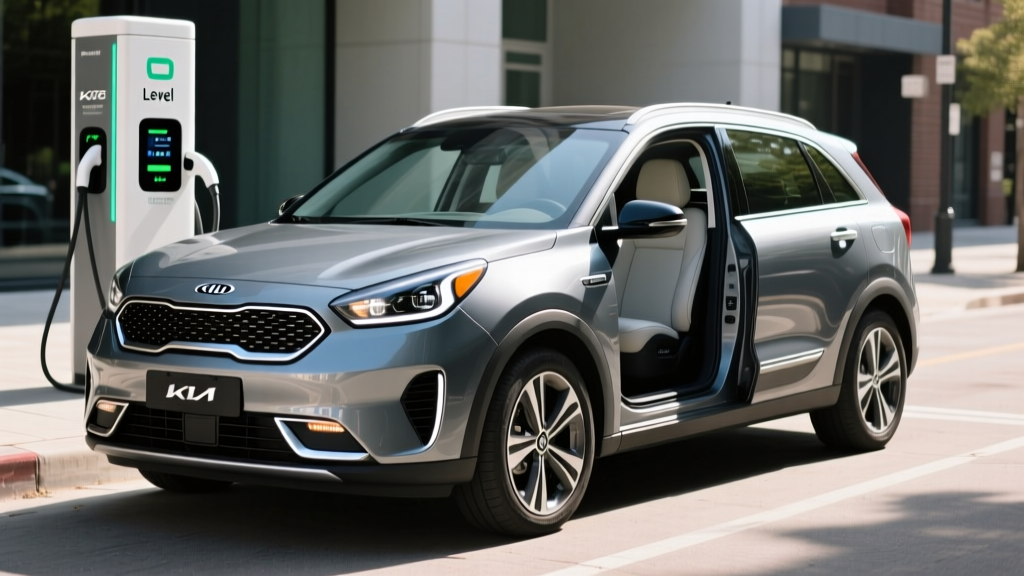
The 2026 Kia Niro PHEV occupies a narrow but valuable lane in the electrified-vehicle market: it delivers genuine daily-commute electric driving without the range anxiety or charging dependency of a full battery-electric vehicle. With an EPA-rated 33 miles of electric-only range, a combined 52 MPG once the battery is depleted, and a starting MSRP around $35,590, it's one of the most accessible plug-in hybrids on the market — and one that actually makes financial sense for a wide range of buyers.
But the Niro PHEV isn't for everyone. If your commute is under 30 miles round-trip and you can charge at home, it can function as a de facto EV on most weekdays. If you regularly drive 200+ miles without charging access, you're carrying extra battery weight you rarely use, and a conventional Niro HEV might serve you better. This guide breaks down the exact numbers you need to decide.
| Spec | Value |
|---|---|
| EPA Electric-Only Range | 33 miles |
| EPA Combined MPGe (EV mode) | 108 MPGe |
| EPA Combined MPG (hybrid mode) | 52 MPG (49 city / 55 hwy) |
| Battery Capacity | 11.1 kWh (usable ~9.0 kWh) |
| Battery Chemistry | Lithium-ion polymer (NMC) |
| Combined System Horsepower | 180 hp |
| Engine | 1.6L GDI 4-cyl (104 hp) + 83 hp electric motor |
| Transmission | 6-speed dual-clutch automatic (DCT) |
| AC Charging (Level 2) | ~2 hours (0–100%) |
| DC Fast Charging | Not available |
| 0–60 mph | ~7.2 seconds |
| Cargo Volume | 19.4 cu ft (rear seats up) / 54.5 cu ft (folded) |
| Base MSRP (EX trim) | $35,590 |
| Battery Warranty | 10 years / 100,000 miles |
HEV vs. PHEV: Which Niro Are You Actually Looking At?
Kia sells the Niro in three electrified flavors, and buyers frequently confuse them. The distinction matters enormously for your wallet and your daily routine.
| Attribute | Niro HEV (Hybrid) | Niro PHEV (Plug-In Hybrid) | Niro EV (Battery Electric) |
|---|---|---|---|
| Plug in to charge? | No — self-charging via regen + engine | Yes — plug in for 33 mi EV range | Yes — plug in for 239 mi EV range |
| Electric-only range | ~1 mile at low speed | 33 miles (EPA) | 239 miles (EPA) |
| Combined MPG / MPGe | 53 MPG combined | 52 MPG / 108 MPGe | 113 MPGe |
| Battery size | 1.56 kWh | 11.1 kWh | 64.8 kWh |
| System horsepower | 139 hp | 180 hp | |
| Base MSRP | ~$28,390 | ~$35,590 | ~$40,875 |
| Federal tax credit (§30D) | Not eligible | Up to $7,500 (see rules below) | Up to $7,500 (see rules below) |
The conventional Niro HEV never plugs in. It uses a small 1.56 kWh battery that recharges through regenerative braking and the gasoline engine. You drive it exactly like a gas car — fill up at the station — and it simply uses less fuel (53 MPG combined). There's no electric-only commute capability to speak of.
The Niro PHEV has a much larger 11.1 kWh battery and a more powerful electric motor. You plug it in at home (or at a public Level 2 charger) to get a full charge, then drive up to 33 miles on electricity alone before the gasoline engine seamlessly kicks in. After the battery depletes, it operates as a conventional hybrid at 52 MPG. Think of it as an EV for short commutes and a hybrid for road trips.
The Niro EV is a fully electric vehicle with no gasoline engine. It requires regular charging access and offers 239 miles of range.
Fuel Economy: EPA Numbers vs. Real-World MPG
Hybrids and PHEVs behave differently than most buyers expect. Here's what the EPA rates the Niro PHEV at, per fueleconomy.gov:
| Mode | City | Highway | Combined |
|---|---|---|---|
| Charge-depleting (EV mode) | 108 MPGe combined | ||
| Charge-sustaining (hybrid mode) | 49 MPG | 55 MPG | 52 MPG |
Real-world reality check: In hybrid mode, expect the Niro PHEV to roughly match or slightly exceed its EPA highway rating in mixed suburban driving — hybrids tend to do better in stop-and-go city traffic than their highway numbers suggest, because regenerative braking recaptures energy that gas cars waste as heat. Owners consistently report 50–56 MPG in real-world combined driving when the battery is depleted, with some exceeding 60 MPG on gentle city routes.
In EV mode, 33 EPA-rated miles translates to roughly 27–31 miles of real-world electric range at highway speeds (65–75 mph) or in cold weather (below 40°F), where battery efficiency drops 10–20%. In mild conditions at city speeds, you may see the full 33 miles or even slightly more.
The total combined range — electric plus gasoline — is approximately 560 miles on a full tank and full battery. That eliminates range anxiety entirely for road trips.
Charging the Niro PHEV: What You Need to Know
The Niro PHEV uses a standard J1772 connector for AC charging. Here's what to expect:
| Charging Level | Power | Time (0–100%) | Where |
|---|---|---|---|
| Level 1 (standard 120V outlet) | ~1.4 kW | ~8–9 hours | Any household outlet |
| Level 2 (240V home or public) | ~3.3 kW (onboard charger limit) | ~2.5–3 hours | Home wallbox, public Level 2 stations |
| DC Fast Charging | Not supported | N/A | N/A |
Critical detail: The Niro PHEV's onboard charger is limited to approximately 3.3 kW. Even if you plug into a 7.2 kW or 11.5 kW Level 2 public charger, the car will only draw 3.3 kW. This is typical for PHEVs — their smaller batteries don't need (and aren't designed for) high-power charging.
For most owners, a standard 120V household outlet (Level 1) is sufficient for overnight charging. Plug in when you get home, and 8 hours later you have a full 33-mile EV range for the next morning. A Level 2 home charger is convenient but not strictly necessary unless you need to top off midday.
No DC fast charging means you won't be using Electrify America or Tesla Superchargers for quick top-ups. That's fine — the PHEV's design philosophy is home charging for daily EV miles, gasoline for everything else.
Powertrain and Driving Dynamics
The Niro PHEV pairs a 1.6-liter GDI 4-cylinder engine (producing 104 hp on its own) with an 83-hp permanent-magnet electric motor integrated into the 6-speed dual-clutch transmission. Combined system output is 180 hp — a meaningful jump over the conventional HEV's 139 hp.
That extra power is noticeable. The Niro PHEV hits 0–60 mph in approximately 7.2 seconds, which is quick for a compact crossover focused on efficiency. More importantly, the electric motor provides instant torque from a stop, making city driving and highway merging feel confident and responsive.
In EV mode, the car is whisper-quiet — no engine noise, just a faint electric hum. The transition when the gasoline engine engages is well-managed; most drivers won't notice the handoff unless they're watching the power-flow display.
The 6-speed DCT is a deliberate choice by Kia over the continuously variable transmissions (CVTs) used in many competitors (like the Toyota Prius Prime). The result is more natural-feeling acceleration without the "rubber band" effect some drivers dislike in CVTs, though you may notice occasional low-speed shift hesitation in stop-and-go traffic.
Pricing, Trims, and Tax Credit Eligibility
The 2026 Kia Niro PHEV is offered in three trims:
| Trim | MSRP (incl. destination) | Key Features |
|---|---|---|
| EX | $35,590 | 10.25" touchscreen, wireless CarPlay/Android Auto, heated front seats, Smart Power Liftgate |
| EX Touring | $38,090 | Adds leatherette seats, sunroof, Harman Kardon audio, wireless phone charging |
| X-Line | $39,590 | Adds rugged styling, roof rails, all-weather floor mats |
Federal §30D Tax Credit: Does the Niro PHEV Qualify?
This is where PHEV buyers need to pay close attention. Under current IRS §30D rules, the Kia Niro PHEV may qualify for up to $7,500 in federal tax credits — but eligibility depends on multiple factors that change regularly:
- MSRP cap: The vehicle's MSRP must not exceed $80,000 for SUVs (the Niro PHEV qualifies at all trim levels).
- Buyer income cap: Modified adjusted gross income must not exceed $150,000 (single), $225,000 (head of household), or $300,000 (joint filers).
- Battery sourcing requirements: Critical minerals and battery components must meet escalating domestic-sourcing thresholds. These requirements tighten annually and can affect credit amount ($3,750 vs. $7,500). Check the latest fueleconomy.gov tax credit listings for the current status of the Niro PHEV specifically.
- Point-of-sale transfer: As of 2024, eligible buyers can transfer the credit to the dealer at purchase, receiving the credit as an immediate price reduction rather than waiting to claim it on their tax return.
Important: Tax credit eligibility for specific vehicles changes as battery sourcing shifts. Always verify current eligibility on fueleconomy.gov or with your tax professional before relying on the credit in your purchase decision.
Reliability, Battery Warranty, and Long-Term Costs
Kia Niro PHEV Battery & Powertrain Warranty
- High-voltage battery: 10 years / 100,000 miles (capacity retention above 70%)
- Powertrain (engine + motor + DCT): 10 years / 100,000 miles
- Bumper-to-bumper: 5 years / 60,000 miles
- Roadside assistance: 5 years / 60,000 miles
Kia's 10-year/100,000-mile powertrain and battery warranty is among the best in the industry and directly addresses the top concern PHEV buyers have: what happens if the battery degrades or fails?
Real-world degradation data: PHEV batteries experience less stress than full EV batteries because they operate in a narrower state-of-charge window (the car's software prevents full 0% or 100% usage to preserve longevity). Based on data from earlier Niro PHEV model years and comparable Hyundai/Kia PHEV platforms, expect approximately 5–8% capacity loss over 5 years of normal use. That means your 33-mile EV range might become 30–31 miles after half a decade — barely noticeable in daily driving.
Battery replacement cost: If the high-voltage battery does need replacement outside of warranty, expect a cost between $4,000 and $6,500 including labor at a Kia dealer. However, battery failures within the warranty period are covered, and the 10-year window covers most owners' entire time with the vehicle.
For overall reliability, the Niro PHEV benefits from a mature powertrain design. The 1.6L GDI engine and 6-speed DCT are well-established Kia/Hyundai components with years of service history. IIHS has rated the Niro platform favorably in crash testing.
What We Like
- 33 miles EV range covers most daily commutes entirely on electricity
- 52 MPG hybrid mode means no fuel penalty on long road trips
- 180 hp is genuinely peppy for a 52-MPG crossover
- 10-year/100,000-mile battery warranty reduces long-term risk
- Potential $7,500 federal credit makes EX trim competitive with gas crossovers
- No range anxiety — 560+ miles total range with gas + electric
Where It Falls Short
- 3.3 kW onboard charger is slow for public Level 2 top-ups
- No DC fast charging capability at all
- EV range drops to ~27 mi in cold weather or highway driving
- $7,000+ premium over the conventional Niro HEV (payback takes years)
- Cargo space slightly reduced vs. Niro HEV due to larger battery
- Tax credit eligibility subject to sourcing rules that change frequently
Who Should Buy the Kia Niro PHEV — And Who Shouldn't?
Choose the Niro PHEV If:
- Your daily round-trip commute is 25–35 miles and you can charge at home overnight
- You want EV-like daily driving but also need a gas engine for weekend road trips or apartment-to-apartment driving without guaranteed charging
- You want to reduce fuel consumption dramatically without committing to full EV infrastructure
- You value Kia's 10-year warranty as a hedge against battery risk
Choose the Niro HEV Instead If:
- You cannot charge at home or at work (apartment, street parking without outlet access)
- Your commute is either very short (under 10 miles) or very long (50+ miles) where the PHEV premium doesn't pay off
- You want the lowest possible purchase price and the simplicity of never plugging in
Choose the Niro EV Instead If:
- You have reliable home charging and your daily driving stays under 200 miles
- You want zero gasoline expenses and minimal maintenance (no oil changes, no engine)
- You're ready to commit to full electric and want maximum emissions reduction
The payback math: The Niro PHEV EX costs roughly $7,200 more than the Niro HEV LX. If you drive 12,000 miles per year and charge at home (electricity at $0.14/kWh), you'll save approximately $600–$800 per year in fuel costs vs. the HEV, depending on how many miles you drive in EV mode. Without the tax credit, payback takes 9–12 years. With the full $7,500 credit, the PHEV actually costs less than the HEV on day one and saves you fuel money from that point forward. This makes tax credit eligibility the single most important variable in your decision.
Frequently Asked Questions
How many MPG does the Kia Niro PHEV get?
Once the battery is depleted, the Niro PHEV achieves an EPA-rated 49 MPG city, 55 MPG highway, and 52 MPG combined. In real-world driving, owners typically report 50–56 MPG combined. While driving in EV mode (first 33 miles after charging), it uses no gasoline and achieves 108 MPGe.
How far can the Kia Niro PHEV go on electric only?
The EPA rates the Niro PHEV at 33 miles of electric-only range. In real-world conditions, expect approximately 27–31 miles at highway speeds or in cold weather, and up to 33–35 miles in mild conditions at city speeds. The gasoline engine seamlessly takes over when the battery depletes, so you're never stranded.
Does the Kia Niro PHEV qualify for a tax credit?
The Niro PHEV may qualify for up to $7,500 under the federal §30D clean vehicle credit, depending on current battery-sourcing requirements, your income level, and the vehicle's MSRP. Eligibility changes as sourcing rules tighten. Verify current status at fueleconomy.gov and consult a tax professional before purchasing.
Is the Kia Niro PHEV reliable, and what does battery replacement cost?
The Niro PHEV uses a mature Kia/Hyundai powertrain with a strong reliability track record. The high-voltage battery is covered by a 10-year/100,000-mile warranty. Out-of-warranty battery replacement costs approximately $4,000–$6,500. Real-world degradation is typically 5–8% over 5 years, meaning minimal range loss during normal ownership.
Do I need to install a home charger for the Niro PHEV?
No. A standard 120V household outlet (Level 1) will fully charge the Niro PHEV's 11.1 kWh battery in about 8–9 hours — sufficient for overnight charging. A 240V Level 2 charger reduces that to roughly 2.5–3 hours but is optional. The car does not support DC fast charging.
Hybrid vs. PHEV vs. EV — which is right for me?
Choose a conventional hybrid (HEV) if you can't charge at home and want maximum simplicity. Choose a PHEV if you can charge at home, want electric-only commuting for short trips, but need gas-engine flexibility for longer drives. Choose a full EV if you have reliable charging access, want zero gasoline use, and your daily driving stays within the vehicle's range. The Niro is available in all three configurations.