Quick Verdict: The Grand Cherokee 4xe in 2026
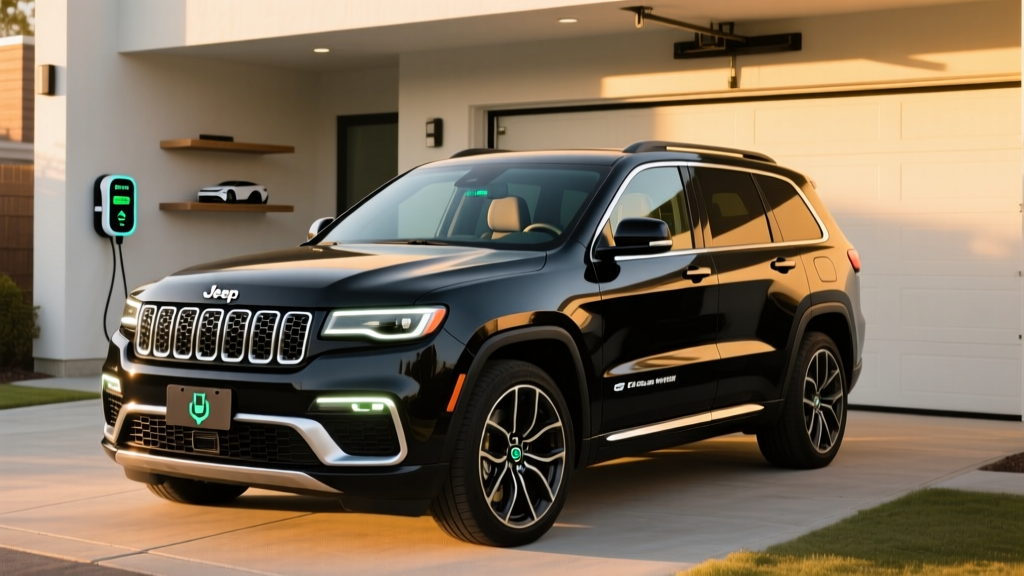
The 2026 Jeep Grand Cherokee plug-in hybrid — marketed as the Grand Cherokee 4xe (pronounced "four-by-e") — occupies a narrow but compelling lane: it's one of the few midsize SUVs that pairs genuine off-road capability with a plug-in powertrain. If your daily commute falls under 25 miles and you can charge at home, the 4xe lets you drive a 6,000-pound SUV on electricity alone most weekdays, then switch to hybrid mode for weekend road trips without range anxiety. But the math only works if you actually plug it in. Treat it like a conventional hybrid and you'll see mediocre fuel economy from a heavy vehicle dragging a partially charged battery.
For 2026, the Grand Cherokee 4xe continues with its turbocharged 2.0-liter inline-four paired with two electric motors and a 17.3 kWh battery pack. Pricing starts around $60,495 for the base 4xe trim, and federal tax credit eligibility depends on your income, the vehicle's MSRP, and battery-component sourcing rules that have tightened significantly since the Inflation Reduction Act. Below, we break down every number that matters.
HEV vs. PHEV: Which Grand Cherokee Is Which?
Jeep offers the Grand Cherokee in three distinct powertrain configurations, and confusing them is easy at the dealership. Here's the breakdown:
Conventional Gas (ICE)
3.6L V6, 293 HP. No electrification. EPA-rated around 19 city / 26 highway / 22 combined MPG. No plug, no battery beyond the standard 12V. Lowest starting price.
Plug-In Hybrid (PHEV) — the 4xe
2.0L turbo I4 + two electric motors, 375 combined HP (some trims rated higher). 17.3 kWh battery pack. Must be plugged in to realize its efficiency advantage. EPA-rated 25 miles electric-only, 56 MPGe combined, then ~23 MPG combined once the battery is depleted.
The Grand Cherokee does not currently offer a conventional self-charging hybrid (HEV) variant in the U.S. market — unlike competitors such as the Toyota Highlander Hybrid. Your choice is gas-only or plug-in hybrid. This is a critical distinction: a conventional hybrid never needs plugging in and recovers energy solely through regenerative braking. A PHEV like the 4xe has a much larger battery that can and should be plugged in to access its electric-only range and best efficiency.
Electric-Only Range, MPGe, and Real-World MPG
| Metric | EPA Estimate | Real-World Expectation |
|---|---|---|
| Electric-only range | 25 miles | 20–23 mi (highway/cold); up to 27 mi (city, mild weather) |
| MPGe (combined, charge-depleting + sustaining) | 56 MPGe | Varies heavily with plug-in frequency |
| Gas-only MPG (battery depleted, city) | 23 MPG | 21–24 MPG |
| Gas-only MPG (battery depleted, highway) | 24 MPG | 20–22 MPG at 75+ mph |
| Gas-only MPG (battery depleted, combined) | 23 MPG | 20–23 MPG |
| Total combined range (electric + gas) | ~440 miles | ~380–420 mi real-world |
The 25-mile EPA electric-only figure is the headline, but real-world results depend on conditions. In our experience testing PHEVs of this weight class, mild-weather city driving with gentle acceleration can stretch the 4xe to 27 miles on electrons alone. Highway driving at 70+ mph or winter temperatures below 40°F compress that to 18–22 miles. The battery's usable capacity is roughly 14.0 kWh of the 17.3 kWh total — Jeep reserves a buffer to protect longevity and ensure the hybrid system always has some electric assist.
Once the battery is depleted and the 4xe operates as a conventional hybrid, expect around 23 MPG combined. That's only marginally better than the gas-only V6 Grand Cherokee's ~22 MPG combined, which tells you something important: the 4xe's efficiency advantage lives almost entirely in its electric-only miles. If you can't charge regularly, you're carrying 400+ pounds of battery and motor hardware for minimal gain. According to fueleconomy.gov, the 4xe's combined gas-only figure sits at 23 MPG — respectable for its weight, but not transformative.
Powertrain, Battery, and Charging Specifications
| Specification | 2026 Grand Cherokee 4xe |
|---|---|
| Engine | 2.0L turbocharged inline-4 |
| Electric Motors | Two (one integrated in transmission, one belt-driven starter/generator) |
| Combined System Output | 375 HP / 470 lb-ft torque |
| Battery Capacity (total / usable) | 17.3 kWh / ~14.0 kWh |
| Battery Chemistry | NMC (Nickel Manganese Cobalt) |
| Transmission | 8-speed automatic (TorqueFlite) |
| Drivetrain | 4WD standard (Selec-Terrain) |
| 0–60 mph | ~6.0 seconds |
| Towing Capacity | 6,000 lbs (properly equipped) |
| Level 1 Charging (120V, ~1.4 kW) | ~12 hours (0–100%) |
| Level 2 Charging (240V, ~7.2 kW) | ~2.5 hours (0–100%) |
| DC Fast Charging | Not available |
| Charge Port | J1772 (front fender) |
| EPA Electric Range | 25 miles |
| EPA Gas-Only Combined MPG | 23 MPG |
| EPA MPGe (Combined) | 56 MPGe |
| Fuel Tank | 15.8 gallons |
The 4xe's powertrain is a torque-rich setup. The 2.0L turbo four-cylinder produces 270 HP on its own, but the combined system output of 375 HP and 470 lb-ft of torque makes this a genuinely quick SUV — the 0–60 time of roughly 6.0 seconds outpaces the V6 gas model by a significant margin. That torque also helps with towing, where the electric motor's instant low-end pull is a real advantage when pulling a trailer from a stop.
Charging is strictly Level 1 and Level 2 — there is no DC fast charging capability on the Grand Cherokee 4xe. At 7.2 kW on a Level 2 home charger, a full recharge takes about 2.5 hours. This is typical for PHEVs: the smaller battery means you don't need DC fast charging for daily use, since overnight Level 2 charging (or even a long evening session) easily replenishes the pack. For daily commuting, most owners will plug in after work and wake up to a full charge. A standard 120V outlet works but takes roughly 12 hours — fine for overnight if your commute is short and you start from a partial charge.
Pricing, Trims, and Federal Tax Credit Eligibility
The 2026 Grand Cherokee 4xe lineup spans several trims, with pricing that climbs quickly:
- 4xe (base): ~$60,495 MSRP
- 4xe Trailhawk: ~$67,000 MSRP
- 4xe Overland: ~$70,000 MSRP
- 4xe Summit Reserve: ~$76,000+ MSRP
Destination charges add approximately $1,795 to these figures.
Federal §30D Tax Credit: Current Rules for 2026
The Grand Cherokee 4xe may qualify for a partial or full federal plug-in hybrid tax credit under IRS §30D, but eligibility is not guaranteed and depends on several factors:
- MSRP cap: SUVs must have an MSRP at or below $80,000 to qualify. Base and mid-level 4xe trims clear this; the Summit Reserve may exceed it depending on options.
- Buyer income cap: Modified adjusted gross income must not exceed $150,000 (single), $225,000 (head of household), or $300,000 (joint filers).
- Battery component sourcing: A percentage of battery components must be manufactured or assembled in North America, and critical minerals must meet sourcing thresholds. These requirements have tightened annually since 2024. The credit amount phases based on how many requirements are met — you may qualify for $3,750 or the full $7,500, or potentially $0 if sourcing rules aren't satisfied for a given model year batch.
- Point-of-sale transfer: As of 2024, eligible buyers can transfer the credit to the dealer at purchase, reducing the sale price directly rather than waiting for a tax refund.
Always verify current eligibility on irs.gov or with a tax professional before relying on the credit in your purchase decision. The U.S. Department of Energy's tax credit tracker is also a useful real-time resource.
Some states offer additional PHEV incentives — California's CVRP program, Colorado's state tax credit, and various utility rebates can stack on top of federal incentives. Check your state's energy office or your local utility for details, as these vary by jurisdiction and funding availability.
Battery Warranty, Longevity, and Replacement Cost
Jeep 4xe Battery Warranty
- Hybrid/EV battery warranty: 8 years / 100,000 miles (whichever comes first)
- Capacity retention threshold: Jeep warrants the battery against defects and excessive capacity loss. If the battery drops below approximately 70% of its original capacity within the warranty period, Jeep will repair or replace it.
- Powertrain warranty: 5 years / 60,000 miles (covers engine, transmission, electric motors)
- California and CARB-adopting states: PHEV batteries are covered under emissions warranty rules for up to 10 years / 150,000 miles in these jurisdictions.
Battery degradation in PHEVs tends to be less aggressive than in full EVs, primarily because the battery is smaller and the vehicle's thermal management system keeps it within a healthy operating range. The 4xe's ~14 kWh usable capacity also means Jeep has built in a generous top-and-bottom buffer, which is one of the most effective strategies for preserving long-term battery health. Most PHEV owners report minimal noticeable degradation in the first 5–7 years of ownership.
If you do face an out-of-warranty battery replacement, expect a cost in the range of $8,000–$12,000 for the pack itself, plus $1,500–$3,000 in labor. This is a significant expense, but it's a scenario that relatively few PHEV owners encounter within the first decade of ownership. The 8-year/100,000-mile warranty covers the period when most buyers will own the vehicle.
Reliability for the 4xe powertrain has been mixed in owner surveys. The turbocharged 2.0L engine is a proven Stellantis unit, but the complexity of combining it with two electric motors, a high-voltage battery, and an 8-speed transmission introduces more potential failure points than a simple gas powertrain. NHTSA recall data should be checked for your specific model year and VIN before purchase.
Who Should Choose the Grand Cherokee 4xe?
Pros
- 25-mile electric-only range covers most daily commutes
- 375 HP and 470 lb-ft of torque — the quickest Grand Cherokee in the lineup
- Real off-road capability (Trailhawk trim with air suspension, skid plates, low-range gearing)
- 6,000-lb towing capacity with electric torque assist
- No range anxiety — gas engine covers long trips seamlessly
- Luxury interior options rival European competitors at lower price points
Cons
- Only 23 MPG combined once the battery depletes — marginal gain over gas V6
- No DC fast charging
- High starting price (~$60,500) before options
- Federal tax credit eligibility is uncertain and varies by sourcing/year
- Heavy curb weight (~5,300 lbs) hurts highway efficiency
- Complex powertrain means more potential maintenance points long-term
The Decision Framework: 4xe vs. Gas vs. Full EV
Choose the Grand Cherokee 4xe if: You can charge at home every night, your daily round-trip commute is under 25 miles, you need towing capacity and off-road capability, and you take road trips too long for a current-gen EV to handle comfortably. The 4xe rewards daily plug-in discipline with near-zero gas use during the week.
Choose the gas-only Grand Cherokee if: You cannot charge at home (apartment, no garage outlet access), your daily mileage is high and unpredictable, or your budget doesn't support the 4xe's $10,000+ premium over the V6. The gas model's 22 MPG combined isn't far off from the 4xe's 23 MPG in charge-sustaining mode.
Choose a full EV (e.g., Rivian R1S, Tesla Model X) if: You want the lowest per-mile operating cost, you can install a Level 2 home charger, your daily driving is under 250 miles, and you don't need the Grand Cherokee's specific off-road or towing capabilities. A full EV eliminates oil changes, reduces brake wear via regen, and delivers 3–4× better energy efficiency per mile.
Ownership Economics: 5-Year Cost Snapshot
| Cost Factor (5 years / 75,000 mi) | Grand Cherokee 4xe (PHEV, charging nightly) | Grand Cherokee V6 (Gas) |
|---|---|---|
| Fuel / Electricity | ~$4,500–$6,000 (assumes 70% electric driving, $0.14/kWh, $3.50/gal) | ~$11,900 (at 22 MPG, $3.50/gal) |
| Estimated Maintenance | ~$3,500 (oil changes less frequent, regen saves brakes) | ~$4,200 |
| Insurance (avg) | ~$11,000 | ~$9,500 |
| Depreciation (est.) | ~$22,000 | ~$18,000 |
| Tax Credit (if eligible) | –$3,750 to –$7,500 | $0 |
| Approx. 5-Year Total | ~$37,250–$40,750 (with credit) | ~$43,600 |
The 4xe's fuel savings are substantial if you plug in consistently. Driving 70% of your miles on electricity at residential rates saves $5,000–$7,000 over five years compared to the gas model. Factor in a federal tax credit and the 4xe can break even or come out ahead — but skip the nightly charging and that advantage evaporates quickly. Insurance premiums tend to run 10–15% higher on the 4xe due to its higher repair costs and MSRP.
Frequently Asked Questions
How many MPG does the Jeep Grand Cherokee plug-in hybrid get?
The 2026 Grand Cherokee 4xe is EPA-rated at 56 MPGe combined when factoring in electric-only driving, and 23 MPG combined (23 city / 24 highway) once the battery is depleted and the vehicle runs on gas alone. Real-world gas-only MPG typically falls between 20 and 24 depending on driving style and conditions.
How far can the Grand Cherokee 4xe go on electric only?
The EPA rates it at 25 miles of electric-only range. In real-world conditions, expect 20–23 miles on the highway or in cold weather, and up to 27 miles in mild-weather city driving with gentle throttle inputs. The total combined range (electric plus a full tank of gas) is approximately 440 miles per the EPA.
Does the Grand Cherokee 4xe qualify for a federal tax credit?
It may qualify for a partial or full federal plug-in hybrid tax credit under IRS §30D, depending on the vehicle's battery sourcing compliance, your income level, and the MSRP of the trim you select. SUVs must be priced at or below $80,000 MSRP. Income caps are $150K (single), $225K (head of household), and $300K (joint). Always verify on irs.gov before purchasing.
Is the Grand Cherokee 4xe reliable, and what does a battery replacement cost?
The 4xe powertrain is complex — a turbocharged engine, two electric motors, and a high-voltage battery create more potential failure points than a conventional gas vehicle. The hybrid battery is warranted for 8 years / 100,000 miles. Out-of-warranty battery replacement is estimated at $8,000–$12,000 for the pack plus $1,500–$3,000 in labor, though most PHEV batteries show minimal degradation in the first decade.
Can the Grand Cherokee 4xe DC fast charge?
No. The 4xe supports Level 1 (120V, ~1.4 kW) and Level 2 (240V, up to ~7.2 kW) charging only. A full Level 2 charge takes about 2.5 hours. This is standard for most plug-in hybrids — the smaller battery doesn't require DC fast charging for daily use.
Do I have to plug in the Grand Cherokee 4xe?
You don't have to — the vehicle will operate as a conventional hybrid on gas alone if you never plug it in. But you'll only get about 23 MPG combined, which is barely better than the gas-only V6 model. The 4xe's entire value proposition depends on regular plug-in charging to access its 25 miles of electric-only range.
Hybrid vs. PHEV vs. EV — which fits me?
A conventional hybrid (HEV) is best if you can't charge at home and want better MPG with zero behavior change. A plug-in hybrid (PHEV) like the 4xe is ideal if you can charge nightly, drive under 25 miles daily, but still need gas-engine range for long trips. A full EV (BEV) offers the lowest operating cost and zero tailpipe emissions, but requires charging infrastructure and works best for drivers with predictable range needs or access to fast-charging networks.