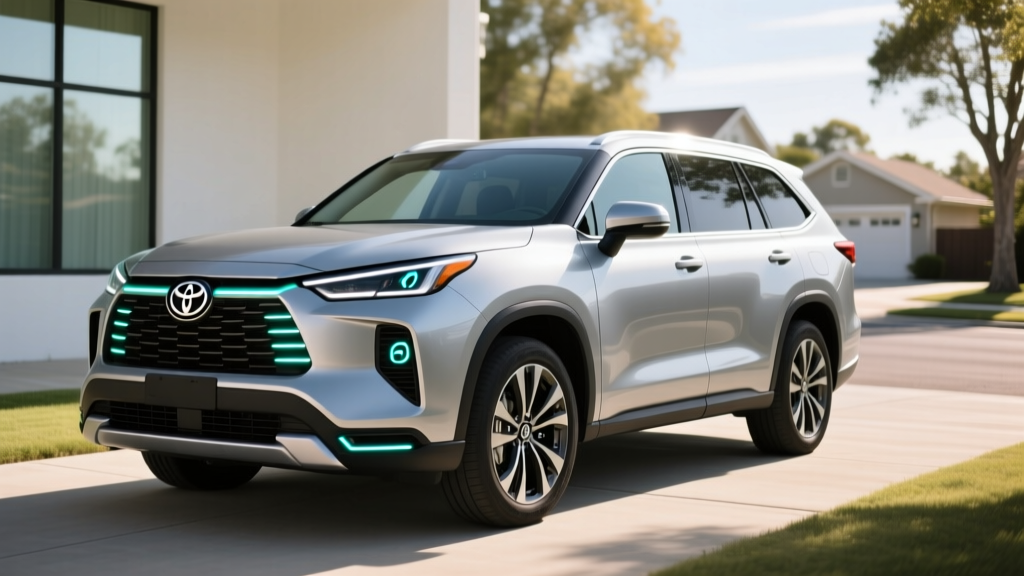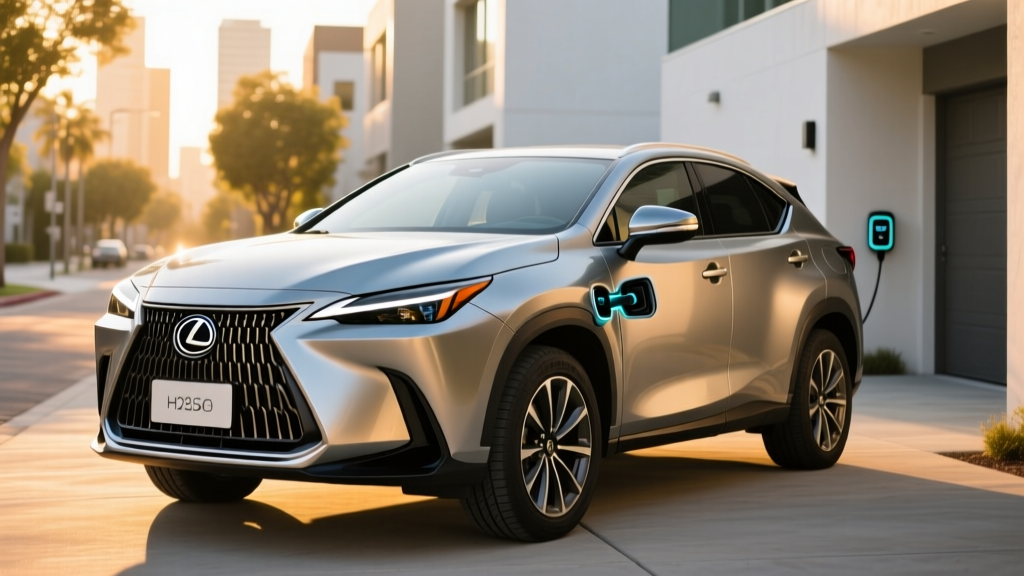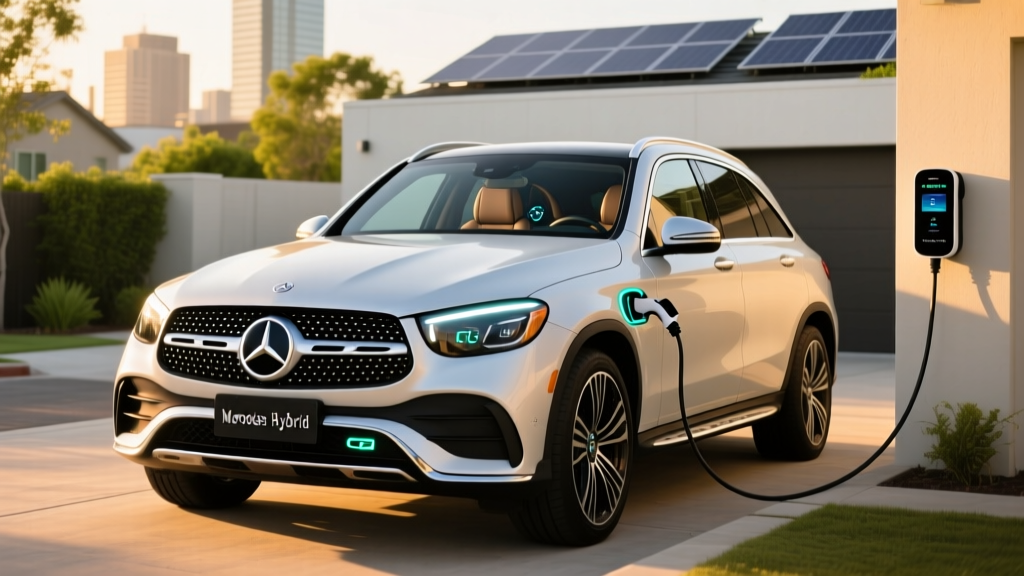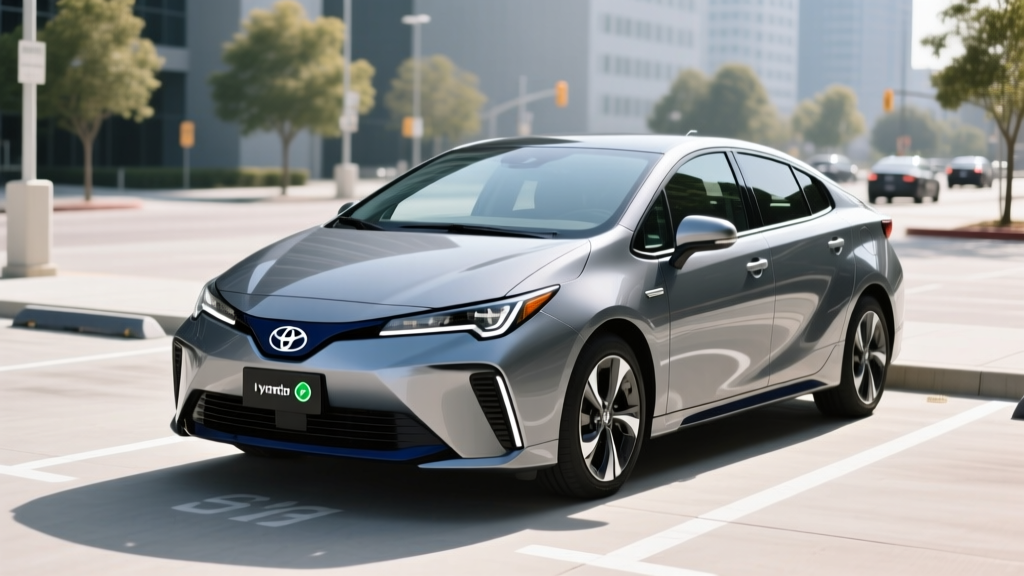
If you've been searching for clarity on the hybrid car tax credit IRS rules, you've likely hit a wall of conflicting information. Some sources say hybrids qualify for up to $7,500; others say they don't qualify at all. The truth depends entirely on what kind of hybrid you're buying — and the distinction matters more than most buyers realize.
As of 2026, the federal clean vehicle credit under IRS §30D applies only to plug-in hybrid electric vehicles (PHEVs) and battery electric vehicles (BEVs). Conventional hybrids (HEVs) like the Toyota Prius or Honda Accord Hybrid do not plug in and do not qualify. This guide breaks down exactly which vehicles are eligible, what the current IRS requirements are, and how to determine whether a PHEV makes financial sense for your driving habits.
HEV vs PHEV: The Tax Credit Divide
The single most important thing to understand before shopping is that not all hybrids are created equal in the eyes of the IRS. Here's the fundamental split:
| Feature | Conventional Hybrid (HEV) | Plug-in Hybrid (PHEV) |
|---|---|---|
| Plugs in to charge? | No — charges via regenerative braking and engine | Yes — has a charge port for Level 1/Level 2 |
| Battery size | 0.5–2.0 kWh (small buffer) | 10–25+ kWh (usable) |
| Electric-only range | None (motor assists engine only) | 20–50+ miles on battery alone |
| IRS §30D tax credit eligible? | No | Yes (if all requirements met) |
| Example models | Toyota Prius, Honda CR-V Hybrid | Toyota RAV4 Prime, Jeep Wrangler 4xe |
The IRS defines a qualifying plug-in electric vehicle under §30D as one with a battery capacity of at least 7 kWh that can be recharged from an external power source. Conventional hybrids fail both tests — their batteries are too small and they cannot plug in. This is non-negotiable under current law.
2026 IRS §30D Tax Credit Requirements for PHEVs
Even among PHEVs, not every model qualifies. The Inflation Reduction Act layered multiple requirements on top of the original credit structure. Here's the complete checklist for 2026:
- Vehicle type: Must be a new plug-in electric vehicle (PHEV or BEV) with ≥7 kWh battery
- MSRP caps: Vans, SUVs, and pickups ≤ $80,000 MSRP; sedans and other vehicles ≤ $55,000 MSRP
- Buyer income limits (MAGI): $300,000 (married filing jointly), $225,000 (head of household), $150,000 (single/other)
- Battery component sourcing: Percentage of battery components must be manufactured or assembled in North America (threshold increases annually)
- Critical minerals: Percentage of critical minerals must be sourced from the U.S. or FTA partners (threshold increases annually)
- Final assembly: Vehicle must undergo final assembly in North America
- Point-of-sale transfer: As of 2024, eligible buyers can transfer the credit to the dealer for an immediate price reduction at purchase
The credit itself is split into two halves: $3,750 for meeting the critical-minerals requirement and $3,750 for meeting the battery-components requirement. Many PHEVs qualify for only one half ($3,750) because their battery supply chains don't fully meet both thresholds. Always verify current eligibility on the fueleconomy.gov tax credit page before committing to a purchase.
Top PHEVs That May Qualify for the Tax Credit
Below are some of the most popular PHEVs on the U.S. market in 2026, with their key specs and general credit eligibility. Remember: eligibility can change based on battery sourcing updates and MSRP adjustments, so always confirm at point of sale.
| Model (2026) | Battery (kWh) | EV Range (mi) | Combined MPG | Combined HP | Base MSRP | Est. Credit |
|---|---|---|---|---|---|---|
| Toyota RAV4 Prime | 18.1 | 42 | 94 MPGe / 38 MPG | 302 | $44,900 | $3,750 |
| Jeep Wrangler 4xe | 17.3 | 22 | 49 MPGe / 20 MPG | 375 | $51,790 | $3,750–$7,500 |
| Chrysler Pacifica PHEV | 16.0 | 32 | 82 MPGe / 30 MPG | 260 | $51,095 | $7,500 |
| Hyundai Tucson PHEV | 13.8 | 33 | 80 MPGe / 35 MPG | 261 | $39,500 | $3,750 |
| Ford Escape PHEV | 14.4 | 37 | 105 MPGe / 40 MPG | 210 | $40,500 | $3,750 |
| Toyota Prius Prime | 13.6 | 44 | 127 MPGe / 52 MPG | 220 | $33,975 | $3,750 |
A few things to note: The RAV4 Prime and Prius Prime use Toyota's proven planetary-gear hybrid system paired with a larger lithium-ion pack. The Wrangler 4xe and Pacifica PHEV are assembled in North America and have historically met both credit halves, though battery-sourcing rules tighten every year. The Tucson PHEV and Escape PHEV may only meet one of the two sourcing thresholds depending on the model year's supply chain.
Real-World MPG: What to Actually Expect
Hybrid and PHEV fuel economy numbers can be misleading if you don't understand how they're measured. Here's how to read the data:
EPA MPGe vs. MPG — what's the difference?
MPGe (miles per gallon equivalent) measures efficiency when the PHEV is running on electricity, converting kWh to a gasoline-equivalent figure. MPG measures efficiency when the gas engine is running. Your real-world result depends entirely on how often you charge and how far you drive between charges.
| Model | EPA City MPG (gas) | EPA Hwy MPG (gas) | EPA Combined MPG (gas) | Real-World Note |
|---|---|---|---|---|
| RAV4 Prime | 40 | 36 | 38 | Expect 35–38 hwy; city can exceed 40 with regen |
| Wrangler 4xe | — | — | 20 (gas) | Brick-wall aero; 17–19 hwy is common |
| Pacifica PHEV | 32 | 28 | 30 | Minivan weight hurts hwy; 27–30 typical |
| Tucson PHEV | 38 | 33 | 35 | 33–36 combined; city-heavy drivers see 38+ |
| Escape PHEV | 44 | 37 | 40 | One of the most efficient; 42+ city is achievable |
| Prius Prime | 53 | 51 | 52 | Best-in-class; 55+ city is common in warm weather |
Conventional hybrids (non-plug-in) often exceed their EPA city numbers in real-world driving because stop-and-go traffic maximizes regenerative braking. The Toyota Prius (non-Prime HEV) is EPA-rated at 57 combined MPG, and many owners report 58–62 in city-heavy commutes. Highway driving is where hybrids lose their advantage — at sustained 70+ mph speeds, the engine does most of the work and aero drag dominates.
PHEV Electric-Only Range and Charging
The electric-only range of a PHEV determines how much of your daily driving can be done without burning a drop of gas. If your round-trip commute is under 40 miles and you charge nightly, a PHEV like the Prius Prime (44 mi EV range) or RAV4 Prime (42 mi) can function as a de facto EV on weekdays while offering unrestricted road-trip capability on weekends.
| Charging Level | Power | Time to Full (13–18 kWh) | Notes |
|---|---|---|---|
| Level 1 (120V household) | ~1.4 kW | 9–13 hours | Works for overnight top-ups; slow but free |
| Level 2 (240V home/public) | 3.3–7.2 kW | 2–5 hours | Recommended for daily charging; requires 240V outlet or hardwire |
| DC Fast Charge | Up to 50 kW (rare) | 30–45 min to 80% | Only a few PHEVs support DCFC (e.g., some Wrangler 4xe trims) |
Most PHEVs charge at 3.3–6.6 kW on Level 2, which is perfectly adequate given their small batteries. A full charge on a Level 2 home charger takes roughly 2–4 hours. Unlike full EVs, PHEVs rarely include DC fast-charging capability — the battery is simply too small to justify the hardware cost and thermal management complexity. If you need rapid public charging, a BEV is the better choice.
Battery Warranty, Reliability, and Replacement Cost
Federal mandate: All hybrid and PHEV batteries sold in the U.S. must carry a minimum warranty of 8 years or 100,000 miles (10 years/150,000 miles in CARB states including California, New York, Massachusetts, and others). This covers defects and capacity loss below a defined threshold, typically 60–70% of original capacity.
Hybrid battery reliability has improved dramatically over the past two decades. Toyota's nickel-metal-hydride (NiMH) packs in the Prius have demonstrated 200,000+ mile lifespans routinely. Modern PHEVs use lithium-ion chemistry, which offers better energy density but requires careful thermal management. Real-world data from owners and fleet operators suggests most PHEV batteries retain 85–92% capacity after 100,000 miles.
If replacement is needed outside warranty, costs vary significantly:
- Toyota Prius / Prius Prime: $2,500–$4,000 (NiMH or Li-ion depending on generation)
- RAV4 Prime: $5,000–$8,000 (larger Li-ion pack)
- Wrangler 4xe: $7,000–$12,000 (complex pack with active cooling)
- Pacifica PHEV: $6,000–$10,000
These are worst-case scenarios. Most hybrid and PHEV batteries outlast the vehicle's useful life or are replaced under warranty. The hybrid system itself (motor, inverter, planetary gearset) has proven extremely durable — Toyota's hybrid synergy drive has few wear components.
Hybrid vs PHEV vs EV: Which Is Right for You?
Choose a conventional hybrid (HEV) if:
- You can't charge at home or work (apartment, street parking)
- You want maximum simplicity — no plugs, no charging apps, no range planning
- Your priority is low fuel cost with zero behavioral change
- You don't need the tax credit (or don't qualify due to income limits)
Choose a PHEV if:
- You can install a Level 2 charger at home (240V outlet or hardwired)
- Your daily commute is under 40 miles round-trip (covers most EV-range PHEVs)
- You want electric daily driving but need gas flexibility for road trips
- You qualify for the §30D credit and want to reduce your effective purchase price
Choose a full EV (BEV) if:
- You have reliable home charging and access to DC fast-charging corridors
- You want zero tailpipe emissions and minimal maintenance (no oil changes, no gas engine)
- You drive under 300 miles daily and can plan charging stops on longer trips
- You want the full $7,500 tax credit (more BEVs qualify for both halves)
The PHEV sweet spot is a household with home charging, a sub-40-mile commute, and regular longer trips where EV charging infrastructure is sparse. The conventional hybrid sweet spot is a buyer who wants better fuel economy without changing any habits. And the BEV sweet spot is a charger-equipped household ready to commit to electric for daily and most long-distance driving.
PHEV Pros
- 20–50 miles of zero-emission daily driving
- No range anxiety — gas engine covers unlimited distance
- Eligible for up to $7,500 federal tax credit
- Lower fuel cost if charged regularly
- Smaller battery = lower manufacturing footprint than BEV
PHEV Cons
- Two powertrains to maintain (engine + electric)
- Electric range drops in cold weather (15–30% loss)
- Higher purchase price than comparable HEV
- Requires home charging to realize fuel savings
- Some models only qualify for half the tax credit ($3,750)
State Incentives Beyond the Federal Credit
While the federal §30D credit is the largest single incentive, many states offer additional rebates or tax credits for PHEVs. These vary widely and change frequently, so always check your state's energy or environmental agency website. Examples of state-level programs that have historically included PHEVs:
- California: CVRP rebate (income-dependent, up to $7,000 for qualifying PHEVs/BEVs — check current availability)
- Colorado: State tax credit for qualifying EVs/PHEVs (amount varies by year and vehicle price)
- New York: Drive Clean Rebote (up to $2,000 for PHEVs with sufficient EV range)
- Oregon: Clean Vehicle Rebate (income-tiered, PHEV eligibility varies)
State incentives can stack with the federal credit, potentially reducing a PHEV's effective price by $5,000–$12,000+ depending on your location and income. Consult a tax professional for your specific situation, as state credits may have different income caps and filing requirements than the federal credit.
Frequently Asked Questions
Do conventional hybrids like the Toyota Prius qualify for any federal tax credit?
No. The IRS §30D Clean Vehicle Credit applies only to plug-in vehicles — PHEVs and BEVs. Conventional hybrids (HEVs) that cannot plug in and have batteries under 7 kWh do not qualify for any federal purchase credit. Some states may offer minor incentives, but the federal credit is not available.
Can I claim the tax credit if I lease a PHEV?
Under §30D, the credit goes to the vehicle owner. In a lease, the leasing company (lessor) is the legal owner and claims the credit. However, many leasing companies pass the credit value through as a "lease cash" reduction, effectively lowering your monthly payment. Always ask the dealer whether the lease includes the credit pass-through. Alternatively, the commercial vehicle credit (§45W) has been used by some lessors to claim credits on vehicles that might not meet §30D sourcing rules — this is a complex area where a tax professional's guidance is valuable.
What happens if my income exceeds the MAGI limit?
If your modified adjusted gross income exceeds $300,000 (married filing jointly), $225,000 (head of household), or $150,000 (single), you are not eligible for the §30D credit regardless of the vehicle. The IRS uses the lesser of your current-year or prior-year MAGI. If you're near the threshold, consult a tax professional — certain deductions or retirement contributions may affect your MAGI.
How do I verify if a specific PHEV qualifies before buying?
Check the EPA's fueleconomy.gov tax credit page, which lists eligible vehicles and their credit amounts. You can also verify North American final assembly using the NHTSA VIN decoder. At the dealership, the seller should provide a Clean Vehicle Seller Report (IRS Form 15400) confirming the vehicle's eligibility.
Is the hybrid battery warranty really 10 years?
Federally, hybrid and PHEV battery warranties must cover at least 8 years/100,000 miles. In CARB states (California and states that follow California emissions standards), the requirement extends to 10 years/150,000 miles. Many manufacturers voluntarily offer 10 years/100,000 miles nationwide. Check your specific model's warranty documentation for exact terms and capacity-retention thresholds.
How much does it cost to charge a PHEV at home?
At the U.S. average residential electricity rate of ~$0.17/kWh (2025 data), fully charging a 14 kWh PHEV battery costs roughly $2.38. That provides 30–40 miles of electric driving — equivalent to about $0.06–$0.08 per mile. Compare that to a 30 MPG gas car at $3.50/gallon: ~$0.12 per mile. Daily electric commuting in a PHEV can cut fuel costs roughly in half for the electric portion.