Quick Verdict: The 2026 Honda CR-V Hybrid at a Glance
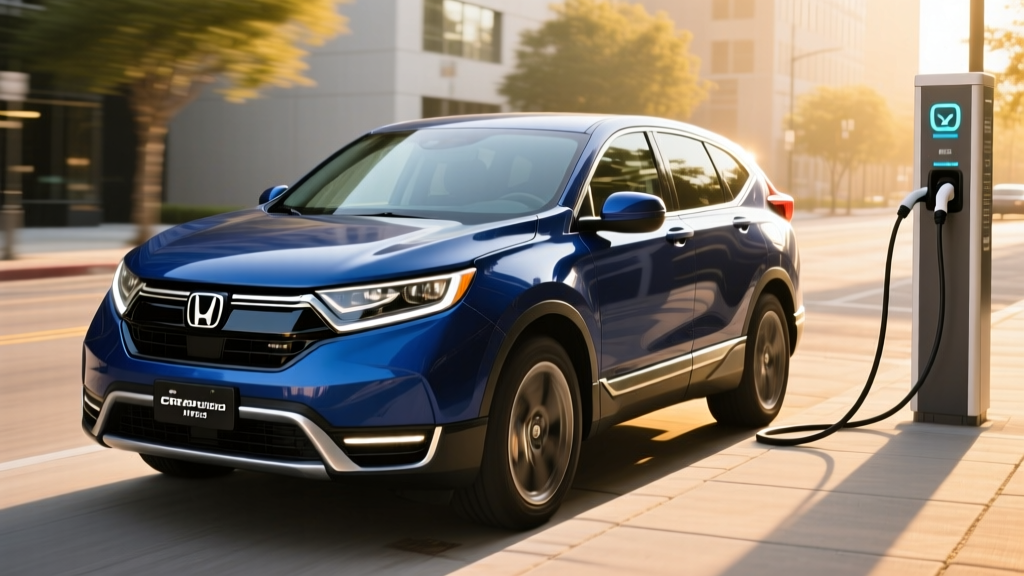
The 2026 Honda CR-V Hybrid remains one of the best-selling electrified compact SUVs in America, and for good reason. It pairs a 2.0-liter Atkinson-cycle four-cylinder with a two-motor hybrid system for a combined 204 horsepower, delivers up to 43 MPG in the city, and starts at roughly $35,000 — all without ever needing to be plugged in. For buyers who want meaningful fuel savings without the lifestyle adjustment of a plug-in hybrid or full EV, the CR-V Hybrid hits a pragmatic sweet spot.
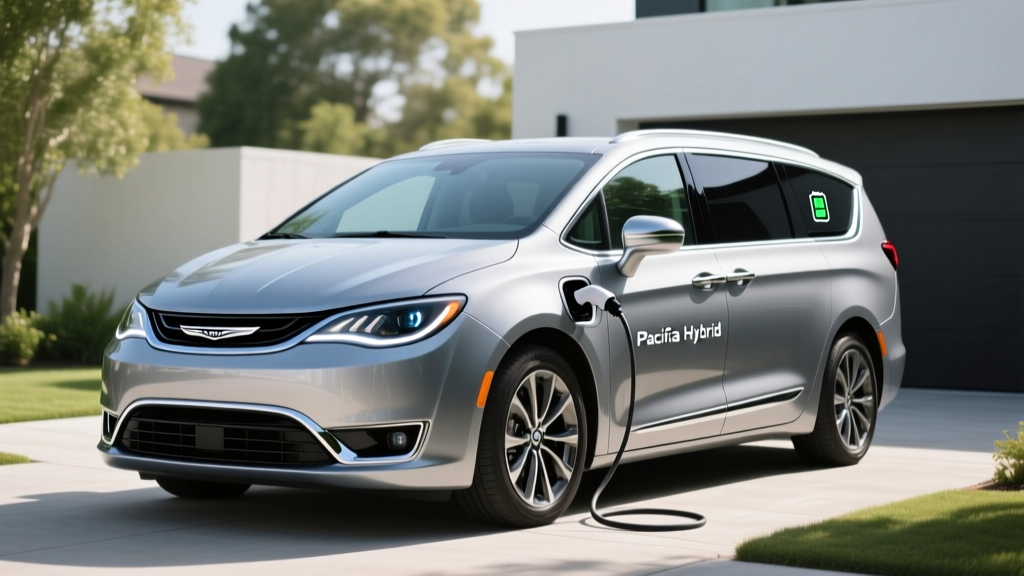
This guide covers every key specification, real-world fuel economy expectations, warranty coverage, and whether any tax incentives apply. We'll also clarify a common source of confusion: the CR-V Hybrid is a conventional hybrid (HEV), not a plug-in hybrid (PHEV). Honda discontinued the CR-V plug-in variant after the 2023 model year in the U.S. market.
HEV vs. PHEV: What the CR-V Hybrid Actually Is
Before diving into specs, it's worth clarifying what you're buying. The 2026 Honda CR-V Hybrid is a conventional hybrid electric vehicle (HEV). That means:
- No plug required. The battery recharges through regenerative braking and the gasoline engine. You never need a home charger or public charging station.
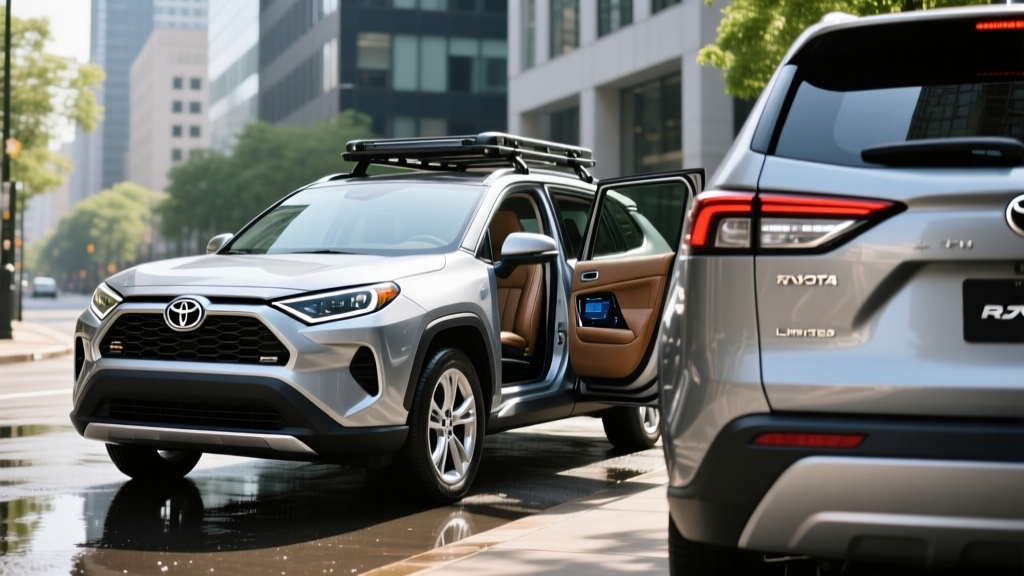
- No electric-only driving range. Unlike a PHEV (such as the Toyota RAV4 Prime), the CR-V Hybrid cannot travel meaningful distances on electricity alone. The electric motors assist the engine and enable brief low-speed EV mode, but the gas engine is always the primary energy source.
- No federal tax credit. The IRS §30D clean vehicle credit applies only to plug-in vehicles (BEVs and PHEVs) with qualifying battery sourcing. Conventional hybrids like the CR-V Hybrid do not qualify.
HEV vs. PHEV vs. EV: Which Fits You?
| Factor | HEV (CR-V Hybrid) | PHEV (e.g., RAV4 Prime) | BEV (e.g., Ioniq 5) |
|---|---|---|---|
| Plug in to charge? | No | Yes (optional) | Yes (required) |
| Electric-only range | ~1 mi at low speed | 25–42 mi typical | 250–350+ mi |
| Home charging needed? | No | Recommended (Level 2) | Yes (Level 2 ideal) |
| Federal tax credit | None | Up to $7,500* | Up to $7,500* |
| Best for | No charging access, simplicity | Short commute + home charging | Full electrification, home charging |
*§30D credit subject to MSRP caps, income limits, and battery sourcing requirements. See IRS.gov for current eligibility rules.
Fuel Economy: EPA Ratings vs. Real-World MPG
The headline number for the 2026 CR-V Hybrid is its EPA-estimated fuel economy. Front-wheel-drive (FWD) models achieve the highest ratings, while all-wheel-drive (AWD) variants — which account for the majority of U.S. sales — see a slight reduction.
| Drivetrain | City | Highway | Combined |
|---|---|---|---|
| FWD | 43 MPG | 36 MPG | 40 MPG |
| AWD | 40 MPG | 34 MPG | 37 MPG |
Source: EPA Fuel Economy
Real-World MPG: What Owners Actually See
Hybrid vehicles, especially those using Honda's two-motor system, tend to exceed EPA city estimates in stop-and-go traffic because regenerative braking recovers energy that a gas car would waste as heat. In real-world driving:
- City / suburban driving: Many owners report 41–45 MPG in warm weather, sometimes beating the EPA city figure. The hybrid system thrives at low speeds with frequent stops.
- Highway cruising (70–80 mph): Expect 32–36 MPG. At sustained highway speeds, the gasoline engine does most of the work, and aerodynamic drag reduces efficiency. The CR-V Hybrid's highway MPG is notably lower than its city number — a common hybrid trait.
- Cold weather (below 32°F): Fuel economy drops 10–15% due to engine warm-up cycles, cabin heating demands, and reduced battery efficiency. Winter city driving may yield 34–38 MPG in AWD models.
- Combined real-world average: Most owners tracking on Fuelly and similar platforms report 36–40 MPG combined year-round for AWD models, closely matching EPA estimates.
Powertrain Specs: Engine, Motors, and Performance
The 2026 CR-V Hybrid uses Honda's fourth-generation two-motor hybrid system, which pairs a naturally aspirated 2.0-liter Atkinson-cycle four-cylinder engine with two electric motors and a lithium-ion battery pack.
| Specification | Detail |
|---|---|
| Engine | 2.0L Atkinson-cycle 4-cylinder |
| Engine output | 145 hp @ 6,100 rpm / 134 lb-ft torque |
| Electric motors | Two-motor hybrid system (drive + generator) |
| Combined system output | 204 hp / 247 lb-ft torque |
| Transmission | e-CVT (no traditional gears) |
| Drivetrain | FWD or AWD (rear motor-driven) |
| 0–60 mph | ~7.6 seconds (AWD) |
| Hybrid battery | ~1.06 kWh lithium-ion (NMC chemistry) |
| Fuel tank | 14.0 gallons |
| Total driving range | ~518 miles (AWD, EPA combined) |
| Towing capacity | 1,000 lbs |
| Cargo volume | 36.3 cu ft (rear seats up) / 76.5 cu ft (folded) |
The two-motor system operates in three modes: EV Drive (electric motor only, brief low-speed use), Hybrid Drive (engine generates electricity for the drive motor), and Engine Drive (engine mechanically connected to wheels at highway cruising speeds). The transitions are seamless — most drivers won't notice which mode is active.
Pricing, Trims, and Tax Credit Eligibility
The 2026 CR-V Hybrid is available across multiple trim levels. Pricing below reflects Honda's MSRP before destination charges (~$1,350).
| Trim (AWD) | MSRP | Key Features |
|---|---|---|
| Sport | $35,350 | Hybrid powertrain, 9" touchscreen, wireless CarPlay/Android Auto, Honda Sensing suite |
| Sport-L | $37,700 | Leather-trimmed seats, power tailgate, heated front seats |
| Sport Touring | $41,350 | Bose 12-speaker audio, navigation, heated steering wheel, wireless phone charger, hands-free tailgate |
Does the CR-V Hybrid Qualify for a Tax Credit?
No. The 2026 Honda CR-V Hybrid is a conventional HEV, and the federal §30D New Clean Vehicle Credit applies exclusively to plug-in electric vehicles (BEVs and PHEVs) that meet battery component and critical mineral sourcing requirements. The CR-V Hybrid does not qualify for any federal purchase incentive.
Some states and localities offer modest rebates or HOV lane access for hybrids, but these programs vary widely and change frequently. Check your state's energy office or the Alternative Fuels Data Center for current local incentives.
Reliability, Battery Warranty, and Replacement Costs
Battery longevity is consistently the top concern among hybrid shoppers. Honda's track record with its hybrid systems — now in their fourth generation — is strong, and the warranty coverage reflects manufacturer confidence.
Honda Hybrid Battery Warranty
- Hybrid battery: 8 years / 100,000 miles (10 years / 150,000 miles in CARB states including CA, CO, CT, MA, ME, MD, NJ, NY, OR, RI, VT, WA)
- Hybrid system components: 8 years / 100,000 miles (includes power control unit, electric motors)
- Powertrain warranty: 5 years / 60,000 miles
- Capacity threshold: Honda covers the battery if it fails to hold sufficient charge to enable normal hybrid operation
Real-World Battery Lifespan
Honda's hybrid battery packs in the CR-V are relatively small (~1.06 kWh) and operate within a conservative state-of-charge window — typically between 20% and 80%. This shallow cycling significantly reduces degradation compared to a full EV battery that cycles through a wider range. Based on data from earlier-generation CR-V Hybrids and Honda Accord Hybrids:
- Most Honda hybrid batteries last 150,000–200,000+ miles before significant degradation
- Failures within the warranty period are uncommon but covered
- Out-of-warranty replacement cost: approximately $2,500–$4,000 (parts and labor) depending on dealership and whether a new or remanufactured pack is used
For context, the IIHS has historically rated the CR-V highly for safety, and Honda Sensing (standard on all trims) includes adaptive cruise control, lane-keeping assist, automatic emergency braking, and traffic sign recognition.
Who Should Choose the CR-V Hybrid vs. an EV or Gas Car?
Pros
- 40–43 MPG city with no plug-in requirement
- Strong reliability record and generous hybrid warranty
- Spacious interior: 36.3 cu ft cargo, comfortable rear seat
- Standard Honda Sensing ADAS suite on every trim
- Over 500 miles of total range per tank
- Smooth, quiet hybrid operation — no range anxiety
Cons
- No federal tax credit (HEV, not PHEV)
- Highway MPG drops to 34 (AWD) — less impressive than city
- 1,000-lb towing limit (lower than some competitors)
- Modest 0–60 time (~7.6 sec) — adequate but not quick
- ~$1,500 price premium over equivalent gas-only CR-V
- No plug-in option available in U.S. market
Decision Framework: Is the CR-V Hybrid Right for You?
Choose the CR-V Hybrid if:
- You lack access to home or workplace charging (apartment, street parking)
- Your driving is primarily city and suburban with frequent stops
- You want fuel savings without any behavioral change
- You plan to keep the vehicle 5+ years (to realize fuel savings payback)
- You value proven reliability over cutting-edge EV technology
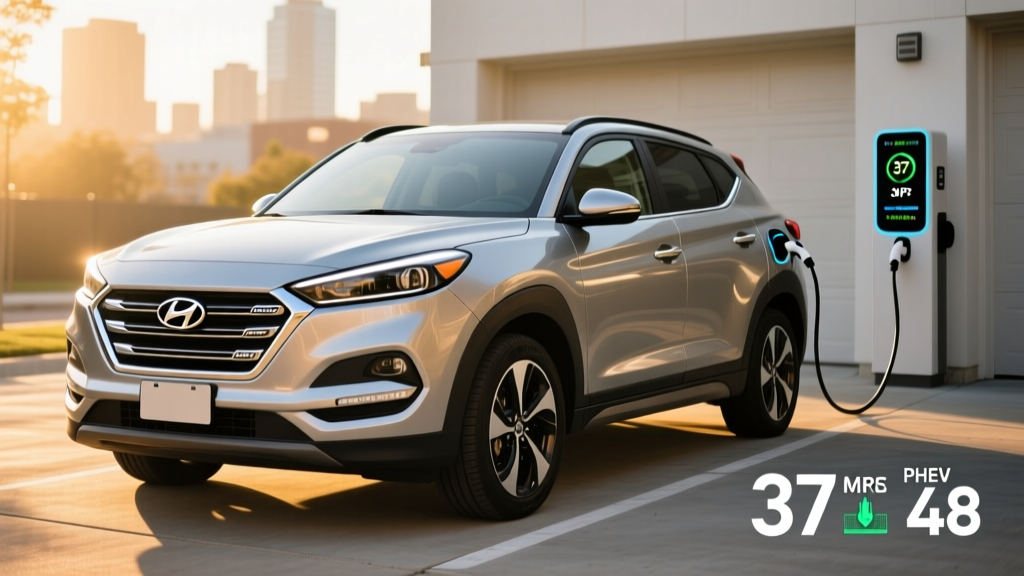
Consider a PHEV (like the Toyota RAV4 Prime or Hyundai Tucson PHEV) if:
- You have a short commute (under 30 miles) and can install a Level 2 home charger
- You want electric-only daily driving with gas-engine flexibility for road trips
- You want to qualify for the federal §30D tax credit (up to $7,500, subject to IRS eligibility rules)
Consider a full EV (like the Hyundai Ioniq 5 or Tesla Model Y) if:
- You have reliable home charging and want zero tailpipe emissions
- You want the lowest per-mile energy cost (~$0.04/mile on home electricity)
- You're ready to plan around DC fast charging on road trips
Frequently Asked Questions
How many MPG does the 2026 Honda CR-V Hybrid get?
The EPA rates the 2026 CR-V Hybrid at 43 city / 36 highway / 40 combined MPG for FWD models, and 40 city / 34 highway / 37 combined MPG for AWD models. In real-world city driving, many owners report matching or slightly exceeding the EPA city estimate, while highway cruising at 75+ mph typically yields 32–35 MPG.
Does the CR-V Hybrid need to be plugged in?
No. The CR-V Hybrid is a conventional HEV. Its small lithium-ion battery recharges automatically through regenerative braking and the gasoline engine. You fuel it like any other car — with gasoline at a gas station.
How far can the CR-V Hybrid drive on electric power alone?
Only about 1 mile at very low speeds (under 25 mph) in EV mode. This is not a plug-in hybrid — the electric motors primarily assist the gasoline engine rather than replacing it. For meaningful electric-only range (25–42 miles), you'd need a PHEV like the Toyota RAV4 Prime.
Is the CR-V Hybrid reliable, and what does battery replacement cost?
Honda's hybrid system has a strong reliability record across multiple generations. The hybrid battery is covered by an 8-year/100,000-mile warranty (10 years/150,000 miles in CARB states). Real-world data suggests these batteries commonly last 150,000–200,000+ miles. Out-of-warranty replacement runs approximately $2,500–$4,000.
Does the 2026 CR-V Hybrid qualify for any tax credit?
Not at the federal level. The IRS §30D New Clean Vehicle Credit applies only to plug-in vehicles (BEVs and PHEVs). As a conventional hybrid, the CR-V Hybrid does not qualify. Some states may offer small rebates or incentives for hybrids — check your local programs.
How does the CR-V Hybrid compare to the gas-only CR-V?
The hybrid costs approximately $1,500 more than a comparably equipped gas-only CR-V AWD, but delivers about 30% better fuel economy in city driving (37 MPG combined vs. 28 MPG). At current gas prices, the hybrid pays for its premium in roughly 3.5 years of average driving. The hybrid also provides smoother, quieter acceleration from its electric motor assist.
What's the difference between the CR-V Hybrid Sport, Sport-L, and Sport Touring?
All three trims share the same 204-hp hybrid powertrain. The Sport is the base hybrid trim with a 9-inch touchscreen and Honda Sensing. The Sport-L adds leather seats and a power tailgate. The Sport Touring tops the range with Bose audio, built-in navigation, a heated steering wheel, and a hands-free tailgate.