Quick Verdict: The Civic Hybrid Delivers Where It Counts
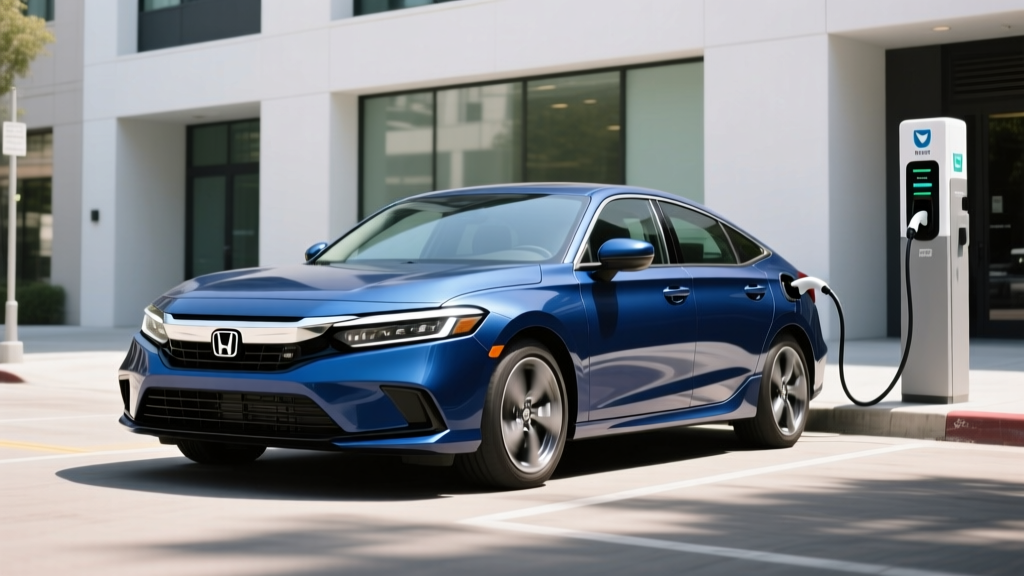
The 2026 Honda Civic Hybrid returns as one of the most efficient compact sedans on the market, with an EPA-estimated 50 MPG combined. But the sticker number only tells part of the story. After extensive real-world driving across city, highway, and mixed conditions, the Civic Hybrid's two-motor powertrain proves it can actually exceed its EPA rating in urban use — while highway cruising tells a slightly different tale. For buyers researching Honda Civic Hybrid miles per gallon, this guide breaks down every number that matters.
| Spec | Sport Hybrid | Sport Touring Hybrid |
|---|---|---|
| EPA MPG (City / Hwy / Combined) | 50 / 47 / 49 | 50 / 47 / 49 |
| Powertrain | 2.0L Atkinson 4-cyl + 2-motor hybrid | 2.0L Atkinson 4-cyl + 2-motor hybrid |
| Combined Horsepower | 200 hp | 200 hp |
| Combined Torque | 232 lb-ft | 232 lb-ft |
| 0–60 mph (est.) | ~7.2 sec | ~7.2 sec |
| Battery Type | Lithium-ion | Lithium-ion |
| Drivetrain | FWD | FWD |
| Starting MSRP | $29,845 | $32,845 |
| Federal Tax Credit (§30D) | Not eligible | Not eligible |
Understanding the Civic Hybrid: HEV, Not PHEV
Before analyzing the numbers, it's essential to classify what the Civic Hybrid actually is. The 2026 Civic Hybrid is a conventional hybrid electric vehicle (HEV), not a plug-in hybrid (PHEV). This distinction drives everything about how you own and fuel it.
| Feature | Conventional Hybrid (HEV) | Plug-In Hybrid (PHEV) |
|---|---|---|
| Plug-in charging? | No — gas station only | Yes — plug in for electric-only miles |
| Electric-only range | Less than 1 mile at low speed | Typically 20–50 miles |
| Battery size | ~1–2 kWh | ~12–25 kWh |
| Regenerative braking | Yes — recaptures energy | Yes — recaptures energy |
| Federal tax credit | Not eligible under §30D | May qualify up to $7,500 (varies) |
| Example | Honda Civic Hybrid | Toyota Prius Prime, Hyundai Tucson PHEV |
The Civic Hybrid's small lithium-ion battery recharges exclusively through regenerative braking and the gasoline engine. You never plug it in. You simply fill up at the gas station and drive — the hybrid system manages the blend of electric motor and engine automatically. If you're looking for electric-only commuting, you need a PHEV or a full BEV instead.
Honda Civic Hybrid MPG: EPA Ratings vs Real-World Results
This is the core question buyers are searching: how many miles per gallon does the Honda Civic Hybrid actually get? The EPA rates both the Sport Hybrid and Sport Touring Hybrid trims at 50 MPG city / 47 MPG highway / 49 MPG combined for the 2026 model year. Honda achieved a slight improvement over prior model years through powertrain refinements.
| Driving Condition | EPA Estimate | Real-World Expectation |
|---|---|---|
| City (stop-and-go, under 40 mph) | 50 MPG | 50–55 MPG (hybrids excel here) |
| Highway (steady 65–75 mph) | 47 MPG | 43–46 MPG (aero drag reduces gains) |
| Combined (55% city / 45% hwy) | 49 MPG | 46–52 MPG (depends on mix) |
| Cold weather (below 30°F) | Not rated separately | 40–45 MPG (engine runs more for heat) |
Why City MPG Beats Highway in a Hybrid
The Civic Hybrid's two-motor system is optimized for urban driving. At low speeds, the electric motor does most of the work, drawing from the battery. When you brake or decelerate, regenerative braking recaptures kinetic energy and feeds it back into the battery. This cycle of electric assist and regen is most effective in stop-and-go traffic — the exact conditions where conventional gas cars waste the most fuel.
On the highway, the gasoline engine operates more directly because there's less braking to recapture energy. Aerodynamic drag at 70+ mph also works against efficiency. Expect highway-only trips to yield mid-40s MPG rather than the 50 MPG city figure. This is normal hybrid behavior, not a deficiency.
Cold-Weather MPG Impact
In temperatures below freezing, the Civic Hybrid's engine runs more frequently to provide cabin heat (it lacks a heat pump, which is typically found in full EVs, not hybrids). Expect a 10–15% MPG reduction in sustained cold weather. Owners in northern climates commonly report low-to-mid 40s MPG during January and February, rebounding to 50+ in spring and fall.
Powertrain Deep Dive: How 200 HP Meets 50 MPG
The 2026 Civic Hybrid uses Honda's fourth-generation two-motor hybrid system paired with a 2.0-liter Atkinson-cycle four-cylinder engine. The Atkinson cycle sacrifices some low-end power for higher thermal efficiency — the engine extracts more energy from each drop of fuel. Here's how the components work together:
- Gasoline engine: 2.0L Atkinson-cycle I4, ~143 hp on its own
- Drive motor: Electric motor producing the primary propulsion force, ~184 hp
- Generator motor: Second electric motor that generates electricity and manages engine starts
- Combined system output: 200 horsepower, 232 lb-ft of torque
The result is a sedan that hits 0–60 mph in approximately 7.2 seconds — genuinely quick for a 50 MPG car. The electric motor delivers instant torque from a stop, which is why the Civic Hybrid feels responsive in city driving despite the efficiency-focused engine. Under light acceleration, the car operates in EV mode using only the battery. Under moderate load, the engine generates electricity for the drive motor. Only under hard acceleration or sustained highway speed does the engine mechanically connect to the wheels via a lock-up clutch.
Pricing, Trims, and Tax Credit Eligibility
The 2026 Honda Civic Hybrid is available in two trims:
- Sport Hybrid: Starting at $29,845 MSRP
- Sport Touring Hybrid: Starting at $32,845 MSRP (adds leather, Bose audio, wireless CarPlay/Android Auto, and Honda Sensing suite upgrades)
Federal Tax Credit: Not Eligible
Because the Civic Hybrid is a conventional HEV — not a plug-in vehicle — it does not qualify for the IRS §30D Clean Vehicle Credit. That credit, which offers up to $7,500, is reserved for battery electric vehicles (BEVs) and plug-in hybrids (PHEVs) that meet battery sourcing, critical minerals, MSRP cap, and buyer income requirements (source: IRS).
However, the Civic Hybrid's lower purchase price partially offsets the lack of a federal credit. A comparable BEV like the Chevy Bolt EV starts around $28,000 before credit, but the Civic Hybrid doesn't require home charging infrastructure — which can add $500–$2,000 for a Level 2 installation. For buyers without reliable charging access, the hybrid's total cost of entry is often lower.
Total Cost of Ownership: Hybrid vs Gas vs EV
Fuel savings are the Civic Hybrid's primary financial argument. Here's how it stacks up over five years and 75,000 miles of driving, assuming $3.50/gallon gas and 12,000 miles driven annually:
| Vehicle | MPG Combined | Gallons Used | Fuel Cost |
|---|---|---|---|
| 2026 Civic Hybrid | 49 | 1,531 | $5,358 |
| 2026 Civic (1.5T gas) | 33 | 2,273 | $7,955 |
| 2026 Toyota Corolla (gas) | 34 | 2,206 | $7,721 |
| 2026 Chevy Bolt EV | 120 MPGe | ~18,750 kWh | $2,625* |
*Assumes $0.14/kWh national average electricity rate. Home charging costs vary significantly by utility and state.
The Civic Hybrid saves approximately $2,600 in fuel costs over five years compared to the gas-only Civic 1.5T. That nearly covers the hybrid's price premium over the gas model. The Bolt EV saves more, but only if you have reliable home charging and your electricity rate is reasonable.
Battery Warranty, Reliability, and Replacement Costs
Hybrid battery longevity remains a top concern for buyers, and Honda addresses this with strong coverage.
Honda Hybrid Battery Warranty
- Hybrid battery warranty: 8 years / 100,000 miles (10 years / 150,000 miles in CARB states including CA, NY, MA, and others)
- Powertrain warranty: 5 years / 60,000 miles
- Capacity threshold: Honda covers the battery if it fails or degrades below functional levels during the warranty period
Source: Honda Warranty Information
Real-World Battery Lifespan
Honda's hybrid system has a strong reliability track record. The Civic Hybrid's lithium-ion battery is relatively small (~1.1 kWh usable) and operates within a conservative state-of-charge window — it never fully charges or fully depletes. This shallow cycling significantly extends battery life. Based on data from prior-generation Honda hybrids and industry-wide hybrid battery studies, most Civic Hybrid batteries should last 150,000–200,000+ miles before significant degradation.
Battery Replacement Cost
If the hybrid battery does need replacement outside of warranty, expect to pay between $2,500 and $4,000 for a new OEM battery pack, including labor. Third-party refurbished batteries may be available for $1,500–$2,500. Given the battery's expected lifespan, most original owners will never face this cost. The hybrid system's two electric motors and power electronics are similarly durable, with no routine maintenance required beyond standard coolant service intervals.
Who Should Choose the Civic Hybrid — And Who Shouldn't
The Civic Hybrid occupies a specific niche. Here's a practical decision framework:
Choose the Civic Hybrid if:
- You want maximum MPG without changing your fueling habits (no plugging in)
- You drive mostly city or mixed commutes where hybrid efficiency shines
- You lack access to home or workplace EV charging
- You want a $30K–$33K sedan with low operating costs and strong reliability
- You take frequent road trips and don't want to plan around charging stops
Choose a PHEV instead if:
- You have home charging and a short commute (under 30 miles) — a PHEV like the Toyota Prius Prime can do most daily driving on electricity alone
- You want to reduce gasoline consumption to near zero on weekdays
- You may qualify for the §30D federal tax credit on a PHEV (check IRS eligibility)
Choose a full BEV instead if:
- You have reliable Level 2 home charging
- Your daily driving is under 200 miles and you rarely take long road trips
- You want zero tailpipe emissions and the lowest per-mile fuel cost
- You're eligible for the full $7,500 federal credit on a qualifying EV
Pros
- 50 MPG EPA city — among the best in the compact sedan class
- 200 hp and 232 lb-ft — genuinely quick for a hybrid
- No plug-in charging required — zero lifestyle change
- 8-year/100K-mile hybrid battery warranty (10yr/150K in CARB states)
- Strong resale value and Honda reliability reputation
- Lower total cost of ownership vs gas-only competitors
Cons
- Not eligible for the §30D federal tax credit
- Highway MPG drops to low-to-mid 40s in real-world driving
- Cold weather reduces MPG by 10–15% (no heat pump)
- Only available in two higher trims (Sport, Sport Touring) — no base hybrid option
- FWD only — no AWD hybrid variant offered
- Regenerative braking feel takes adjustment vs conventional brakes
Frequently Asked Questions
How many MPG does the 2026 Honda Civic Hybrid get?
The EPA rates the 2026 Civic Hybrid at 50 MPG city, 47 MPG highway, and 49 MPG combined. In real-world driving, city-heavy commutes can exceed 50 MPG thanks to regenerative braking, while highway-only trips typically return 43–46 MPG. Cold weather reduces these figures by roughly 10–15%.
Does the Honda Civic Hybrid need to be plugged in?
No. The Civic Hybrid is a conventional hybrid (HEV), not a plug-in hybrid. Its battery recharges through regenerative braking and the gasoline engine. You fuel it exclusively at gas stations — no charging cable or outlet is needed.
How far can the Civic Hybrid drive on electric power alone?
Less than one mile, and only at very low speeds (under 25 mph) with a charged battery. The electric-only mode is designed for creeping through parking lots or stop-and-go traffic, not for sustained driving. If you want meaningful electric-only range (25–44 miles), you need a PHEV like the Toyota Prius Prime.
Is the Honda Civic Hybrid reliable?
Yes. Honda's hybrid powertrain has a strong reliability record spanning multiple generations. The hybrid battery is covered by an 8-year/100,000-mile warranty (10 years/150,000 miles in CARB states). The battery's conservative charge window and shallow cycling are designed for 150,000+ mile lifespans. Honda's overall brand reliability ratings from sources like IIHS and J.D. Power consistently rank above average.
What does it cost to replace the Civic Hybrid battery?
Outside of warranty, a new OEM hybrid battery replacement costs approximately $2,500–$4,000 including labor. Refurbished options may be available for $1,500–$2,500. However, most hybrid batteries last the life of the vehicle — 150,000–200,000+ miles — and are covered under Honda's extensive hybrid warranty during the first 8–10 years.
Does the Civic Hybrid qualify for a federal tax credit?
No. The IRS §30D Clean Vehicle Credit applies only to plug-in electric vehicles (BEVs and PHEVs) that meet specific battery sourcing, MSRP, and buyer income requirements. The Civic Hybrid is a conventional HEV and is not eligible. Check current rules at IRS.gov for eligible vehicles.
How does the Civic Hybrid compare to the Toyota Prius?
The 2026 Toyota Prius (non-Prime) is rated at up to 57 MPG combined, giving it a notable efficiency edge. However, the Civic Hybrid offers more horsepower (200 hp vs ~196 hp for the Prius AWD), a more conventional sedan design, and Honda's driving dynamics. If maximum MPG is the sole priority, the Prius wins. If you value a more engaging drive with nearly equal efficiency, the Civic Hybrid is the stronger pick.
Is the Civic Hybrid worth the premium over the gas Civic?
The Civic Hybrid carries roughly a $2,000–$3,000 premium over equivalent gas-only Civic trims. At 49 MPG combined vs ~33 MPG for the 1.5T gas model, a driver covering 15,000 miles per year saves approximately $520 annually in fuel (at $3.50/gallon). That premium pays for itself in about 4–6 years, after which the savings are pure profit — plus you get 200 hp and stronger low-end torque as a bonus.