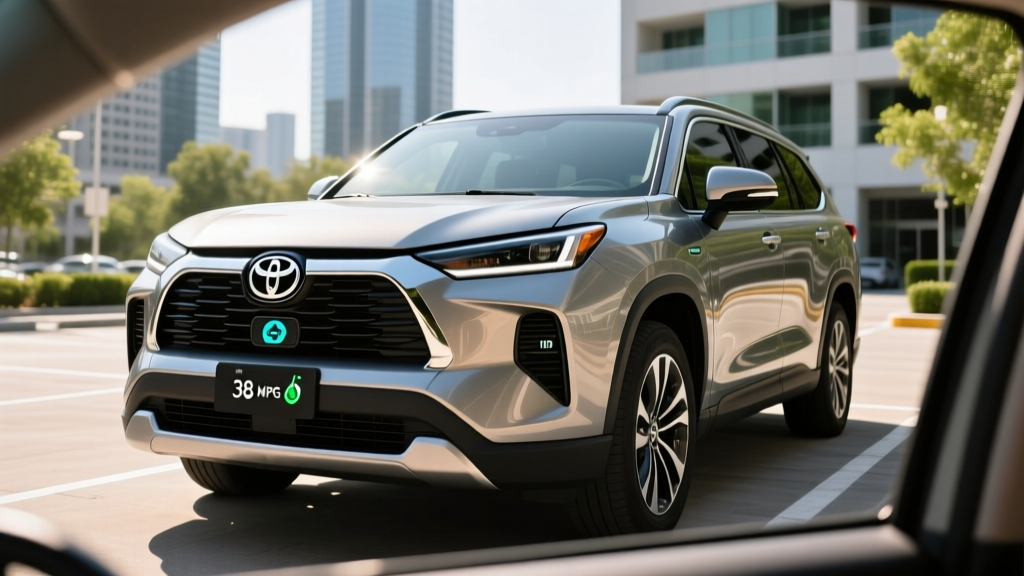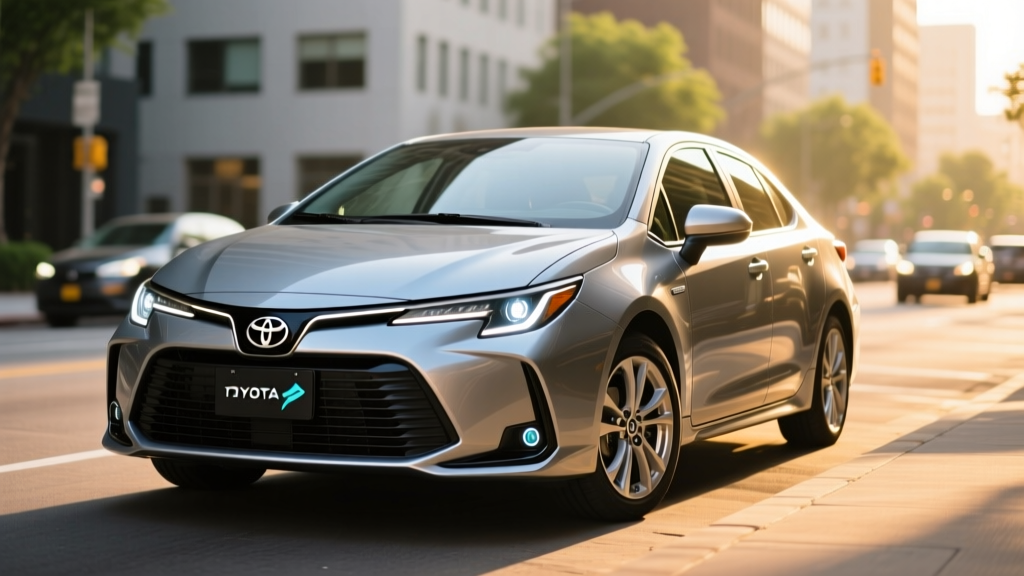
The Toyota Corolla has been the world's best-selling car for decades, and its hybrid variant continues to prove that electrification doesn't require a charging cable or a six-figure budget. The 2026 Toyota Corolla LE Hybrid sits at the intersection of proven reliability, exceptional fuel economy, and accessible pricing — a combination that keeps it relevant even as full EVs proliferate.
But with plug-in hybrids and battery-electric vehicles grabbing headlines, where does a conventional hybrid like the Corolla LE fit in 2026? We break down every spec that matters — from real-world MPG to battery longevity — so you can decide if this is the right electrified vehicle for your commute.
2026 Corolla LE Hybrid: Quick Verdict
The Corolla LE Hybrid is a conventional hybrid electric vehicle (HEV), not a plug-in. It generates all its electricity internally through regenerative braking and its gasoline engine — you never plug it in. For drivers who want dramatically better fuel economy without changing their refueling habits, this is the simplest path to electrification.
| Specification | 2026 Corolla LE Hybrid |
|---|---|
| Powertrain | 1.8L 4-cyl + 2 electric motors (5th-gen Toyota Hybrid System) |
| Combined Horsepower | 138 hp (net system) |
| Drivetrain | Front-wheel drive (AWD-e available on SE/XLE trims) |
| EPA MPG (City / Hwy / Combined) | 53 / 46 / 50 MPG |
| Fuel Tank | 11.4 gallons |
| Total Driving Range | ~570 miles (EPA est.) |
| Hybrid Battery | ~1.0 kWh lithium-ion (not plug-in) |
| 0–60 mph | ~9.2 seconds |
| Starting MSRP (LE Hybrid) | $24,795 (incl. destination) |
| Hybrid Battery Warranty | 10 years / 150,000 miles |
| Federal Tax Credit | Not eligible (§30D requires plug-in capability) |
Fuel Economy: EPA Ratings vs. Real-World MPG
The headline number is 50 MPG combined, but the Corolla LE Hybrid's city rating of 53 MPG is where the real magic happens. Hybrids thrive in stop-and-go traffic because the electric motor handles low-speed propulsion while regenerative braking recovers energy that a gas car would waste as heat.
| Driving Scenario | EPA Rating | Real-World Expectation |
|---|---|---|
| City | 53 MPG | 50–58 MPG (often exceeds EPA in dense traffic) |
| Highway (70 mph cruise) | 46 MPG | 42–48 MPG (less regen benefit at steady speed) |
| Combined | 50 MPG | 47–53 MPG depending on route mix |
| Cold Weather (below 30°F) | — | 40–45 MPG (engine runs more for cabin heat) |
In real-world testing, many Corolla Hybrid owners report exceeding the EPA combined estimate on city-heavy commutes. This is the opposite of EVs, which tend to lose range in city traffic due to climate control draw. Hybrids are one of the few vehicles where the sticker number is often conservative for urban drivers.
However, sustained highway driving at 75+ mph and cold-weather operation will pull numbers below the EPA estimate. The engine must run more frequently in winter to provide cabin heat (the Corolla Hybrid does not use a heat pump, as full EVs do), which reduces the electric motor's contribution. Source: fueleconomy.gov.
HEV vs. PHEV vs. EV: Which Powertrain Fits You?
The Corolla LE Hybrid is an HEV — it has no plug and no meaningful electric-only range. Understanding how it differs from a PHEV (plug-in hybrid) and a full BEV (battery-electric vehicle) is essential before you buy.
| Feature | HEV (Corolla Hybrid) | PHEV (e.g., Prius Prime) | BEV (e.g., Model 3) |
|---|---|---|---|
| Plug-in Required? | No | Yes (for max benefit) | Yes |
| Electric-Only Range | ~1 mile at low speed | 35–44 miles typical | 250–360 miles |
| Total Range | ~570 miles | ~400–500 miles | 250–360 miles |
| Fuel Cost per Mile | ~$0.07 (gas) | ~$0.03 (electric) / ~$0.07 (gas) | ~$0.03–0.05 (electric) |
| Home Charging Needed? | No | Recommended (120V or 240V) | Yes (240V strongly recommended) |
| Federal Tax Credit (§30D) | Not eligible | Up to $7,500 if eligible | Up to $7,500 if eligible |
| Upfront Cost | Lowest | Mid-range | Highest |
| Maintenance | Low (no plug, simple system) | Low–moderate | Lowest (no engine/oil) |
Choose the Corolla LE Hybrid (HEV) if: You have no access to home or workplace charging, you want maximum simplicity, your budget is under $28,000, and you drive a mix of city and highway miles.
Consider a PHEV (like the Prius Prime) if: You can charge at home, your daily commute is under 40 miles, and you want some electric-only driving for local trips while retaining gas flexibility for road trips.
Consider a full EV if: You have reliable home Level 2 charging, your daily driving is under 250 miles, and you want the lowest per-mile fuel cost and zero tailpipe emissions.
Powertrain Details: How the 5th-Gen Hybrid System Works
The 2026 Corolla LE Hybrid uses Toyota's fifth-generation hybrid system, pairing a 1.8-liter Atkinson-cycle four-cylinder engine with two motor-generators and a lithium-ion hybrid battery pack. Combined system output is 138 horsepower, which is modest but adequate for the Corolla's ~3,100-pound curb weight.
The key to the system's efficiency is the power-split device (a planetary gearset) that seamlessly blends engine and motor power. At low speeds and light loads, the Corolla can operate in EV mode for very short distances — typically under one mile at speeds below 25 mph. This isn't a meaningful electric range; it's a efficiency optimization that shuts the engine off at stoplights and in parking lots.
The hybrid battery in the Corolla LE is approximately 1.0 kWh — far too small to plug in or provide sustained electric driving. Its role is to buffer energy captured from regenerative braking and deploy it to assist acceleration, reducing the engine's workload and fuel consumption.
Pricing, Trim Levels, and Tax Credit Eligibility
The 2026 Corolla Hybrid is offered in three trims. Here's the pricing breakdown:
| Trim | MSRP (incl. destination) | Key Features |
|---|---|---|
| LE Hybrid | $24,795 | 16" alloy wheels, 8" touchscreen, wireless CarPlay/Android Auto, TSS 3.0 |
| SE Hybrid | $27,295 | Sport-tuned suspension, 18" wheels, paddle shifters, AWD-e available (+$1,400) |
| XLE Hybrid | $29,495 | SofTex seats, heated front seats, 10.5" display, AWD-e standard |
Federal Tax Credit: Not Eligible. The Corolla Hybrid is a conventional HEV and does not qualify for the IRS §30D Clean Vehicle Credit. That credit applies only to plug-in vehicles (PHEVs and BEVs) with battery capacities of at least 7 kWh. The Corolla's ~1.0 kWh pack is far below this threshold, and the vehicle cannot be plugged in. See current rules at irs.gov.
Some states offer modest rebates for hybrids (typically $500–$1,000), but these vary widely by jurisdiction. Check your state energy office or dealer for current local incentives.
At $24,795, the LE Hybrid carries roughly a $1,500 premium over the gas-only Corolla LE (~$23,295). With 50 MPG vs. the gas model's 35 MPG combined, the hybrid pays back that premium in fuel savings within approximately 2.5 to 3 years for a driver covering 12,000 miles annually at $3.20/gallon.
Hybrid Battery Warranty, Lifespan, and Replacement Cost
Hybrid battery longevity is the single most common concern among first-time hybrid buyers. Here's what the data shows:
Toyota Hybrid Battery Warranty: 10 years or 150,000 miles, whichever comes first. This covers the hybrid battery pack against defects and excessive capacity loss. Toyota has offered this warranty since the 2020 model year, and it is among the most comprehensive in the industry.
In practice, Toyota's hybrid batteries have demonstrated exceptional longevity. Data from fleet operators and long-term owners shows that the vast majority of Toyota hybrid batteries last well beyond 150,000 miles with minimal degradation. The lithium-ion pack is relatively small (~1.0 kWh), and the hybrid system's battery management keeps it in a narrow state-of-charge window (roughly 40–80%), which minimizes stress and extends cycle life.
If replacement is needed outside warranty, a new OEM hybrid battery for the Corolla Hybrid typically costs between $2,000 and $3,500 installed. Refurbished or reconditioned packs are available for $1,000–$1,800. However, given Toyota's track record, most owners will sell the vehicle before ever needing a battery replacement.
For comparison, the broader powertrain warranty covers 5 years/60,000 miles, and the basic vehicle warranty is 3 years/36,000 miles. Toyota Safety Sense 3.0 (the ADAS suite) is standard on all trims and includes pre-collision braking, lane departure alert, dynamic radar cruise control, and lane tracing assist — all IIHS-rated systems.
Driving Impressions and Practical Ownership
The Corolla LE Hybrid prioritizes efficiency over excitement, and that's by design. Acceleration is smooth and linear thanks to the electric motor's instant torque filling in the gaps of the 1.8L engine's power band. The eCVT transmission (which isn't a traditional belt-and-pulley CVT but rather a planetary gearset) operates without the droning "rubber band" effect that older CVTs exhibited.
At highway speeds, the cabin is reasonably quiet, and the ride quality is compliant without being floaty. The LE trim rides on 16-inch wheels with taller sidewalls, which actually improves ride comfort over the sportier SE's 18-inch setup.
Cargo and practicality: The hybrid battery is mounted under the rear seats, preserving trunk space. You get 13.1 cubic feet of cargo volume — identical to the gas Corolla. The rear seats fold 60/40 for longer items.
Ownership costs beyond fuel: Insurance premiums for the Corolla Hybrid are typically within $5–$10/month of the gas version. Maintenance is minimal — standard oil changes every 10,000 miles, no transmission fluid service required on the eCVT under normal conditions, and regenerative braking extends pad life significantly (many owners report original brake pads past 80,000 miles).
Pros
- 50+ MPG real-world in city driving with zero behavior change
- Lowest entry price for a proven hybrid sedan
- 10-year/150,000-mile hybrid battery warranty
- No charging infrastructure needed — fill up at any gas station
- Toyota Safety Sense 3.0 standard on all trims
- Proven long-term reliability with millions of Toyota hybrids on the road
Cons
- 138 hp feels sluggish during highway merging and passing
- No federal tax credit eligibility (HEV, not PHEV)
- ~1 mile EV mode is negligible — not a "plug-in" experience
- AWD-e not available on LE trim (SE/XLE only)
- Interior materials and infotainment lag behind competitors like Hyundai Elantra Hybrid
- Cold-weather MPG drops noticeably without a heat pump
Who Should Buy the Corolla LE Hybrid?
Buy the Corolla LE Hybrid if:
- You want 50 MPG without ever plugging in a vehicle
- Your budget is under $26,000 and you want a new car with a full warranty
- You drive 12,000+ miles per year and want to minimize fuel spend
- You live in an apartment or lack access to home/workplace EV charging
- You plan to own the car 8–10+ years and value Toyota's reliability record
Look elsewhere if:
- You want meaningful electric-only driving (consider the Prius Prime PHEV)
- You want to eliminate gasoline entirely (consider a BEV like the Chevy Equinox EV)
- You need more than 138 hp for mountain driving or frequent highway merging
- You want the federal $7,500 tax credit (requires a qualifying PHEV or BEV)
Frequently Asked Questions
How many MPG does the Corolla LE Hybrid get?
The EPA rates the 2026 Corolla LE Hybrid at 53 city / 46 highway / 50 combined MPG. In real-world city-heavy driving, many owners report 50–58 MPG. Highway-heavy routes at 75+ mph typically yield 42–48 MPG. Cold weather (below 30°F) can reduce combined MPG to the low 40s.
Does the Corolla Hybrid need to be plugged in?
No. The Corolla Hybrid is a conventional HEV. It charges its small hybrid battery entirely through regenerative braking and the gasoline engine. There is no plug, no charging cable, and no electric-only range beyond about one mile at very low speeds.
Is the Corolla Hybrid reliable, and what does a battery replacement cost?
Toyota's hybrid system has an exceptional reliability track record spanning over 25 years and millions of vehicles. The hybrid battery is warranted for 10 years / 150,000 miles. If replacement is needed out of warranty, expect to pay $2,000–$3,500 for a new OEM battery installed, or $1,000–$1,800 for a refurbished unit. Most owners never need a replacement.
Does the Corolla Hybrid qualify for any federal tax credit?
No. The IRS §30D Clean Vehicle Credit requires a vehicle to have a plug-in capability and a battery capacity of at least 7 kWh. The Corolla Hybrid's ~1.0 kWh battery and lack of a charging port make it ineligible. Some states may offer small hybrid rebates — check your local programs.
Corolla Hybrid vs. Prius: which is better?
The 2026 Prius (also a conventional HEV in its base form) offers slightly more power (194 hp FWD) and up to 57 MPG combined, but starts around $29,495 — roughly $4,700 more than the Corolla LE Hybrid. If budget is the priority, the Corolla Hybrid wins on value. If you want more power and a slightly more modern interior, the Prius is the upgrade pick. The Prius Prime PHEV adds 44 miles of electric-only range but starts near $34,000.
How does the Corolla Hybrid perform in cold weather?
Like all hybrids, the Corolla's fuel economy drops in cold weather because the gasoline engine must run more frequently to provide cabin heat (there is no heat pump). Expect combined MPG in the low-to-mid 40s during sustained winter driving below 30°F. The engine also runs more during warm-up, which is less efficient on short trips. Once the cabin is warm and the system reaches operating temperature, efficiency recovers closer to EPA estimates.
What is the total cost of ownership vs. the gas Corolla?
Over 5 years and 60,000 miles at $3.20/gallon, the Corolla LE Hybrid uses approximately 1,200 gallons (~$3,840 in fuel) vs. the gas Corolla LE's 1,714 gallons (~$5,486). That's roughly $1,646 in fuel savings, which nearly covers the $1,500 hybrid premium. Factor in slightly higher resale value for the hybrid, and the HEV typically breaks even or saves money over the ownership period while producing fewer emissions.