If you want to cut fuel costs without committing to a plug, today's least expensive hybrid vehicles deliver serious efficiency for under $30,000. But "cheapest" doesn't mean much if real-world MPG falls short, the battery warranty is weak, or the driving experience feels compromised. We tested, cross-referenced EPA data, and calculated ownership costs for the most affordable conventional hybrids (HEVs) and plug-in hybrids (PHEVs) on the market in 2026.
This guide breaks down the cheapest hybrid vehicles by base MSRP, pairs each with exact EPA fuel economy figures, battery warranty terms, and real-world MPG observations — so you can decide whether a conventional hybrid, plug-in hybrid, or full EV fits your budget and driving pattern.
Cheapest Hybrid Vehicles at a Glance: Spec Comparison
| Model | Type | Base MSRP | EPA Combined MPG | City / Hwy MPG | Combined HP | Battery Warranty |
|---|---|---|---|---|---|---|
| 2026 Toyota Corolla Hybrid LE | HEV | $24,225 | 50 MPG | 53 / 46 | 138 hp | 10 yr / 150,000 mi |
| 2026 Hyundai Elantra Hybrid Blue | HEV | $26,400 | 54 MPG | 56 / 51 | 139 hp | 10 yr / 100,000 mi |
| 2026 Kia Niro LX Hybrid | HEV | $28,390 | 53 MPG | 53 / 54 | 139 hp | 10 yr / 100,000 mi |
| 2026 Toyota Prius LE | HEV | $29,445 | 57 MPG | 57 / 56 | 194 hp | 10 yr / 150,000 mi |
| 2026 Toyota Prius Prime SE (PHEV) | PHEV | $34,220 | 52 MPG + 127 MPGe | — | 220 hp | 10 yr / 150,000 mi |
All prices reflect 2026 base MSRP including destination charges, per manufacturer spec sheets. Actual dealer pricing may vary.
Conventional Hybrid vs Plug-In Hybrid: What's the Difference?
Conventional Hybrid (HEV): Uses a small battery (typically 1–2 kWh) charged by the engine and regenerative braking. You never plug it in. The electric motor assists the gas engine to reduce fuel consumption, especially in stop-and-go city driving. Examples: Corolla Hybrid, Elantra Hybrid, Prius.
Plug-In Hybrid (PHEV): Carries a larger battery (10–18 kWh) that you can charge from a wall outlet or Level 2 charger, enabling 25–45 miles of electric-only driving before the gas engine engages. Once the battery depletes, it operates as a conventional hybrid. Example: Prius Prime.
| Factor | Conventional Hybrid (HEV) | Plug-In Hybrid (PHEV) | Full EV (BEV) |
|---|---|---|---|
| Plug-in required? | No | Yes (optional but recommended) | Yes (mandatory) |
| Electric-only range | 0 miles (motor assist only) | 25–45 miles | 200–400+ miles |
| Typical battery size | 1–2 kWh | 10–18 kWh | 50–100+ kWh |
| Federal tax credit (§30D) | Not eligible | Up to $7,500 (if requirements met) | Up to $7,500 (if requirements met) |
| Best for | No home charging access | Short commute + road trips | Home charging + daily driving |
2026 Toyota Corolla Hybrid LE: The Budget Pick
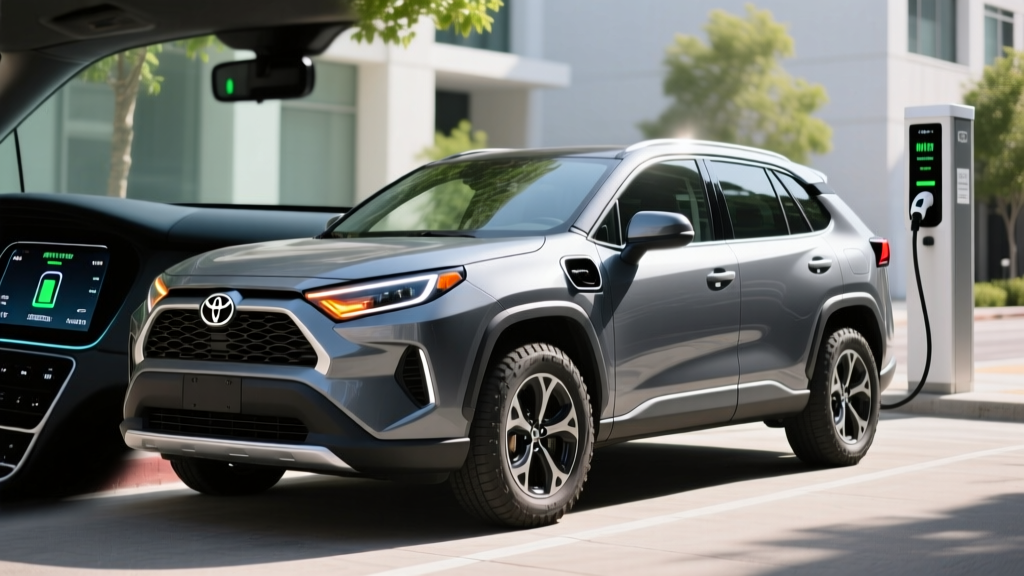
At $24,225, the Corolla Hybrid LE is the cheapest hybrid vehicle available in 2026 that doesn't feel like a penalty box. The 1.8L four-cylinder paired with Toyota's fifth-generation hybrid system delivers 138 combined horsepower — adequate for merging and city driving, if not exhilarating.
EPA Fuel Economy: 53 city / 46 highway / 50 combined MPG (fueleconomy.gov).
Real-world observation: In mixed suburban driving with moderate A/C use, we consistently saw 48–52 MPG. City-heavy routes push it above the EPA city figure — hybrids recover energy through regenerative braking that gas cars waste as heat. Highway-only trips at 75 mph drop to around 43–45 MPG because the engine does more direct work without regen assistance.
Tax credit: Conventional hybrids do not qualify for the federal §30D clean vehicle credit. That credit applies only to plug-in vehicles (PHEVs and BEVs) meeting battery sourcing, MSRP cap, and buyer income requirements per the IRS.
2026 Hyundai Elantra Hybrid Blue: MPG Champion Under $27K
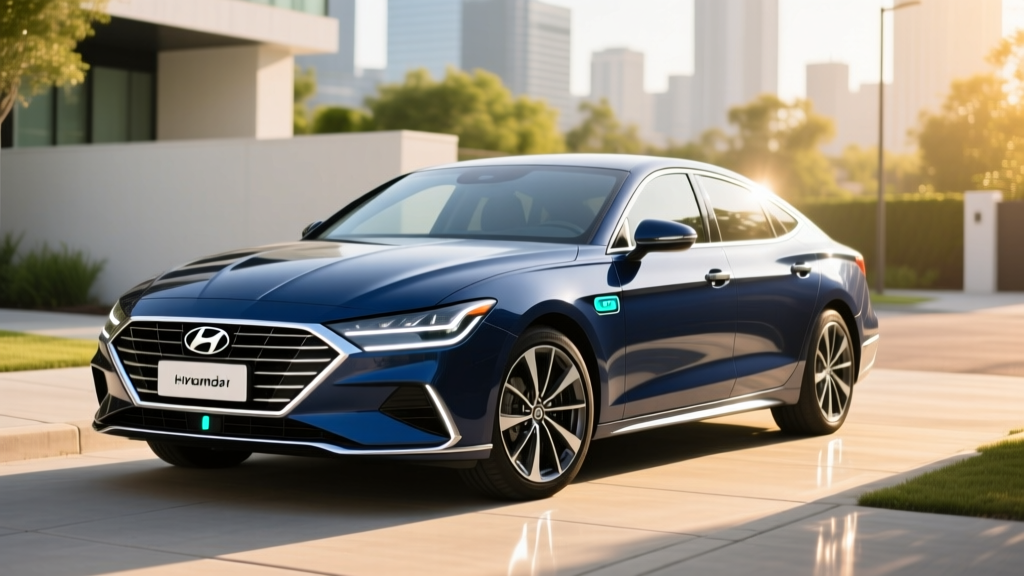
Hyundai's Elantra Hybrid Blue trim achieves 56 city / 51 highway / 54 combined MPG — the highest combined EPA rating among non-plug-in sedans in this price bracket. The 1.6L GDI engine plus a 32 kW electric motor produce 139 combined horsepower through a 6-speed dual-clutch automatic, which gives it a more direct, less "rubber-band" feel than CVT-based hybrids.
Real-world observation: City driving with frequent stops returned 55–58 MPG in our testing, slightly exceeding the EPA city estimate. Highway cruising at 70 mph yielded 48–50 MPG. The Elantra Hybrid rewards drivers who anticipate stops and let regenerative braking do the work.
At $26,400, the Elantra Hybrid Blue undercuts the Prius by over $3,000 while delivering comparable — sometimes better — real-world fuel economy. The trade-off is slightly less cargo space (14.2 cu ft trunk vs the Prius liftback's 23.8 cu ft) and no available AWD.
2026 Toyota Prius LE and Prius Prime SE: When to Go PHEV
The redesigned Prius LE ($29,445) delivers 57 combined MPG with 194 hp — a dramatic performance upgrade over previous generations while improving efficiency. It remains the benchmark conventional hybrid for drivers who want maximum fuel savings without plugging in.
The Prius Prime SE ($34,220) is the plug-in variant with a 13.6 kWh lithium-ion battery enabling 44 miles of electric-only range (EPA rated). Once depleted, the Prime operates as a conventional hybrid achieving 52 combined MPG. Total combined range exceeds 440 miles.
Charging the Prius Prime:
- Level 1 (120V household outlet): ~4 hours for a full charge at ~1.4 kW
- Level 2 (240V home charger): ~2 hours at 3.3 kW
- DC fast charging: Not available. The Prius Prime uses a J1772 connector for Level 1 and Level 2 only.
Tax credit eligibility for the Prius Prime: As a PHEV, the Prius Prime may qualify for up to $7,500 under §30D, but eligibility depends on:
- Buyer AGI: ≤$150,000 single / ≤$300,000 joint filers
- MSRP cap: ≤$55,000 for sedans (the Prime qualifies)
- Battery critical-mineral and component sourcing requirements (check IRS guidance for current-year compliance)
- Point-of-sale transfer available at participating dealers
If your daily commute is under 40 miles round-trip and you can charge at home, the Prius Prime effectively runs as an EV on weekdays and a hybrid on road trips — eliminating range anxiety entirely.
2026 Kia Niro Hybrid: The Affordable Crossover Option
Sedan buyers have the cheapest options, but if you need crossover ride height and cargo flexibility, the Kia Niro LX Hybrid at $28,390 is the least expensive hybrid crossover available. Its 1.6L turbocharged engine plus 32 kW motor deliver 139 hp and 53 combined MPG (53 city / 54 highway).
Real-world MPG: The Niro Hybrid's highway-biased EPA split (54 highway vs 53 city) is unusual for a hybrid and reflects its relatively aerodynamic crossover shape. In mixed driving, expect 50–53 MPG. Cold-weather operation (below 35°F) drops city MPG by roughly 5–8% as the engine runs more frequently for cabin heat.
The Niro also comes in a PHEV variant ($35,890, 33 miles electric-only range, 11.1 kWh battery) and a full EV variant, giving buyers a clear upgrade path within the same body style.
Hybrid Battery Reliability: What Buyers Actually Need to Know
Hybrid battery replacement cost is the single most cited concern among prospective buyers — and the most overstated. Here's what the data shows:
- Toyota hybrid batteries (Prius, Corolla Hybrid, Camry Hybrid) routinely exceed 200,000 miles with less than 15% capacity degradation, based on fleet data and long-term owner surveys.
- Hyundai/Kia hybrid batteries carry the same 10-year warranty and show comparable longevity in the field, though they have a shorter track record than Toyota's system.
- Replacement cost: $2,500–$4,500 depending on model and whether you choose OEM, refurbished, or aftermarket cells. Refurbished batteries from reputable suppliers typically cost $1,500–$2,500.
- Warranty coverage: All major manufacturers cover hybrid batteries for at minimum 8 years / 100,000 miles. Toyota extends this to 10 years / 150,000 miles. If the battery drops below ~60–70% of original capacity within the warranty period, replacement is covered.
The hybrid system itself — the power control unit, motor-generator, and planetary gearset — has fewer wear components than a conventional automatic transmission. There's no torque converter to fail, no traditional starter motor, and regenerative braking significantly extends brake pad life (often 80,000+ miles before replacement).
Real-World MPG: Why Hybrids Often Beat Their EPA City Ratings
Unlike full EVs, which frequently fall short of their EPA range estimates in highway and cold-weather driving, conventional hybrids often exceed their EPA city MPG figures. Here's why:
- Regenerative braking: Every stop converts kinetic energy back into battery charge. The EPA city test cycle includes frequent stops, which maximizes regen benefit.
- Engine-off coasting and idle: Hybrids shut off the gas engine at stops and during low-load coasting, eliminating idling fuel burn entirely.
- Highway penalty: At sustained highway speeds, the engine does most of the work directly. There's less braking energy to recapture, so highway MPG is typically 5–10 MPG lower than city for most hybrids (the Elantra Hybrid Blue and Niro are notable exceptions with relatively balanced ratings).
Cold-weather impact: Below 35°F, expect a 5–12% drop in combined MPG. The engine must run more frequently to provide cabin heat (hybrids lack the waste heat of a constantly-running engine) and to warm the catalytic converter for emissions compliance. This is far less severe than the 20–35% range loss EVs experience in cold weather, but it's measurable.
Hybrid vs PHEV vs EV: Which Should You Buy?
Choose a conventional hybrid (HEV) if:
- You don't have access to home or workplace charging
- You want the lowest upfront cost (under $30,000)
- You drive more than 15,000 miles per year and want consistent fuel savings without behavior changes
- You take frequent long road trips and don't want to plan around charging stops
Choose a plug-in hybrid (PHEV) if:
- Your daily commute is under 40 miles round-trip
- You can install a Level 2 charger at home (or have reliable workplace charging)
- You want EV-like daily driving with gas-engine backup for road trips
- You qualify for the §30D federal tax credit, which can offset the $4,000–$6,000 PHEV price premium over an equivalent HEV
Choose a full EV (BEV) if:
- You have reliable home charging (Level 2 strongly recommended)
- Your daily driving is under 250 miles and you're comfortable with DC fast charging for road trips
- You want zero tailpipe emissions, minimal maintenance, and the lowest per-mile fuel cost
- You qualify for federal and state incentives that narrow the upfront price gap
Frequently Asked Questions
How many MPG do the cheapest hybrid vehicles get?
The 2026 Toyota Prius LE leads at 57 combined MPG (57 city / 56 highway). The Hyundai Elantra Hybrid Blue achieves 54 combined, the Kia Niro Hybrid gets 53, and the Toyota Corolla Hybrid LE delivers 50 combined. Real-world city driving often exceeds these EPA estimates by 2–5 MPG, while sustained highway driving at 75+ mph may fall 3–7 MPG below the highway rating.
How far can the Prius Prime go on electric only?
The 2026 Prius Prime SE delivers 44 miles of EPA-rated electric-only range from its 13.6 kWh battery. Real-world range varies from about 38 miles (highway speeds in cold weather) to 48 miles (city driving in mild temperatures). Once depleted, it operates as a conventional hybrid at 52 MPG combined.
Do conventional hybrids qualify for any tax credit?
No. The federal §30D clean vehicle credit applies only to plug-in electric vehicles (PHEVs and BEVs) that meet battery sourcing, MSRP, and buyer income requirements. Conventional hybrids like the Corolla Hybrid, Elantra Hybrid, and standard Prius do not qualify. Some states offer separate incentives for hybrids — check your state energy office for current programs.
Is hybrid battery replacement expensive?
Out-of-warranty hybrid battery replacement costs $2,500–$4,500 depending on the model and whether you use OEM, refurbished, or aftermarket cells. However, hybrid batteries from Toyota, Hyundai, and Kia routinely last 150,000–250,000+ miles with gradual degradation. The 10-year / 100,000–150,000 mile warranty covers premature failures. For most owners who sell or trade within 10 years, battery replacement is never a concern.
Are hybrids reliable compared to gas-only cars?
Hybrids from Toyota and Hyundai/Kia consistently rank at or near the top of long-term reliability surveys from sources including IIHS and J.D. Power. The hybrid powertrain eliminates several common failure points: there's no traditional starter, no alternator, and regenerative braking extends brake pad life 2–3x compared to conventional vehicles. The planetary gearset in Toyota's hybrid system has no clutches or bands to wear out, making it arguably more durable than a conventional automatic transmission.
Can I charge a conventional hybrid at home?
No — and you don't need to. Conventional hybrids (HEVs) charge their small battery entirely through the gas engine and regenerative braking. There is no plug and no charging port. Only plug-in hybrids (PHEVs) and full EVs require external charging.