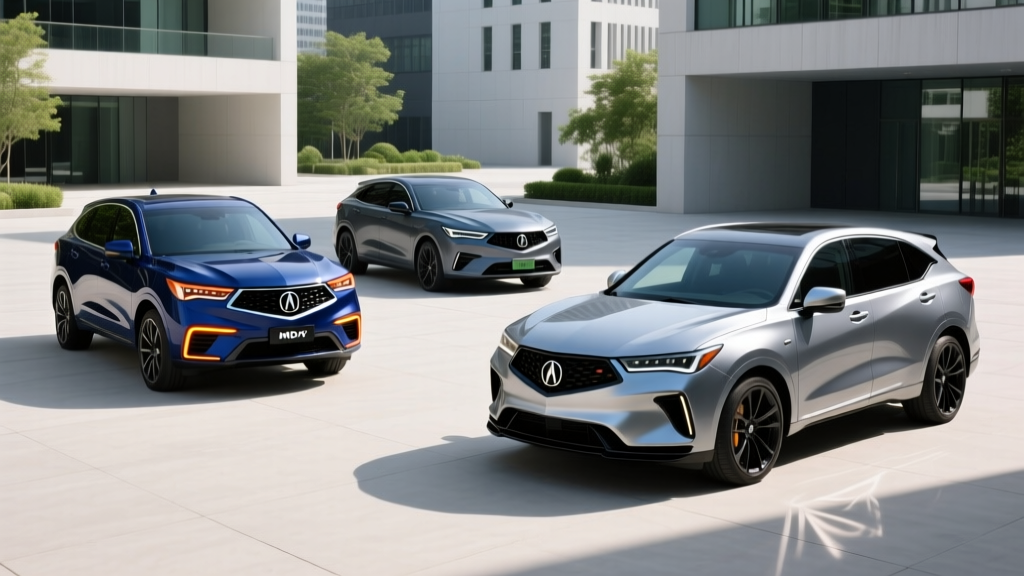
If you've searched for Acura hybrid models hoping to find a broad electrified lineup, the honest answer is that Acura's hybrid strategy in 2026 remains narrow but intentional. The brand offers one conventional hybrid (HEV), one newly introduced plug-in hybrid (PHEV), and a fully electric SUV — but no hybrid sedans and no hybrid version of the popular Integra. For buyers weighing fuel savings against complexity, understanding exactly which Acura hybrid exists, how it works, and whether it fits your driving pattern is essential before stepping into a dealership.
This guide breaks down every current Acura hybrid and plug-in hybrid model with exact EPA figures, real-world expectations, battery specs, pricing, and tax-credit eligibility — so you can decide whether an Acura HEV, PHEV, or full EV is the right move.
HEV vs PHEV: What Acura Actually Offers in 2026
Before diving into specific models, it's critical to understand the difference between the two hybrid types Acura sells, because they serve fundamentally different use cases.
Conventional Hybrid (HEV) — Acura MDX Hybrid
- No plug required. The battery recharges via regenerative braking and the gasoline engine.
- Small battery (~1.0–1.5 kWh) — not designed for electric-only driving beyond low-speed crawling.
- Primary benefit: Improved fuel economy, especially in city driving where regenerative braking recovers energy constantly.
- Best for: Drivers without home charging access who still want better MPG than a gas-only SUV.
Plug-In Hybrid (PHEV) — Acura RDX PHEV
- Plugs in to charge. Larger battery (typically 15–18 kWh usable) provides genuine electric-only range for daily commutes.
- Gasoline engine kicks in once the battery depletes, functioning as a conventional hybrid afterward.
- Primary benefit: Electric-only daily driving with zero range anxiety on longer trips.
- Best for: Drivers with home Level 2 charging who commute under 35 miles round-trip but take regular road trips.
Acura also sells the ZDX, which is a fully electric SUV (BEV) — not a hybrid. We include it briefly below for comparison, but it requires a different ownership mindset centered on charging infrastructure.
2026 Acura MDX Hybrid: The Carryover HEV
The MDX has been Acura's volume leader for years, and the hybrid variant pairs a 3.5-liter V6 with a twin-motor unit to deliver all-wheel drive and a modest MPG bump. For the 2026 model year, the MDX Hybrid continues with the Sport Hybrid powertrain architecture Acura has refined since the previous-generation NSX.
| Specification | 2026 Acura MDX Sport Hybrid |
|---|---|
| Powertrain | 3.5L V6 + twin rear electric motors |
| Combined Horsepower | 321 hp |
| Drivetrain | SH-AWD (torque-vectoring rear axle) |
| Transmission | 7-speed dual-clutch automatic |
| Battery Capacity | ~1.3 kWh (lithium-ion) |
| EPA MPG (City / Hwy / Combined) | 28 / 27 / 27 MPG |
| Gas-Only MDX AWD (baseline) | 19 / 25 / 21 MPG |
| Fuel Tank | 18.5 gallons |
| Total Range | ~499 miles |
| 0–60 mph | ~5.7 seconds |
| Starting MSRP (Technology trim) | ~$58,950 |
| Federal Tax Credit | Not eligible (§30D requires plug-in capability) |
Real-World MPG vs EPA Sticker
The EPA rates the MDX Sport Hybrid at 27 MPG combined. In real-world driving, hybrid SUVs routinely exceed their EPA city estimate because stop-and-go traffic maximizes regenerative braking. Expect roughly:
- City driving: 28–30 MPG (regen-heavy routes can push higher)
- Highway driving (70+ mph): 25–27 MPG (hybrid advantage shrinks at sustained speed)
- Cold weather (below 32°F): 24–26 MPG combined (engine runs more for cabin heat)
Compared to the gas-only MDX AWD at 21 MPG combined, the hybrid saves roughly 90–110 gallons per year at 12,000 miles annually — approximately $300–$380 in fuel savings at $3.40/gallon.
2026 Acura RDX PHEV: The New Plug-In Option
For the 2026 model year, Acura introduced the RDX PHEV — the brand's first plug-in hybrid. This fills a gap between the gas-only RDX and the fully electric ZDX, targeting buyers who want electric commuting without committing to full electrification. The RDX PHEV uses a turbocharged 2.0-liter four-cylinder paired with a front-mounted electric motor and a larger lithium-ion battery pack.
| Specification | 2026 Acura RDX PHEV |
|---|---|
| Powertrain | 2.0L turbo I-4 + electric motor |
| Combined Horsepower | ~288 hp (est.) |
| Drivetrain | AWD |
| Battery Capacity (usable) | ~17.0 kWh (NMC lithium-ion) |
| Electric-Only Range (EPA) | ~33 miles |
| Total Combined Range | ~390 miles |
| EPA MPGe (electric + gas) | ~82 MPGe |
| Charge-Depleting MPG (gas only) | ~29 MPG combined |
| Level 2 Charge Time (240V, 7.2 kW) | ~2.5 hours (0–100%) |
| DC Fast Charging | Not available (no DC port) |
| 0–60 mph | ~6.0 seconds |
| Starting MSRP | ~$52,500 (est.) |
| Federal Tax Credit (§30D) | Up to $3,750 (see eligibility below) |
Electric-Only Range: EPA vs Reality
The RDX PHEV carries an EPA electric-only rating of approximately 33 miles. Real-world results depend heavily on conditions:
- Mild weather, suburban driving (35–50 mph): 33–36 miles achievable
- Highway (65–75 mph): 24–28 miles before engine engages
- Cold weather (below freezing, cabin heat on): 20–25 miles
For a commuter with a 25-mile round trip and home charging, the RDX PHEV can operate as an EV on most weekdays, with the gas engine available for weekend road trips — no charging planning required.
Charging the RDX PHEV: What You Need at Home
The RDX PHEV charges via a standard J1772 connector on Level 1 (120V household outlet) or Level 2 (240V home charger). Like nearly all PHEVs, it does not support DC fast charging — the battery is too small to justify the hardware cost, and a full Level 2 charge takes only about 2.5 hours.
| Charging Level | Power | Time (0–100%) | Practical Notes |
|---|---|---|---|
| Level 1 (120V outlet) | ~1.4 kW | ~12 hours | Overnight works if you drive <25 mi/day |
| Level 2 (240V, 32A) | ~7.2 kW | ~2.5 hours | Recommended; full charge during workday or overnight |
| DC Fast Charge | N/A | N/A | Not supported — no CCS/NACS port |
Home installation cost: A dedicated Level 2 circuit (240V, 40A breaker) typically runs $500–$1,500 installed by a licensed electrician if your panel has capacity. If a panel upgrade (100A → 200A) is needed, add $1,500–$3,000. The IRS Residential Clean Energy Credit covers 30% of home charging equipment and installation costs (up to $1,000 cap) through 2032 — separate from the vehicle credit.
2026 Acura ZDX: The Full-EV Alternative
While not a hybrid, the Acura ZDX is worth mentioning for cross-shoppers. Built on GM's Ultium platform, the ZDX offers:
- EPA range: 313 miles (Rear-Wheel Drive) / 278 miles (AWD)
- Battery: ~102 kWh usable (NMC)
- DC fast charging: up to 190 kW, 10–80% in ~30 minutes
- Starting MSRP: ~$65,850
- Federal tax credit: Eligibility depends on current-year §30D sourcing and income rules — check the IRS clean vehicle credit page before purchasing.
The ZDX makes sense for buyers with reliable home charging who drive under 250 miles daily and want zero gasoline use. The RDX PHEV is the fallback for those who can't commit to full electric.
Federal Tax Credits: What Acura Hybrids Qualify For
§30D Clean Vehicle Credit — Key Rules for 2026
- Conventional hybrids (MDX Sport Hybrid): NOT eligible. §30D requires plug-in capability with a minimum 7 kWh battery.
- PHEVs (RDX PHEV): Potentially eligible for up to $3,750 (partial credit depending on battery sourcing compliance).
- Battery sourcing requirements: Critical minerals and battery components must meet escalating domestic-content thresholds. Many Asian-sourced batteries lose half or all of the $7,500 maximum.
- Buyer income caps: AGI ≤ $150,000 (single) / $300,000 (joint) / $225,000 (head of household).
- MSRP cap: SUVs/vans/pickups ≤ $80,000; sedans ≤ $55,000.
- Point-of-sale transfer: You can transfer the credit to the dealer for an immediate price reduction rather than waiting for tax filing.
Always confirm eligibility on fueleconomy.gov at the time of purchase — sourcing rules shift and model eligibility can change mid-year.
Battery Warranty, Reliability & Replacement Costs
Acura Hybrid Battery Warranty
- MDX Sport Hybrid: 8 years / 100,000 miles (hybrid battery and powertrain components) — extends to 10 years / 150,000 miles in CARB states (CA, NY, MA, and others adopting California emissions standards).
- RDX PHEV: 8 years / 100,000 miles minimum (federally mandated for PHEV emissions-related components including the traction battery). CARB states: 10 years / 150,000 miles.
Warranty trigger: Coverage applies if battery capacity drops below approximately 60–70% of original capacity (exact threshold varies; confirm in your owner's manual).
Reliability outlook: Honda/Acura's hybrid systems have proven durable over two decades, from the original Insight through the current Accord Hybrid. The twin-motor SH-AWD system in the MDX has been in production since 2014 with few widespread failures. The RDX PHEV is new for 2026, so long-term data doesn't yet exist — but the underlying 2.0T engine and electric motor components share architecture with proven Honda PHEV systems sold in Asia.
Battery replacement cost (out of warranty):
- MDX Sport Hybrid (~1.3 kWh): $2,000–$3,500 (relatively small battery, lower replacement cost)
- RDX PHEV (~17 kWh): $6,000–$9,000 (larger pack, more complex thermal management)
For context, most hybrid batteries last 150,000–200,000+ miles before significant degradation. Many original Toyota Prius batteries are still in service after 20 years. Failure before 100,000 miles is uncommon but covered under warranty regardless.
Who Should Choose an Acura Hybrid vs PHEV vs Full EV?
Choose the MDX Sport Hybrid (HEV) if:
- You cannot install a home charger (apartment, street parking, no garage).
- You want better fuel economy than the gas MDX with zero behavior change.
- You regularly tow (the MDX Hybrid retains the 5,000-lb tow rating).
- You drive 12,000+ miles per year in mixed city/highway conditions.
Choose the RDX PHEV if:
- You have home Level 2 charging (or can install it).
- Your daily commute is under 35 miles round-trip.
- You take 4+ road trips per year and don't want to plan around chargers.
- You want to reduce fuel consumption by 60–80% without range anxiety.
Choose the ZDX (full EV) if:
- You have reliable home charging and your daily driving stays under 250 miles.
- You want zero tailpipe emissions and minimal maintenance (no oil changes, no spark plugs).
- You're willing to plan DC fast-charging stops on road trips.
- Maximum federal tax credit eligibility matters to your purchase math.
Pricing Summary: 2026 Acura Electrified Lineup
| Model | Type | Starting MSRP | Est. Tax Credit | Effective Price |
|---|---|---|---|---|
| MDX Sport Hybrid (Technology) | HEV | ~$58,950 | $0 | ~$58,950 |
| RDX PHEV | PHEV | ~$52,500 | Up to $3,750 | ~$48,750 |
| ZDX (RWD) | BEV | ~$65,850 | Varies by sourcing | ~$58,350–$65,850 |
Note: State incentives vary widely. California's CVRP, Colorado's innovative motor vehicle credit, and New York's Drive Clean Rebate can stack with federal credits for additional savings. Check your state energy office for current programs.
Frequently Asked Questions
How many MPG does the Acura MDX Hybrid get?
The 2026 MDX Sport Hybrid is EPA-rated at 28 city / 27 highway / 27 combined MPG. In real-world city driving with frequent stops, expect 28–30 MPG. Highway driving at 75+ mph drops to 25–27 MPG. That's a significant improvement over the gas-only MDX AWD at 21 MPG combined.
How far can the Acura RDX PHEV go on electric only?
The RDX PHEV delivers approximately 33 miles of EPA-rated electric-only range. In mild weather on suburban roads, 33–36 miles is achievable. Highway speeds and cold weather reduce this to 20–28 miles. Once the battery depletes, the gas engine engages and the vehicle operates as a conventional hybrid at roughly 29 MPG combined.
Does the Acura MDX Hybrid need to be plugged in?
No. The MDX Sport Hybrid is a conventional (self-charging) hybrid. Its small battery recharges through regenerative braking and the gasoline engine. You fuel it exactly like a gas-only car — the hybrid system operates transparently.
Are Acura hybrids reliable?
Honda/Acura hybrid systems have a strong reliability record spanning two decades. The MDX Sport Hybrid's twin-motor SH-AWD system has been in production since 2014 with no widespread failure patterns. Hybrid battery warranty covers 8 years/100,000 miles (10 years/150,000 miles in CARB states). Out-of-warranty battery replacement runs $2,000–$3,500 for the MDX and $6,000–$9,000 for the RDX PHEV — but most hybrid batteries last 150,000+ miles.
Does any Acura hybrid qualify for the federal tax credit?
The conventional MDX Hybrid does not qualify — §30D requires plug-in capability. The RDX PHEV may qualify for up to $3,750 depending on battery-component sourcing compliance and your income level. The fully electric ZDX may qualify for up to $7,500, though sourcing rules and income caps apply. Always verify current eligibility at fueleconomy.gov and consult a tax professional before purchasing.
Hybrid vs PHEV vs EV — which Acura fits me?
Choose the MDX Hybrid if you lack home charging and want effortless MPG gains. Choose the RDX PHEV if you can charge at home, commute under 35 miles daily, and want electric driving without road-trip compromise. Choose the ZDX EV if you're ready for full electrification, have home charging, and want maximum fuel savings and minimum maintenance.
Acura Hybrid Lineup — Pros
- SH-AWD torque vectoring remains best-in-class for hybrid AWD handling
- No plug required for MDX Hybrid — zero lifestyle change
- RDX PHEV covers most commutes on electricity alone
- Strong hybrid battery warranty (8–10 years depending on state)
- Proven Honda/Acura hybrid reliability track record
Acura Hybrid Lineup — Cons
- No hybrid sedan option (TLX, Integra remain gas-only)
- MDX Hybrid MPG advantage is modest vs competitors (Toyota Highlander Hybrid: 35 MPG)
- RDX PHEV lacks DC fast charging
- Federal tax credit on RDX PHEV likely capped at $3,750, not full $7,500
- Hybrid trims carry a $3,000–$5,000 premium over gas equivalents