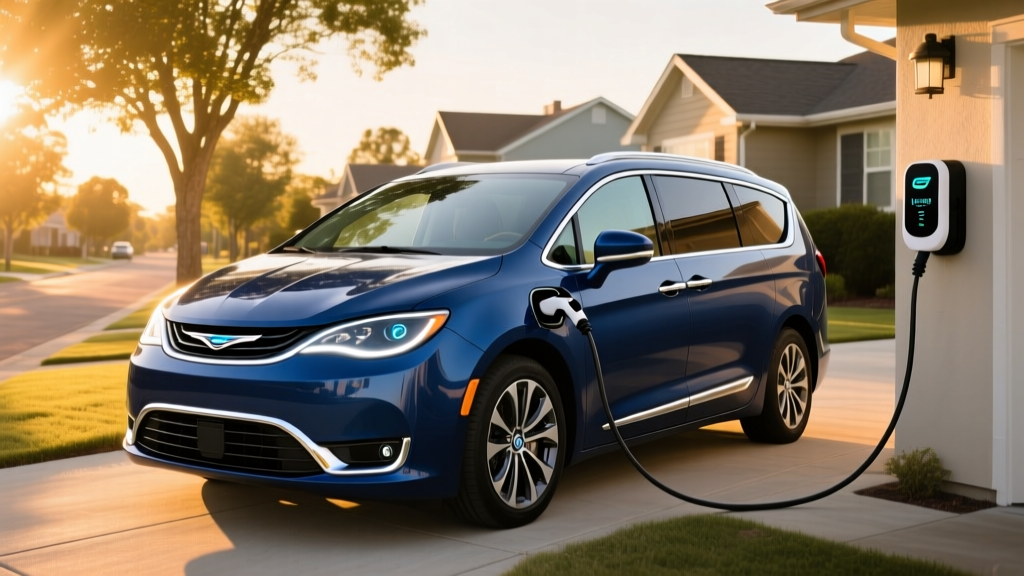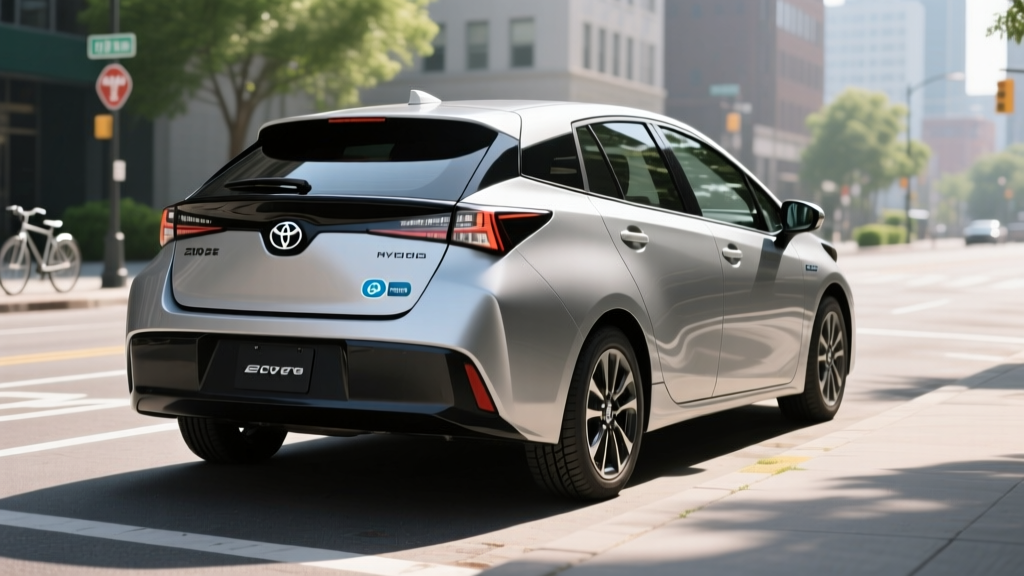
The Toyota Prius invented the hybrid hatchback segment, and for 2026 it remains one of the most efficient vehicles you can buy without plugging in. After years of criticism for tepid performance and polarizing styling, the current-generation Prius (redesigned for 2023 and refined through 2026) delivers 196 combined horsepower, genuinely sharp design, and an EPA-estimated 57 MPG combined. It also comes in a plug-in hybrid variant — the Prius Prime — that adds 44 miles of electric-only range.
This guide breaks down the 2026 Prius and Prius Prime with the exact numbers buyers need: EPA and real-world MPG, powertrain specs, battery warranty details, pricing by trim, and a clear framework for whether the conventional hybrid (HEV), the plug-in hybrid (PHEV), or a full battery-electric vehicle (BEV) fits your driving life.
HEV vs PHEV: Which Prius Hybrid Hatchback Is Right for You?
Before we get to the numbers, it's essential to understand the difference between the two Prius models. Confusing them is one of the most common mistakes shoppers make.
| Feature | Prius (HEV) | Prius Prime (PHEV) |
|---|---|---|
| Powertrain type | Conventional hybrid — never plugs in | Plug-in hybrid — charges via outlet or station |
| Battery capacity | ~1.0 kWh (small, self-charging) | 13.6 kWh usable lithium-ion |
| Electric-only range | Less than 1 mile at low speed | 44 miles EPA (EV mode) |
| How it refuels | Gasoline only; battery recharges via engine and regen | Gasoline + plug-in charging (Level 1 or Level 2) |
| DC fast charging | N/A | Not supported — Level 2 (240V) max |
| Best for | Drivers without home/work charging access | Drivers with daily commutes under 44 miles + home charging |
The bottom line: The standard Prius HEV is a self-charging hybrid. You fill it with gas and drive — the small battery recovers energy from braking and the engine. The Prius Prime PHEV gives you a meaningful electric-only buffer for daily commuting, then operates as a conventional hybrid once the battery depletes. If you have access to a standard 120V outlet or a 240V Level 2 charger at home, the Prime unlocks significant fuel savings on short trips.
Fuel Economy: EPA Ratings and Real-World MPG
Efficiency is the entire reason to buy a Prius. Here's how the 2026 lineup breaks down per the EPA's fueleconomy.gov data:
| Model / Trim | City MPG | Highway MPG | Combined MPG | MPGe (PHEV EV mode) |
|---|---|---|---|---|
| Prius LE (FWD) | 57 | 56 | 57 | N/A |
| Prius XLE / Limited (FWD) | 52 | 52 | 52 | N/A |
| Prius AWD (all trims) | 49–53 | 50–54 | 51–53 | N/A |
| Prius Prime SE (PHEV) | 53 (hybrid mode) | 51 (hybrid mode) | 52 (hybrid mode) | 127 MPGe |
| Prius Prime XSE / XSE Premium | 50 (hybrid mode) | 47 (hybrid mode) | 48 (hybrid mode) | 114 MPGe |
Real-World MPG: What to Actually Expect
The Prius HEV's EPA rating of 57 MPG combined (LE trim) is one of the more achievable stickers in the industry. Toyota's hybrid synergy drive system excels in city driving, where regenerative braking and frequent engine shut-off maximize efficiency. In real-world testing:
- City driving: Many owners report 55–62 MPG on the LE trim, sometimes exceeding the EPA city figure of 57. Stop-and-go traffic is the Prius's ideal habitat.
- Highway driving (65–75 mph): Expect 48–53 MPG. Aerodynamic drag and sustained engine operation reduce the hybrid advantage at speed.
- Cold weather (below 35°F): Fuel economy drops 10–15% because the engine runs more often to generate cabin heat and warm the catalytic converter. Expect 45–50 MPG combined in winter conditions.
- Mixed real-world combined: Most drivers in moderate climates see 50–56 MPG on the LE, and 46–51 MPG on XLE/Limited trims (heavier wheels and added equipment reduce efficiency slightly).
For the Prius Prime, the 44-mile EPA electric-only range is realistic for mixed suburban driving at moderate speeds. Highway-only EV-mode driving at 70+ mph will reduce that to roughly 34–38 miles. Once the battery depletes, the Prime operates as a conventional hybrid and returns its rated 48–52 MPG depending on trim.
Powertrain Specs: 196 HP and the Hybrid Hatchback Performance Story
The 2026 Prius uses Toyota's fifth-generation hybrid system, pairing a 2.0-liter inline-4 Atkinson-cycle gasoline engine with one or two electric motor-generators. The result is a combined system output that makes this Prius genuinely quick by hybrid standards.
| Specification | Prius HEV (FWD) | Prius HEV (AWD) | Prius Prime (PHEV) |
|---|---|---|---|
| Engine | 2.0L I4 Atkinson | 2.0L I4 Atkinson | 2.0L I4 Atkinson |
| Combined horsepower | 196 hp | 196 hp | 220 hp |
| 0–60 mph | 7.2 sec | 7.0 sec | 6.6 sec |
| Drivetrain | FWD (single front motor) | AWD (rear motor added) | FWD |
| Transmission | eCVT | eCVT | eCVT |
| Towing capacity | Not rated | Not rated | Not rated |
The 220-hp Prius Prime is the performance sleeper of the lineup — it hits 60 mph in 6.6 seconds, which is legitimately sporty for a vehicle that returns 127 MPGe in electric mode. The AWD-e system on the standard Prius adds an independent rear electric motor for traction in rain and light snow, not for off-road use.
Prius Prime PHEV: Battery, Charging, and Electric-Only Range
If you're considering the plug-in variant, here are the critical charging and battery details:
- Battery capacity: 13.6 kWh usable (lithium-ion)
- Electric-only range: 44 miles EPA (SE trim), 40 miles (XSE trims with larger wheels)
- Total combined range: Approximately 440–510 miles (EV mode + full gas tank in hybrid mode)
- Level 1 charging (120V household outlet): Approximately 11 hours for a full charge — adequate for overnight if your daily drive is under 40 miles
- Level 2 charging (240V, ~3.3 kW onboard charger): Approximately 4 hours for a full charge
- DC fast charging: Not available. The Prius Prime does not support CCS or any DC rapid charging standard.
The lack of DC fast charging is a deliberate trade-off. The Prime's battery is sized for overnight home charging and daily commute coverage, not road-trip rapid top-ups. On long highway trips, the car simply operates in hybrid mode — which is where its 48–52 MPG hybrid rating takes over.
Pricing, Trims, and Tax Credit Eligibility
The 2026 Prius lineup is positioned as an affordable entry point into electrified driving. Pricing below reflects base MSRP before destination charges:
- Prius LE: ~$29,445
- Prius XLE: ~$32,695
- Prius Limited: ~$36,195
- Prius Prime SE: ~$34,095
- Prius Prime XSE: ~$37,395
- Prius Prime XSE Premium: ~$40,695
Does the Prius Qualify for a Federal Tax Credit?
Here's where HEV and PHEV diverge sharply on incentives:
- Prius HEV (conventional hybrid): Does not qualify for the federal §30D Clean Vehicle Credit. The IRS requires a minimum battery capacity of 7 kWh and plug-in capability. The Prius HEV's ~1.0 kWh battery and lack of a charge port disqualify it.
- Prius Prime (PHEV): Qualifies for up to $3,750 under the current §30D rules, provided the buyer meets income thresholds (adjusted gross income below $150,000 single / $300,000 joint) and the vehicle's MSRP is under $55,000 (the Prius Prime clears this easily). The credit is split into two components — $3,750 for critical minerals sourcing and $3,750 for battery component manufacturing. As of 2026, the Prius Prime typically qualifies for the $3,750 critical-minerals half but may not meet the battery-component requirement depending on supply-chain sourcing for the specific model year. Always verify current eligibility at the IRS qualified vehicles list before purchasing.
The point-of-sale transfer option allows you to apply the credit as an immediate discount at the dealership rather than waiting to claim it on your tax return. Some states also offer additional PHEV rebates — check your state energy office or the AFDC state incentive database for local programs.
Battery Warranty, Reliability, and Replacement Cost
Hybrid battery longevity is consistently the top concern among first-time hybrid buyers. Here's what the data shows:
2026 Toyota Prius Hybrid Battery Warranty:
- Coverage: 10 years / 150,000 miles (whichever comes first) in all 50 states
- What's covered: Hybrid battery pack, hybrid control module, and related hybrid system components
- Capacity threshold: Toyota warrants the battery against defects and abnormal degradation; there is no published minimum capacity retention percentage (unlike some BEV warranties that guarantee 70%)
Real-world reliability data: Toyota's hybrid battery packs have an exceptional track record. Data from long-term fleet studies and owner reports show that Prius hybrid batteries routinely last 150,000–200,000+ miles before significant degradation. Failures before 100,000 miles are rare and typically covered under warranty.
Replacement cost if out of warranty: A new OEM hybrid battery pack for the Prius HEV costs approximately $2,500–$3,500 installed at a dealership. Third-party refurbished packs are available for $1,500–$2,500. For the Prius Prime's larger 13.6 kWh PHEV battery, expect $6,000–$8,500 for an OEM replacement. These are significantly less expensive than full BEV battery replacements, which can exceed $15,000.
Toyota's hybrid system has been in continuous production since 1997. The Prius consistently earns top reliability scores from Consumer Reports and holds strong resale value — factors that reduce total cost of ownership beyond just fuel savings.
Who Should Choose the Prius Hybrid Hatchback — and Who Shouldn't?
Pros
- Best-in-class 57 MPG combined (LE) — real-world results often match or exceed EPA
- 196 hp (HEV) / 220 hp (Prime) eliminates the "slow hybrid" stereotype
- 10-year / 150,000-mile hybrid battery warranty across all states
- No home charging required for the HEV — works for apartment dwellers
- Strong resale value and proven long-term reliability
- Prius Prime offers 44 mi EV range + $3,750 potential federal credit
Cons
- Rear seat and cargo space tighter than crossover alternatives
- Prius Prime lacks DC fast charging
- AWD-e system is for traction only, not off-road capability
- HEV model ineligible for federal tax credit
- Touchscreen infotainment is functional but not class-leading
Choose the Prius HEV if:
- You don't have reliable access to home or workplace charging
- You want maximum MPG simplicity — just add gas and drive
- Your budget starts around $29,000 and you want lowest cost-per-mile
Choose the Prius Prime PHEV if:
- Your daily round-trip commute is under 44 miles and you can charge at home
- You want to drive on electricity most weekdays but need gas flexibility for road trips
- You want the potential $3,750 federal credit and stronger acceleration (220 hp)
Choose a full EV (BEV) instead if:
- You have reliable Level 2 home charging and rarely drive more than 250 miles in a day
- You want to eliminate gasoline entirely and access the full $7,500 federal credit (on qualifying models)
- Maintenance minimization is a priority — BEVs have no engine, oil changes, or exhaust system
Frequently Asked Questions
How many MPG does the 2026 Prius hybrid hatchback get?
The 2026 Prius LE (FWD) is EPA-rated at 57 city / 56 highway / 57 combined MPG. XLE and Limited trims are rated at 52 combined. In real-world mixed driving, most owners see 50–56 MPG on the LE, with city driving often exceeding the EPA estimate thanks to regenerative braking.
How far can the Prius Prime go on electric only?
The 2026 Prius Prime SE delivers 44 miles of EPA-rated electric-only range. The XSE and XSE Premium trims, which use larger wheels, are rated at 40 miles. Real-world highway driving at 70+ mph reduces EV range to roughly 34–38 miles. After the battery depletes, the Prime operates as a standard hybrid.
Is the Toyota Prius hybrid reliable, and what does a battery replacement cost?
The Prius is one of the most reliable vehicles in Toyota's lineup, backed by decades of hybrid system refinement. The hybrid battery is warrantied for 10 years / 150,000 miles. Out-of-warranty HEV battery replacement costs approximately $2,500–$3,500; the Prime's larger PHEV battery runs $6,000–$8,500. Most Prius hybrid batteries last well beyond 150,000 miles.
Does the 2026 Prius qualify for any tax credit?
The conventional Prius HEV does not qualify for the federal §30D Clean Vehicle Credit — it lacks plug-in capability and the minimum 7 kWh battery. The Prius Prime PHEV may qualify for up to $3,750 (critical-minerals component) depending on current IRS sourcing rules. Buyer income caps ($150K single / $300K joint) and the $55,000 MSRP cap for sedans apply. Verify your specific eligibility on the IRS qualified clean vehicle list.
Do I need to plug in the standard Prius hybrid?
No. The standard Prius HEV is a conventional hybrid — it charges its small battery through regenerative braking and the gasoline engine. You never plug it in. Only the Prius Prime PHEV requires (and benefits from) plug-in charging.
How does the Prius compare to a full EV like the Chevrolet Equus or Hyundai Ioniq 6?
A full BEV offers lower per-mile energy costs (electricity is cheaper than gasoline in most regions), eligibility for up to $7,500 in federal credits, and zero tailpipe emissions. However, BEVs require reliable home charging access, cost more upfront, and can lose 20–30% of range in cold weather. The Prius HEV is the pragmatic choice if charging access is uncertain; the Prime PHEV bridges the gap with 44 miles of daily EV driving and unlimited gas range for road trips.