Quick Verdict: The Family Hauler That Sips Fuel
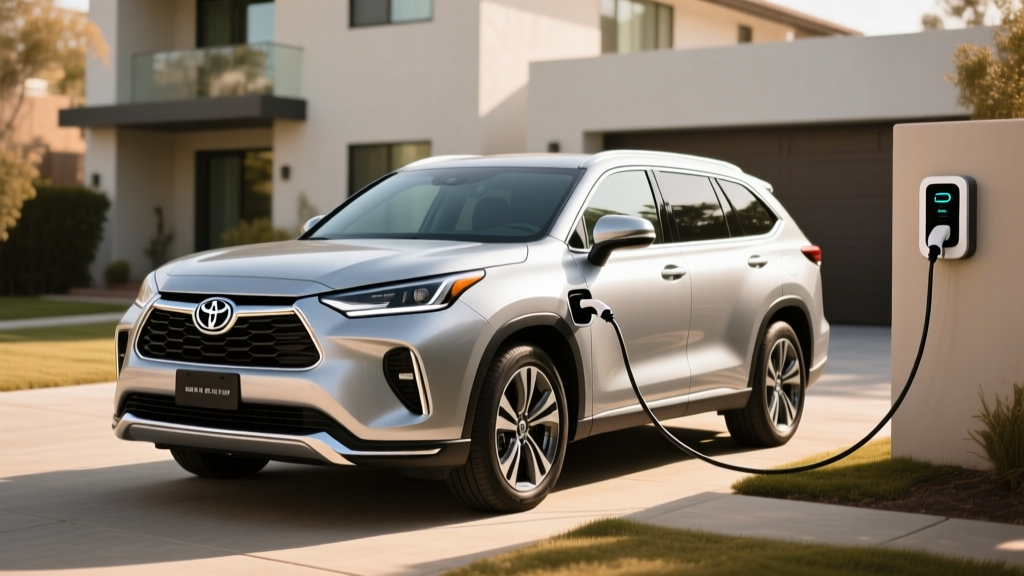
The 2026 Toyota Highlander Hybrid Limited remains one of the few three-row SUVs that doesn't force buyers to choose between passenger space and fuel efficiency. With an EPA-rated 35 MPG combined and seating for up to seven, it occupies a practical sweet spot for families who need cargo room but want to minimize fuel costs. At a starting MSRP around $51,765, the Limited trim adds premium features without crossing into luxury pricing territory.
This is a conventional hybrid (HEV), not a plug-in hybrid. You'll never need to find a charging station or plug in overnight—the Highlander Hybrid generates electricity through regenerative braking and its gasoline engine, storing energy in a small battery pack that assists the 2.5-liter four-cylinder engine.
| Specification | 2026 Highlander Hybrid Limited |
|---|---|
| Powertrain | 2.5L 4-cylinder + 2 electric motors |
| Combined Horsepower | 243 hp |
| EPA MPG (City/Highway/Combined) | 36 / 35 / 35 |
| Fuel Tank Capacity | 17.9 gallons |
| Total Range | ~626 miles |
| 0-60 mph | ~7.8 seconds |
| Drivetrain | AWD (standard on Limited) |
| Seating Capacity | 7 passengers |
| Cargo Volume (behind 3rd row) | 16.1 cu ft |
| Base MSRP | $51,765 |
Fuel Economy: EPA Numbers vs Real-World Results
The EPA rates the 2026 Highlander Hybrid Limited at 36 MPG city, 35 MPG highway, and 35 MPG combined. These figures apply to the AWD configuration standard on the Limited trim.
| Driving Scenario | Expected MPG |
|---|---|
| EPA City | 36 MPG |
| EPA Highway | 35 MPG |
| EPA Combined | 35 MPG |
| Real-World City (mixed stop-and-go) | 33-37 MPG |
| Real-World Highway (70-80 mph) | 30-33 MPG |
| Cold Weather (below 32°F) | 28-32 MPG |
Hybrids like the Highlander often exceed EPA city estimates in moderate climates because regenerative braking recaptures energy during frequent stops. However, highway driving at sustained speeds reduces the hybrid system's advantage—you're relying more on the gasoline engine and less on electric motor assist. Expect highway fuel economy to drop 3-5 MPG below the EPA sticker when cruising at 75+ mph.
Cold weather impacts all hybrids. Battery efficiency decreases in freezing temperatures, and the engine runs more frequently to maintain cabin heat. Owners in northern climates typically report 28-32 MPG during winter months, a 10-15% reduction from the EPA combined rating.
Hybrid vs PHEV vs EV: Which Powertrain Fits Your Needs?
The Highlander Hybrid is a conventional hybrid (HEV), meaning it cannot drive on electric power alone for meaningful distances. The battery assists the gasoline engine during acceleration and captures energy during braking, but you'll always need gasoline to travel.
| Feature | Conventional Hybrid (HEV) | Plug-In Hybrid (PHEV) | Battery Electric (BEV) |
|---|---|---|---|
| Plug-in Required? | No | Yes (for full benefit) | Yes |
| Electric-Only Range | Less than 1 mile | 20-40 miles typical | 200-400+ miles |
| Fuel/Energy Source | Gasoline only | Gasoline + electricity | Electricity only |
| Home Charging Needed? | No | Recommended | Essential |
| Tax Credit Eligibility | No federal credit | Up to $7,500 (§30D) | Up to $7,500 (§30D) |
| Best For | No charging access, long trips | Short commutes + road trips | Home charging, daily driving |
Choose the Highlander Hybrid if: You lack access to home or workplace charging, regularly take road trips exceeding 300 miles, or want three-row seating without range anxiety. This is the pragmatic choice for apartment dwellers, frequent travelers, and those in areas with sparse charging infrastructure.
Consider a PHEV instead if: You have a garage or driveway where you can install a Level 2 charger, your daily commute is under 30 miles, and you want to drive mostly on electricity while retaining gasoline flexibility for longer trips. Toyota does not currently offer a Highlander PHEV in the U.S. market, but competitors like the Grand Highlander Hybrid or the Kia Sorento PHEV provide plug-in alternatives.
Choose a full EV if: You have reliable home charging, your daily driving stays under 250 miles, and you want to eliminate gasoline entirely. Three-row EVs like the Rivian R1S or Kia EV9 offer similar passenger capacity with zero tailpipe emissions, though at higher starting prices.
Powertrain and Performance
The 2026 Highlander Hybrid Limited uses Toyota's fourth-generation hybrid system, pairing a 2.5-liter four-cylinder engine with two electric motors—one driving the front wheels, one driving the rear. Combined output is 243 horsepower, delivered through an electronically controlled continuously variable transmission (eCVT).
The AWD system is fully electronic, with no mechanical connection between front and rear axles. The rear electric motor engages automatically when the system detects slip or during hard acceleration, providing confident traction in rain and light snow without the fuel economy penalty of a traditional mechanical AWD system.
Acceleration is adequate rather than thrilling. The 0-60 mph time of approximately 7.8 seconds won't win any stoplight races, but the electric motors provide immediate torque from a stop, making the Highlander Hybrid feel responsive in city driving. Highway merging requires planning—the four-cylinder engine becomes vocal under hard acceleration, and the eCVT holds high RPMs until you reach cruising speed.
Pricing, Trims, and Tax Credit Eligibility
The 2026 Toyota Highlander Hybrid Limited starts at an MSRP of $51,765, including destination charges. This positions it in the upper tier of mainstream three-row SUVs, though below luxury competitors like the Volvo XC90 Recharge or BMW X5 xDrive50e.
| Trim Level | Starting MSRP | Key Features |
|---|---|---|
| LE | $42,320 | 8-inch touchscreen, Toyota Safety Sense 2.5+ |
| XLE | $46,370 | SofTex seats, power liftgate, 20-inch wheels |
| Limited | $51,765 | Leather, panoramic roof, 12.3-inch display, JBL audio |
| Platinum | $55,070 | Head-up display, panoramic camera, heated 2nd-row seats |
Federal Tax Credit: The conventional Highlander Hybrid does not qualify for the federal §30D clean vehicle credit. That credit applies only to plug-in electric vehicles (PHEVs and BEVs) meeting battery sourcing and MSRP requirements. Hybrid buyers may qualify for state or local incentives—some states offer rebates for any electrified vehicle, including conventional hybrids. Check your state's energy office or department of environmental quality for current programs.
The IRS maintains detailed guidance on clean vehicle credits, but remember: HEVs like the Highlander Hybrid are excluded from federal incentives regardless of manufacturer or battery size.
Battery Warranty and Long-Term Reliability
Toyota provides comprehensive hybrid battery coverage. The 2026 Highlander Hybrid's nickel-metal hydride (NiMH) battery pack is warranted for 10 years or 150,000 miles, whichever comes first. This warranty covers defects and capacity loss that would impair vehicle operation.
Hybrid Battery Warranty: 10 years / 150,000 miles
Powertrain Warranty: 5 years / 60,000 miles
Basic Warranty: 3 years / 36,000 miles
Real-world data suggests Toyota hybrid batteries typically last 15-20 years or 200,000+ miles before requiring replacement. The Highlander Hybrid's battery is smaller and less stressed than a PHEV or BEV pack—it never fully depletes and rarely operates at extreme temperatures thanks to active thermal management.
If replacement becomes necessary outside warranty coverage, expect to pay $3,000-$5,000 for a new battery pack, including labor. Refurbished or aftermarket options may reduce this cost to $2,000-$3,500. Given the 10-year warranty and Toyota's track record, battery replacement is rarely a concern for original owners who sell or trade within the warranty period.
Toyota's hybrid systems have proven exceptionally reliable. The NHTSA and IIHS have historically awarded Highlander models top safety ratings, and J.D. Power consistently ranks Toyota hybrids above average in dependability studies.
Who Should Buy the 2026 Highlander Hybrid Limited?
The Highlander Hybrid Limited serves a specific buyer profile: families who need three-row seating, value fuel efficiency, and lack the infrastructure or desire to plug in a vehicle. It's also ideal for buyers who frequently drive long distances where charging stops would add unwanted time and complexity.
Pros
- 35 MPG combined is exceptional for a 7-passenger AWD SUV
- No charging required—fills up at any gas station in 5 minutes
- 10-year/150,000-mile hybrid battery warranty
- Standard AWD with electronic rear motor
- Strong resale value and Toyota reliability reputation
Cons
- No federal tax credit eligibility
- Loud engine noise under hard acceleration
- Third row is tight for adults on longer trips
- Limited trim pricing near $52K before options
- Cannot drive on electric power alone
If your daily driving consists of school runs, grocery trips, and weekend activities within a 50-mile radius, the Highlander Hybrid will save you $800-$1,200 annually in fuel costs compared to a non-hybrid V6 three-row SUV. Over a 5-year ownership period, that's $4,000-$6,000 in fuel savings—enough to offset the hybrid's price premium over gas-only competitors.
However, if you have garage access and can install a Level 2 charger, a PHEV might serve you better. Plug-in hybrids offer 20-40 miles of electric-only range for daily commuting, potentially eliminating gasoline use on weekdays while retaining highway flexibility for weekends.
Frequently Asked Questions
How many MPG does the 2026 Toyota Highlander Hybrid Limited get?
The EPA rates it at 36 MPG city, 35 MPG highway, and 35 MPG combined. Real-world results typically match or slightly exceed city estimates in moderate weather, but highway driving at 75+ mph and cold temperatures can reduce fuel economy to 28-32 MPG.
Does the Highlander Hybrid need to be plugged in?
No. This is a conventional hybrid (HEV), not a plug-in hybrid. The battery charges through regenerative braking and the gasoline engine. You'll never need to find a charging station or install home charging equipment.
How far can the Highlander Hybrid drive on electric power alone?
Less than one mile at very low speeds (under 25 mph). The electric motors assist the gasoline engine but cannot propel the vehicle independently for meaningful distances. This is normal for conventional hybrids.
Is the hybrid battery reliable, and what does replacement cost?
Toyota's hybrid batteries typically last 15-20 years or 200,000+ miles. The 2026 Highlander Hybrid includes a 10-year/150,000-mile battery warranty. Out-of-warranty replacement costs $3,000-$5,000, though most original owners never need this service.
Does the 2026 Highlander Hybrid qualify for any tax credits?
No federal tax credit applies to conventional hybrids. The §30D clean vehicle credit is reserved for plug-in vehicles (PHEVs and BEVs). Some states offer incentives for hybrids—check your state's energy or environmental agency for current programs.
How does the Highlander Hybrid compare to the Grand Highlander Hybrid?
The Grand Highlander Hybrid offers more third-row and cargo space but achieves slightly lower fuel economy (34 MPG combined vs 35 MPG). If you regularly carry adults in the third row or need maximum cargo volume, the Grand Highlander is worth the trade-off. For most families, the standard Highlander Hybrid provides sufficient space with marginally better efficiency.
What's the towing capacity?
The 2026 Highlander Hybrid Limited can tow up to 3,500 pounds when properly equipped. This is sufficient for small boat trailers, lightweight campers, or utility trailers, but falls short of body-on-frame SUVs rated for 5,000+ pounds.