Quick Verdict: The 2026 RAV4 LE Hybrid at a Glance
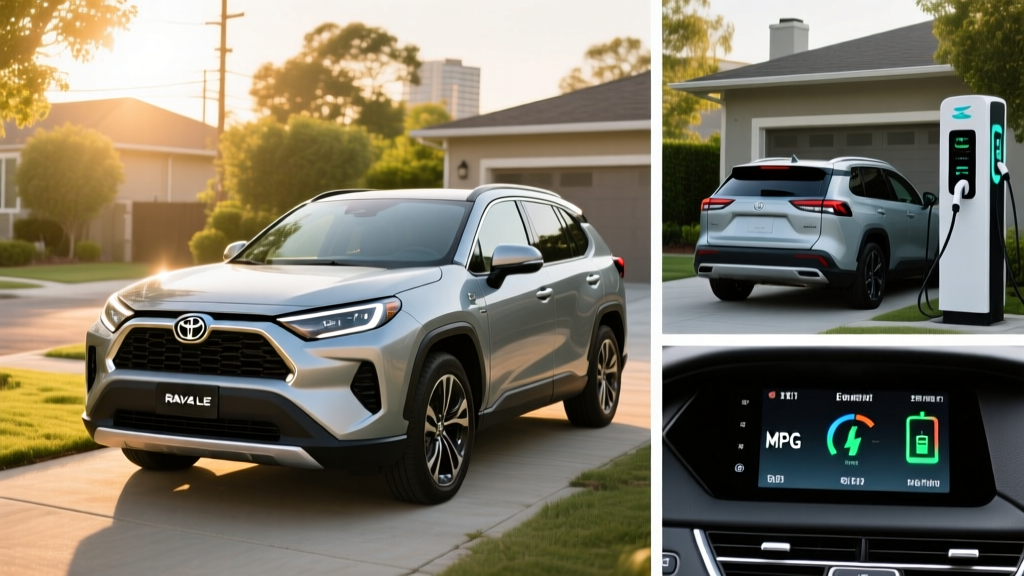
The 2026 Toyota RAV4 LE Hybrid remains the entry point into Toyota's best-selling electrified SUV, pairing a 2.5-liter four-cylinder with Toyota's fifth-generation hybrid system for an EPA-estimated 39 MPG combined. Starting at approximately $33,595 (including destination), the LE Hybrid trim gives buyers a practical, all-wheel-drive compact SUV that never needs to be plugged in — while delivering fuel savings that rival many plug-in alternatives for drivers without home charging access.
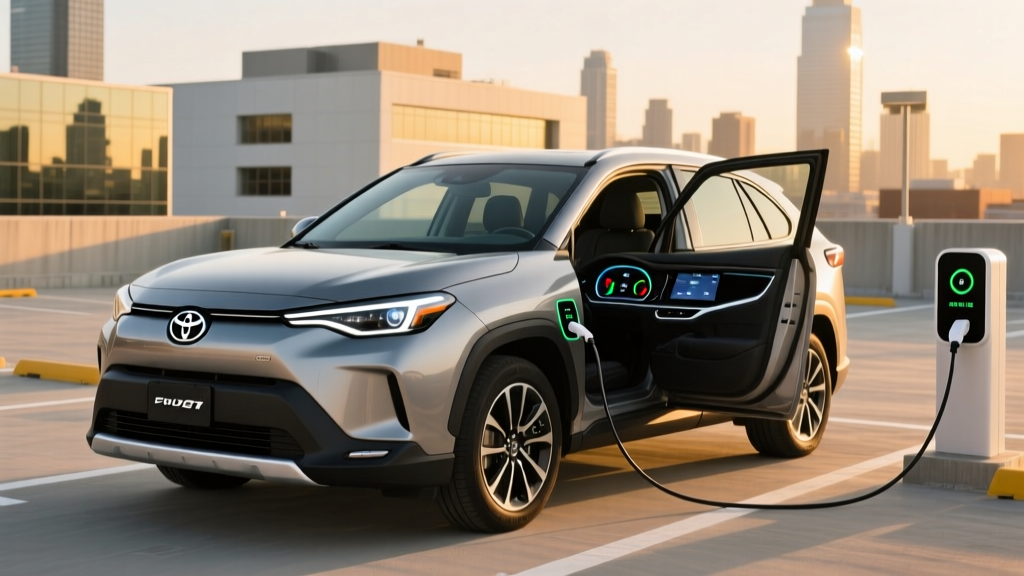
This is a conventional hybrid (HEV), not a plug-in hybrid (PHEV). That distinction matters: the RAV4 LE Hybrid charges its own small battery through regenerative braking and the gasoline engine. You fuel it like any other car and drive. If you want electric-only driving, you'll need to look at the RAV4 Prime (Toyota's PHEV variant) or a full battery-electric vehicle.
A conventional hybrid (HEV) like the RAV4 LE Hybrid uses a small battery (typically 1.6 kWh) charged by the engine and regen braking. You never plug it in. A plug-in hybrid (PHEV) like the RAV4 Prime has a much larger battery (~18.1 kWh) that you charge from a wall outlet or charger, enabling 42+ miles of electric-only driving before the gas engine kicks in. The RAV4 LE is an HEV — no plug required.
Fuel Economy: EPA Ratings and Real-World MPG
Fuel efficiency is the primary reason buyers choose the RAV4 Hybrid over the gas-only RAV4. Here's how the 2026 LE Hybrid breaks down according to EPA data at fueleconomy.gov:
| Metric | Rating |
|---|---|
| City MPG | 41 MPG |
| Highway MPG | 38 MPG |
| Combined MPG | 39 MPG |
| Fuel Tank Capacity | 14.5 gallons |
| Total Range | ~565 miles |
Toyota hybrids consistently perform close to — and sometimes exceed — their EPA city ratings because the electric motor handles low-speed driving where gas engines are least efficient. In mixed suburban driving, owners frequently report 40-42 MPG. On sustained highway trips at 75+ mph, expect a slight dip to roughly 35-37 MPG as aerodynamic drag increases and the gas engine carries more of the load. In cold weather (below 30°F), the engine runs more frequently to maintain cabin heat and battery temperature, reducing observed economy to approximately 34-36 MPG until the powertrain warms up.
Powertrain and Performance Specs
The 2026 RAV4 LE Hybrid uses Toyota's proven series-parallel hybrid architecture with electronic on-demand all-wheel drive (AWD). A rear-mounted electric motor powers the back axle without a mechanical driveshaft, improving traction and packaging efficiency.
| Specification | Value |
|---|---|
| Engine | 2.5L 4-cylinder Dynamic Force |
| Combined System Horsepower | 219 HP |
| Front Motor | Permanent magnet synchronous |
| Rear Motor (AWD) | 40 kW independent |
| Transmission | eCVT (electronically controlled) |
| 0-60 MPH | ~7.4 seconds |
| Drivetrain | Electronic On-Demand AWD |
| Hybrid Battery | ~1.6 kWh lithium-ion (NiMH on prior gens) |
| Towing Capacity | 1,750 lbs |
The 219 combined horsepower is a meaningful jump over the gas-only RAV4's 203 HP, and the electric motor's instant torque gives the LE Hybrid noticeably stronger acceleration from stops. The eCVT isn't a traditional belt-and-pulley CVT — it's a planetary gearset that blends engine and motor power seamlessly, avoiding the "rubber band" feel some drivers associate with conventional CVTs.
Pricing, Trims, and Tax Credit Eligibility
The 2026 RAV4 LE Hybrid starts at an MSRP of approximately $33,595 (including $1,395 destination charge). As the base hybrid trim, it comes well-equipped with Toyota Safety Sense 3.0, an 8-inch touchscreen with wireless Apple CarPlay and Android Auto, LED headlights, and the electronic AWD system.
Higher hybrid trims — XLE, XLE Premium, Woodland Edition, SE, and Limited — range from roughly $35,000 to $43,000, adding features like a 10.5-inch display, heated seats, panoramic roof, and SofTex upholstery.
The 2026 RAV4 LE Hybrid is a conventional hybrid (HEV), not a plug-in vehicle. Under current IRS §30D rules, the federal clean vehicle credit applies only to plug-in electric vehicles (BEVs and PHEVs) that meet battery sourcing, critical mineral, MSRP cap, and buyer income requirements. The RAV4 LE Hybrid does not qualify for the $7,500 federal EV tax credit.
However, some states offer separate incentives for hybrid purchases. Check your state's energy office or department of revenue for current programs. The RAV4 Prime (PHEV) may qualify for federal and state credits if it meets current-year sourcing requirements — consult a tax professional for eligibility.
Hybrid Battery Warranty, Lifespan, and Replacement Cost
Battery longevity is consistently the top concern for first-time hybrid buyers. Toyota addresses this with one of the strongest hybrid battery warranties in the industry:
- Hybrid Battery Coverage: 10 years / 150,000 miles (whichever comes first)
- Hybrid System Components: 8 years / 100,000 miles
- Capacity Threshold: Toyota warrants the battery against defects and abnormal loss of capacity
In practice, Toyota's hybrid batteries have demonstrated exceptional longevity. The RAV4 Hybrid's ~1.6 kWh battery operates within a narrow state-of-charge window (roughly 40-80%), which dramatically reduces stress on the cells compared to a full EV battery that cycles through a wider range. Data from fleet operators and long-term owners shows that many Toyota hybrid batteries last 150,000-200,000+ miles before any meaningful degradation.
If replacement is needed outside warranty, a new OEM hybrid battery for the RAV4 Hybrid typically costs between $2,000 and $4,000 installed at a dealership. Independent hybrid specialists and refurbished battery options can reduce this to $1,200-$2,500. This is dramatically less than a full EV battery replacement, which can exceed $10,000-$15,000.
RAV4 LE Hybrid vs RAV4 Prime (PHEV) vs Full EV
Choosing between a conventional hybrid, plug-in hybrid, and full electric vehicle depends on your driving patterns, charging access, and budget. Here's how the three options compare for the RAV4 platform:
| Factor | RAV4 LE Hybrid (HEV) | RAV4 Prime (PHEV) | Full EV (e.g., Tesla Model Y) |
|---|---|---|---|
| Plug-in Required? | No | Yes (for EV range) | Yes |
| Electric-Only Range | None (EV assist only) | ~42 miles | 260-330 miles |
| Combined Efficiency | 39 MPG | 94 MPGe / 38 MPG gas | 110-130 MPGe |
| Starting MSRP (est.) | $33,595 | $44,595 | $44,990+ |
| Federal Tax Credit | Not eligible | May qualify* | May qualify* |
| Home Charging Needed? | No | Recommended | Essential |
| Fuel Cost (15K mi/yr) | ~$1,350/yr | ~$600-1,100/yr | ~$450-700/yr |
*Federal tax credit eligibility for PHEVs and BEVs depends on current-year IRS §30D rules including battery sourcing, critical mineral content, MSRP caps ($80,000 SUVs), and buyer income limits. Verify at irs.gov before purchasing.
Choose the RAV4 LE Hybrid (HEV) if: You don't have access to home or workplace charging, you want maximum simplicity with no plug-in routine, your budget is under $35,000, or you frequently take long road trips where charging infrastructure is sparse.
Choose the RAV4 Prime (PHEV) if: You can install a Level 2 charger at home, your daily commute is under 40 miles (covering most trips on electricity), you want to reduce fuel costs significantly while keeping a gas engine for road trips, and you may qualify for the federal tax credit to offset the higher MSRP.
Choose a full EV if: You have reliable home charging, your daily driving is under 250 miles, you want the lowest per-mile fuel cost and minimal maintenance, and you're ready to plan longer trips around DC fast-charging stops.
Pros and Cons: 2026 RAV4 LE Hybrid
✓ Pros
- 39 MPG combined — real-world often matches or exceeds EPA city rating
- Standard AWD with no fuel-economy penalty vs FWD
- No plug-in charging required — fuel and go
- 10-year/150,000-mile hybrid battery warranty
- Strong resale value — RAV4 Hybrid holds value exceptionally well
- Toyota Safety Sense 3.0 standard (adaptive cruise, lane keeping, auto emergency braking)
- 219 HP provides confident merging and passing power
✗ Cons
- No federal tax credit eligibility (HEV, not a plug-in)
- Base LE trim uses a smaller 8-inch screen (vs 10.5" on higher trims)
- No electric-only driving mode — always uses some gasoline
- 1,750-lb towing capacity limits utility for boat/trailer hauling
- Road noise noticeable at highway speeds (common RAV4 critique)
- Hybrid premium over gas RAV4 LE takes ~3-4 years to recoup at current fuel prices
Frequently Asked Questions
How many MPG does the 2026 RAV4 LE Hybrid actually get?
The EPA rates the 2026 RAV4 LE Hybrid at 41 city / 38 highway / 39 combined MPG. In real-world driving, most owners report matching or slightly exceeding the city rating (40-42 MPG) in suburban stop-and-go traffic, where the electric motor does the most work. Highway cruising at 70-80 mph typically yields 35-37 MPG, and cold weather can drop overall economy to the mid-30s until the powertrain reaches operating temperature.
Does the RAV4 LE Hybrid need to be plugged in?
No. The RAV4 LE Hybrid is a conventional hybrid (HEV). Its small lithium-ion battery charges through regenerative braking and the gasoline engine. You simply fill the 14.5-gallon fuel tank and drive — exactly like a conventional gas car, but with significantly better fuel economy.
How long will the RAV4 Hybrid battery last, and what does replacement cost?
Toyota warrants the hybrid battery for 10 years or 150,000 miles. Real-world data from Toyota's hybrid fleet (Prius, Camry Hybrid, RAV4 Hybrid) shows batteries routinely lasting 150,000-200,000+ miles. The hybrid system's narrow state-of-charge operating window (roughly 40-80%) minimizes cell stress. If replacement is needed, expect $2,000-$4,000 for a new OEM battery at a dealer, or $1,200-$2,500 through independent hybrid specialists using refurbished units.
Is the RAV4 LE Hybrid reliable compared to the gas RAV4?
Toyota's hybrid powertrain has an exceptional reliability track record spanning over 25 years since the original Prius. The eCVT transmission has fewer moving parts than a conventional automatic (no clutch packs, torque converter, or shifting bands), and regenerative braking reduces wear on the friction brake pads — many hybrid owners report 60,000-80,000+ miles on original brake pads. IIHS and Consumer Reports consistently rate the RAV4 Hybrid at or near the top of its segment for predicted reliability.
Does the 2026 RAV4 LE Hybrid qualify for any tax credit?
No federal tax credit applies to conventional hybrids under current IRS §30D rules, which require plug-in capability and minimum battery capacity. The RAV4 Prime PHEV may qualify, depending on battery sourcing, MSRP, and buyer income. Some states and utilities offer separate rebates for hybrid purchases — check your state energy office or utility provider for current programs.
How does the RAV4 Hybrid compare to the gas RAV4 on cost?
The RAV4 LE Hybrid carries a roughly $1,500-$2,000 premium over the gas-only RAV4 LE. At 15,000 miles per year and $3.40/gallon gasoline, the gas RAV4 (28 MPG combined) costs approximately $1,821 annually in fuel, while the Hybrid (39 MPG combined) costs about $1,308 — a savings of roughly $513 per year. The hybrid premium pays for itself in approximately 3-4 years, after which you continue saving. Factor in the hybrid's stronger resale value, and the total cost of ownership often favors the hybrid even sooner.