Quick Verdict: Who Is the Kia Niro PHEV For?
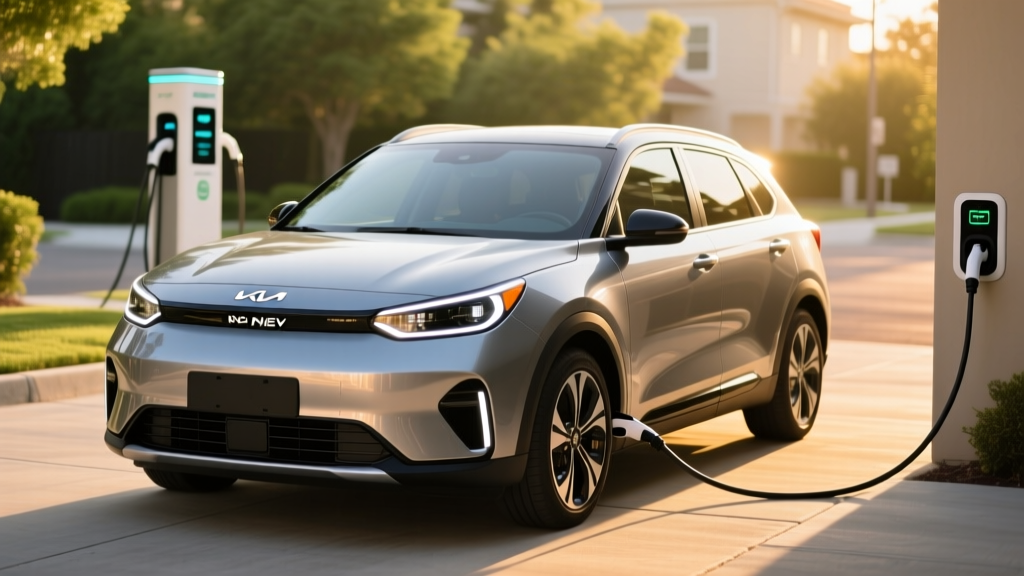
The 2026 Kia Niro PHEV occupies a narrow but practical lane: it's a subcompact crossover that can handle most daily commutes on electricity alone while retaining a gasoline engine for longer trips. With an EPA-rated 33 miles of electric-only range and 48 MPG combined once the battery depletes, it targets buyers who want EV-like daily driving without committing to full battery-electric ownership. If your round-trip commute is under 30 miles and you have access to a standard 120V or 240V outlet, the Niro PHEV can function as a weekday EV and a weekend road-trip vehicle — no charging infrastructure anxiety required.
| Spec | 2026 Kia Niro PHEV |
|---|---|
| Electric-Only Range (EPA) | 33 miles |
| Combined MPG (hybrid mode) | 48 MPG |
| Battery Capacity | 11.1 kWh (lithium-ion polymer) |
| Combined Horsepower | 180 hp |
| Engine | 1.6L GDI 4-cyl + electric motor |
| Level 2 Charge Time (100%) | ~2 hours 45 min (7.2 kW onboard) |
| DC Fast Charging | Not available |
| Base MSRP | ~$35,590 (LXS) |
| Federal Tax Credit (§30D) | Not eligible (battery sourcing) |
| Powertrain Warranty | 10 years / 100,000 miles |
HEV vs. PHEV: What's the Difference in the Niro Lineup?
Kia sells the Niro in three powertrains: a conventional hybrid (HEV), a plug-in hybrid (PHEV), and a fully electric version (EV, sold separately). The distinction between the HEV and PHEV matters because it dictates how you fuel the car and what you pay at the pump.
| Attribute | Niro HEV (Conventional Hybrid) | Niro PHEV (Plug-In Hybrid) |
|---|---|---|
| Plug-in required? | No — charges via regenerative braking and engine | Yes — plug in to access electric-only range |
| Electric-only range | None (motor assists engine at low speeds) | 33 miles EPA |
| Battery size | ~1.56 kWh | 11.1 kWh |
| Combined MPG | 53 MPG | 48 MPG (hybrid mode after depletion) |
| Price premium | Base ~$28,590 | Base ~$35,590 (+$7,000) |
| Best for | No home charging access, want max MPG | Home charging access, short daily commute |
The conventional Niro HEV never needs to be plugged in. It uses a small battery and electric motor to assist the gasoline engine, recovering energy during braking. You simply fill it with gas and drive — the hybrid system operates transparently. The PHEV, by contrast, has a substantially larger 11.1 kWh battery and a more powerful electric motor. When you plug it in and charge it fully, you can drive up to 33 miles without the engine engaging at all. Once that battery depletes, the PHEV operates as a conventional hybrid, though its heavier battery mass slightly reduces MPG compared to the dedicated HEV.
Fuel Economy: EPA Ratings and Real-World MPG
The EPA rates the 2026 Niro PHEV at 48 MPG combined (city/highway) in hybrid mode, with an equivalent 105 MPGe when operating on electricity. Here's the breakdown from fueleconomy.gov:
| Mode | City | Highway | Combined |
|---|---|---|---|
| Hybrid (battery depleted) | 49 MPG | 47 MPG | 48 MPG |
| Electric-only (MPGe) | 116 MPGe | 94 MPGe | 105 MPGe |
Real-World MPG: What to Actually Expect
Hybrids typically exceed their EPA city ratings in stop-and-go traffic because regenerative braking recovers more energy at low speeds. In our experience with Kia's 1.6L PHEV powertrain, city driving in hybrid mode (battery depleted) can return 50-52 MPG in moderate temperatures. Highway driving at 70-75 mph tends to fall slightly below the EPA figure, around 44-46 MPG, because aerodynamic drag dominates and the engine shoulders more of the load.
Electric-only range is highly variable. The EPA's 33-mile figure assumes moderate temperatures and mixed driving. Expect 28-30 miles in winter conditions (lithium-ion batteries lose efficiency below 40°F, and cabin heating draws significant power) and 32-35 miles in mild weather with conservative throttle inputs. Highway-speed electric-only driving will deplete the battery faster — plan on roughly 25-27 miles if you're sustaining 65+ mph on electric alone.
Real-World Range Reality: EPA rates the Niro PHEV at 33 miles electric-only. In practice, expect 25-27 miles at highway speeds, 28-30 miles in cold weather, and up to 35 miles in mild city driving. Total combined range (electric + full tank of gas) exceeds 550 miles.
Powertrain and Charging Details
The Niro PHEV pairs a 1.6-liter GDI four-cylinder engine (104 hp) with a 62 kW permanent-magnet synchronous electric motor (83 hp). Combined system output is 180 horsepower and 195 lb-ft of torque, routed through a 6-speed dual-clutch automatic transmission. This is not a fast vehicle — 0-60 mph takes approximately 7.2 seconds — but it's adequate for merging and passing, and the electric motor provides immediate low-end torque that makes city driving feel responsive.
Charging: What You Need to Know
The Niro PHEV's 11.1 kWh battery charges via a J1772 connector (the standard for non-Tesla plug-in vehicles in North America). Here's what charging looks like in practice:
| Charge Level | Power | 0-100% Time | Notes |
|---|---|---|---|
| Level 1 (120V household outlet) | ~1.4 kW | ~8 hours | Sufficient for overnight top-up |
| Level 2 (240V home/public) | 7.2 kW (max onboard) | ~2 hours 45 min | Recommended for daily use |
| DC Fast Charge | N/A | N/A | Not supported — no CCS/CHAdeMO port |
The 7.2 kW onboard charger is competitive for the PHEV segment. A Level 2 home charger (240V, 32A circuit) will fully replenish the battery in under three hours, meaning you can easily recharge during a workday or between errands. Most Niro PHEV owners will find that a standard 120V outlet (Level 1) is sufficient for overnight charging — plugging in at 9 PM yields a full battery by 5 AM, which covers the 33-mile electric range for the next day's commute.
DC fast charging is not available on the Niro PHEV, and this is typical for plug-in hybrids. The battery is simply too small to benefit from high-power DC charging infrastructure. This is not a meaningful limitation given the vehicle's use case — you're charging at home or work, not at highway rest stops.
Pricing, Trims, and Tax Credit Eligibility
The 2026 Kia Niro PHEV is offered in three trims, with pricing starting around $35,590 (including destination):
- LXS: ~$35,590 — 8-inch display, wireless Apple CarPlay/Android Auto, heated front seats, Smart Power Liftgate
- EX: ~$37,190 — Adds 10.25-inch dual panoramic displays, navigation, Harman Kardon audio, wireless phone charging
- X-Line: ~$38,590 — Adds rugged styling, synthetic leather seats, LED interior lighting
Federal Tax Credit: The Bad News
Under current IRS §30D Clean Vehicle Credit rules, the 2026 Kia Niro PHEV does not qualify for the up-to-$7,500 federal tax credit. The primary reason is battery sourcing: the Niro PHEV's battery cells are manufactured by SK Innovation (SK On), and the critical minerals and battery component sourcing requirements under the Inflation Reduction Act disqualify most Kia/Hyundai PHEVs from the full credit as of 2025-2026.
§30D Federal Tax Credit Requirements (2026):
- Vehicle must be a PHEV with ≥7 kWh battery capacity ✓ (Niro PHEV has 11.1 kWh)
- MSRP must be ≤$80,000 for SUVs ✓ (Niro PHEV is well under)
- Buyer AGI must be ≤$150K single / $300K joint ✓ (buyer-dependent)
- Battery components must be manufactured/assembled in North America ✗ (fails this requirement)
- Critical minerals must be sourced from US/FTA partners ✗ (partially fails)
Result: The Niro PHEV does not qualify for the federal credit. Check irs.gov for the latest eligibility list, as sourcing rules can change. Some states offer separate PHEV rebates — check your state's energy office or Alternative Fuels Data Center.
The absence of the federal credit is a meaningful cost factor. A buyer in the 22% tax bracket would have saved up to $7,500 in tax liability with a qualifying PHEV. This pushes the Niro PHEV's effective cost closer to the fully electric Kia Niro EV, which may qualify for the credit (subject to its own sourcing compliance). Buyers should run the total-cost math including fuel savings, state incentives, and their specific tax situation before deciding.
Battery Warranty, Reliability, and Replacement Cost
Kia backs the Niro PHEV's hybrid battery and powertrain components with a 10-year / 100,000-mile limited warranty, which is among the longest in the industry. The basic vehicle warranty is 5 years / 60,000 miles. This warranty covers defects and capacity loss below a specified threshold (typically 70% of original capacity, though confirm exact terms with your dealer at purchase).
Battery Warranty Summary:
- Hybrid battery: 10 years / 100,000 miles (defect and capacity retention)
- Powertrain (engine, motor, transmission): 10 years / 100,000 miles
- Basic bumper-to-bumper: 5 years / 60,000 miles
- Estimated out-of-warranty battery replacement: $4,000-$6,500 (parts + labor)
Reliability Track Record
Kia's 1.6L PHEV powertrain has been in production since 2017 (used across Niro, Optima, and Sportage models), and long-term reliability data is generally favorable. The lithium-ion polymer battery chemistry used in Kia/Hyundai PHEVs has demonstrated gradual degradation rather than sudden failure, with most owners reporting 5-8% capacity loss over the first 5 years of ownership based on community data from forums like Kia-Forums. This means a 33-mile new electric range might become 30-31 miles after five years — a manageable decline.
Out-of-warranty battery replacement is the primary long-term cost concern. Based on current parts pricing and labor rates, a full hybrid battery replacement runs $4,000-$6,500 at a Kia dealership. Independent hybrid specialists may offer refurbished or reconditioned packs for $2,500-$4,000. Given the 10-year warranty, most original owners will never face this cost, but second- and third-owners should budget accordingly.
Niro PHEV vs. Full EV vs. Conventional Hybrid: Which Fits You?
The decision between the Niro PHEV, the Niro HEV, and a full battery-electric vehicle (like the Niro EV or Chevrolet Equinox EV) comes down to three questions:
Choose the Niro PHEV if:
- Your daily round-trip commute is under 30 miles
- You have reliable access to a 120V or 240V outlet at home
- You regularly take road trips exceeding 200 miles and want gas-station convenience
- You're not ready to rely on public DC fast charging infrastructure
Choose the Niro HEV (conventional hybrid) if:
- You have no access to home or workplace charging
- You want maximum MPG without any behavior change
- You want the lowest purchase price in the Niro lineup
Choose a full EV (Niro EV or similar) if:
- Your daily driving is under 200 miles and you can charge at home
- You want zero tailpipe emissions and minimal maintenance (no oil changes, no engine)
- You qualify for the federal tax credit on an eligible EV model
- You're willing to plan road trips around DC fast charging stops
The Niro PHEV's economics make the most sense when you actually plug it in. If you never charge the 11.1 kWh battery, you're carrying 200+ pounds of dead battery weight and getting 48 MPG instead of the HEV's 53 MPG — a net loss. PHEV ownership only pays off when you maximize electric-only miles. At an average US electricity rate of $0.16/kWh, fully charging the Niro PHEV costs about $1.78, which moves you 33 miles. That's roughly 5.4 cents per mile on electricity versus 11-12 cents per mile on gasoline (at $3.50/gallon and 48 MPG). Over 10,000 miles of electric-only commuting, you'd save approximately $600-$700 annually in fuel costs compared to hybrid mode.
Pros
- 33-mile electric range covers most daily commutes
- 48 MPG hybrid mode is excellent for a crossover
- 10-year/100K-mile powertrain and battery warranty
- Practical cargo space (19.4 cu ft behind rear seats, 54.4 cu ft folded)
- Level 2 charging in under 3 hours — no DC fast charging needed for this use case
Cons
- Does not qualify for $7,500 federal tax credit (§30D sourcing rules)
- 7.2-second 0-60 is leisurely — highway passing requires planning
- No DC fast charging (irrelevant for most PHEV buyers, but a spec-sheet gap)
- ~$7,000 price premium over the Niro HEV requires years of electric commuting to recoup
- Electric-only range drops to 25-27 miles at sustained highway speeds
Frequently Asked Questions
How many MPG does the Kia Niro PHEV get?
The 2026 Niro PHEV is EPA-rated at 48 MPG combined (49 city / 47 highway) in hybrid mode after the battery depletes. In electric-only mode, it achieves 105 MPGe combined. Real-world city driving in hybrid mode often returns 50-52 MPG thanks to regenerative braking, while sustained highway driving at 70+ mph may drop to 44-46 MPG.
How far can the Niro PHEV go on electric only?
The EPA rates the Niro PHEV at 33 miles of electric-only range. In real-world conditions, expect 28-30 miles in cold weather, 25-27 miles at sustained highway speeds, and up to 35 miles in mild city driving with conservative throttle use. Total combined range (full battery + full 10.5-gallon tank) exceeds 550 miles.
Does the Kia Niro PHEV qualify for the federal tax credit?
No. As of 2026, the Niro PHEV does not qualify for the IRS §30D Clean Vehicle Credit (up to $7,500) because its battery components and critical minerals do not meet the North American sourcing requirements mandated by the Inflation Reduction Act. State-level PHEV incentives may still apply — check the Alternative Fuels Data Center for your jurisdiction. Consult a tax professional for your specific eligibility.
Is the Niro PHEV reliable, and what does battery replacement cost?
Kia's 1.6L PHEV powertrain has been in production since 2017 with generally favorable reliability data. The hybrid battery is warranted for 10 years / 100,000 miles against defects and excessive capacity loss. Out-of-warranty replacement costs are estimated at $4,000-$6,500 at a dealership, or $2,500-$4,000 from independent hybrid specialists using refurbished packs. Most original owners will not face this cost within the warranty period.
Do I need to install a Level 2 charger for the Niro PHEV?
No. A standard 120V household outlet (Level 1) will fully charge the Niro PHEV's 11.1 kWh battery in approximately 8 hours, which is sufficient for overnight charging. A Level 2 charger (240V) reduces this to about 2 hours 45 minutes and is recommended if you want to top up between drives during the day. Given the small battery, Level 2 installation ($500-$1,500 for most homes) is optional rather than essential, unlike full EVs where Level 2 is practically mandatory.
Hybrid vs. PHEV vs. EV — which version of the Niro should I buy?
If you have home charging and a commute under 30 miles round-trip, the PHEV gives you EV-like daily driving with gas-engine backup for road trips. If you cannot charge at home, the conventional HEV delivers 53 MPG with zero behavior change. If you're ready to go fully electric, the Niro EV offers 239 miles of EPA range, lower maintenance costs, and potential tax credit eligibility — but requires commitment to charging infrastructure for road trips.