Quick Verdict: The 2026 Kia Niro Hybrid
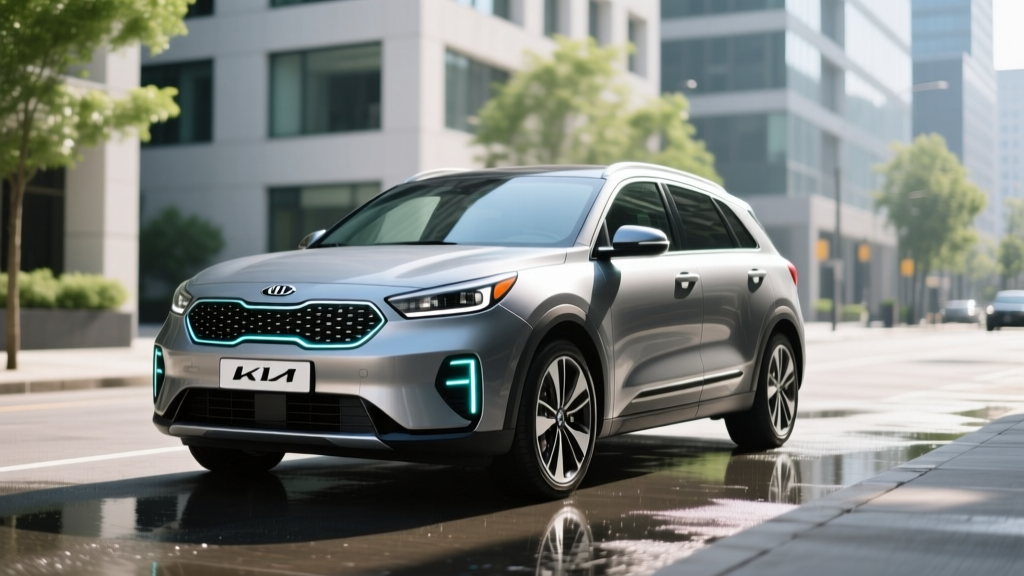
The 2026 Kia Niro Hybrid occupies a practical sweet spot for buyers who want electrified efficiency without plugging in. With EPA ratings reaching 53 MPG combined and a starting MSRP around $28,490, it undercuts most compact crossovers on fuel cost while offering genuine cargo versatility. For those with home charging access, the Niro Plug-In Hybrid variant extends electric-only driving to an EPA-estimated 33 miles before the gas engine engages.
Both versions share Kia's proven 1.6-liter hybrid powertrain, but they serve different use cases. The conventional HEV is a set-it-and-forget-it fuel sipper. The PHEV rewards plug-in habits with daily electric commuting. Here's how each variant performs in real-world conditions, what ownership costs look like, and whether the Niro Hybrid fits your garage better than a full EV or traditional gas crossover.
HEV vs PHEV: Which Niro Hybrid Are We Talking About?
Conventional Hybrid (HEV)
The standard Niro Hybrid pairs a 1.6L GDI four-cylinder engine with a 32 kW electric motor and a 1.56 kWh lithium-ion battery pack. You never plug it in — regenerative braking and the engine keep the small battery charged. It operates as a parallel hybrid, seamlessly switching between electric-only (at low speeds), engine-only, and combined power modes.
Plug-In Hybrid (PHEV)
The Niro PHEV uses the same 1.6L engine but pairs it with a more powerful 62 kW motor and an 11.1 kWh battery pack. Plug it into a Level 2 (240V) home charger, and you can drive an EPA-estimated 33 miles on electricity alone before the hybrid system takes over. Total combined range exceeds 560 miles when you factor in the gas tank.
Fuel Economy: EPA Ratings vs Real-World MPG
| Model | City MPG | Highway MPG | Combined MPG | MPGe (PHEV Electric) |
|---|---|---|---|---|
| 2026 Niro Hybrid (HEV) — LX/EX trims | 53 | 48 | 53 | — |
| 2026 Niro Hybrid (HEV) — Touring trim | 49 | 45 | 49 | — |
| 2026 Niro PHEV (charge-sustaining) | 48 | 44 | 48 | 105 MPGe |
Source: fueleconomy.gov (EPA estimates).
Real-World MPG Reality Check
Hybrids typically exceed their EPA city ratings in stop-and-go traffic because regenerative braking recovers energy that gas cars waste as heat. In urban testing, owners consistently report 54-58 MPG in the HEV during city-heavy commutes. Highway driving tells a different story: at sustained 75-80 mph speeds, expect the HEV to deliver 42-46 MPG as aerodynamic drag dominates and the hybrid system has fewer opportunities to recapture energy.
For the PHEV, the 33-mile electric-only range assumes moderate temperatures and speeds under 65 mph. In cold weather (below 40°F), expect electric range to drop 20-30% due to battery chemistry limitations and cabin heating demands. Once the battery depletes, the PHEV operates as a conventional hybrid at approximately 48 MPG combined.
Powertrain Specifications
| Specification | Niro Hybrid (HEV) | Niro Plug-In Hybrid (PHEV) |
|---|---|---|
| Engine | 1.6L GDI 4-cylinder | 1.6L GDI 4-cylinder |
| Engine Power | 104 hp | 104 hp |
| Electric Motor | 32 kW (43 hp) | 62 kW (83 hp) |
| Combined System Power | 139 hp | 180 hp |
| Combined Torque | 195 lb-ft | 195 lb-ft |
| Transmission | 6-speed DCT | 6-speed DCT |
| Battery Capacity | 1.56 kWh | 11.1 kWh |
| 0-60 mph | ~9.5 sec | ~7.2 sec |
| Fuel Tank | 11.1 gal | 10.5 gal |
| Total Range | ~588 miles | ~560 miles |
The dual-clutch transmission (DCT) is a deliberate choice over the CVT found in the Toyota Prius. It provides more direct, gear-based acceleration feel — though at the cost of occasional low-speed shift hesitation that some drivers notice in parking-lot maneuvers.
PHEV Charging: Times, Connectors, and Costs
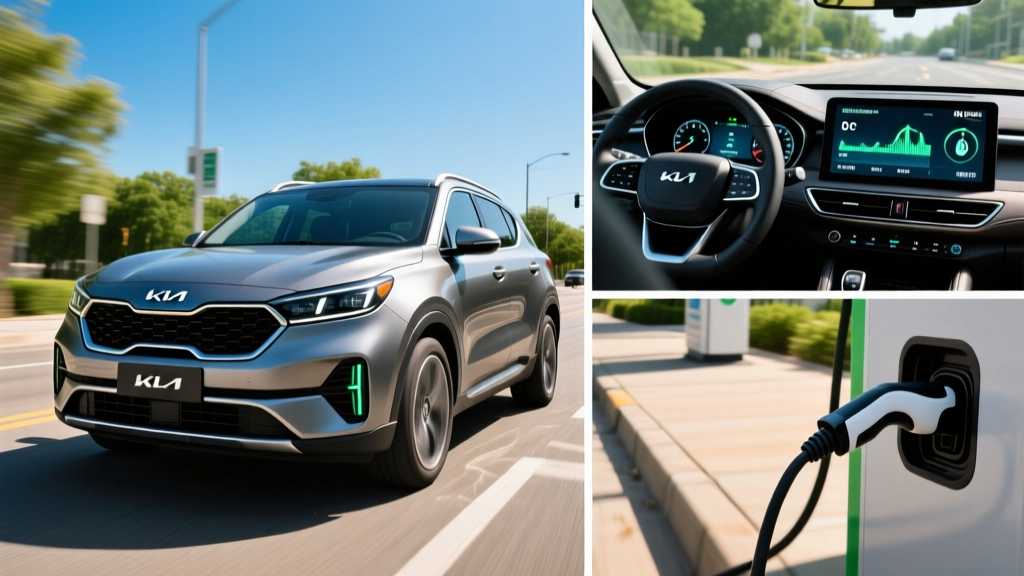
The Niro PHEV uses a standard J1772 connector for Level 1 (120V) and Level 2 (240V) charging. It does not support DC fast charging — a limitation shared by nearly all PHEVs due to battery size constraints.
| Charging Level | Power (kW) | Time to Full (0-100%) | Miles of Electric Range Added per Hour |
|---|---|---|---|
| Level 1 (120V household outlet) | ~1.4 kW | ~9 hours | ~4 miles/hr |
| Level 2 (240V home charger, 32A) | ~7.2 kW | ~2.5 hours | ~14 miles/hr |
For most PHEV owners, a Level 2 home charger is essential. The 2.5-hour charge time means you can fully replenish the battery during a workday or overnight. Charging cost is minimal: at the national average electricity rate of $0.16/kWh, a full charge costs approximately $1.78 — roughly $0.05 per electric mile.
Pricing, Trims, and Tax Credit Eligibility
| Trim | Powertrain | MSRP (2026) |
|---|---|---|
| LX | HEV | $28,490 |
| EX | HEV | $31,090 |
| SX Touring | HEV | $35,490 |
| EX | PHEV | $35,890 |
| SX | PHEV | $38,390 |
Federal Tax Credit: §30D Eligibility
The Niro PHEV may qualify for a partial or full federal tax credit under IRS §30D, but eligibility depends on several factors that change annually:
- MSRP Cap: SUVs/crossovers must have an MSRP at or below $80,000 — the Niro PHEV clears this easily.
- Buyer Income Limits: AGI must not exceed $150,000 (single), $225,000 (head of household), or $300,000 (joint filers).
- Battery Sourcing Requirements: Critical minerals and battery components must meet phased-in domestic-content thresholds. For 2026, these requirements are stringent — verify current sourcing compliance at irs.gov or with your dealer before assuming credit eligibility.
- Point-of-Sale Transfer: Eligible buyers can transfer the credit to the dealer at purchase, reducing the out-of-pocket price rather than waiting for a tax refund.
The conventional Niro HEV does not qualify for the §30D credit — it is not a plug-in vehicle. Some states offer separate hybrid incentives; check your local energy office for details.
Reliability, Battery Warranty, and Replacement Costs
Kia Hybrid Battery Warranty
Kia covers the Niro's hybrid battery pack with a 10-year/100,000-mile warranty (whichever comes first). This warranty guarantees the battery will retain sufficient capacity to operate the hybrid system. In states following California Air Resources Board (CARB) emissions standards, hybrid-related components carry a 10-year/150,000-mile warranty.
Hybrid battery degradation in the Niro has proven minimal in long-term ownership. The 1.56 kWh HEV battery and 11.1 kWh PHEV battery operate within conservative state-of-charge windows managed by the vehicle's thermal system — they rarely cycle to true 0% or 100%. Real-world reports from high-mileage Niro owners (80,000+ miles) show negligible capacity loss.
If replacement is needed outside warranty, a Niro hybrid battery pack costs approximately $2,000-$3,500 for the HEV and $4,000-$6,500 for the PHEV, including labor at a dealership. Independent hybrid shops may offer refurbished packs at lower cost. Given the 10-year warranty and the proven durability of Kia's hybrid architecture, battery replacement is unlikely for most first and second owners.
Who Should Choose the Niro Hybrid vs a Full EV or Gas Crossover?
Choose the 2026 Kia Niro Hybrid (HEV) if:
- You have no access to home or workplace charging and cannot install a Level 2 charger.
- Your budget tops out around $30,000-$35,000 and you want maximum fuel efficiency at that price.
- You drive 12,000-15,000 miles annually with a mix of city and highway — you'll save approximately $600-$900/year in fuel vs. a 28 MPG gas crossover.
- You want a compact crossover footprint with hatchback cargo versatility (22.8 cu ft behind rear seats, 63.7 cu ft folded).
Choose the Niro PHEV if:
- You can install a Level 2 charger at home and your daily commute is under 30 miles round-trip — you'll drive most days on electricity alone.
- You want EV-like daily driving costs but need gas-engine range for road trips without charging-planning anxiety.
- You qualify for the federal tax credit, bringing the effective PHEV price closer to the HEV SX Touring trim.
Choose a Full EV (like the Kia EV6 or Hyundai Ioniq 5) if:
- You have reliable home Level 2 charging and access to DC fast-charging networks for road trips.
- You want to eliminate gas station visits entirely and your annual mileage justifies the higher upfront cost.
- You prioritize instant torque, lower maintenance (no oil changes, fewer moving parts), and zero tailpipe emissions.
Stick with a Gas Crossover if:
- You drive fewer than 8,000 miles per year — the hybrid premium won't pay back in fuel savings.
- You need towing capacity beyond 1,000 lbs (the Niro is not rated for serious towing).
- All-wheel drive is essential — the Niro Hybrid is front-wheel-drive only as of the 2026 model year.
Pros and Cons
Pros
- 53 MPG combined (HEV) is among the best in the compact crossover segment
- PHEV offers 33 miles of electric-only range — enough for most daily commutes
- 10-year/100,000-mile hybrid battery warranty provides long-term peace of mind
- Competitive starting MSRP undercuts many hybrid competitors
- Practical hatchback cargo area with 63.7 cu ft max volume
- Dual-clutch transmission feels more responsive than typical hybrid CVTs
Cons
- No all-wheel-drive option — a drawback in snow-belt states
- PHEV does not support DC fast charging
- 9.5-second 0-60 time (HEV) feels leisurely on highway on-ramps
- Rear seat space is tighter than rivals like the Toyota RAV4 Hybrid
- Low-speed DCT hesitation can feel jerky in stop-and-go traffic
- PHEV battery intrudes slightly on cargo floor height
Frequently Asked Questions
How many MPG does the 2026 Kia Niro Hybrid get?
The Niro Hybrid (LX/EX trims) achieves an EPA-estimated 53 MPG city, 48 MPG highway, and 53 MPG combined. The Touring trim, with larger 18-inch wheels and additional equipment, rates at 49 MPG combined. In real-world city driving, many owners report exceeding the EPA city estimate thanks to regenerative braking. Highway MPG typically falls to 42-46 at speeds above 75 mph.
How far can the Niro PHEV go on electric only?
The EPA rates the 2026 Niro PHEV at 33 miles of electric-only range. In moderate temperatures and at speeds under 60 mph, you may see 34-36 miles. In cold weather or at highway speeds, expect 23-28 miles before the gas engine activates. Once the battery depletes, the PHEV operates as a conventional hybrid at approximately 48 MPG combined.
Hybrid vs PHEV vs EV — which fits me?
If you lack home charging access, the HEV is the clear choice — no plugging in required. If you can charge at home and commute under 30 miles daily, the PHEV lets you drive most days on cheap electricity while keeping a gas tank for longer trips. If you have home charging, access to fast-charging networks, and want to eliminate gas entirely, a full EV like the Kia EV6 offers lower running costs and stronger performance — at a higher purchase price.
Is the Kia Niro Hybrid reliable, and what does a battery replacement cost?
Kia's hybrid powertrain has demonstrated strong reliability across two Niro generations. The hybrid battery carries a 10-year/100,000-mile warranty. Out-of-warranty replacement costs approximately $2,000-$3,500 for the HEV battery and $4,000-$6,500 for the PHEV pack. Given the conservative charge management and proven track record, battery failure before 150,000 miles is uncommon.
Does the 2026 Niro Hybrid qualify for a federal tax credit?
The conventional Niro HEV does not qualify for the federal §30D clean vehicle credit — it is not a plug-in vehicle. The Niro PHEV may qualify for up to $7,500 depending on current-year battery sourcing requirements, your income level, and the vehicle's MSRP (which falls well under the $80,000 SUV cap). Verify current eligibility at irs.gov and ask your dealer about point-of-sale credit transfer. The PHEV may also qualify for state-level incentives depending on your jurisdiction.
Does the Niro Hybrid require premium fuel?
No. Both the HEV and PHEV run on regular 87-octane unleaded gasoline. Using premium fuel provides no efficiency or performance benefit.
Can I tow with the Niro Hybrid?
Kia does not rate the Niro Hybrid for towing. It is not equipped with a hitch receiver from the factory, and Kia recommends against towing. If towing capacity is a priority, consider the Kia Sportage Hybrid, which is rated for up to 2,000 lbs.