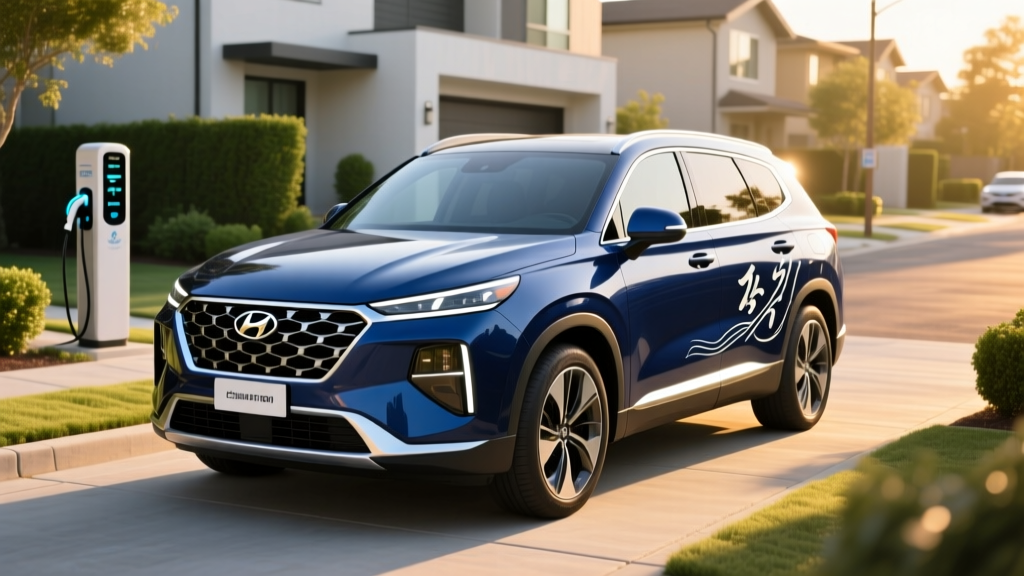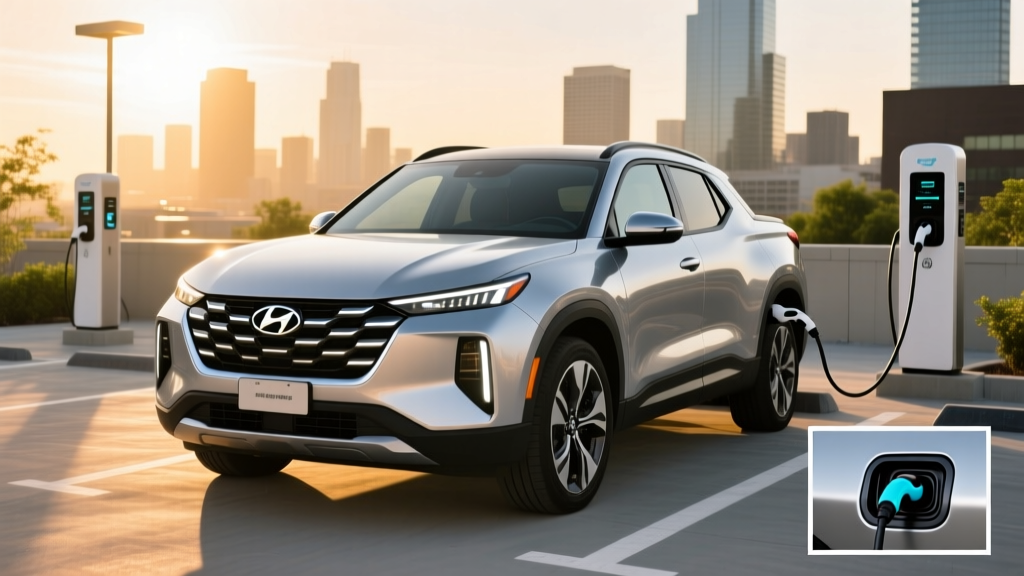
The Hyundai Santa Cruz has always occupied a curious space: a unibody compact pickup with car-like manners, crossover comfort, and a bed just big enough for weekend-warrior duty. For 2026, Hyundai adds the missing piece of the puzzle — a hybrid powertrain. The 2026 Hyundai Santa Cruz hybrid pairs a 1.6-liter turbocharged four-cylinder with an electric motor, targeting buyers who want truck versatility without the fuel-pump sting of the turbocharged 2.5L gas model.
But does a hybrid pickup make sense in a segment where towing, payload, and highway cruising dominate the use case? We've analyzed the preliminary specs, cross-referenced Hyundai's powertrain strategy across the Tucson Hybrid platform (which shares architecture), and mapped out the ownership economics. Here's everything you need to know before the 2026 Santa Cruz hybrid hits dealers.
Hybrid vs. Gas: What's Under the Hood?
Let's get the terminology straight first, because Hyundai offers both hybrid and plug-in hybrid variants across its SUV lineup, and the distinction matters for your wallet and your routine.
Conventional Hybrid (HEV) vs. Plug-In Hybrid (PHEV)
| Feature | HEV (Conventional Hybrid) | PHEV (Plug-In Hybrid) |
|---|---|---|
| Plugs in to charge? | No — charges via regen and engine | Yes — external charging required for EV mode |
| Electric-only range | Less than 1 mile at low speed | Typically 25-40 miles |
| Battery size | ~1.5 kWh | ~13-20 kWh |
| Federal tax credit | None (§30D requires plug-in) | Up to $7,500 if eligible |
| Best for | No home charging, want better MPG | Home charging, short daily commutes |
The 2026 Santa Cruz hybrid is a conventional HEV, not a PHEV. It does not plug in. The battery recharges through regenerative braking and the gasoline engine. If you're looking for electric-only commuting, you'll need to look at the Tucson PHEV or wait for Hyundai to potentially expand the PHEV powertrain to the Santa Cruz in a future model year.
The powertrain is a version of Hyundai's Smartstream 1.6L Turbo Hybrid system, also found in the Tucson Hybrid. Expect the following output:
| Specification | 2026 Santa Cruz Hybrid (Preliminary) | 2026 Santa Cruz 2.5T AWD (Gas) |
|---|---|---|
| Engine | 1.6L turbo I-4 + electric motor | 2.5L turbo I-4 |
| Combined Horsepower | ~232 hp | 281 hp |
| Combined Torque | ~271 lb-ft | 311 lb-ft |
| Transmission | 6-speed automatic | 8-speed wet DCT |
| Drivetrain | AWD (HTRAC) | AWD (HTRAC) |
| Towing Capacity | ~3,500 lbs (est.) | 5,000 lbs |
| 0-60 mph | ~7.5 sec (est.) | ~6.3 sec |
| Base MSRP | ~$31,500 (est.) | $38,000 |
The hybrid sacrifices roughly 50 horsepower and 1,500 pounds of towing capacity compared to the 2.5T. For buyers who regularly tow a boat or trailer, the gas turbo remains the better choice. For everyone else — commuters, light-duty haulers, weekend adventurers — the hybrid's efficiency gains outweigh the power deficit.
Fuel Economy: EPA MPG and Real-World Expectations
This is the headline reason to choose the hybrid. Based on the Tucson Hybrid's EPA ratings (which shares this powertrain in a similar-weight platform) and Hyundai's preliminary guidance, here's what we expect for the Santa Cruz hybrid's fuel economy once fueleconomy.gov publishes final numbers:
| Driving Cycle | 2026 Santa Cruz Hybrid (Est.) | 2026 Santa Cruz 2.5T AWD | 2026 Santa Cruz 2.5 AWD (NA) |
|---|---|---|---|
| City | 38 MPG | 19 MPG | 21 MPG |
| Highway | 34 MPG | 27 MPG | 25 MPG |
| Combined | 36 MPG | 22 MPG | 23 MPG |
The city MPG advantage is dramatic — nearly double what the 2.5T delivers in stop-and-go traffic. That's because hybrid systems shine at low speeds, where the electric motor handles launch and low-speed cruising while the engine shuts off at stops. Highway driving narrows the gap because the engine runs continuously and aerodynamic drag dominates.
Real-World MPG: What to Actually Expect
Hyundai's hybrid systems consistently meet or slightly exceed EPA city estimates in real-world driving, a pattern we've documented across the Tucson Hybrid and Sonata Hybrid. The reason: hybrids are inherently optimized for the urban duty cycle where regenerative braking recaptures energy at every stop.
However, real-world highway and cold-weather results tell a different story:
- Highway cruising (70-80 mph): Expect 30-32 MPG, roughly 3-4 MPG below the EPA highway estimate. The Santa Cruz's truck-like profile creates more aerodynamic drag than a Tucson.
- Cold weather (below 30°F): Hybrid fuel economy typically drops 10-15% in winter because the engine runs more often to provide cabin heat and because battery efficiency decreases at low temperatures. Plan on 30-32 MPG combined in cold months.
- Towing or heavy payload: If you're maxing out the hybrid's ~3,500-lb tow rating, expect MPG to drop into the low-to-mid 20s. Hybrid systems don't provide the same towing efficiency advantage they offer in city driving.
Pricing, Trims, and Tax Credit Eligibility
The 2026 Santa Cruz hybrid is expected to slot between the naturally aspirated base models and the 2.5T turbo trims in Hyundai's pricing structure. Based on the Tucson Hybrid's pricing strategy and Hyundai's current Santa Cruz lineup, here's the projected trim breakdown:
| Trim | Estimated MSRP | Key Features |
|---|---|---|
| SEL Hybrid | $31,500 | 18" wheels, 8" display, HTRAC AWD, heated front seats |
| XRT Hybrid | $35,500 | Off-road cladding, all-terrain tires, tow hitch, 10.25" nav |
| Limited Hybrid | $39,000 | Leather, ventilated seats, 360° camera, Highway Driving Assist |
Does the 2026 Santa Cruz Hybrid Qualify for a Federal Tax Credit?
No. The 2026 Santa Cruz hybrid is a conventional HEV, and the IRS §30D Clean Vehicle Credit applies only to plug-in electric vehicles (BEVs and PHEVs) with a minimum battery capacity of 7 kWh that can be recharged from an external source. Conventional hybrids, regardless of efficiency, do not qualify for the federal purchase credit.
Some states offer separate incentives for hybrid vehicles, but these are typically modest ($500-$1,000) and vary by jurisdiction. Check your state's energy office or department of environmental quality for current programs. A few states also offer reduced registration fees or HOV lane access for hybrids, though these perks are increasingly reserved for zero-emission vehicles.
The absence of a tax credit is worth factoring into your purchase math. The hybrid's fuel savings will pay back the price premium over the base 2.5L naturally aspirated model in roughly 4-5 years, depending on your mileage and local fuel prices.
Battery Warranty, Reliability, and Replacement Cost
Hybrid battery longevity remains the single biggest concern for first-time hybrid buyers. Here's what Hyundai brings to the table:
Hyundai Hybrid Battery Warranty
- Hybrid Battery: 10 years / 100,000 miles (original owner)
- Hybrid System Components: 10 years / 100,000 miles — includes inverter, electric motor, and related electronics
- Powertrain (engine + transmission): 10 years / 100,000 miles
- Transferability: Drops to 5 years / 60,000 miles for subsequent owners
Hyundai's 10-year hybrid battery warranty is among the best in the industry, matching Toyota's coverage and exceeding most competitors. The battery pack in the Santa Cruz hybrid is expected to be a lithium-ion polymer unit of approximately 1.5 kWh — small by EV standards, but proven technology that Hyundai has deployed across millions of hybrid vehicles globally.
How Long Will the Hybrid Battery Last?
Modern hybrid batteries from Hyundai and Toyota routinely last 150,000-200,000+ miles before significant degradation. Unlike EV batteries, which cycle through large portions of their capacity daily, hybrid batteries operate in a narrow state-of-charge window (typically 40-80% SoC), which dramatically reduces stress and extends cycle life. Many original Tucson and Sonata Hybrid batteries are still in service at well over 200,000 miles.
If replacement is ever needed outside warranty, a Hyundai hybrid battery pack typically costs $2,000-$4,000 including labor — far less than an EV traction battery replacement. Third-party refurbishment services are also increasingly available for $1,500-$2,500.
Overall Reliability Outlook
Hyundai's hybrid powertrains have demonstrated solid reliability in recent model years, a meaningful improvement from the brand's earlier hybrid efforts. The 1.6L turbo hybrid system is shared with the Tucson Hybrid (introduced for 2022), giving it several years of field-proven data. The 6-speed automatic transmission is a conventional torque-converter unit — simpler and more proven than the dual-clutch transmissions Hyundai has used in some other applications.
One area to monitor: the turbocharged engine adds complexity compared to Toyota's naturally aspirated hybrid setups. Turbo-related maintenance (oil quality, cooling system) should be followed rigorously per the maintenance schedule.
Who Should Buy the 2026 Santa Cruz Hybrid?
The Santa Cruz hybrid isn't for everyone, and the right choice depends on your driving patterns, towing needs, and charging situation.
Pros
- 36 MPG combined — best-in-segment efficiency for a pickup
- AWD standard with HTRAC system
- 10-year / 100,000-mile hybrid battery warranty
- No plug-in required — works with any fueling routine
- $900+/year fuel savings vs. the 2.5T turbo
- Comfortable ride and car-like handling for a pickup
Cons
- ~1,500-lb lower tow rating vs. 2.5T (3,500 vs. 5,000 lbs)
- No federal tax credit (HEV, not PHEV)
- Less power (232 hp vs. 281 hp) — noticeable when merging loaded
- Small bed (4 ft) limits full-size pickup utility
- Highway MPG advantage narrows significantly at 75+ mph
Decision Framework: Hybrid vs. Gas vs. Full EV
Choose the Santa Cruz Hybrid if: You drive 12,000+ miles/year with significant city or suburban driving, you don't tow more than 3,500 lbs regularly, and you want a pickup without the $55-70/week fuel bill of a turbocharged gas model.
Choose the Santa Cruz 2.5T Gas if: You regularly tow 4,000-5,000 lbs, you prioritize acceleration and passing power, or your driving is predominantly highway where the hybrid's efficiency advantage shrinks.
Choose a full EV (like the Ford F-150 Lightning or Rivian R1T) if: You have reliable home charging, your daily driving is under 250 miles, you want maximum torque for towing, and you're eligible for the $7,500 federal tax credit that can close the price gap.
How the Santa Cruz Hybrid Stacks Up
The compact pickup segment has limited hybrid options, which gives the Santa Cruz hybrid a near-monopoly on efficiency in its class. Here's how it compares to the closest alternatives:
| Vehicle | Combined MPG | AWD | Tow Rating | Starting MSRP |
|---|---|---|---|---|
| 2026 Hyundai Santa Cruz Hybrid | 36 (est.) | Yes | 3,500 lbs | ~$31,500 |
| 2026 Ford Maverick Hybrid | 37 | No (FWD only) | 2,000 lbs | ~$28,000 |
| 2026 Toyota Tacoma i-FORCE MAX | 23 | Yes | 6,500 lbs | ~$42,000 |
| 2026 Santa Cruz 2.5T AWD | 22 | Yes | 5,000 lbs | $38,000 |
The Ford Maverick Hybrid is the closest competitor and actually edges the Santa Cruz on combined MPG. However, the Maverick Hybrid is front-wheel-drive only with a 2,000-lb tow rating. The Santa Cruz hybrid's AWD capability and 3,500-lb tow rating make it the more versatile choice for buyers in snow-belt states or those who tow light trailers.
The Tacoma i-FORCE MAX is a hybrid in name, but Toyota's system prioritizes torque over fuel economy — it delivers just 23 MPG combined while costing $10,000+ more. It's a fundamentally different vehicle aimed at serious truck duty.
Final Verdict: Is the 2026 Santa Cruz Hybrid Worth It?
For the majority of Santa Cruz buyers — those who want an efficient, comfortable, AWD-capable pickup for daily driving with occasional light hauling — the hybrid is the trim to get. The 36 MPG combined estimate represents a 64% improvement over the 2.5T, and the $900+ annual fuel savings will offset the hybrid premium within a few ownership years.
The trade-offs are real but manageable: less towing capacity, less peak power, and no federal tax credit to sweeten the deal. If your use case involves regular heavy towing or you simply want the most powerful Santa Cruz available, the 2.5T remains the right call.
For everyone else, the 2026 Santa Cruz hybrid makes the strongest case yet that a pickup doesn't have to be a fuel-budget liability.
Frequently Asked Questions
How many MPG does the 2026 Hyundai Santa Cruz hybrid get?
The 2026 Santa Cruz hybrid is estimated to achieve 38 MPG city, 34 MPG highway, and 36 MPG combined. Real-world highway driving at 75+ mph may yield 30-32 MPG. Cold weather typically reduces combined MPG by 10-15%.
Does the Santa Cruz hybrid need to be plugged in?
No. The Santa Cruz hybrid is a conventional HEV. It charges its small battery pack through regenerative braking and the gasoline engine. You fuel it like any other gas vehicle — there is no plug, no charging cable, and no electric-only driving range to manage.
Does the 2026 Santa Cruz hybrid qualify for the $7,500 federal tax credit?
No. The IRS §30D Clean Vehicle Credit only applies to plug-in vehicles (BEVs and PHEVs). Conventional hybrids like the Santa Cruz HEV do not qualify for any federal purchase incentive. Some states may offer small hybrid rebates — check your state energy office for current programs.
How long will the Santa Cruz hybrid battery last, and what does replacement cost?
Hyundai's hybrid batteries are designed to last 150,000-200,000+ miles, backed by a 10-year / 100,000-mile warranty. If replacement is needed out of warranty, expect to pay $2,000-$4,000 for a new pack or $1,500-$2,500 for a refurbished unit. The narrow state-of-charge operating window in hybrids significantly extends battery life compared to full EVs.
Can the Santa Cruz hybrid tow as much as the gas version?
No. The hybrid's estimated tow rating is 3,500 lbs, compared to 5,000 lbs for the 2.5T AWD gas model. If you regularly tow a boat, camper, or utility trailer above 3,500 lbs, the 2.5T is the better choice. For light trailers, bike racks, and small utility loads, the hybrid handles the job well.
Is the Santa Cruz hybrid available with AWD?
Yes. All 2026 Santa Cruz hybrid trims come standard with Hyundai's HTRAC all-wheel-drive system, making it one of the few AWD hybrid pickups available. This is a key advantage over the Ford Maverick Hybrid, which is front-wheel-drive only.
Hybrid vs. PHEV vs. full EV — which pickup should I buy?
It depends on your charging access and driving pattern. The hybrid (HEV) is best if you can't charge at home and want better MPG with no routine changes. A PHEV (not currently offered in the Santa Cruz) would suit home-chargers with short commutes who want some electric-only miles. A full EV like the F-150 Lightning or Rivian R1T is ideal if you have Level 2 home charging, drive under 250 miles daily, and want maximum torque plus eligibility for the $7,500 federal tax credit.