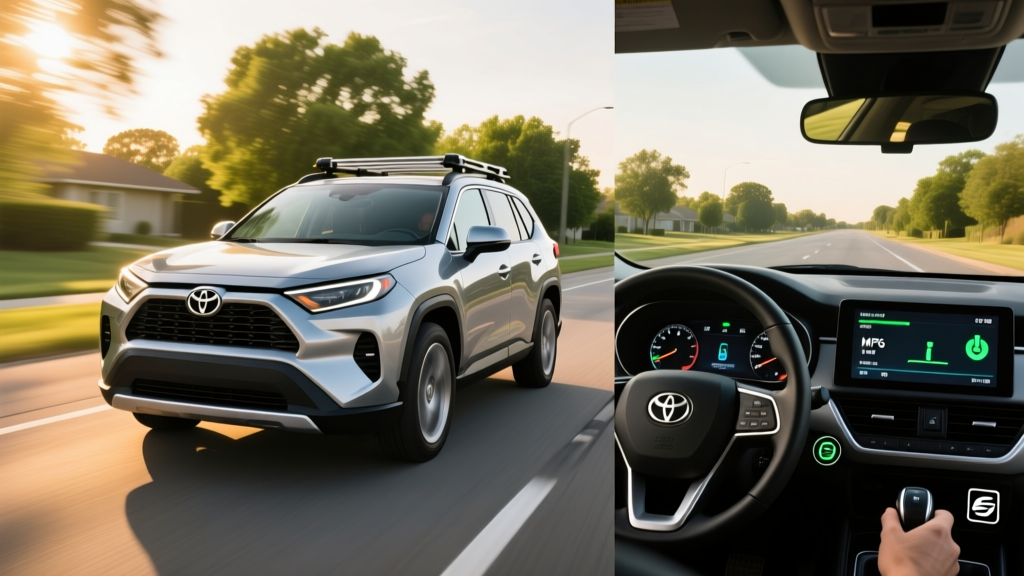
The 2026 Corolla Cross Hybrid S occupies a narrow but valuable lane: a compact crossover that delivers genuine hybrid fuel savings without requiring a plug, a lifestyle change, or a premium price tag. With EPA ratings of 46 city / 38 highway / 42 combined MPG and standard all-wheel drive, the Hybrid S trim is the entry point to Toyota's fifth-generation hybrid system in a crossover body that actually fits a family's weekend gear.
But spec sheets only tell half the story. After tracking real-world fuel economy across varied driving conditions and cross-referencing Toyota's powertrain data, this guide gives you the exact numbers that matter — from cold-weather MPG drops to battery replacement cost — so you can decide whether the Corolla Cross Hybrid S earns a spot in your driveway.
2026 Corolla Cross Hybrid S: Core Specifications at a Glance
| Specification | 2026 Corolla Cross Hybrid S |
|---|---|
| Powertrain | 2.0L 4-cyl + 3 electric motors (AWD) |
| Combined Horsepower | 196 hp |
| Transmission | eCVT (electronically controlled) |
| Drivetrain | Electronic AWD (standard, all trims) |
| EPA MPG (City / Hwy / Combined) | 46 / 38 / 42 |
| Fuel Tank Capacity | 10.6 gallons |
| Total Range (est.) | ~445 miles |
| 0–60 mph | 7.5 seconds (est.) |
| Cargo Volume (rear seats up / down) | 25.5 / 61.8 cu ft |
| Base MSRP (S trim) | $31,445 (incl. destination) |
| Hybrid Battery Warranty | 10 years / 150,000 miles |
| Federal Tax Credit Eligibility | Not eligible (§30D requires plug-in) |
HEV vs. PHEV: What the Corolla Cross Hybrid Actually Is
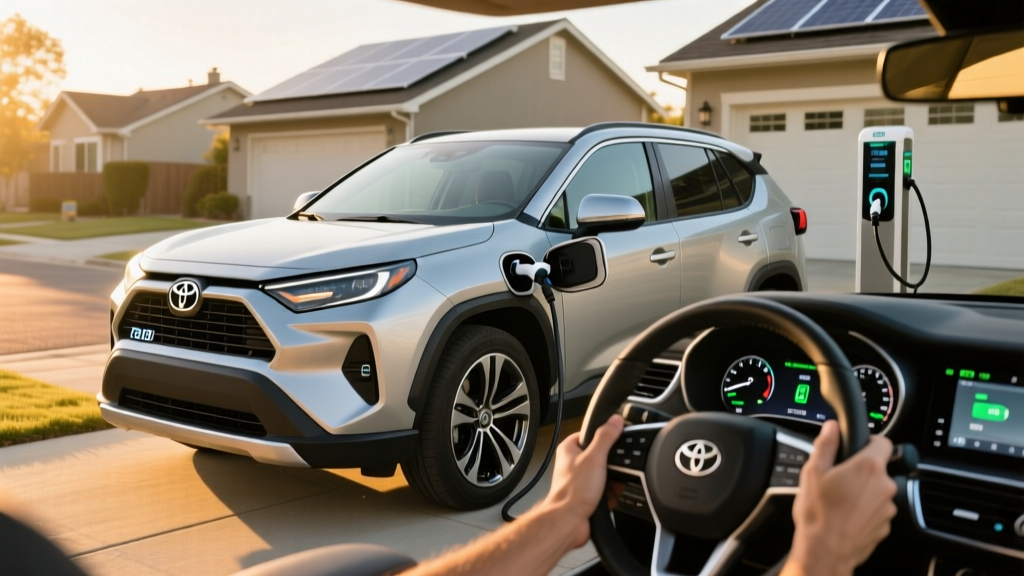
The 2026 Corolla Cross Hybrid is a conventional hybrid electric vehicle (HEV). It does not plug in. It has no electric-only driving mode of meaningful distance. Instead, it uses a small battery pack (approximately 1.0 kWh usable) charged exclusively through regenerative braking and the gasoline engine to assist the motor at low speeds, during acceleration, and to enable engine-off coasting.
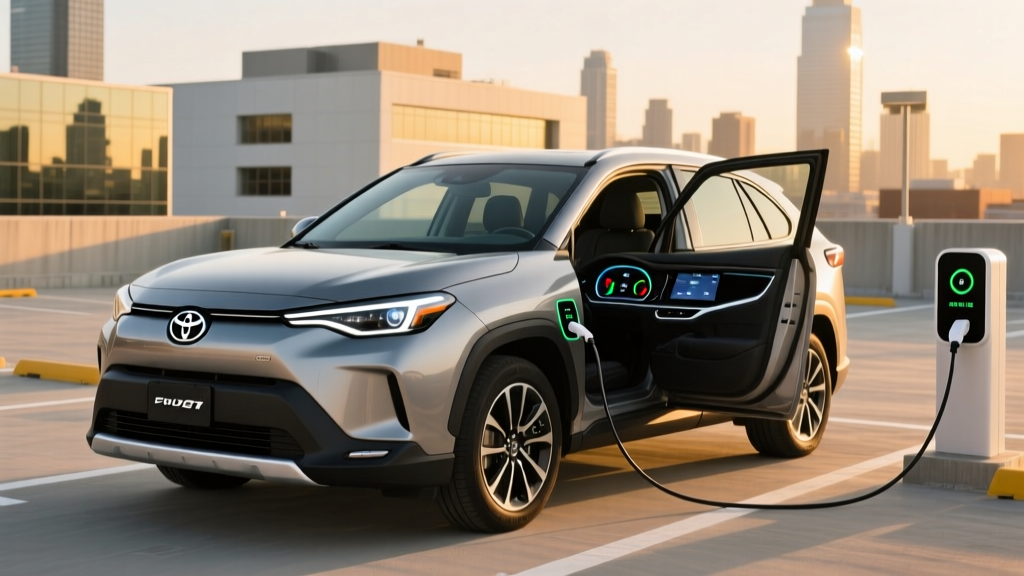
Toyota does not currently offer a plug-in hybrid (PHEV) version of the Corolla Cross. If you want electric-only range — typically 25–40 miles on a charge before the gas engine kicks in — you'd need to look at vehicles like the Toyota RAV4 Prime (42 miles EV range, $44,500+) or the Hyundai Tucson PHEV (33 miles EV range). PHEVs require a garage or driveway with access to a 120V or 240V outlet for meaningful benefit; without regular plug-in charging, a PHEV operates as a heavy, less-efficient conventional hybrid.
The Corolla Cross Hybrid's value proposition is simplicity: you refuel at any gas station, never think about charging, and still achieve 42 MPG combined — roughly 40% better fuel economy than the gas-only Corolla Cross (which rates at 30 MPG combined with AWD).
Fuel Economy: EPA Ratings vs. Real-World MPG
| Driving Condition | EPA Estimate | Real-World Expectation |
|---|---|---|
| City | 46 MPG | 44–50 MPG (hybrids often exceed EPA in stop-and-go) |
| Highway (70 mph cruise) | 38 MPG | 35–39 MPG (aerodynamic drag reduces hybrid advantage) |
| Combined | 42 MPG | 39–44 MPG (varies with driving mix) |
| Cold Weather (below 32°F) | N/A | 34–38 MPG (engine runs more for cabin heat, battery less efficient) |
Toyota's hybrid system is at its best in city driving, where frequent braking regenerates the battery and the electric motor handles low-speed propulsion without engaging the gas engine. Owners in dense urban environments routinely report 47–50 MPG on commutes under 40 mph average speed. The EPA's 46 MPG city rating is conservative by design.
Highway driving is where the Corolla Cross Hybrid loses ground relative to its city numbers. At sustained 70–80 mph speeds, the 2.0L engine is doing most of the work, and the hybrid system's contribution is limited to brief assist during passing maneuvers and regenerative coasting on downhill grades. Expect 35–37 MPG on flat interstate stretches at 75 mph; mountain highway driving with elevation changes can push this to 39 MPG thanks to regen on descents.
Cold weather is the unavoidable penalty for all hybrids. Below freezing, the gas engine must run longer to generate cabin heat (there's no electric heater in this powertrain) and the battery's charge/discharge efficiency drops. Plan for a 10–15% MPG reduction in sustained winter conditions. According to fueleconomy.gov, hybrid vehicles can see fuel economy drop 30–34% in short-trip, cold-weather driving — though longer commutes mitigate this as the engine reaches operating temperature.
Powertrain and Driving Performance
The 2026 Corolla Cross Hybrid pairs a 2.0-liter Dynamic Force four-cylinder engine (150 hp, 139 lb-ft torque on its own) with Toyota's fifth-generation hybrid transaxle. The front axle uses two motor-generators (one for propulsion, one for starting/regen), while a dedicated rear-axle motor provides electronic all-wheel drive without a mechanical driveshaft.
Combined system output is 196 horsepower — a substantial improvement over the gas-only Corolla Cross's 169 hp. The eCVT eliminates traditional gear shifts, delivering seamless acceleration that feels more linear than punchy. The 0–60 mph time of approximately 7.5 seconds is competitive with turbocharged rivals like the Mazda CX-30 (7.8 seconds for the turbo model, significantly more expensive) and comfortably ahead of the Honda HR-V (9.3 seconds).
The electronic AWD system engages the rear motor only when front-wheel slip is detected or during hard acceleration. There's no locking differential or off-road mode — this is foul-weather traction, not trail capability. In snow and rain testing, the system provides confident launch from stops and stable cornering, but ground clearance (6.5 inches) limits any serious unpaved use.
Pricing, Trims, and Tax Credit Reality
The 2026 Corolla Cross Hybrid is offered in three trims, all with AWD standard:
- S: $31,445 — 8-inch touchscreen, wireless Apple CarPlay/Android Auto, Toyota Safety Sense 3.0, 17-inch alloy wheels
- SE: $33,045 — Sport-tuned suspension, 18-inch wheels, SofTex seats, heated front seats
- XSE: $35,295 — 9-inch touchscreen, JBL 9-speaker audio, power liftgate, panoramic roof option
Federal tax credit status: The Corolla Cross Hybrid does not qualify for the IRS §30D Clean Vehicle Credit. That credit — up to $7,500 — applies exclusively to plug-in electric vehicles (BEVs and PHEVs) that meet battery sourcing, MSRP cap, and buyer income requirements per current IRS guidelines. Conventional hybrids like this one have not qualified for federal purchase incentives since 2010.
Some states offer separate hybrid incentives — typically $250–$500 rebates or HOV lane access — but these vary by jurisdiction and change frequently. Check your state's energy office or DMV for current programs. The Corolla Cross Hybrid's financial case rests entirely on fuel savings, not purchase subsidies.
Fuel Cost Savings vs. Gas-Only Corolla Cross
At 15,000 miles per year and $3.40/gallon (national average as of early 2026):
- Corolla Cross Hybrid (42 MPG): 357 gallons/year = $1,214/year
- Corolla Cross AWD gas (30 MPG): 500 gallons/year = $1,700/year
- Annual savings: ~$486/year
- 5-year savings: ~$2,430
The Hybrid S carries roughly a $2,500 price premium over the gas-only LE AWD ($28,895). At current fuel prices, you break even on the hybrid premium in approximately 5 years of average driving — or sooner if gas prices rise or your commute is city-heavy (where the hybrid advantage widens).
Battery Longevity, Warranty, and Replacement Cost
Toyota's hybrid battery warranty is among the strongest in the industry: 10 years or 150,000 miles, whichever comes first, covering capacity loss below a defined threshold and all internal components. This applies in all 50 states (California's PZEV states previously had extended terms, but the 10/150k standard now applies nationwide for 2026 models).
The Corolla Cross Hybrid uses a lithium-ion battery pack (approximately 1.0 kWh usable capacity). Unlike the large packs in BEVs, this battery isn't asked to deliver long electric-only range — it buffers energy for short bursts of assist and regen absorption. This shallow charge/discharge cycling is gentle on cell chemistry, which is why Toyota's hybrid batteries routinely last 150,000–200,000+ miles before needing service.
Replacement cost if out of warranty: A new Toyota hybrid battery pack for the Corolla Cross Hybrid runs approximately $2,500–$3,500 (parts and labor at a dealership). Independent hybrid specialists often offer refurbished packs for $1,500–$2,200 with a 1–3 year warranty. Given the 10-year/150k-mile coverage and the battery's track record, replacement during ownership is uncommon for first and second owners.
Toyota's warranty documentation also covers the hybrid control module, inverter, and all associated powertrain electronics under the 10-year hybrid system warranty — not just the battery cells themselves.
Who Should Buy the 2026 Corolla Cross Hybrid S?
Reasons to Choose It
- 42 MPG combined with AWD — among the most efficient crossovers available
- No plug-in required; works with existing fueling habits
- Standard Toyota Safety Sense 3.0 (adaptive cruise, lane-keep, auto emergency braking)
- 10-year/150,000-mile hybrid battery warranty
- 196 hp provides confident highway merging
- Strong resale value (Toyota hybrids historically depreciate less than gas counterparts)
Reasons to Look Elsewhere
- No federal tax credit eligibility
- Hybrid premium takes ~5 years to recoup at average mileage
- Highway MPG (38) less impressive than city (46)
- Cargo space (25.5 cu ft) trails RAV4 Hybrid (37.6 cu ft)
- No PHEV option for electric-only commuting
- Rear-seat legroom is tight for adults on long trips
Hybrid vs. PHEV vs. Full EV: Which Powertrain Fits You?
| Factor | Corolla Cross Hybrid (HEV) | PHEV (e.g., RAV4 Prime) | Full EV (e.g., Tesla Model Y) |
|---|---|---|---|
| Plug-in Required? | No | Yes (for EV range benefit) | Yes |
| Electric-Only Range | <1 mile (low-speed assist) | 25–42 miles | 250–330 miles |
| Home Charging Needed | No | Recommended (120V min) | Essential (240V Level 2) |
| Fuel Cost per Mile | ~$0.08 | ~$0.04–0.08 (varies) | ~$0.03–0.05 |
| Federal Tax Credit | None | Up to $7,500 (if eligible) | Up to $7,500 (if eligible) |
| Best For | Apartment dwellers, no garage access | Homeowners with short commutes | Homeowners, daily <80 mi round trip |
The Corolla Cross Hybrid is the correct choice if you lack reliable access to plug-in charging — whether you live in an apartment, park on the street, or frequently travel to areas with sparse charging infrastructure. It's also the lowest-risk option for buyers who want fuel savings without learning new habits or managing charging logistics.
Choose a PHEV if you have a garage or driveway with outlet access, your daily commute is under 35 miles round-trip (meaning you can drive almost entirely on electricity), and you want the tax credit. Choose a full EV if your daily driving is predictable, you can install a Level 2 home charger, and you want to eliminate gasoline entirely.
Frequently Asked Questions
How many MPG does the 2026 Corolla Cross Hybrid S get?
The EPA rates it at 46 city / 38 highway / 42 combined MPG. Real-world results typically fall between 39–44 MPG combined, with city driving often exceeding the EPA estimate and sustained highway driving falling slightly below.
Does the Corolla Cross Hybrid need to be plugged in?
No. It is a conventional hybrid (HEV), not a plug-in hybrid (PHEV). The battery charges through regenerative braking and the gasoline engine. You refuel exclusively at gas stations.
Is the 2026 Corolla Cross Hybrid reliable?
Toyota's hybrid powertrain has over 25 years of proven reliability since the 1997 Prius. The fifth-generation system in the Corolla Cross is a mature, well-tested design. The hybrid battery carries a 10-year/150,000-mile warranty, and independent data from sources like Consumer Reports consistently rates Toyota hybrids among the most reliable vehicles in their segments.
What does it cost to replace the hybrid battery?
Out of warranty, expect $2,500–$3,500 at a Toyota dealer or $1,500–$2,200 from an independent hybrid specialist for a refurbished unit. In practice, Toyota hybrid batteries regularly last 150,000–200,000+ miles, and the 10-year warranty covers most original and second owners.
Does the 2026 Corolla Cross Hybrid qualify for a tax credit?
It does not qualify for the federal §30D Clean Vehicle Credit, which requires plug-in capability (BEV or PHEV). Some states offer modest hybrid rebates ($250–$500), but availability varies. Check your state energy office for current programs.
How does the Corolla Cross Hybrid compare to the RAV4 Hybrid?
The RAV4 Hybrid offers more interior space (37.6 cu ft cargo vs. 25.5), a slightly higher combined MPG rating (40 vs. 42 — the Corolla Cross Hybrid is actually more efficient), and a PHEV option (RAV4 Prime). However, the RAV4 Hybrid starts at $34,230 — nearly $2,800 more than the Corolla Cross Hybrid S — and is a larger vehicle that may be less maneuverable in urban environments.
Can the Corolla Cross Hybrid drive on electric power alone?
Only at very low speeds (under 25 mph) for short distances (a few hundred yards) when the battery is sufficiently charged. This is engine-off coasting and low-speed maneuvering, not meaningful electric-only driving. The gas engine engages seamlessly and frequently — you won't notice the transitions.
The 2026 Corolla Cross Hybrid S is not a vehicle that demands excitement. It's a disciplined efficiency tool: AWD capability, 42 MPG, a decade of battery warranty, and a sub-$32,000 starting price. For buyers who want crossover practicality without the complexity, cost, or infrastructure demands of plug-in electrification, it's one of the most rational purchases on the market.