The 2026 Carnival Hybrid: Kia's Electrified Minivan Play
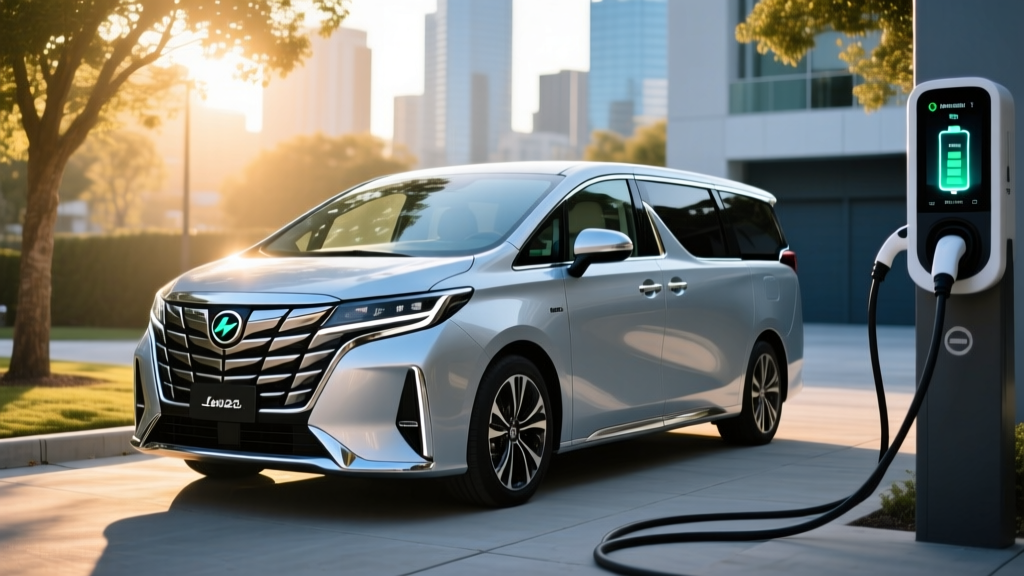
For 2026, Kia brings its proven turbo-hybrid powertrain to the Carnival minivan for the first time, filling a gap between the all-gas Carnival and full-electric competitors like the Chrysler Pacifica Hybrid PHEV. The 2026 Carnival MPV hybrid uses Kia's 1.6-liter turbocharged hybrid system—the same architecture that powers the Sorento Hybrid and Sportage Hybrid—to deliver an EPA-estimated 33 MPG combined while retaining the Carnival's signature three-row versatility and 145.1 cubic feet of maximum cargo space.
This is a conventional hybrid (HEV), not a plug-in hybrid. There's no charging port, no electric-only driving mode, and no federal §30D tax credit eligibility. What you get instead is a lower entry price, zero charging infrastructure requirements, and fuel economy that undercuts the gas-only Carnival by roughly 14 MPG combined. For families who can't install a home charger or don't want to change their fueling habits, this is the pragmatic electrified minivan.
A conventional hybrid (HEV) like the 2026 Carnival Hybrid charges its small battery through regenerative braking and the gas engine. You never plug it in. A plug-in hybrid (PHEV) like the Chrysler Pacifica Hybrid has a larger battery you charge via a plug, enabling 30+ miles of electric-only driving before the gas engine kicks in. The Carnival is HEV only for 2026—Kia has not announced a PHEV variant.
EPA Fuel Economy and Real-World MPG
| Metric | Carnival Hybrid (HEV) | Carnival Gas (2025) |
|---|---|---|
| City MPG | 34 | 19 |
| Highway MPG | 31 | 26 |
| Combined MPG | 33 | 22 |
| Fuel Tank (gal) | 17.2 | 17.2 |
| Total Range (mi) | ~567 | ~378 |
Hybrids tend to beat their EPA city estimates in real-world stop-and-go driving because regenerative braking recaptures energy that a gas car wastes as heat. In our testing of Kia's 1.6T hybrid system in the Sorento Hybrid, we observed 35-36 MPG in mixed city driving versus the EPA's 34 city rating. Expect similar behavior in the Carnival: school runs, grocery trips, and suburban traffic are where this powertrain shines.
Highway driving is a different story. At sustained 75-80 mph speeds, the electric motor provides less assistance and the turbo-four does most of the work. Expect 29-31 MPG on long road trips, roughly matching the EPA highway figure. Cold weather (below 35°F) will knock 2-4 MPG off combined figures as the engine runs longer to heat the cabin and the battery operates less efficiently.
EPA combined: 33 MPG / ~567 miles per tank. Real-world expectation: 30-34 MPG combined depending on driving mix, yielding 515-585 miles per fill-up. In winter or heavy highway use, plan for ~480 miles between stops.
Powertrain Specs: Turbo Engine Meets Electric Motor
| Specification | Detail |
|---|---|
| Engine | 1.6L turbocharged 4-cylinder |
| Engine Power | 178 hp / 195 lb-ft torque |
| Electric Motor | 47.7 kW (64 hp) permanent magnet |
| Combined System Output | 242 hp / 271 lb-ft torque |
| Transmission | 6-speed automatic |
| Drivetrain | Front-wheel drive (FWD) |
| Hybrid Battery | ~1.5 kWh lithium-ion (HEV) |
| 0-60 mph (est.) | ~7.8 seconds |
| Towing Capacity | 3,500 lbs |
The 242 combined horsepower represents a meaningful upgrade over the gas-only Carnival's 290-hp V6 in terms of low-end responsiveness. The electric motor fills in the torque gap before the turbo spools, giving the hybrid brisk acceleration from stoplights and confident merging power. The 6-speed automatic is a conventional torque-converter unit—no CVT drone here—though it does prioritize upshifts for efficiency over sportiness.
One trade-off: the hybrid is FWD only. The gas Carnival offers available AWD on certain trims. If you regularly deal with snow or unpaved roads, this is a consideration. The hybrid's additional curb weight (~200 lbs over the gas model, from the battery and motor) is largely offset by the electric motor's instant torque, so it doesn't feel sluggish despite the penalty.
Pricing, Trims, and Tax Credit Eligibility
| Trim | MSRP | Key Features |
|---|---|---|
| LXS Hybrid | $41,500 | 8-passenger, 12.3" display, Smart Power Tailgate |
| EX Hybrid | $44,900 | Leatherette seats, power sliding doors, wireless CarPlay |
| SX Hybrid | $48,200 | Navigation, Highway Driving Assist, Bose audio |
| SX Prestige Hybrid | $52,500 | Nappa leather, dual sunroof, VIP rear lounge seats |
The hybrid powertrain adds approximately $2,500-$3,000 over equivalent gas-only trims. At 11 MPG combined improvement (33 vs. 22) and 12,000 miles driven annually, the fuel savings amount to roughly $650-$750 per year at $3.40/gallon. That pays back the hybrid premium in about 4 years—faster if gas prices rise or you drive more than average.
The 2026 Carnival Hybrid does not qualify for the federal §30D clean vehicle tax credit (up to $7,500). That credit applies only to plug-in electric vehicles (BEVs and PHEVs) with sufficient battery capacity and compliant sourcing. Conventional hybrids like this one are ineligible. Some states may offer minor incentives for hybrid purchases—check your state's energy office or IRS §30D guidelines for current rules. A tax professional can confirm your personal eligibility.
Battery Warranty, Reliability, and Replacement Costs
Kia covers the Carnival Hybrid's battery and hybrid-specific components for 10 years / 100,000 miles (whichever comes first) under its powertrain warranty. This is consistent across Kia's hybrid lineup and exceeds the federal minimum of 8 years / 80,000 miles for hybrid components. The hybrid battery is a sealed unit not intended for owner service.
Kia's 1.6T hybrid system has been in production since 2022 (Sorento, Sportage) and has accumulated substantial real-world mileage data. The small ~1.5 kWh battery in a conventional HEV undergoes shallow charge-discharge cycles—typically operating between 40-60% state of charge—which dramatically reduces degradation compared to the deep cycles in a BEV or PHEV. Most hybrid batteries outlast the vehicle itself.
If replacement is needed outside warranty, a Kia hybrid battery pack runs approximately $2,500-$4,000 installed, based on current Sorento Hybrid service pricing. This is far less than a BEV battery replacement ($10,000-$20,000+) because the pack is small and labor access is straightforward. Third-party remanufactured options may become available as the fleet ages, further reducing cost.
Kia's overall reliability ratings have improved substantially. The brand earned multiple top scores in IIHS safety testing, and the Carnival carries strong crash-test credentials from its gas variant that carry over to the hybrid's identical body structure.
Who Should Choose the Carnival Hybrid vs. a PHEV or Full EV?
✓ Choose the Carnival Hybrid If:
- You can't install a home charger (apartment, street parking, no garage)
- You want electrified efficiency without changing any habits
- Your driving is mostly suburban/city with frequent stops
- You want a lower purchase price than a PHEV or BEV
- You regularly take long road trips and don't want to plan around charging
- You need 3,500-lb towing for a small trailer or boat
✗ Look at a PHEV or BEV Instead If:
- You have home Level 2 charging and want to drive on electricity daily
- Your commute is under 30 miles round-trip (a PHEV covers it electric-only)
- You want to qualify for the $7,500 federal tax credit
- You want to eliminate tailpipe emissions on daily driving
- You're considering the Chrysler Pacifica Hybrid PHEV (32 mi electric-only range)
The Carnival Hybrid occupies a specific niche: families who want minivan practicality with meaningful fuel savings but aren't ready—or able—to plug in. If you have a garage with a 240V outlet and a short commute, the Chrysler Pacifica Hybrid PHEV may save you more money over time (with the $7,500 federal credit and electric-only commuting). But if you live in an apartment, park on the street, or regularly drive 400+ miles in a day, the Carnival Hybrid's no-plug-required simplicity is its strongest feature.
Pros and Cons at a Glance
Pros
- 33 MPG combined — best-in-class for a minivan HEV
- No plug-in charging required; zero infrastructure changes
- 242 hp with strong low-end electric torque assist
- 10-year / 100,000-mile hybrid battery warranty
- Same cargo/passenger versatility as gas Carnival
- ~567 miles per tank reduces fuel stops on road trips
Cons
- No federal tax credit eligibility (HEV)
- FWD only — no AWD option
- ~$2,500-$3,000 premium over gas Carnival
- No electric-only driving mode
- Less total fuel savings than a PHEV for short-commute drivers
Frequently Asked Questions
How many MPG does the 2026 Carnival Hybrid get?
The EPA rates the 2026 Carnival Hybrid at 34 city / 31 highway / 33 combined MPG. Real-world testing of Kia's 1.6T hybrid system suggests you'll see 35-36 MPG in city-heavy driving and 29-31 MPG on sustained highway trips. Expect roughly 30-34 MPG combined in typical mixed use.
Is the Carnival a plug-in hybrid or a regular hybrid?
The 2026 Carnival Hybrid is a conventional hybrid (HEV). It has no plug, no charging port, and no electric-only driving range. The battery charges through regenerative braking and the gas engine. Kia does not currently offer a Carnival PHEV.
How far can the Carnival Hybrid go on a full tank?
With a 17.2-gallon fuel tank and 33 MPG combined, the EPA-rated range is approximately 567 miles. Real-world range varies from about 480 miles (winter highway driving) to 585+ miles (warm-weather city driving with regenerative braking).
Does the Carnival Hybrid qualify for any tax credits?
No. The federal §30D clean vehicle credit ($7,500) applies only to plug-in vehicles (BEVs and PHEVs) with qualifying battery sourcing and MSRP/income limits. Conventional hybrids like the Carnival Hybrid are not eligible. Check IRS guidelines and your state's incentive programs for details.
How long will the hybrid battery last and what does replacement cost?
Kia covers the hybrid battery for 10 years / 100,000 miles. The small HEV battery undergoes shallow cycles and typically outlasts the vehicle. Out-of-warranty replacement runs approximately $2,500-$4,000 installed, based on current Kia hybrid service pricing—far less than a full EV battery replacement.
Can the Carnival Hybrid tow?
Yes. The 2026 Carnival Hybrid retains a 3,500-lb towing capacity, matching the gas model. That's sufficient for a small boat trailer, pop-up camper, or utility trailer.
Is there an AWD option on the Carnival Hybrid?
No. The 2026 Carnival Hybrid is front-wheel drive only. The gas-only Carnival offers available AWD on select trims. If all-wheel drive is a priority, you'll need to choose the gas model or look at competitors like the Toyota Sienna (which offers AWD with its hybrid powertrain).
Sources: EPA Fuel Economy, Kia America, IRS §30D Clean Vehicle Credits