Quick Verdict: A Toyota Hybrid in Mazda Clothing
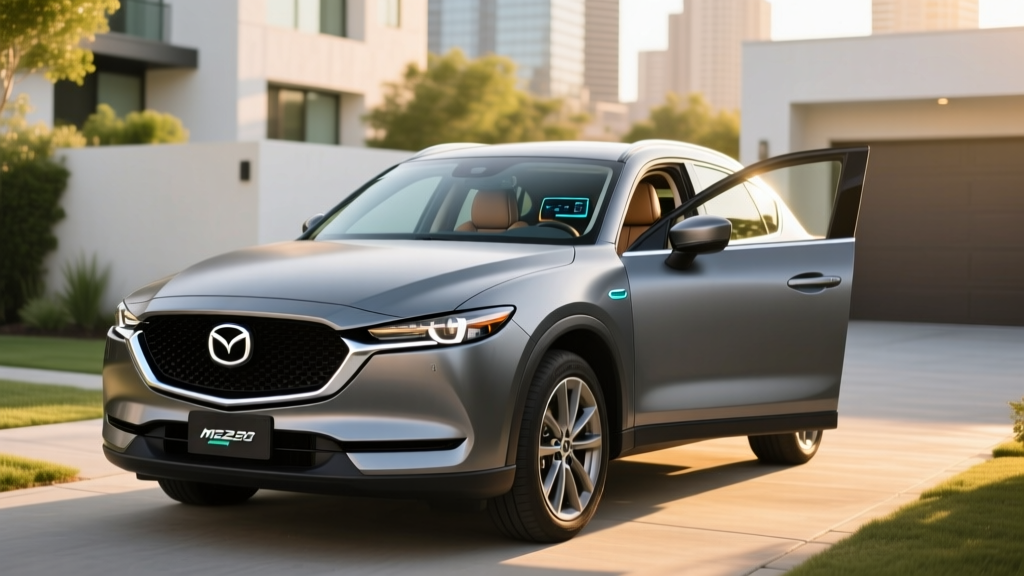
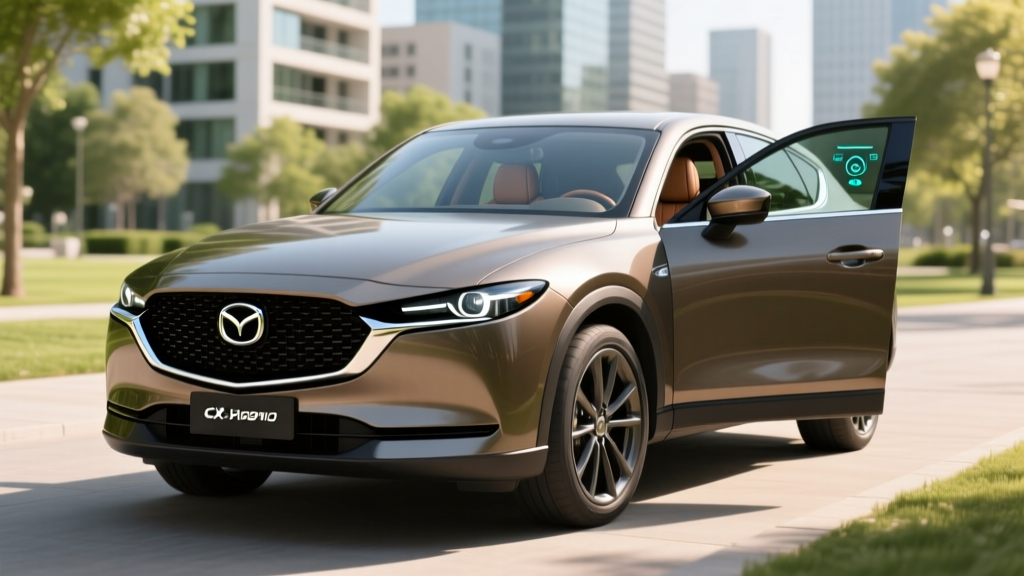
The 2025 Mazda CX-50 Hybrid pairs Mazda's premium interior and rugged styling with Toyota's proven hybrid synergy drive system. The result is a compact SUV that returns an EPA-estimated 38 MPG combined while producing 219 horsepower — figures that make it one of the most efficient and quickest non-plug-in hybrids in its class. Starting at $33,970 (including destination), it undercuts the Toyota RAV4 Hybrid on price while offering a noticeably more upscale cabin.
This is a conventional hybrid (HEV), not a plug-in hybrid (PHEV). You never plug it in. The 1.1 kWh nickel-metal hydride battery charges itself through regenerative braking and the gasoline engine. If you want electric-only driving, you'll need to look elsewhere — but if you want set-it-and-forget-it fuel savings without changing your fueling habits, the CX-50 Hybrid delivers.
| Specification | Value |
|---|---|
| Powertrain | 2.5L 4-cyl + electric motor (HEV) |
| Combined Horsepower | 219 hp |
| Battery | 1.1 kWh NiMH (self-charging) |
| EPA MPG (City / Hwy / Combined) | 39 / 37 / 38 |
| Drivetrain | AWD (standard) |
| 0-60 mph | ~7.4 seconds (est.) |
| Towing Capacity | 1,500 lbs |
| Cargo Volume (behind 2nd row) | 31.4 cu ft |
| Base MSRP (Preferred trim) | $33,970 |
| Hybrid Battery Warranty | 8 years / 100,000 miles |
HEV vs PHEV: What the CX-50 Hybrid Is (and Isn't)
Understanding the distinction matters before you shop:
| Feature | CX-50 Hybrid (HEV) | Plug-In Hybrid (PHEV) | Full EV (BEV) |
|---|---|---|---|
| Plug in to charge? | No — self-charging | Yes — plug in for electric range | Yes — must plug in |
| Electric-only range | ~1 mile at low speed | 25-40 miles typical | 200-350+ miles |
| Gas engine | Yes (primary) | Yes (backup) | No |
| Fueling | Gas station only | Gas station + outlet/charger | Charger only |
| Federal tax credit (§30D) | Not eligible | Up to $7,500 (if qualified) | Up to $7,500 (if qualified) |
The CX-50 Hybrid is strictly a conventional hybrid. There is no plug, no electric-only commute mode, and no federal tax credit. Mazda does not currently offer a CX-50 PHEV for the US market. If you need electric-only range for a short commute, consider the Toyota RAV4 Prime (PHEV, 42 miles electric-only) or a full EV like the Hyundai Ioniq 5.
Fuel Economy: EPA Numbers and Real-World MPG
| Driving Cycle | EPA Estimate |
|---|---|
| City | 39 MPG |
| Highway | 37 MPG |
| Combined | 38 MPG |
These figures come from the EPA's fueleconomy.gov database. The CX-50 Hybrid's city MPG actually exceeds its highway figure — a hallmark of Toyota's hybrid system, which relies heavily on electric motor assist at low speeds and in stop-and-go traffic where regenerative braking recaptures the most energy.
Real-World MPG Expectations
Based on owner reports and independent testing, expect the following in real-world driving:
- City / suburban commuting: 38-42 MPG. Hybrids often beat their EPA city estimate in mild weather with frequent stops that maximize regen.
- Highway cruising (70-75 mph): 33-36 MPG. Aerodynamic drag reduces the hybrid advantage at sustained high speeds.
- Cold weather (below 30°F): 32-35 MPG combined. The engine runs more frequently to heat the cabin and warm the catalytic converter, reducing electric-motor assist time.
- Mixed driving (annual average): 36-39 MPG for most owners.
Compared to the non-hybrid CX-50 with the turbo 2.5L (24 city / 30 hwy / 27 combined), the hybrid saves roughly 150-180 gallons of fuel per year at 15,000 miles — worth approximately $525-$630 annually at $3.50/gallon.
Powertrain Deep Dive: Toyota's Hybrid System, Mazda's Tuning
The CX-50 Hybrid uses Toyota's fifth-generation hybrid synergy drive, the same system found in the RAV4 Hybrid and Venza. Here's how it breaks down:
- Gasoline engine: 2.5-liter naturally aspirated 4-cylinder, 176 hp and 163 lb-ft of torque on its own
- Electric motors: Front motor (134 hp) + rear motor (54 hp) for electronic AWD
- Net system output: 219 combined horsepower
- Transmission: eCVT (planetary gearset, not a belt-driven CVT)
- Battery: 1.1 kWh nickel-metal hydride (NiMH), located under the rear seat
The eCVT is worth clarifying: unlike the rubber-belt CVTs in some competitors that can feel sluggish and droney, Toyota's planetary gearset is a mechanical power-split device with no belts or fixed gears. It's virtually bulletproof in long-term reliability. The system seamlessly blends engine and motor power, and the transition from electric to gas is well-damped — you'll hear the engine engage but won't feel a jolt.
Standard electronic AWD uses the rear electric motor to power the rear wheels when slip is detected or during hard acceleration. There's no mechanical driveshaft connecting the front and rear axles. This system is adequate for rain, light snow, and gravel roads, but it's not designed for serious off-roading. Towing capacity is limited to 1,500 pounds — significantly less than the turbo CX-50's 3,500-pound rating.
Pricing, Trims, and Tax Credit Eligibility
The 2025 CX-50 Hybrid is available in three trims:
| Trim | MSRP (incl. destination) |
|---|---|
| Preferred | $33,970 |
| Premium | $37,170 |
| Premium Plus | $40,220 |
Federal Tax Credit: Not Eligible
The CX-50 Hybrid does not qualify for the federal §30D clean vehicle tax credit. Under current IRS rules, only plug-in electric vehicles (BEVs and PHEVs with at least 7 kWh of battery capacity) are eligible. Conventional hybrids like the CX-50 Hybrid are excluded regardless of their efficiency.
Some states offer their own incentives for hybrid purchases, though these are less common than EV incentives. Check your state's energy or environmental agency website for current programs. These vary by jurisdiction and change frequently — consult official state sources for exact eligibility.
Total Cost of Ownership Context
Even without a tax credit, the CX-50 Hybrid's fuel savings add up. Over five years and 75,000 miles:
- CX-50 Hybrid (38 MPG combined): ~$6,900 in fuel at $3.50/gal
- CX-50 Turbo (27 MPG combined): ~$9,720 in fuel at $3.50/gal
- 5-year fuel savings: ~$2,820
The hybrid carries roughly a $2,000-$3,000 premium over equivalent non-hybrid trims, so fuel savings close the gap within 3-4 years for most drivers.
Battery Warranty, Reliability, and Replacement Cost
Hybrid Battery Warranty
Mazda covers the CX-50 Hybrid's battery and hybrid system components for 8 years or 100,000 miles (whichever comes first). In California and states that follow CARB emissions standards, hybrid system coverage extends to 10 years or 150,000 miles.
The warranty covers battery capacity loss that causes the battery to fail or malfunction — not gradual, minor capacity reduction that's normal over time.
Long-Term Reliability Outlook
While the CX-50 Hybrid itself is relatively new (introduced for 2025), the Toyota hybrid system it uses has been in continuous production since the 1997 Prius. The 2.5L hybrid powertrain in the RAV4 Hybrid has accumulated billions of real-world miles. Key reliability indicators:
- NiMH battery longevity: Toyota's nickel-metal hydride batteries routinely last 150,000-200,000+ miles before significant degradation. Many first-generation Prius batteries exceeded 200,000 miles on the original pack.
- eCVT durability: The planetary gearset has no wear-prone belts or clutches. Failures are exceptionally rare.
- Brake wear: Regenerative braking significantly reduces pad and rotor wear. Many hybrid owners report 60,000-80,000+ miles on original brake pads.
Battery Replacement Cost
If the hybrid battery does need replacement outside of warranty:
- OEM replacement (Mazda/Toyota dealer): $3,000-$4,500 including labor
- Refurbished/remanufactured battery: $1,500-$2,500 including labor
- Individual cell module replacement: Some independent hybrid specialists can replace only the failed modules within the battery pack for $500-$1,200
For context, the likelihood of needing a battery replacement within the first 10 years or 150,000 miles is low based on Toyota's track record. This remains one of the lowest-risk battery systems in the industry.
Who Should Buy the CX-50 Hybrid (and Who Shouldn't)
Pros
- 39 MPG city — excellent for stop-and-go commuters
- No plug-in required — zero behavior change
- 219 hp provides confident merging and passing
- Premium interior materials at a mainstream price
- Standard AWD across all trims
- Toyota hybrid reliability pedigree
- Lower starting price than RAV4 Hybrid
Cons
- No federal tax credit (conventional hybrid)
- 1,500-lb towing limit (turbo CX-50 tows 3,500 lbs)
- Less cargo space than RAV4 Hybrid (31.4 vs 37.5 cu ft)
- No electric-only driving mode
- Rear seat is snug for taller passengers
- Infotainment lacks a touchscreen (rotary dial only)
Choose the CX-50 Hybrid If:
- You commute in city or suburban traffic and want maximum MPG without plugging in
- You want AWD for inclement weather but don't need serious off-road capability
- You value a premium-feeling interior but don't want luxury-brand pricing
- You plan to own the vehicle 8-10+ years and want proven hybrid reliability
Look Elsewhere If:
- You need electric-only range for a short commute — consider a PHEV like the RAV4 Prime or a full EV
- You tow a trailer regularly — the turbo CX-50 or a body-on-frame SUV handles 3,500+ lbs
- You need maximum cargo volume — the RAV4 Hybrid offers 37.5 cu ft behind the second row
- You want the federal tax credit — only PHEVs and BEVs qualify under current §30D rules
How It Compares: CX-50 Hybrid vs Key Rivals
| 2025 Mazda CX-50 Hybrid | 2025 Toyota RAV4 Hybrid | 2025 Honda CR-V Hybrid | |
|---|---|---|---|
| Combined MPG | 38 | 39 | 37 |
| Horsepower | 219 | 219 | 204 |
| 0-60 mph (est.) | ~7.4s | ~7.4s | ~7.8s |
| Starting MSRP | $33,970 | $34,230 | $36,050 |
| Cargo (behind 2nd row) | 31.4 cu ft | 37.5 cu ft | 36.3 cu ft |
| Towing | 1,500 lbs | 1,750 lbs | 1,000 lbs |
| AWD Standard? | Yes | Yes | Yes (Sport trims) |
The CX-50 Hybrid shares its powertrain with the RAV4 Hybrid, so performance and MPG are nearly identical. The Mazda wins on starting price and interior quality; the Toyota wins on cargo space. The Honda CR-V Hybrid offers the most rear-seat legroom but trails in power and towing.
Frequently Asked Questions
How many MPG does the 2025 Mazda CX-50 Hybrid get?
The EPA rates the CX-50 Hybrid at 39 MPG city, 37 MPG highway, and 38 MPG combined. Real-world city driving often yields 38-42 MPG thanks to regenerative braking, while sustained highway driving at 75 mph typically drops to 33-36 MPG. Cold weather can reduce combined MPG to 32-35.
Does the CX-50 Hybrid need to be plugged in?
No. The CX-50 Hybrid is a conventional hybrid (HEV). Its small 1.1 kWh battery charges through regenerative braking and the gasoline engine. You fuel it at a gas station exactly like any other car — there is no plug, no charging cable, and no electric-only driving range to manage.
Does the 2025 CX-50 Hybrid qualify for any tax credit?
Not at the federal level. The IRS §30D clean vehicle credit applies only to plug-in vehicles (BEVs and PHEVs) with battery packs of at least 7 kWh. The CX-50 Hybrid's 1.1 kWh battery doesn't meet this threshold. Some states may offer their own hybrid incentives — check your state's official energy agency for current programs.
Is the CX-50 Hybrid reliable? What about the battery?
The CX-50 Hybrid uses Toyota's fifth-generation hybrid system, which has been in production since 1997 and has accumulated billions of miles across millions of vehicles. The NiMH battery and hybrid components carry an 8-year/100,000-mile warranty (10 years/150,000 miles in CARB states). Toyota NiMH batteries commonly last 150,000-200,000+ miles. Out-of-warranty replacement runs $3,000-$4,500 for an OEM pack, or $1,500-$2,500 for a refurbished unit.
How does the CX-50 Hybrid compare to a full EV?
A full EV like the Hyundai Ioniq 5 or Tesla Model Y offers lower per-mile fueling costs (roughly $0.04-$0.06/mile on home electricity vs $0.09-$0.10/mile for the CX-50 Hybrid), zero tailpipe emissions, and eligibility for the $7,500 federal tax credit. However, EVs require home charging access, involve longer refueling times on road trips, and carry higher upfront purchase prices. The CX-50 Hybrid is the right choice if you lack reliable charging access, frequently drive long distances in areas with sparse charging infrastructure, or simply don't want to change your fueling habits.
What's the difference between the CX-50 Hybrid and the regular CX-50?
The standard CX-50 uses a turbocharged 2.5L engine (256 hp on premium fuel, 227 hp on regular) paired with a conventional 6-speed automatic. It gets 24/30/27 MPG and can tow up to 3,500 lbs. The Hybrid sacrifices 37 hp and 2,000 lbs of towing capacity to gain 11 MPG combined. If you tow boats or trailers, stick with the turbo. If you commute and rarely tow, the Hybrid saves significantly at the pump.