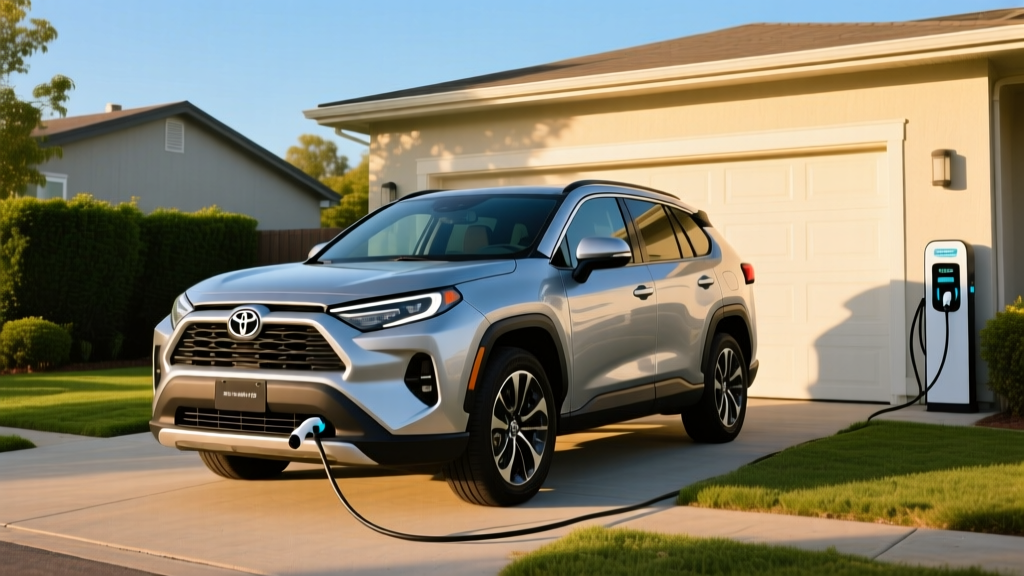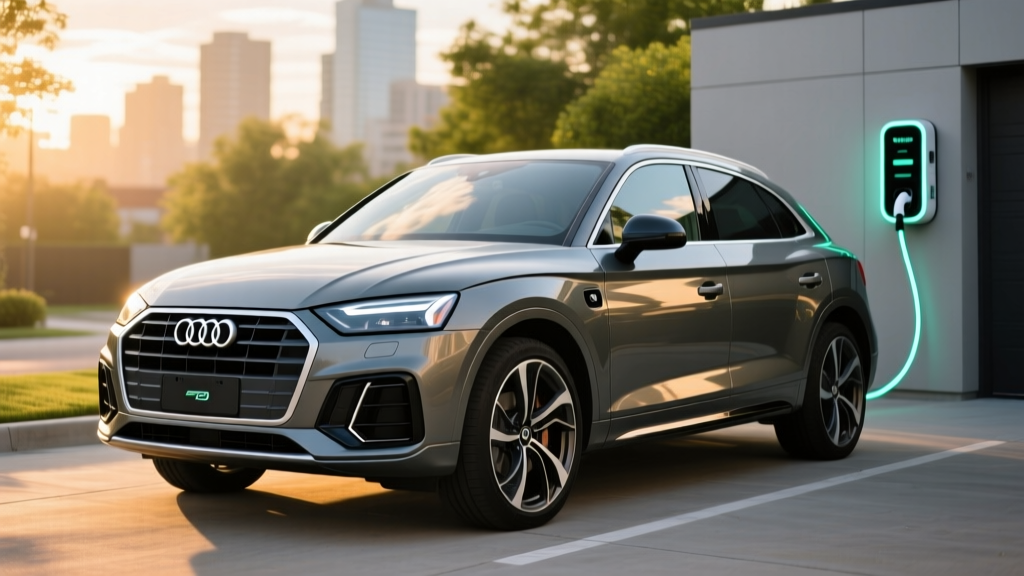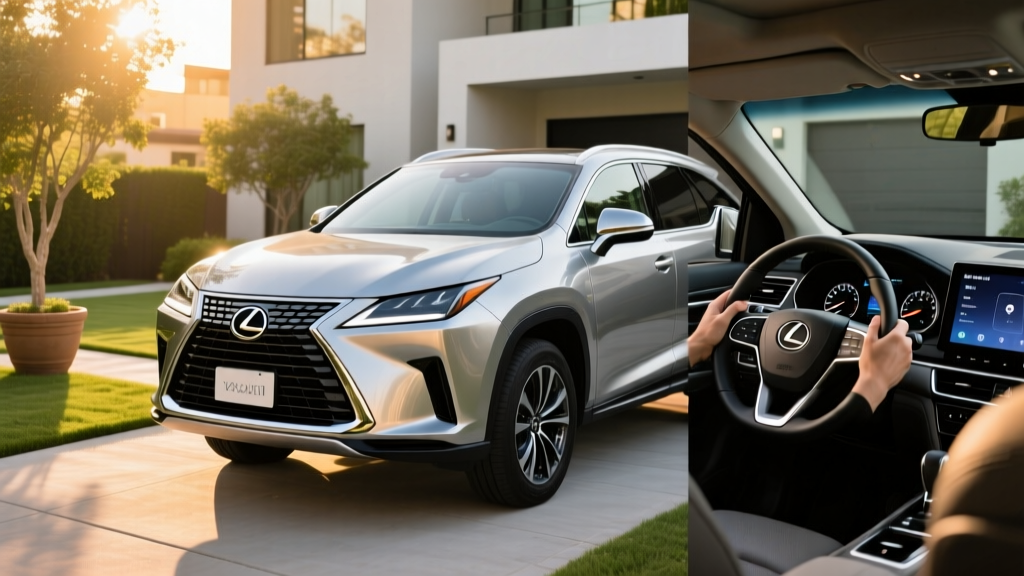
The full-size luxury SUV segment has been slow to electrify, but the 2025 Lexus TX Hybrid arrives with two distinct flavors: a conventional hybrid (TX 500h) for buyers who want better fuel economy without plugging in, and a plug-in hybrid (TX 550h+) for those ready to commute on electricity while keeping a gas engine for road trips. With three rows, up to 406 horsepower, and Lexus reliability, the TX Hybrid line targets families who aren't quite ready for a full battery-electric vehicle but want to cut fuel costs meaningfully.
This guide breaks down both powertrains with exact EPA figures, real-world expectations, pricing, tax-credit eligibility, and a clear framework for deciding whether the HEV, the PHEV, or a full EV is the right call for your household.
HEV vs PHEV: Understanding the Two TX Hybrid Powertrains
Before diving into specs, it's critical to understand that "Lexus TX Hybrid" covers two fundamentally different vehicles. Conflating them is the most common mistake shoppers make.
| Feature | TX 500h (HEV) | TX 550h+ (PHEV) |
|---|---|---|
| Type | Conventional Hybrid — no plug | Plug-in Hybrid — charges from outlet |
| Electric-only driving | Brief low-speed EV mode only | 33 miles EPA electric-only range |
| Battery size | ~1.4 kWh (small buffer) | ~18.1 kWh usable (est.) |
| Charging required? | No — regenerative braking + engine charges it | Yes — Level 2 recommended for daily EV commuting |
| Combined horsepower | 366 hp | 406 hp |
| Starting MSRP | ~$66,000 | ~$78,000 |
The TX 500h uses a turbocharged 2.4-liter four-cylinder paired with electric motors for a combined 366 hp. It never needs to be plugged in — the battery recharges through regenerative braking and the engine. Think of it as a more efficient gas SUV that drives exactly like one.
The TX 550h+ pairs a 3.5-liter V6 with a larger battery pack and more powerful electric motors, producing 406 hp. Plug it in overnight and you can drive roughly 33 miles on electricity alone before the gas engine kicks in. For many commuters, that covers the daily round trip without burning a drop of fuel.
Fuel Economy: EPA MPG and Real-World Expectations
Here's what the EPA says — and what you'll actually see on the road.
| Model | City MPG | Highway MPG | Combined MPG | MPGe (PHEV EV mode) |
|---|---|---|---|---|
| TX 500h (HEV) | 27 | 28 | 27 | N/A |
| TX 550h+ (PHEV, gas mode) | 24 | 27 | 25 | N/A |
| TX 550h+ (PHEV, EV mode) | 33 miles electric range | 65 MPGe | ||
Real-world HEV note: Lexus hybrids tend to meet or slightly exceed their EPA city estimates in stop-and-go traffic, where regenerative braking recaptures the most energy. On the highway at 75+ mph, expect the TX 500h to return closer to 25–26 MPG — aerodynamic drag and the vehicle's ~5,000-lb curb weight work against it. In mixed suburban driving, 27–28 MPG is achievable.
Real-world PHEV note: The TX 550h+'s 33-mile electric range is an EPA estimate under moderate conditions. In cold weather (below 40°F), expect that range to drop to roughly 25–28 miles as the battery's usable capacity shrinks and cabin heating draws additional power. In summer with moderate speeds, some drivers will see 35+ miles before the engine fires.
For comparison, the gas-only TX 350 returns 21 MPG combined. The TX 500h hybrid improves on that by roughly 28%, a meaningful savings over a 15,000-mile year.
Powertrain Specs: What's Under the Hood
| Specification | TX 500h F SPORT Performance | TX 550h+ Luxury |
|---|---|---|
| Engine | 2.4L turbocharged 4-cylinder | 3.5L V6 naturally aspirated |
| Combined horsepower | 366 hp | 406 hp |
| Combined torque | 406 lb-ft | 400+ lb-ft (est.) |
| Drivetrain | DIRECT4 AWD (standard) | E-Four AWD (standard) |
| Transmission | 6-speed automatic | e-CVT |
| 0–60 mph | ~5.9 seconds | ~5.7 seconds |
| Towing capacity | 5,000 lbs | 5,000 lbs |
| Seating | 6 or 7 passengers | 6 or 7 passengers |
| Cargo (behind 3rd row) | 20.1 cu ft | 20.1 cu ft |
Both powertrains come with all-wheel drive as standard. The TX 500h uses Lexus's DIRECT4 system, which can shift torque between axles using the rear electric motor. The TX 550h+ uses an E-Four system with a dedicated rear motor for electric AWD. Both handle light snow and rain confidently, though neither is designed for serious off-road use.
TX 550h+ PHEV: Electric Range, Charging, and Battery
The plug-in TX 550h+ is where the engineering gets interesting for electrified-vehicle buyers. Here's the breakdown:
- Electric-only range: 33 miles (EPA)
- Total combined range: ~420+ miles (electric + full gas tank)
- Battery capacity: ~18.1 kWh usable (lithium-ion)
- Level 1 charging (120V household outlet): ~12–14 hours for a full charge
- Level 2 charging (240V, home wallbox): ~3.5–4 hours for a full charge
- DC fast charging: Not available — the TX 550h+ does not support DCFC
The lack of DC fast charging is typical for PHEVs in this class. The battery is small enough that a Level 2 home charger replenishes it overnight, and that's the intended use case: plug in at home each evening, wake up with a full electric commute, and use the gas engine only for longer trips.
If you don't have access to Level 2 charging at home or work, the PHEV's advantage shrinks considerably. On Level 1 (a standard 120V outlet), a full charge takes over 12 hours — manageable if the car sits parked overnight, but tight if you also need to charge during short stops.
Battery & Powertrain Warranty
Lexus covers the TX Hybrid battery and hybrid system components with a 10-year/150,000-mile warranty (whichever comes first), among the best in the luxury segment. The basic vehicle warranty is 4 years/50,000 miles, and the powertrain warranty is 6 years/70,000 miles. Lexus hybrid batteries have a strong track record of lasting well beyond the warranty period — many first-generation RX hybrids are still on their original battery packs past 200,000 miles.
If replacement is ever needed out of warranty, a Lexus hybrid battery pack typically costs $3,000–$6,000 depending on the model and whether you go OEM or refurbished. The TX's newer pack will likely trend toward the higher end of that range initially.
Pricing, Trims, and Tax Credit Eligibility
The 2025 Lexus TX Hybrid lineup spans a wide price range depending on powertrain and trim:
| Trim / Model | Powertrain | Approx. MSRP |
|---|---|---|
| TX 500h Premium | HEV | $66,000 |
| TX 500h F SPORT Performance | HEV | $72,000 |
| TX 550h+ Luxury | PHEV | $78,000 |
Federal tax credit (§30D) for the TX 550h+ PHEV: The plug-in TX 550h+ may qualify for up to $7,500 under the IRS §30D Clean Vehicle Credit, but eligibility depends on several conditions that change periodically:
- MSRP cap: SUVs must be priced at or below $80,000 — the TX 550h+ base is close to this limit, so options could push it over
- Buyer income cap: Modified AGI must not exceed $300,000 (joint), $225,000 (head of household), or $150,000 (single)
- Battery sourcing: Critical minerals and battery components must meet phased-in domestic-content requirements — verify current-year compliance on irs.gov
- Point-of-sale transfer: As of 2024+, eligible buyers can transfer the credit to the dealer for an immediate price reduction at purchase
The conventional TX 500h HEV does not qualify for the federal §30D credit — that credit is reserved for plug-in vehicles (BEVs and PHEVs). Some states offer additional rebates for PHEVs; check your state's energy office for current programs.
Who Should Choose the TX Hybrid (and Who Should Look Elsewhere)
Pros
- Three-row seating with genuine adult-sized third row
- 27 MPG combined (HEV) is excellent for a 5,000-lb luxury SUV
- 33-mile electric commute possible (PHEV) without range anxiety
- 10-year/150,000-mile hybrid battery warranty
- Lexus reliability reputation and strong resale value
- 5,000-lb towing capacity across both hybrid powertrains
Cons
- TX 550h+ PHEV starts near $78K — steep entry point
- No DC fast charging on PHEV limits road-trip electric use
- HEV version doesn't qualify for federal tax credit
- Third-row cargo space (20.1 cu ft) is tight with all seats up
- PHEV electric range drops noticeably in cold weather
Decision Framework
Choose the TX 500h (HEV) if: You want better fuel economy without changing your habits. No garage outlet, no plug-in routine, no charging apps. You drive a mix of city and highway and want 27 MPG in a three-row luxury SUV with Lexus build quality. You're upgrading from a gas SUV and want the simplest path to lower fuel costs.
Choose the TX 550h+ (PHEV) if: You have Level 2 charging at home (or can install it), your daily commute is under 30 miles round-trip, and you take road trips where a pure EV would require planning. You want to drive on electricity most weekdays but need the gas engine for weekend trips to areas with sparse charging infrastructure.
Choose a full EV (e.g., Rivian R1S, Tesla Model X) if: You have reliable home charging, your daily driving is under 250 miles, you want zero tailpipe emissions, and you're ready to use public DC fast charging for road trips. A full EV has lower per-mile energy costs and less maintenance, but requires more upfront charging-infrastructure planning.
How the TX Hybrid Compares to Rivals
The TX Hybrid's competitive set is narrow — few luxury three-row SUVs offer both HEV and PHEV options. Key alternatives include:
- BMW X7 xDrive50e (PHEV): ~30 miles electric range, higher starting price, sportier driving dynamics, no conventional hybrid option
- Volvo XC90 Recharge (PHEV): ~32 miles electric range, slightly smaller third row, available in the U.S. for several years
- Mercedes-Benz GLS 580e (PHEV): Competitor in Europe, limited U.S. availability
- Toyota Grand Highlander Hybrid: Shares the TNGA-K platform, 35 MPG combined (HEV), starts ~$20K lower, but lacks Lexus luxury and the PHEV option
The TX's unique advantage is offering both a conventional hybrid and a plug-in hybrid in one model line — something no direct competitor currently matches in the U.S. market. See official EPA data at fueleconomy.gov.
Frequently Asked Questions
How many MPG does the 2025 Lexus TX Hybrid get?
The TX 500h conventional hybrid achieves 27 MPG city, 28 highway, and 27 combined per the EPA. In real-world city driving with frequent stops, some owners report 28–29 MPG thanks to aggressive regenerative braking. Highway cruising at 75+ mph tends to drop to 25–26 MPG. The gas-only TX 350 returns just 21 combined, so the hybrid saves roughly 90 gallons per year at 15,000 miles driven.
How far can the TX 550h+ go on electric power alone?
The EPA rates the TX 550h+ at 33 miles of electric-only range. In warm weather at moderate speeds, expect 33–36 miles. In winter conditions below freezing, plan for 25–28 miles. Once the battery depletes, the V6 engine takes over seamlessly and the vehicle operates as a conventional hybrid at roughly 25 MPG combined.
Is the Lexus TX Hybrid reliable? What about battery replacement cost?
Lexus consistently ranks at or near the top of J.D. Power and Consumer Reports reliability surveys, and the brand's hybrid systems have been refined over two decades since the original RX 400h. The hybrid battery is warranted for 10 years/150,000 miles. Out-of-warranty replacement for a Lexus hybrid battery typically runs $3,000–$6,000, though most packs outlast the vehicle itself based on long-term fleet data.
Does the 2025 Lexus TX Hybrid qualify for a tax credit?
The TX 550h+ plug-in hybrid may qualify for up to $7,500 under the federal §30D Clean Vehicle Credit, subject to MSRP caps (under $80,000 for SUVs), buyer income limits, and battery-sourcing requirements that change annually. Verify current eligibility on irs.gov before purchasing. The conventional TX 500h HEV does not qualify for the federal credit. Some states offer additional PHEV incentives — check your local energy office.
Do I need to plug in the TX 500h hybrid?
No. The TX 500h is a conventional (self-charging) hybrid. Its small battery recharges through regenerative braking and the gasoline engine. You fuel it like any other car — there is no plug, no charging cable, and no change to your refueling routine.
Can the TX 550h+ PHEV use DC fast chargers?
No. The TX 550h+ supports Level 1 (120V) and Level 2 (240V) AC charging only. There is no DC fast-charge port. This is standard for most PHEVs — the battery is small enough that Level 2 fully replenishes it in under 4 hours, which covers overnight home charging needs.
For the latest safety ratings and crash-test data, check NHTSA and IIHS as results become available for the 2025 model year.