Quick Verdict: A Luxury PHEV That Prioritizes Refinement Over Efficiency
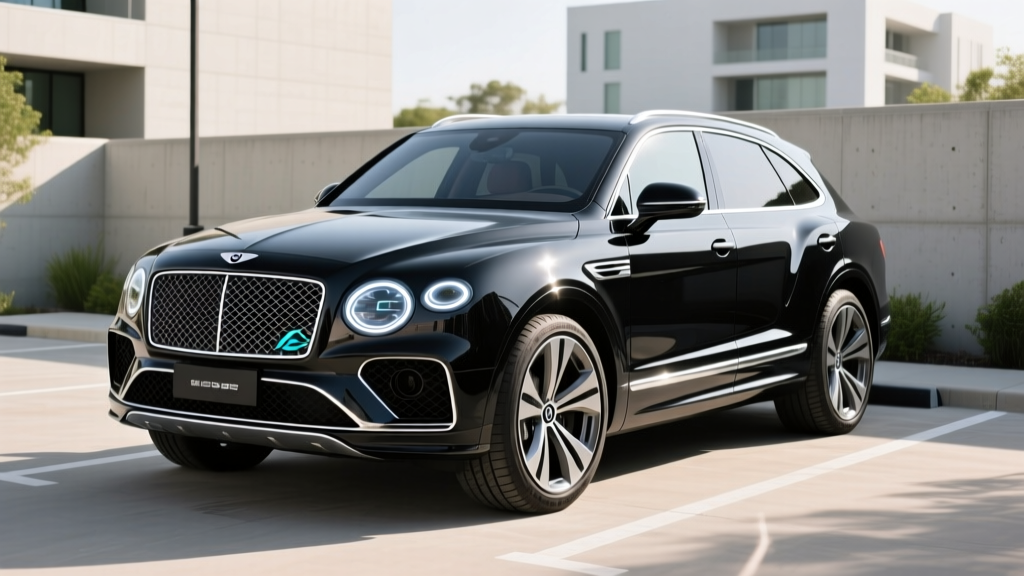
The 2025 Bentley Bentayga Hybrid pairs a 3.0-liter V6 with an electric motor for 456 combined horsepower, delivering the silent, torque-rich acceleration Bentley buyers expect — while offering a modest 18 miles of electric-only range for short commutes. Starting at $209,600, this is a plug-in hybrid (PHEV) designed for luxury first, efficiency second. It's the right choice if you want electrified refinement without range anxiety, but buyers seeking maximum electric miles or federal tax credits should look elsewhere.
| Spec | 2025 Bentayga Hybrid |
|---|---|
| Powertrain | 3.0L V6 turbo + electric motor |
| Combined Horsepower | 456 HP |
| Combined Torque | 516 lb-ft |
| Battery Capacity | 18.0 kWh (usable ~15.3 kWh) |
| Electric-Only Range (EPA) | 18 miles |
| Total Combined Range | ~430 miles |
| EPA MPG (gas only) | 21 combined (19 city / 24 highway) |
| MPGe (electric + gas) | 47 MPGe |
| 0-60 mph | 5.3 seconds |
| Level 2 Charge Time (0-100%) | ~2.5 hours (7.2 kW onboard) |
| DC Fast Charging | Not available |
| Base MSRP | $209,600 |
| Federal Tax Credit (§30D) | Not eligible |
| Battery Warranty | 8 years / 100,000 miles |
HEV vs PHEV: Understanding What the Bentayga Hybrid Actually Is
The Bentayga Hybrid is a plug-in hybrid electric vehicle (PHEV), not a conventional hybrid (HEV). The distinction matters for daily driving and ownership costs:
| Feature | Conventional Hybrid (HEV) | Plug-In Hybrid (PHEV) |
|---|---|---|
| Plug-in Charging | No — charges via regenerative braking and engine | Yes — plug in for electric-only miles |
| Battery Size | Small (~1-2 kWh) | Larger (15-25 kWh typical) |
| Electric-Only Range | 0-2 miles at low speed | 18-40+ miles depending on model |
| Gas Engine | Always available, seamlessly assists | Available when battery depletes or under heavy load |
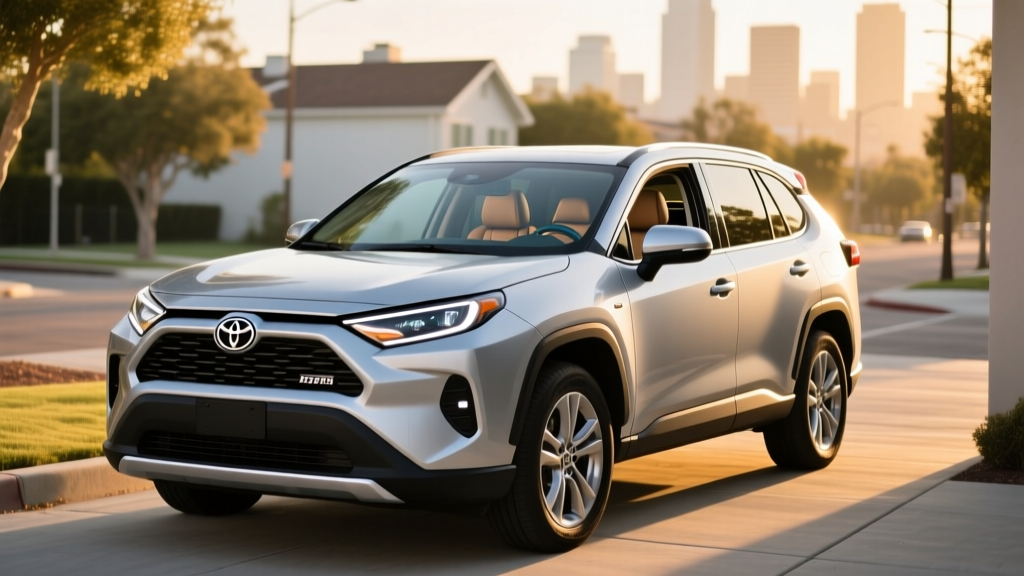
| Example | Toyota RAV4 Hybrid | Bentley Bentayga Hybrid |
With the Bentayga PHEV, you can plug in at home (Level 2, 240V) and wake up to 18 miles of pure electric range — enough for school drop-offs, grocery runs, or a short commute without burning fuel. Once the battery depletes, the V6 engine takes over seamlessly, and you drive it like any other luxury SUV with a conventional automatic transmission. You never need to plug in if you don't want to; the gas engine covers all driving needs. But plugging in unlocks the efficiency and refinement benefits.
Fuel Economy: EPA Numbers and Real-World Expectations
According to fueleconomy.gov, the 2025 Bentayga Hybrid posts the following EPA figures:
| Driving Mode | EPA Rating |
|---|---|
| Combined (gas only, battery depleted) | 21 MPG |
| City (gas only) | 19 MPG |
| Highway (gas only) | 24 MPG |
| Combined MPGe (electric + gas) | 47 MPGe |
Real-world MPG vs. EPA: PHEVs are highly dependent on how often you plug in. If you charge nightly and your commute is under 18 miles round-trip, you may burn almost no gasoline for weeks, effectively achieving 100+ MPGe. Conversely, if you rarely plug in and drive primarily on highways, expect the gas-only 21 MPG combined — or slightly less in real-world highway cruising at 75+ mph, where aerodynamic drag and the 5,500-pound curb weight work against efficiency. Cold weather (below 40°F) will also reduce electric-only range by roughly 20-30%, shrinking those 18 EPA miles to 12-14 in winter conditions.
For context, the non-hybrid Bentayga V8 rates at 17 MPG combined. The hybrid's 21 MPG combined (gas-only) represents a meaningful improvement, but the real benefit is silent electric motoring around town — not highway efficiency.
Electric-Only Range and Charging: What to Expect
The Bentayga Hybrid's 18.0 kWh battery pack (approximately 15.3 kWh usable, as Bentley reserves a buffer to protect battery longevity) delivers an EPA-rated 18 miles of electric-only driving. In real-world conditions:
- Ideal conditions (55-65°F, city driving under 45 mph): Expect 18-20 miles before the engine engages.
- Highway driving (70 mph): Electric range drops to roughly 12-14 miles due to higher energy consumption at speed.
- Cold weather (30°F or below): Expect 12-14 miles as the battery's chemical reactions slow and cabin heating draws energy.
The total combined range (electric + full 21.1-gallon gas tank) is approximately 430 miles, eliminating range anxiety entirely.
Charging the battery: The Bentayga Hybrid includes a 7.2 kW onboard charger for Level 2 (240V) charging. A full 0-100% charge takes approximately 2.5 hours using a Level 2 home charger or public station. There is no DC fast charging capability — this is typical for PHEVs, whose smaller batteries don't require or support 50+ kW charging speeds. A standard 120V household outlet (Level 1) will fully charge the battery in roughly 7-8 hours, making overnight charging viable even without a dedicated Level 2 installation.
Powertrain: 456 HP of Electrified Luxury
The Bentayga Hybrid's powertrain combines a turbocharged 3.0-liter V6 engine (335 HP, 332 lb-ft) with an electric motor integrated into the transmission (126 HP, 295 lb-ft). Combined output is 456 horsepower and 516 lb-ft of torque, routed through an 8-speed automatic to all four wheels.
The 0-60 mph sprint takes 5.3 seconds — brisk for a 5,500-pound luxury SUV. More importantly for Bentley buyers, the electric motor delivers instant torque at low speeds, making the Bentayga Hybrid feel effortless and silent in city driving. The engine only fires when you demand heavy acceleration or when the battery is depleted, and the transition is remarkably smooth. Bentley's engineering prioritizes refinement over sportiness, and the PHEV powertrain serves that goal well.
Multiple drive modes let you manage the powertrain behavior: EV Drive forces electric-only operation (up to 18 miles), Hybrid mode balances electric and gas for optimal efficiency, and Hold mode preserves battery charge for later use (useful if you're driving on the highway and want to save electric miles for city traffic at your destination).
Pricing, Tax Credits, and Ownership Costs
The 2025 Bentley Bentayga Hybrid starts at $209,600 MSRP, including destination. Well-equipped examples with Bentley's extensive options catalog (Naim audio, Mulliner interior trim, rear-seat entertainment) routinely exceed $240,000.
Federal tax credit eligibility: The Bentayga Hybrid does not qualify for the federal §30D clean vehicle tax credit (up to $7,500). Under current IRS rules, the credit is subject to MSRP caps ($80,000 for SUVs), buyer income limits, and battery component/critical mineral sourcing requirements. The Bentayga exceeds the MSRP cap by a wide margin, making it ineligible regardless of other factors. Buyers should not factor any federal tax credit into their purchase decision for this vehicle.
State incentives: Some states offer additional PHEV rebates or HOV lane access, but these typically also have MSRP caps. Check your state's energy or DMV website for specifics — eligibility varies widely by jurisdiction.
5-year ownership cost estimate: Bentley does not publish maintenance schedules publicly, but expect annual service visits to run $1,500-$3,000+ at a dealership. Insurance premiums for a $210,000 SUV will be substantial — budget $4,000-$7,000 annually depending on your profile and coverage. Fuel costs depend heavily on your plug-in habits; a driver who charges nightly and commutes 15 miles may spend under $1,500/year on gasoline, while someone who never plugs in and drives 15,000 miles annually will spend roughly $3,000-$3,500 at current fuel prices.
Battery Warranty, Reliability, and Replacement Cost
Battery Warranty: Bentley covers the high-voltage battery for 8 years or 100,000 miles (whichever comes first), with a capacity retention threshold typically around 70% of original capacity. If the battery degrades below this threshold within the warranty period, Bentley will repair or replace it at no cost.
Reliability: Bentley as a brand has historically scored below average in reliability surveys from Consumer Reports and J.D. Power, though this reflects the complexity of hand-built luxury vehicles and small sample sizes rather than systemic powertrain failures. The V6 PHEV powertrain itself shares architecture with other Volkswagen Group vehicles (Porsche Cayenne E-Hybrid, Audi Q8 TFSI e), which have demonstrated reasonable durability. The hybrid battery uses proven lithium-ion chemistry and should last the life of the vehicle under normal use.
Battery replacement cost: If the high-voltage battery requires replacement out of warranty, expect costs in the range of $15,000-$25,000 including parts and labor at a Bentley dealership. This is a worst-case scenario; lithium-ion PHEV batteries rarely fail catastrophically and more commonly experience gradual capacity loss over 10-15 years. Many owners will sell or trade the vehicle before facing this expense.
Who Should Choose the Bentayga Hybrid vs. a Full EV or Gas Car?
Choose the Bentayga Hybrid (PHEV) if:
- You want a luxury SUV with silent electric motoring for short daily drives but need gas-engine range for long road trips.
- You have access to Level 2 charging at home (garage or driveway) to maximize the 18-mile electric range.
- You value Bentley's interior craftsmanship and brand prestige over cutting-edge EV technology.
- You want to reduce fuel consumption and emissions without committing to a full EV.
Choose a full EV (e.g., Tesla Model X, Rivian R1S, BMW iX) if:
- You want 250-350+ miles of range and zero gasoline use.
- You have reliable home and/or workplace charging and access to DC fast charging for road trips.
- You want lower running costs (electricity is cheaper than gasoline per mile) and minimal maintenance (no oil changes, fewer moving parts).
- You want to qualify for the $7,500 federal tax credit (subject to income and sourcing rules).
Choose the gas-only Bentayga V8 if:
- You don't have access to plug-in charging at home or work.
- You prioritize the V8's sound and acceleration character over efficiency.
- You want to avoid the added weight and complexity of a hybrid powertrain.
Pros
- Silent, torque-rich electric driving for short commutes
- 456 HP with seamless engine/motor transitions
- No range anxiety — gas engine covers long trips
- Bentley's exceptional interior quality and ride comfort
- Lower fuel costs if you plug in regularly
Cons
- Only 18 miles of electric range — less than most PHEV rivals
- $209,600 starting price; no federal tax credit
- No DC fast charging capability
- Below-average brand reliability ratings
- Heavy curb weight (5,500 lbs) limits efficiency
Frequently Asked Questions
How many MPG does the 2025 Bentley Bentayga Hybrid get?
The Bentayga Hybrid achieves an EPA-rated 21 MPG combined (19 city / 24 highway) when operating on gasoline alone with a depleted battery. When factoring in electric-only driving, it rates at 47 MPGe combined. Real-world MPG depends heavily on how often you plug in — drivers who charge nightly and commute under 18 miles may use almost no gasoline for weeks.
How far can the Bentayga Hybrid go on electric only?
The EPA rates the Bentayga Hybrid at 18 miles of electric-only range. In real-world conditions, expect 18-20 miles in mild city driving, 12-14 miles on the highway, and 12-14 miles in cold weather (below 40°F). Once the battery depletes, the gas engine engages seamlessly.
Does the Bentayga Hybrid qualify for a federal tax credit?
No. The Bentayga Hybrid's $209,600 MSRP far exceeds the $80,000 SUV cap for the federal §30D clean vehicle tax credit. It is not eligible for any federal purchase incentive. Some states may offer separate incentives, but these also typically have MSRP caps. Consult a tax professional and your state's energy office for specifics.
Is the Bentayga Hybrid reliable, and what does battery replacement cost?
Bentley as a brand scores below average in reliability surveys, though this reflects the complexity of luxury vehicles and small sample sizes. The PHEV powertrain shares architecture with other Volkswagen Group vehicles that have demonstrated reasonable durability. The high-voltage battery is warrantied for 8 years / 100,000 miles. Out-of-warranty battery replacement would cost an estimated $15,000-$25,000, though catastrophic battery failure is rare.
Hybrid vs. PHEV vs. full EV — which is right for me?
A conventional hybrid (HEV) requires no plug-in charging and improves fuel economy modestly — ideal if you lack charging access. A plug-in hybrid (PHEV) like the Bentayga offers 18-40 miles of electric range when plugged in, plus a gas engine for long trips — ideal if you can charge at home but need flexibility. A full EV offers 250-350+ miles of electric range, lower running costs, and zero tailpipe emissions — ideal if you have reliable charging and want to eliminate gasoline entirely. The Bentayga Hybrid is a PHEV: plug in for electric miles, or just drive it on gas.
How long does it take to charge the Bentayga Hybrid?
Using a Level 2 (240V) charger at 7.2 kW, the Bentayga Hybrid's battery charges from 0-100% in approximately 2.5 hours. Using a standard 120V household outlet (Level 1), a full charge takes roughly 7-8 hours. The vehicle does not support DC fast charging, which is typical for PHEVs with smaller battery packs.