The Hybrid 4Runner We've Been Waiting For
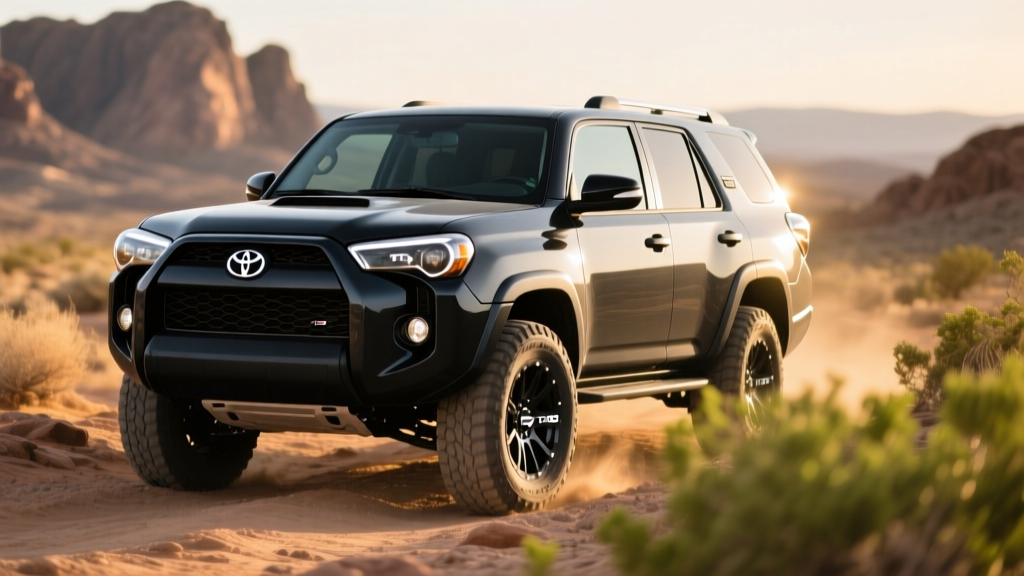
For over a decade, the Toyota 4Runner held a stubborn distinction: it was one of the last mainstream SUVs sold in America without any form of electrification. The 2025 model year changes that. The redesigned sixth-generation 4Runner debuts Toyota's i-FORCE MAX hybrid powertrain across several trims — including the enthusiast-favorite TRD Off-Road. This isn't a plug-in hybrid, and it isn't designed to maximize fuel economy above all else. It's a turbocharged, torque-heavy conventional hybrid built to preserve the 4Runner's rugged identity while shaving fuel costs and adding low-speed electric assist for crawling.
Here's everything you need to know about the 2025 Toyota 4Runner Hybrid TRD Off-Road: what the hybrid system actually does, real-world MPG expectations, powertrain specs, pricing, and whether this is the right electrified SUV for your use case.
HEV vs. PHEV: What the 4Runner Hybrid Actually Is
Before digging into the numbers, it's essential to distinguish what the 4Runner Hybrid is and is not. The i-FORCE MAX is a conventional hybrid (HEV), not a plug-in hybrid (PHEV).
| Feature | 4Runner Hybrid (HEV) | Plug-In Hybrid (PHEV) |
|---|---|---|
| Plug in to charge? | No — charges via regenerative braking and engine | Yes — has a larger battery charged externally |
| Electric-only range | None (EV assist only at low speeds) | Typically 20–40 miles |
| Battery size | ~1.87 kWh (sealed NiMH pack) | Usually 12–20+ kWh lithium-ion |
| Federal EV tax credit (§30D) | Not eligible | May qualify (up to $7,500) |
| Primary benefit | More torque, modest MPG gains | Electric commuting + gas backup |
Toyota chose a small hybrid battery and a powerful electric motor sandwiched between the engine and transmission. The goal isn't electric-only driving — it's torque fill, regenerative braking recovery, and a slight efficiency bump over the non-hybrid turbocharged 4Runner.
i-FORCE MAX Powertrain: Specs and Performance
The i-FORCE MAX pairs a 2.4-liter turbocharged inline-four engine with a 48-hp electric motor integrated into the bell housing of the 8-speed automatic transmission. The combined output is substantial, particularly for an off-road-oriented body-on-frame SUV.
| Engine | 2.4L turbocharged I-4 |
| Electric Motor | 48 hp / 184 lb-ft (integrated in transmission) |
| Combined Horsepower | 326 hp |
| Combined Torque | 465 lb-ft |
| Transmission | 8-speed automatic |
| Drivetrain | 4WD with multi-terrain select, crawl control |
| Hybrid Battery | ~1.87 kWh, sealed NiMH |
| 0–60 mph (est.) | ~6.5 seconds |
| Max Towing Capacity | 6,000 lbs |
| Ground Clearance (TRD Off-Road) | 9.0 inches |
For context, the non-hybrid 2.4L turbo 4Runner produces 278 hp and 317 lb-ft of torque. The hybrid system adds 48 hp and a massive 148 lb-ft of torque, with peak torque available from just 1,700 RPM thanks to the electric motor's instant delivery. That low-end torque is the real off-road story: crawl control and rock-crawling benefit from smooth, immediate electric assist without turbo lag.
Fuel Economy: EPA MPG and Real-World Expectations
The headline question for any hybrid buyer: how many MPG does it actually get? The 2025 4Runner Hybrid TRD Off-Road carries EPA estimates that represent a meaningful improvement over the outgoing V6 4Runner, though not a Prius-level transformation.
| Driving Cycle | EPA Estimate |
|---|---|
| City | 23 MPG |
| Highway | 24 MPG |
| Combined | 23 MPG |
For comparison, the previous-generation 4Runner 4WD with the 4.0L V6 was rated at 16 city / 19 highway / 17 combined. That's a roughly 35% improvement in combined driving — significant when you're filling a 23-gallon tank.
Real-World MPG: What to Expect
Conventional hybrids like the i-FORCE MAX typically perform close to or slightly above their EPA city rating in stop-and-go traffic, where regenerative braking and electric assist do the most work. Highway driving is where body-on-frame aerodynamics work against the 4Runner.
- City / suburban driving: Expect 22–25 MPG. Short trips with frequent stops maximize regen benefit.
- Highway cruising (70–75 mph): Expect 21–23 MPG. The boxy shape and all-terrain tires on the TRD Off-Road create significant drag.
- Off-road / low-range crawling: MPG drops to single digits, but fuel consumption is irrelevant at 3–5 mph over rocks. The hybrid's torque delivery shines here.
- Towing (loaded trailer): Expect 14–17 MPG depending on trailer weight and terrain. The hybrid's extra torque reduces downshifts under load.
At 23 MPG combined, the 4Runner Hybrid's 23-gallon fuel tank yields a theoretical range of about 529 miles. In mixed real-world driving, plan for roughly 450–490 miles between fill-ups.
Pricing and Tax Credit Eligibility
The TRD Off-Road with the i-FORCE MAX hybrid powertrain sits in the middle of the 4Runner lineup. Pricing reflects its premium over the non-hybrid SR5 while undercutting the top-tier TRD Pro and Limited trims.
| Trim | Estimated MSRP |
|---|---|
| TRD Off-Road (i-FORCE MAX Hybrid) | ~$52,000 |
| TRD Off-Road Premium (Hybrid) | ~$55,500 |
Final MSRP figures should be confirmed with Toyota's official pricing release and your dealer. Destination charges add approximately $1,495.
Federal Tax Credit Status
The 2025 Toyota 4Runner Hybrid does not qualify for the IRS §30D Clean Vehicle Credit. That credit applies only to plug-in electric vehicles (BEVs and PHEVs) meeting battery sourcing, MSRP cap, and buyer income requirements. Because the i-FORCE MAX is a conventional hybrid with no plug-in capability, it falls outside §30D eligibility.
Some states offer rebates or incentives for conventional hybrids, though these are increasingly rare as state programs shift focus to plug-in vehicles. Check your state energy office or Alternative Fuels Data Center for current local incentives.
Battery Warranty, Reliability, and Replacement Cost
Hybrid battery longevity is the single most common concern among first-time hybrid buyers — and it's a fair one given the replacement cost. Toyota has built its hybrid reputation on two decades of proven durability, and the 4Runner's warranty reflects that confidence.
Hybrid Battery Warranty
- Coverage: 10 years / 150,000 miles (whichever comes first)
- What's covered: Hybrid battery pack, hybrid control module, and related hybrid system components
- Transferable: Yes — warranty follows the vehicle to subsequent owners
- Powertrain warranty: 5 years / 60,000 miles
Expected Battery Lifespan
Toyota's sealed NiMH hybrid batteries — the same chemistry used in the Prius, Camry Hybrid, and RAV4 Hybrid — have demonstrated exceptional longevity in real-world service. Many Toyota hybrids have surpassed 200,000 miles on their original hybrid battery. The relatively small 1.87 kWh pack in the 4Runner operates within a narrow state-of-charge window (never fully charged, never fully depleted), which minimizes degradation stress.
Based on Toyota's track record with similar NiMH hybrid systems:
- Expected lifespan: 150,000–250,000+ miles under normal use
- Replacement cost (if needed out of warranty): Approximately $2,500–$4,500 for the hybrid battery pack, plus labor
- Individual module replacement: Some independent hybrid specialists can replace failed modules within the pack for $500–$1,500
The 4Runner's overall reliability outlook is strong. Toyota's body-on-frame trucks (Tacoma, Tundra, Sequoia) consistently rank among the longest-lasting vehicles in IIHS and J.D. Power durability studies. The i-FORCE MAX system shares architecture with the Tundra and Sequoia hybrids, which have been in service since 2022.
Who Should Choose the 4Runner Hybrid TRD Off-Road?
The 4Runner Hybrid TRD Off-Road occupies a specific niche. It's not the most fuel-efficient hybrid SUV available, and it's not a pure off-road competition vehicle. It's a daily-drivable, trail-capable midsize SUV with enough torque to tow and enough efficiency to make commuting tolerable.
Reasons to Choose It
- 465 lb-ft of torque from 1,700 RPM — excellent for crawling and towing
- 35% MPG improvement over the previous V6 4Runner
- Proven Toyota hybrid reliability with a 10-year battery warranty
- TRD Off-Road hardware: locking rear diff, multi-terrain select, crawl control, skid plates
- 6,000-lb towing capacity with hybrid torque smoothing
- No plug-in required — no charging infrastructure needed
Limitations to Consider
- 23 MPG combined is modest — many crossover hybrids exceed 35 MPG
- No electric-only driving range; this is not a PHEV or EV
- No federal tax credit eligibility
- Body-on-frame ride quality is truck-like on pavement
- Premium price over non-hybrid trims (~$3,000–$5,000 hybrid premium)
- Boxy aero and A/T tires limit highway MPG gains
Hybrid vs. PHEV vs. Full EV: Which Fits Your Needs?
| Choose the 4Runner Hybrid If… | Consider a PHEV or EV If… |
|---|---|
| You tow regularly (boats, campers, trailers) | Your daily commute is under 40 miles round-trip |
| You go off-road and need ground clearance + low-range 4WD | You have home Level 2 charging access |
| You don't have reliable access to plug-in charging | You want to eliminate gasoline for daily driving |
| You need 6,000+ lb towing capacity | Towing isn't part of your routine |
| You want Toyota's long-term reliability track record | You're open to EV ownership and lower running costs |
If you need genuine off-road capability and towing in a hybrid package, the 4Runner TRD Off-Road Hybrid has almost no direct competition. The Jeep Wrangler 4xe offers plug-in capability and trail prowess but with a smaller fuel tank and higher complexity. The Ford Bronco Hybrid offers a similar mission profile but with a less proven hybrid system. For buyers who rarely tow and mostly commute on pavement, a PHEV like the Toyota RAV4 Prime (42 miles electric-only, 94 MPGe) or a full EV like the Rivian R1S may be more practical and economical choices.
Frequently Asked Questions
How many MPG does the 2025 4Runner Hybrid TRD Off-Road get?
The EPA rates the 2025 4Runner Hybrid TRD Off-Road at 23 MPG city, 24 MPG highway, and 23 MPG combined. Real-world results typically range from 21–25 MPG depending on driving conditions, with city driving often matching or slightly exceeding the EPA estimate thanks to regenerative braking.
Does the 4Runner Hybrid need to be plugged in?
No. The i-FORCE MAX is a conventional hybrid (HEV). The small hybrid battery charges through regenerative braking and the gasoline engine. There is no plug, no charging cable, and no electric-only driving range.
Is the 4Runner Hybrid good for off-roading?
Yes — the hybrid system is arguably an advantage off-road. The electric motor's instant 184 lb-ft of torque provides smooth, precise low-speed control that's ideal for rock crawling and technical terrain. The TRD Off-Road trim includes a locking rear differential, crawl control, multi-terrain select, and 9.0 inches of ground clearance.
How long will the 4Runner Hybrid battery last?
Toyota covers the hybrid battery for 10 years or 150,000 miles. Based on Toyota's track record with NiMH hybrid packs in the Prius, Camry, and RAV4 Hybrid, many owners see 200,000+ miles on the original battery. The 4Runner's pack operates in a narrow charge window that minimizes degradation.
What does a 4Runner Hybrid battery replacement cost?
Out of warranty, expect approximately $2,500–$4,500 for a new OEM hybrid battery pack plus installation labor. Independent hybrid specialists can sometimes replace individual failed modules within the pack for $500–$1,500, extending the pack's life at lower cost.
Does the 2025 4Runner Hybrid qualify for a federal tax credit?
No. The IRS §30D Clean Vehicle Credit applies only to plug-in electric vehicles (BEVs and PHEVs). The 4Runner's conventional hybrid system has no plug-in capability and is not eligible. Check your state's energy office for any local hybrid incentives, though these are increasingly uncommon.
How does the 4Runner Hybrid compare to the non-hybrid turbo 4Runner?
The i-FORCE MAX hybrid adds 48 hp and 148 lb-ft of torque over the standard 2.4L turbo, for a total of 326 hp and 465 lb-ft. It also improves combined fuel economy from roughly 19–20 MPG to 23 MPG. The hybrid premium is estimated at $3,000–$5,000 depending on trim.