Quick Verdict: The 2020 RAV4 Hybrid XSE at a Glance
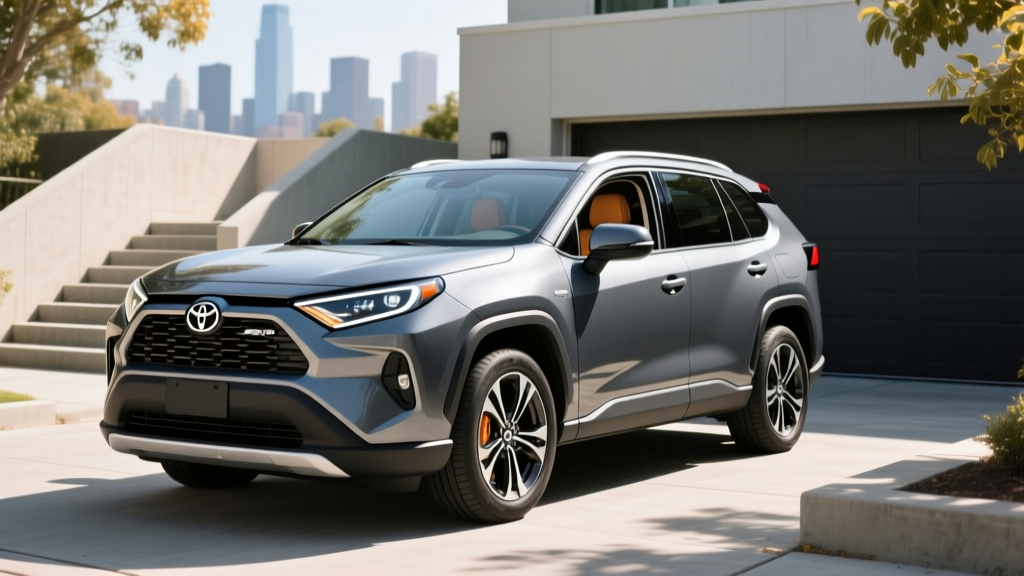
The 2020 Toyota RAV4 Hybrid XSE occupies a specific niche: sport-tuned suspension and styling in a compact SUV that sips fuel without requiring a plug. With an EPA-rated 41 mpg city, 38 mpg highway, and 40 mpg combined, it remains one of the most efficient all-wheel-drive crossovers on the used market in 2026. The XSE trim adds a stiffer sport suspension, 18-inch black alloy wheels, SofTex sport seats, and a black roof option — differentiating it from the more comfort-oriented XLE and Limited trims.
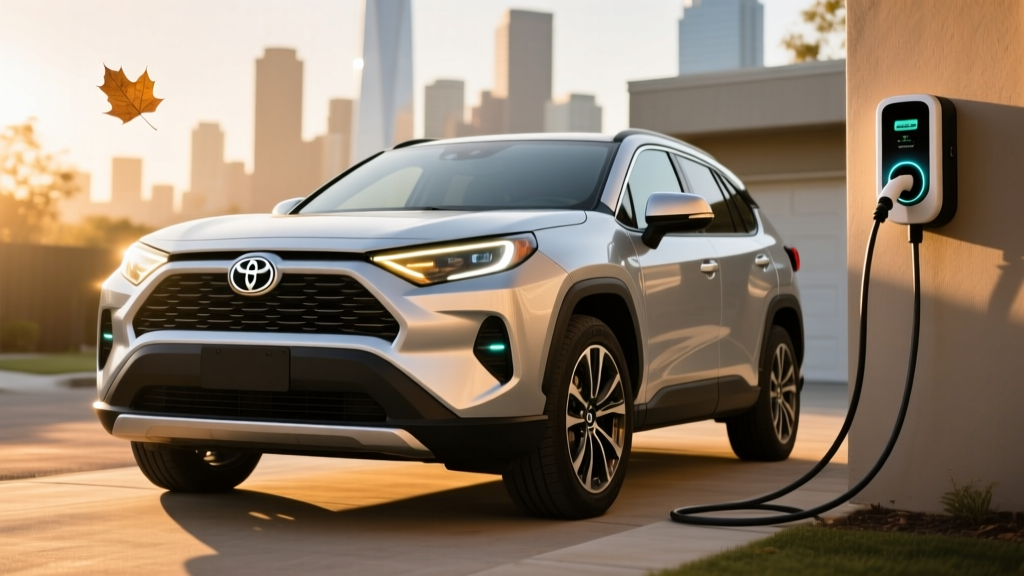
As a conventional hybrid (HEV), the RAV4 Hybrid XSE never needs to be plugged in. It recovers energy through regenerative braking and its gasoline engine to keep a small traction battery charged. For buyers considering their first hybrid, this distinction from plug-in hybrids (PHEVs) and full battery-electric vehicles (BEVs) is the starting point of the purchase decision.
| Spec | Value |
|---|---|
| Powertrain | 2.5L 4-cyl + 3 electric motors (AWD-i) |
| Combined Horsepower | 219 hp |
| 0–60 mph | 7.4 seconds (est.) |
| EPA Fuel Economy | 41 city / 38 hwy / 40 combined mpg |
| Drivetrain | Electronic AWD (AWD-i, rear motor) |
| Hybrid Battery | ~1.6 kWh, nickel-metal hydride (NiMH) |
| Fuel Tank | 14.5 gallons |
| Total Range | ~580 miles |
| Cargo Volume | 37.5 cu ft (rear seats up) / 69.8 cu ft (folded) |
| Original MSRP (2020) | $34,350 (before destination) |
| 2026 Used Price Range | ~$22,000–$28,500 (varies by mileage/condition) |
Fuel Economy: EPA Numbers vs. Real-World MPG
The EPA rates the 2020 RAV4 Hybrid (all trims, including XSE) at 41 mpg city, 38 mpg highway, and 40 mpg combined, per fueleconomy.gov. The city figure exceeds the highway number — a hallmark of Toyota's hybrid synergy drive system, which relies heavily on electric-motor assist at low speeds and in stop-and-go traffic where regenerative braking recaptures the most energy.
| Driving Scenario | EPA Rating | Real-World Expectation |
|---|---|---|
| City | 41 mpg | 38–44 mpg |
| Highway (65 mph) | 38 mpg | 35–38 mpg |
| Highway (75+ mph) | — | 34–37 mpg |
| Combined | 40 mpg | 37–42 mpg |
| Cold Weather (short trips) | — | 32–35 mpg |
Compared to the gas-only 2020 RAV4 AWD (rated 27 city / 34 hwy / 30 combined), the hybrid delivers a 33% improvement in combined fuel economy. Over 15,000 annual miles at $3.40/gallon, that translates to roughly $595 in annual fuel savings versus the gas model.
HEV vs. PHEV vs. BEV: Which Electrified RAV4 Fits You?
Toyota offered the 2020 RAV4 in three powertrain variants: the conventional Hybrid (HEV), the RAV4 Prime plug-in hybrid (PHEV, introduced for the 2021 model year), and the gas-only model. There is no fully electric RAV4 — Toyota's electric SUV offering is the bZ4X. Understanding the distinction between these categories is essential before shopping.
HEV vs. PHEV — Key Differences
| Feature | HEV (RAV4 Hybrid XSE) | PHEV (RAV4 Prime) |
|---|---|---|
| Plug-in Required? | No — self-charging via engine + regen | Yes — 2.5 hours on Level 2 (240V) |
| Electric-Only Range | ~1 mile at low speed | 42 miles (EPA) |
| Battery Capacity | ~1.6 kWh (NiMH) | 18.1 kWh (lithium-ion) |
| Combined HP | 219 hp | 302 hp |
| Combined MPG / MPGe | 40 mpg | 94 MPGe (elec+gas) / 38 mpg (gas only) |
| DC Fast Charge | No | No (Level 2 AC only) |
| Federal Tax Credit (New) | None | $7,500 (when eligible, now expired for new purchases) |
Choose the HEV (this XSE) if you lack home charging access, want the lowest purchase price, and drive a mix of city and highway miles. The hybrid system requires zero behavioral change — you fuel it like any gas car.
Choose a PHEV if you can charge at home, have a commute under 40 miles, and want electric-only daily driving with gas-engine backup for road trips. The RAV4 Prime delivers 42 miles of EV range but commands a significant price premium on the used market.
Choose a full BEV if you have reliable home charging, drive under 250 miles daily, and want to eliminate gasoline entirely. Consider models like the Tesla Model Y, Hyundai Ioniq 5, or Toyota bZ4X.
Powertrain Deep Dive: 219 HP with Three Electric Motors
The 2020 RAV4 Hybrid XSE uses Toyota's fourth-generation Hybrid Synergy Drive. A 2.5-liter Dynamic Force four-cylinder engine (176 hp, 163 lb-ft) pairs with two front-mounted motor-generators and a third independent rear motor that provides electronic all-wheel drive (AWD-i). Combined system output is 219 horsepower.
The AWD-i system is notable: unlike mechanical AWD systems with a driveshaft, the rear axle is powered entirely by a 54-hp electric motor that engages on demand — during acceleration from a stop, when front-wheel slip is detected, or under hard cornering. At steady highway cruising, the RAV4 Hybrid operates in front-wheel drive to maximize efficiency. The rear motor can send up to 80% of available torque to the rear wheels when needed.
The XSE trim receives a sport-tuned suspension with stiffer spring rates and damping compared to the LE, XLE, and Limited trims. The result is slightly firmer ride quality with marginally better body control in corners — a meaningful difference for drivers who prioritize handling feel, though the trade-off is more road imperfection feedback at low speeds.
Battery Warranty, Lifespan, and Replacement Cost
The 2020 RAV4 Hybrid uses a nickel-metal hydride (NiMH) battery pack — a mature, well-proven chemistry that Toyota has deployed across millions of hybrids since the 1997 Prius. NiMH packs sacrifice some energy density versus lithium-ion but offer exceptional thermal stability and cycle durability. Real-world data from Toyota hybrids shows NiMH packs routinely lasting 150,000–200,000+ miles before significant degradation.
Battery replacement cost: If the hybrid battery fails outside warranty, a new OEM replacement from Toyota runs approximately $3,000–$4,500 including labor. Refurbished or reconditioned packs from third-party suppliers can reduce this to $1,500–$2,500. Individual module replacement (the pack contains 28 modules) is sometimes possible for $200–$500 if only one or two cells have degraded.
For a 2020 model purchased in 2026, the factory 10-year/150,000-mile hybrid battery warranty remains active until 2030 or 150,000 miles, providing substantial remaining coverage for most buyers.
Ownership Costs: Fuel, Insurance, and Maintenance
The financial case for the RAV4 Hybrid XSE centers on fuel savings and Toyota's strong resale value. Here's a five-year ownership projection based on 15,000 miles/year and $3.40/gallon:
| Category | 5-Year Estimate |
|---|---|
| Purchase Price (avg. used) | $25,000 |
| Fuel (75,000 mi at 40 mpg, $3.40/gal) | $6,375 |
| Insurance (avg.) | $7,500–$9,500 |
| Maintenance (oil, brakes, tires, fluids) | $2,800–$3,500 |
| Estimated Depreciation (5 years) | $8,000–$10,000 |
| Total 5-Year Cost | ~$49,675–$54,375 |
Maintenance costs remain low: the hybrid system adds no routine service items. The engine still requires oil changes (0W-16 synthetic, every 10,000 miles), but brake pad life is often extended to 80,000+ miles thanks to regenerative braking handling most deceleration. There is no transmission fluid to change on the e-CVT at normal intervals.
Tax Credits and Incentives for Used Hybrid Buyers
The 2020 RAV4 Hybrid XSE — as a conventional hybrid — does not qualify for the federal §30D clean vehicle tax credit. That credit applies only to plug-in electric vehicles (BEVs and PHEVs) meeting specific battery-sourcing, MSRP, and buyer-income requirements under current IRS rules. See IRS.gov for current eligibility details.
However, there are potential savings avenues:
- Used Clean Vehicle Credit (§25E): This credit of up to $4,000 applies only to used BEVs and PHEVs — not conventional hybrids. The RAV4 Hybrid does not qualify.
- State incentives: A small number of states offer rebates or HOV-lane access for hybrids, though most incentive programs have shifted to plug-in vehicles. Check your state's energy office or DMV for current programs.
- Insurance discounts: Some insurers (e.g., GEICO, Liberty Mutual) offer 5–10% discounts for hybrid vehicles — worth asking about when quoting.
The bottom line: buy the RAV4 Hybrid for its fuel savings and reliability, not for tax incentives.
Pros, Cons, and Who Should Buy the XSE Trim
Pros
- 40 mpg combined real-world — among the best AWD crossovers
- Standard AWD with no fuel-economy penalty vs. FWD
- 10-year/150,000-mile hybrid battery warranty (remaining coverage through 2030)
- Sport-tuned suspension gives better handling than base trims
- Strong Toyota resale value and parts availability
- No plug-in required — zero lifestyle change
- 37.5 cu ft cargo with rear seats up
Cons
- Firmer XSE ride may bother comfort-priority buyers
- Engine drone under hard acceleration (e-CVT characteristic)
- No DC fast charging or meaningful EV-only range
- 7.4-second 0–60 — adequate, not quick
- Infotainment (2020-era) lacks wireless CarPlay on base audio
- No federal tax credit eligibility
- NiMH battery less energy-dense than lithium-ion PHEV packs
The 2020 RAV4 Hybrid XSE is right for you if: You want an efficient AWD crossover for commuting and family duty, lack access to home or workplace charging, and value a slightly sportier drive over the softer ride of the XLE or Limited. It's also ideal for high-mileage drivers (20,000+ miles/year) where the hybrid's fuel savings compound fastest.
Look elsewhere if: You want EV-only commuting (consider the RAV4 Prime PHEV or a full BEV), you prioritize ride comfort over handling (choose the Limited), or you need towing capacity beyond the 1,750-pound rating.
Frequently Asked Questions
How many MPG does the 2020 RAV4 Hybrid XSE get?
The EPA rates it at 41 mpg city, 38 mpg highway, and 40 mpg combined. In real-world mixed driving, expect 37–42 mpg. City-heavy routes favor the hybrid system, while sustained 75+ mph highway driving drops efficiency to roughly 34–37 mpg.
Does the 2020 RAV4 Hybrid need to be plugged in?
No. The RAV4 Hybrid is a conventional hybrid (HEV). It charges its small battery through regenerative braking and the gasoline engine. You simply fill it with gas like any other vehicle. This is different from the RAV4 Prime (PHEV), which requires plug-in charging to access its 42-mile electric-only range.
How far can it drive on electric power alone?
Effectively about 1 mile at very low speeds (under 25 mph) with a light throttle. The 1.6 kWh NiMH battery is not designed for sustained electric-only driving — it serves as a buffer for hybrid assist and regen capture. For meaningful EV range, you'd need a PHEV or BEV.
Is the 2020 RAV4 Hybrid reliable?
Toyota's hybrid system is among the most proven in the industry, with over 25 years of production data. The NiMH battery pack and e-CVT transmission have low failure rates. NHTSA gave the 2020 RAV4 Hybrid a 5-star overall safety rating. Long-term reliability is a key reason the RAV4 Hybrid commands strong used resale values.
What does hybrid battery replacement cost?
A new OEM NiMH battery pack from Toyota costs approximately $3,000–$4,500 installed. Refurbished packs run $1,500–$2,500. However, the 10-year/150,000-mile warranty means most 2020 models remain covered through 2030. Many Toyota hybrid batteries last well beyond 200,000 miles.
Does the 2020 RAV4 Hybrid XSE qualify for any tax credit?
No. Federal clean-vehicle tax credits (§30D for new, §25E for used) apply only to plug-in vehicles (BEVs and PHEVs). Conventional hybrids like the RAV4 Hybrid do not qualify. Some states may offer minor incentives — check your local programs.
Is the XSE trim worth it over the XLE?
The XSE adds sport-tuned suspension, 18-inch black alloy wheels, SofTex sport seats, heated front seats, a power liftgate, and a black roof option. If you value handling feel and sporty aesthetics, the premium (typically $1,000–$2,000 on the used market) is justified. If comfort is paramount, the XLE's softer ride may suit you better.