Quick Verdict: The 2019 Camry Hybrid XLE at a Glance
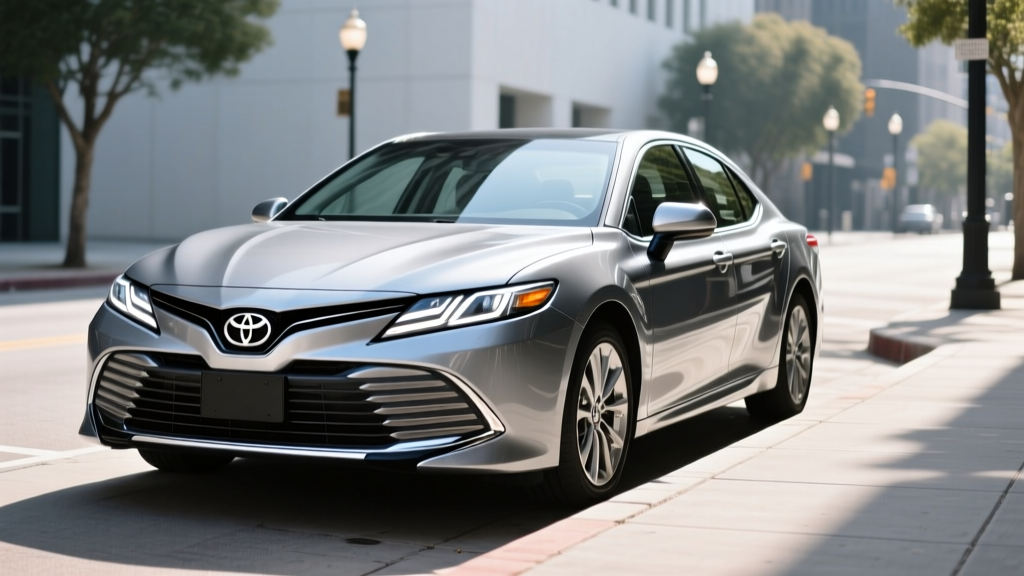
The 2019 Toyota Camry Hybrid XLE occupies a specific niche: a midsize sedan that sips fuel without asking you to plug in, change your driving habits, or sacrifice the upscale trim features buyers expect from an XLE badge. With an EPA-estimated 52 MPG combined, a proven 208-horsepower hybrid powertrain, and Toyota's reputation for long-term durability, this model remains a compelling used-car find in 2026 for commuters who want electrified efficiency without range anxiety or charging logistics.
Before we get into the numbers, let's clear up a common confusion: the 2019 Camry Hybrid is a conventional hybrid (HEV), not a plug-in hybrid (PHEV). You never plug it in. The battery recharges through regenerative braking and the gasoline engine. If you want electric-only driving, you'd need to look at a PHEV like the Toyota Prius Prime or a full battery-electric vehicle (BEV). This guide breaks down exactly what the HEV system delivers — and where it falls short.
| Spec | Value |
|---|---|
| Powertrain | 2.5L 4-cyl + electric motor (HEV) |
| Combined Horsepower | 208 HP (net system) |
| EPA MPG (City / Hwy / Combined) | 51 / 53 / 52 |
| Fuel Tank | 13.2 gallons |
| Total Range | ~686 miles |
| 0–60 mph | ~7.5 seconds |
| Hybrid Battery | 1.6 kWh nickel-metal hydride (NiMH) |
| Drivetrain | Front-wheel drive (eCVT) |
| Original MSRP (XLE) | $32,575 |
| 2026 Used Market (avg) | $17,000–$22,000 |
| Hybrid Battery Warranty | 8 years / 100,000 miles |
Fuel Economy: EPA Numbers vs. Real-World MPG
The EPA rates the 2019 Camry Hybrid XLE at 51 MPG city, 53 MPG highway, and 52 MPG combined when equipped with the standard 16-inch alloy wheels. If you opt for the available 18-inch wheels (part of certain appearance packages), the EPA figures drop slightly to 44/47/46 MPG due to increased rolling resistance and weight. Always verify wheel size on a used listing — it materially affects efficiency.
| Configuration | City | Highway | Combined |
|---|---|---|---|
| 16-inch wheels | 51 MPG | 53 MPG | 52 MPG |
| 18-inch wheels | 44 MPG | 47 MPG | 46 MPG |
Source: EPA Fuel Economy Guide — 2019 Toyota Camry Hybrid
HEV vs. PHEV vs. EV: Which Powertrain Fits You?
The 2019 Camry Hybrid is an HEV — but how does it compare to a plug-in hybrid or a full EV? Here's a framework to clarify:
| Factor | HEV (Camry Hybrid) | PHEV (e.g., Prius Prime) | BEV (e.g., Tesla Model 3) |
|---|---|---|---|
| Plug in to charge? | No | Yes (Level 1/2) | Yes (Level 1/2/DC) |
| Electric-only range | ~1 mile (low-speed creep) | 25–40 miles | 250–350+ miles |
| Total range | ~686 miles | ~600+ miles (gas + electric) | 250–350+ miles |
| Home charging needed? | No | Recommended | Essential |
| Federal tax credit (new) | None | Up to $7,500 (§30D) | Up to $7,500 (§30D) |
| Best for | No-plug commuters | Short commutes + road trips | Home-charging owners |
The Camry Hybrid XLE is the right call if you lack access to home or workplace charging but still want dramatically better fuel economy than a gas-only midsize sedan (which typically delivers 25–30 MPG combined). If you have a garage with a 120V outlet and a commute under 30 miles, a PHEV like the 2019 Prius Prime (25 miles electric-only, EPA-estimated) could eliminate most of your gasoline use. If you have Level 2 home charging and want zero tailpipe emissions, a BEV enters the conversation — but at a higher upfront cost.
Powertrain Deep Dive: 208 HP Without the Guilt
Toyota's fourth-generation hybrid system in the 2019 Camry pairs a 2.5-liter Dynamic Force four-cylinder engine (176 HP, 163 lb-ft) with a permanent-magnet electric motor integrated into the eCVT transaxle. Net system output is 208 horsepower. The eCVT is not a traditional belt-and-pulley CVT — it uses a planetary gearset to seamlessly blend engine and motor torque, which eliminates the "rubber-band" feel that plagues some competitors.
The result is a 0–60 MPH time of approximately 7.5 seconds — brisk enough for confident highway merging and passing. The electric motor delivers instant torque from a standstill, so the car feels punchier in city driving than the horsepower number alone suggests. EV mode is available at low speeds (typically under 25 MPH for short distances), but the 1.6 kWh NiMH battery is too small to sustain electric-only driving beyond about a mile.
Notably, the 2019 model year uses a nickel-metal hydride (NiMH) battery pack, not the lithium-ion packs found in later Camry Hybrid model years. NiMH is proven and durable but heavier and less energy-dense. Toyota switched to lithium-ion in subsequent refreshes to improve efficiency and reduce weight.
XLE Trim: What You Get for the Money
The XLE sits as the top luxury-oriented trim in the 2019 Camry Hybrid lineup (above the LE and SE). Key XLE-specific features include:
- Leather-trimmed seats with heated front seats
- 7-inch touchscreen with Entune Audio Plus, Apple CarPlay, and Amazon Alexa (no Android Auto in 2019)
- Blind Spot Monitor with Rear Cross-Traffic Alert
- 16-inch alloy wheels (standard for best MPG)
- Dual-zone automatic climate control
- Smart Key System with push-button start
- Toyota Safety Sense P (TSS-P): pre-collision system, lane departure alert with steering assist, automatic high beams, full-speed-range dynamic radar cruise control
The original MSRP was $32,575 (plus destination). In the 2026 used market, expect to pay $17,000–$22,000 depending on mileage, condition, and region, according to Kelley Blue Book and Edmunds valuations for vehicles with 60,000–90,000 miles.
Reliability, Battery Lifespan, and Replacement Costs
Toyota's hybrid system reliability is among the most thoroughly documented in the automotive industry. The Prius, Camry Hybrid, and Highlander Hybrid have accumulated billions of real-world miles, and catastrophic hybrid battery failures before 150,000 miles are statistically rare. Independent shops and dealership data suggest most NiMH packs last 180,000–250,000 miles before significant degradation warrants replacement.
If the battery does need replacement outside warranty:
- New OEM battery (Toyota dealer): $2,500–$4,000 installed
- Refurbished/remanufactured battery: $1,200–$2,000 installed
- Individual cell/module replacement (specialist shops): $500–$1,000
Beyond the hybrid battery, the 2019 Camry Hybrid benefits from reduced wear on conventional components. Regenerative braking extends brake pad life significantly — many owners report original brake pads lasting 80,000+ miles. There is no traditional starter motor or alternator to fail, and the eCVT has no belts or clutch packs to replace.
Safety ratings reinforce the ownership case: the 2019 Camry earned a 5-Star Overall Safety Rating from NHTSA and was an IIHS Top Safety Pick when equipped with specific headlights.
Tax Credits and Incentives: What Applies in 2026?
Because the 2019 Camry Hybrid is a conventional hybrid (HEV), it does not qualify for the federal §30D Clean Vehicle Credit, which is reserved for plug-in electric vehicles (PHEVs and BEVs) with a minimum battery capacity of 7 kWh. The Camry Hybrid's 1.6 kWh NiMH pack falls far below this threshold.
For used buyers in 2026, the Used Clean Vehicle Credit (§25E) also does not apply — it covers used PHEVs and BEVs only, not conventional hybrids.
Some states offer their own incentives for hybrid purchases, but these vary widely and change frequently. Check your state's energy office or department of environmental quality for current programs. A few states offer modest rebates or HOV-lane access for hybrids, but most incentive programs have shifted focus to plug-in vehicles.
Who Should Buy the 2019 Camry Hybrid XLE?
✅ Choose This Hybrid If:
- You commute 30–80 miles daily and want 50+ MPG without plugging in
- You lack home or workplace charging access
- You want a proven, low-risk powertrain with extensive reliability data
- You value the XLE's leather, safety tech, and comfort features
- You take regular road trips and don't want to plan around charging stations
❌ Look Elsewhere If:
- You want electric-only driving for short commutes (consider a PHEV)
- You have home Level 2 charging and want zero tailpipe emissions (consider a BEV)
- You prioritize acceleration over efficiency (the 7.5-sec 0–60 is adequate, not thrilling)
- You need all-wheel drive (not available on the 2019 Camry Hybrid)
- You want Android Auto (not offered until the 2020 model year)
Frequently Asked Questions
How many MPG does the 2019 Toyota Camry Hybrid XLE get?
The EPA rates it at 51 city / 53 highway / 52 combined MPG with 16-inch wheels. Real-world owners typically report 48–55 MPG in mixed driving. Highway-only driving at high speeds may drop to 42–48 MPG.
Does the 2019 Camry Hybrid need to be plugged in?
No. It is a conventional hybrid (HEV). The battery charges automatically through regenerative braking and the gasoline engine. You fuel it like any other car — just less often.
Is the hybrid battery reliable, and what does replacement cost?
Toyota's NiMH hybrid batteries routinely last 180,000–250,000 miles. The battery is warranted for 8 years/100,000 miles (10 years/150,000 miles in CARB states). Out-of-pocket replacement runs $1,200–$4,000 depending on whether you choose refurbished or new OEM.
Does the 2019 Camry Hybrid qualify for any federal tax credit?
No. Federal §30D and §25E credits apply only to plug-in vehicles (PHEVs and BEVs). The Camry Hybrid's 1.6 kWh battery does not meet the 7 kWh minimum. Some state-level incentives may apply — check your local program.
How does the Camry Hybrid compare to a PHEV or full EV?
The Camry Hybrid delivers ~52 MPG without plugging in and ~686 miles of total range. A PHEV like the Prius Prime offers 25 miles of electric-only driving plus a gas engine for longer trips. A full EV like the Tesla Model 3 eliminates gasoline entirely but requires home charging infrastructure and planning for road trips. The right choice depends on your charging access, commute length, and budget.
What's the difference between the LE, SE, and XLE trims?
The LE is the base hybrid trim (cloth seats, fewer luxury features, lowest price). The SE adds sport-tuned suspension, paddle shifters, and sport styling. The XLE tops the lineup with leather, heated front seats, blind-spot monitoring, and premium audio. All three share the same 208 HP powertrain and similar EPA MPG ratings.