Quick Verdict: America's First Plug-In Hybrid Minivan Still Delivers
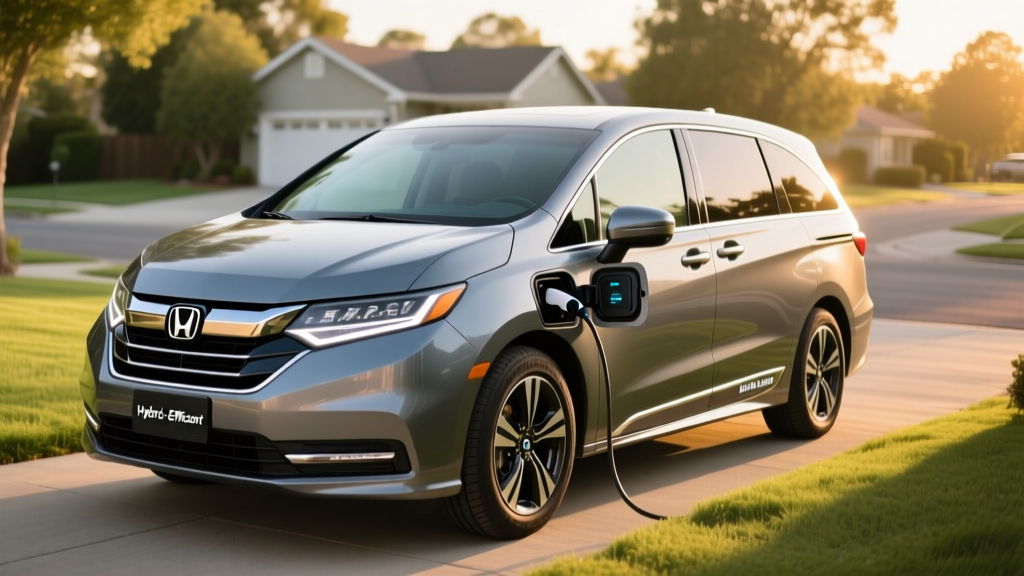
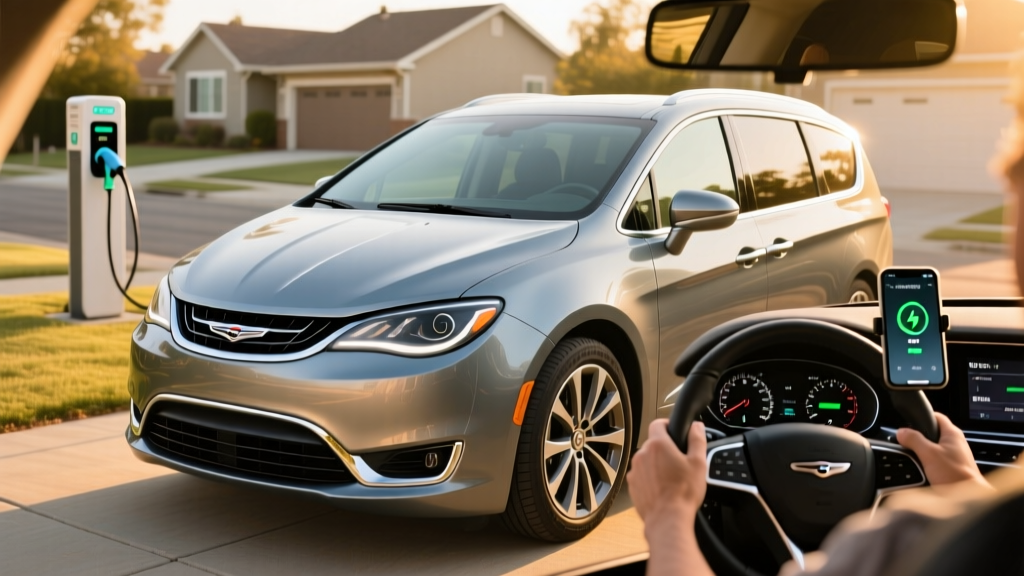
The 2017 Chrysler Pacifica Hybrid was a trailblazer — the first plug-in hybrid minivan sold in the United States. Nearly a decade later, it remains one of the most practical family vehicles on the used market, offering up to 33 miles of electric-only driving before its gasoline engine kicks in. For families who can charge at home and do most weekday driving within that electric envelope, the Pacifica Hybrid functions as a daily EV with the security blanket of a 3.6-liter V6 for road trips.
But buying a 2017 model in 2026 means evaluating a vehicle with real mileage on a battery that's approaching its warranty expiration. This guide breaks down every number that matters — from EPA efficiency ratings to battery replacement costs — so you can decide whether a used Pacifica Hybrid is a smart buy or a looming liability.
| Specification | 2017 Chrysler Pacifica Hybrid |
|---|---|
| Powertrain Type | Plug-in Hybrid (PHEV) |
| Engine | 3.6L V6 Atkinson-cycle + 2 electric motors |
| Combined Horsepower | 287 hp |
| Battery (usable) | 16 kWh (NMC lithium-ion) |
| EPA Electric Range | 33 miles |
| EPA Combined MPGe (electric + gas) | 84 MPGe |
| EPA MPG (gas-only, combined) | 32 MPG (29 city / 36 highway) |
| Total Range (electric + gas) | ~566 miles |
| Level 2 Charge Time (0-100%) | ~2 hours (at 6.6 kW) |
| Level 1 Charge Time (0-100%) | ~14 hours (120V) |
| DC Fast Charging | Not supported |
| 0-60 mph | ~7.1 seconds |
| Original MSRP (base Premium) | $41,995 |
| 2026 Used Price Range (est.) | $14,000–$22,000 |
| Battery Warranty (original) | 8 years / 100,000 miles (10 yr / 150,000 mi in CARB states) |
HEV vs PHEV: What the Pacifica Hybrid Actually Is
Conventional Hybrid (HEV): A vehicle like the Toyota Sienna Hybrid uses a small battery recharged entirely by regenerative braking and the gasoline engine. You never plug it in. Electric-only driving is limited to very low speeds and short distances (typically under 1 mile). The EPA rates the Sienna Hybrid at 36 MPG combined — efficient, but always burning gas.
Plug-in Hybrid (PHEV) — This Vehicle: The 2017 Pacifica Hybrid carries a much larger 16 kWh battery that you can plug in to recharge. On a full charge, it drives up to 33 miles on electricity alone before seamlessly switching to hybrid mode, where it operates like a conventional HEV and achieves 32 MPG combined. The key advantage: if your daily driving stays under ~33 miles and you charge nightly, you may use almost no gasoline during the work week.
Full Battery Electric (BEV): A vehicle like the Tesla Model X or Rivian R1S runs entirely on electricity — no gasoline engine at all. Greater range (250-350+ miles) but requires reliable charging access and longer refueling stops.
The Pacifica Hybrid occupies a specific niche: the family that wants EV-like daily commuting without sacrificing the ability to drive 500+ miles on a road trip without planning charging stops. If you can't charge at home, the PHEV advantage shrinks considerably — you'll mostly drive in gas-only hybrid mode at 32 MPG, which is still good for a 4,700-pound minivan but not dramatically better than a conventional hybrid.
Fuel Economy Breakdown: EPA Ratings and Real-World MPG
| Driving Mode | EPA City | EPA Highway | EPA Combined | Real-World Expectation |
|---|---|---|---|---|
| Electric + Gas (blended) | — | — | 84 MPGe | 70–85 MPGe depending on charge frequency |
| Gas-Only (hybrid mode, battery depleted) | 29 MPG | 36 MPG | 32 MPG | 28–34 MPG (varies with driving style, terrain) |
| Electric-Only | 2.0 kWh/mi | — | 84 MPGe | ~30–33 mi range in mild weather; ~22–27 mi in cold |
Real-world context: According to fueleconomy.gov, the 2017 Pacifica Hybrid is rated at 84 MPGe when accounting for both electric and gasoline operation. The MPGe figure is most meaningful if you charge regularly and drive within the electric range most days.
In gas-only mode (battery depleted), owners on Fuelly and similar tracking sites report averages between 27 and 31 MPG in mixed driving. Highway cruising at 70+ mph tends to yield lower numbers — expect closer to 27–29 MPG on long interstate trips. City driving with frequent regenerative braking opportunities can push toward or slightly above the 29 MPG city EPA figure.
Cold weather impact: Lithium-ion batteries lose efficiency in cold temperatures. In sub-freezing conditions, expect electric-only range to drop by 15–25%, meaning your 33-mile electric range may shrink to roughly 25–28 miles. The gasoline engine may also engage sooner to provide cabin heat, further reducing electric-only operation. The Pacifica Hybrid does not have a dedicated heat pump — it relies on the engine and resistive heating, which draws additional energy in winter.
Electric Range, Battery, and Charging Details
The 2017 Pacifica Hybrid's 16 kWh battery pack (approximately 13 kWh usable, with the rest reserved as a buffer to protect longevity) uses NMC (nickel-manganese-cobalt) lithium-ion cells. This chemistry offers good energy density but is more sensitive to degradation from frequent full charges and high temperatures compared to LFP (lithium iron phosphate) chemistry found in some newer EVs.
Battery Warranty & Replacement Cost
Original Warranty: 8 years / 100,000 miles nationwide; 10 years / 150,000 miles in CARB-emissions states (CA, CO, CT, ME, MD, MA, NJ, NY, OR, RI, VT, WA).
2026 Status: A 2017 model's federal warranty expired in 2025. In CARB states, coverage extends through 2027 or 150,000 miles, whichever comes first. If you're buying a 2017 Pacifica Hybrid in 2026, check the odometer and your state's warranty rules carefully.
Warranty Threshold: Chrysler warrants the battery to retain at least 70% of its original capacity during the warranty period. Below that threshold, the battery qualifies for warranty replacement.
Out-of-Pocket Replacement Cost: A replacement high-voltage battery pack runs approximately $7,500–$9,500 including parts and labor at a dealership. Third-party hybrid battery rebuild services may offer refurbished packs for $4,500–$6,500. Individual module replacement (if only some cells have degraded) can sometimes be done for $1,500–$3,000.
Charging logistics: The Pacifica Hybrid accepts up to 6.6 kW on Level 2 (240V), meaning a full charge from empty takes roughly 2 hours. On a standard 120V household outlet (Level 1), a full charge takes approximately 14 hours — feasible for overnight replenishment if your daily electric driving is modest. The vehicle uses a standard J1772 connector for AC charging. Critically, the Pacifica Hybrid does not support DC fast charging — there is no CCS or CHAdeMO port. This is typical for PHEVs, whose smaller batteries don't justify the cost and weight of DC fast-charge hardware.
Powertrain and Driving Performance
The Pacifica Hybrid pairs a 3.6-liter Atkinson-cycle V6 engine with two electric motors integrated into the transmission (Chrysler's eFlite continuously variable transmission). Combined output is 287 horsepower — adequate for a minivan that weighs approximately 4,700 pounds.
The two-motor system allows the Pacifica Hybrid to operate in several modes:
- EV mode: Both motors drive the wheels using battery power alone (up to 33 miles, speeds up to ~75 mph).
- Hybrid mode: The V6 and electric motors work together, with the engine also recharging the battery as needed.
- Engine-only mode: At sustained highway speeds, the engine may drive the wheels directly for efficiency.
The 0-60 mph time of approximately 7.1 seconds is competitive with non-hybrid minivans. Electric torque delivery makes the Pacifica Hybrid feel responsive around town, though the CVT drones noticeably under hard acceleration — a common characteristic of Atkinson-cycle hybrid powertrains.
Regenerative braking is moderate. The Pacifica Hybrid does not offer true one-pedal driving like a full EV; you'll still use the friction brake pedal regularly. Paddle shifters behind the steering wheel allow you to select increased regen levels (L mode on the gear selector provides maximum regenerative braking).
Reliability, Known Issues, and Long-Term Ownership
The 2017 Pacifica Hybrid was a first-year model for Chrysler's plug-in hybrid minivan, and first-year vehicles often carry more teething issues. Based on NHTSA complaint data and owner forums, here are the most common concerns:
- High-voltage battery cooling system: Some owners have reported coolant leaks from the battery thermal management system. Check for service records and inspect coolant levels during a pre-purchase inspection.
- 12V auxiliary battery failures: Like many modern vehicles, the Pacifica Hybrid relies on a conventional 12V battery for electronics. Premature 12V battery failure has been a recurring complaint, which can strand the vehicle even if the high-voltage pack is fully charged.
- Transmission shudder: A small number of reports describe shuddering during the transition between electric and gasoline modes. This is often addressed through software updates at the dealer.
- Sliding door and liftgate electronics: Power sliding doors and the power liftgate on Pacifica models (hybrid and non-hybrid) have been sources of intermittent electrical issues.
On the positive side, the V6 engine is Chrysler's well-established Pentastar family, which has a long track record of durability when properly maintained. The eFlite transmission is relatively simple mechanically, with fewer moving parts than a conventional automatic.
Pre-purchase advice for 2026 buyers: Before purchasing a used 2017 Pacifica Hybrid, request a high-voltage battery State of Health (SoH) report from a Chrysler dealer or qualified hybrid technician. This diagnostic will show current capacity as a percentage of original — anything above 80% is healthy for a 9-year-old PHEV battery. Also verify whether the vehicle is in a CARB state for extended warranty coverage.
Pricing and Tax Credit Eligibility in 2026
The 2017 Pacifica Hybrid originally started at $41,995 (Premium trim) and reached approximately $46,000 for the Platinum trim. In the 2026 used market, expect to pay between $14,000 and $22,000 depending on mileage, condition, trim level, and battery health.
Federal tax credit status: When new, the 2017 Pacifica Hybrid qualified for the full $7,500 federal tax credit under the previous §30D rules. That credit is no longer available for new purchases of this discontinued model year.
Used EV tax credit (§25E): Under current IRS rules, you may qualify for a used clean vehicle credit of up to $4,000 (or 30% of the sale price, whichever is less) if you meet all of the following:
- Vehicle sale price is $25,000 or less (the Pacifica Hybrid qualifies at current used prices)
- You purchase from a licensed dealer (private-party sales do not qualify)
- Your modified adjusted gross income does not exceed $75,000 (single), $112,500 (head of household), or $150,000 (joint)
- You have not claimed the used-vehicle credit in the prior 3 years
- The vehicle is at least 2 model years old (a 2017 model qualifies)
For a $18,000 Pacifica Hybrid, the maximum credit would be $4,000 (30% of $18,000 = $5,400, but capped at $4,000). Consult a tax professional to confirm your eligibility, as IRS rules are subject to change.
Who Should Buy the 2017 Pacifica Hybrid?
Choose the Pacifica Hybrid If:
- You need a 7-passenger minivan with the lowest possible fuel cost for daily school runs and errands under 33 miles
- You can install a Level 2 charger at home (or are fine with overnight Level 1 charging)
- You take occasional road trips where EV charging infrastructure is sparse or unreliable
- You want a used PHEV with strong cargo versatility (the battery is under the floor, so no cargo compromise vs. the gas Pacifica)
- You qualify for the used-vehicle tax credit to bring the effective price below $14,000
Look Elsewhere If:
- You cannot charge at home — without regular plug-in charging, you lose the PHEV advantage and drive a 32 MPG minivan
- You want DC fast charging for road-trip electric driving (PHEVs don't offer this)
- You prefer a proven reliability track record — the Toyota Sienna Hybrid (non-plug-in) has fewer reported issues
- Your daily commute exceeds 40 miles — you'll spend most of your driving in gas mode
- You want the latest ADAS features — the 2017 Pacifica's adaptive cruise and lane-keep assist are basic by 2026 standards
Hybrid vs PHEV vs EV: Which Minivan Fits Your Family?
The minivan segment in 2026 still offers limited electrified choices. Here's how the main options compare for a family buyer:
| Factor | 2017 Pacifica Hybrid (PHEV) | Toyota Sienna Hybrid (HEV) | Used EV SUV (e.g., Tesla Model X) |
|---|---|---|---|
| Daily Fuel Cost (30 mi/day) | ~$0.80 (electric) or ~$3.50 (gas) | ~$3.20 (gas) | ~$1.00 (electric) |
| Road-Trip Refueling | Gas station, 5 min | Gas station, 5 min | DC charger, 25–45 min |
| Plug-in Required? | Yes (to maximize savings) | No | Yes (mandatory) |
| Third-Row + Cargo | Excellent (stow-n-go rear seats) | Excellent | Tight third row, limited cargo |
| Used Price (2026) | $14K–$22K | $22K–$32K (2021+ models) | $30K–$50K |
| Battery Replacement Risk | Moderate ($7.5K–$9.5K) | Low ($3K–$5K, smaller pack) | High ($12K–$20K+) |
The Pacifica Hybrid wins on versatility and value for families who can charge at home. The Sienna Hybrid is the safer bet for buyers who want simplicity, no plug-in requirement, and Toyota's reliability reputation. A full EV SUV sacrifices the minivan's practicality for zero tailpipe emissions and the lowest operating costs — but only if charging access is reliable.
Frequently Asked Questions
How many MPG does the 2017 Chrysler Pacifica Hybrid get?
The EPA rates the 2017 Pacifica Hybrid at 32 MPG combined (29 city / 36 highway) when operating in gas-only hybrid mode after the battery is depleted. When factoring in electric-only driving, the combined rating is 84 MPGe. Real-world fuel economy typically falls between 27 and 34 MPG in gas mode, depending on driving conditions and style.
How far can the 2017 Pacifica Hybrid go on electric only?
The EPA rates the Pacifica Hybrid at 33 miles of electric-only range on a full charge. In real-world driving, expect 28–33 miles in mild weather and 22–27 miles in cold conditions (below freezing). Highway speeds above 65 mph and aggressive acceleration will also reduce electric range.
Is the 2017 Pacifica Hybrid reliable, and what does a battery replacement cost?
The Pacifica Hybrid has average reliability for a first-year PHEV, with some known issues around the battery cooling system, 12V battery, and power sliding doors. The high-voltage battery replacement costs approximately $7,500–$9,500 at a dealer, or $4,500–$6,500 through third-party hybrid specialists. In CARB states, the battery warranty extends to 10 years / 150,000 miles, which may still cover some 2017 models through 2027.
Does the 2017 Pacifica Hybrid qualify for any tax credit in 2026?
The original $7,500 new-vehicle credit is no longer available. However, under the IRS §25E used clean vehicle credit, you may qualify for up to $4,000 (or 30% of the sale price, whichever is less) if you buy from a dealer, the sale price is $25,000 or less, and your income falls below IRS thresholds ($75K single / $150K joint). Verify eligibility with a tax professional before purchase.
Can the Pacifica Hybrid DC fast charge?
No. The 2017 Pacifica Hybrid only supports AC charging — Level 1 (120V, ~14 hours for a full charge) and Level 2 (240V at up to 6.6 kW, ~2 hours for a full charge). It uses a standard J1772 connector. DC fast charging is not available on any PHEV minivan in this generation.
What's the total driving range?
With a full battery and a full 18-gallon gas tank, the Pacifica Hybrid can travel approximately 566 miles total (33 miles electric + ~533 miles on gasoline in hybrid mode). This makes it one of the longest-range electrified family vehicles available, particularly useful for road trips through areas with limited charging infrastructure.