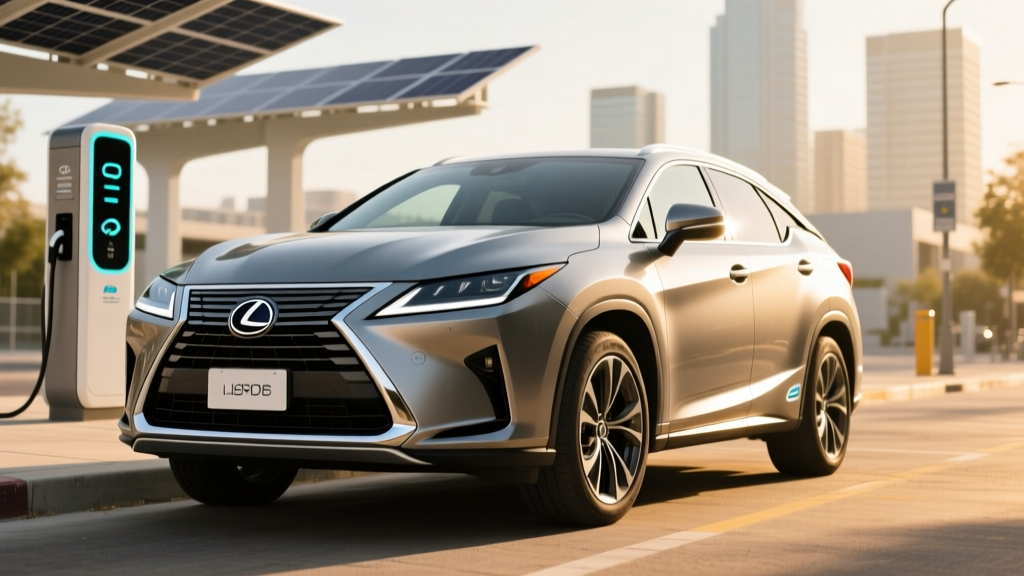
If you're searching for a 2007 Lexus hybrid SUV, you're almost certainly looking at the Lexus RX 400h — the luxury hybrid crossover that helped define the segment. Nearly two decades after it rolled off the assembly line, the RX 400h remains a popular used-vehicle find for buyers who want Lexus reliability with a meaningful fuel-economy bump over the gas-only RX 350. But does a 2007 hybrid still make sense in 2026? How much will a replacement hybrid battery cost? And how does it stack up against modern PHEVs and full EVs?
This guide covers everything a prospective buyer or current owner needs to know: EPA fuel economy, real-world MPG expectations, powertrain specs, battery longevity, replacement costs, and a clear framework for deciding whether this pioneering hybrid is the right call for your driveway today.
2007 Lexus RX 400h: Quick Specs at a Glance
| Specification | 2007 Lexus RX 400h |
|---|---|
| Powertrain | 3.3L V6 + 2 electric motors (HEV) |
| Combined Horsepower | 272 HP (net system output) |
| Transmission | eCVT (electronically controlled) |
| Drivetrain | AWD (e-four electric rear axle) |
| EPA MPG (City / Hwy / Combined) | 31 / 27 / 28 |
| Hybrid Battery | ~6.5 kWh NiMH (sealed, non-plug-in) |
| Fuel Tank | 17.2 gallons |
| Total Range | ~482 miles |
| 0–60 mph | ~7.3 seconds |
| Original MSRP (2007) | $47,075 (base) |
| 2026 Used Price Range | $5,500–$9,500 (varies by mileage/condition) |
| Hybrid Battery Warranty (Original) | 8 years / 100,000 miles |
How Many MPG Does the 2007 Lexus RX 400h Get?
The EPA rated the 2007 RX 400h at 31 MPG city, 27 MPG highway, and 28 MPG combined (source: fueleconomy.gov). These were impressive numbers for a 4,300-pound luxury SUV in 2007, and they remain respectable for a used vehicle today.
| Driving Scenario | EPA Estimate | Real-World Expectation (2026) |
|---|---|---|
| City | 31 MPG | 28–33 MPG (hybrids excel in stop-and-go) |
| Highway | 27 MPG | 24–27 MPG (aero drag limits regen benefit) |
| Combined | 28 MPG | 25–29 MPG (depends on driving mix) |
| Cold Weather (Below 32°F) | N/A | 22–25 MPG (engine runs more for cabin heat) |
Real-World MPG vs. EPA: What Owners Report
Conventional hybrids like the RX 400h often exceed their EPA city rating in real-world driving because regenerative braking recaptures energy that gas cars waste as heat. Owners who do a lot of suburban and city driving with frequent stops commonly report 29–33 MPG. However, sustained highway driving at 75+ MPH diminishes the hybrid advantage, and some owners see 24–26 MPG on long road trips.
Age is also a factor. A 2007 example with 150,000+ miles and a degraded hybrid battery may see 2–4 MPG below the EPA combined figure because the electric motors contribute less as the NiMH pack loses capacity. Replacing or reconditioning the battery typically restores most of the original efficiency.
Understanding the Powertrain: How the RX 400h Hybrid Works
The 2007 RX 400h uses Toyota's Hybrid Synergy Drive system, which pairs a 3.3-liter 3MZ-FE V6 engine (211 HP on its own) with two electric motor-generators and an electronically controlled continuously variable transmission (eCVT). The system net output is 272 HP.
Here's how the power flows:
- Low-speed / light-load driving: The electric motor(s) can propel the vehicle alone for short distances at low speeds, drawing from the ~6.5 kWh NiMH battery pack.
- Acceleration: The V6 and electric motors work together for maximum thrust — the RX 400h was notably quicker than the gas-only RX 350 of its era.
- Deceleration / braking: Regenerative braking captures kinetic energy and feeds it back into the hybrid battery.
- AWD (e-four): A separate rear electric motor provides all-wheel drive without a mechanical driveshaft, engaging only when traction is needed.
Hybrid Battery Longevity, Degradation, and Replacement Cost
The NiMH battery pack in the RX 400h was engineered for durability, and real-world data bears this out. Many original batteries lasted 150,000–200,000 miles before significant degradation. However, nearly all 2007 examples in 2026 are 18–19 years old, and age-related degradation is a reality regardless of mileage.
Signs of Hybrid Battery Degradation
- Noticeable drop in fuel economy (2–5 MPG below normal)
- The gasoline engine runs more frequently, even at low speeds
- Reduced regenerative braking strength
- Hybrid system warning light or "Check Hybrid System" message on the dash
- Battery state-of-charge gauge fluctuating rapidly
Replacement Cost Breakdown
| Option | Typical Cost (2026) | Notes |
|---|---|---|
| New OEM Toyota/Lexus Battery | $3,000–$4,500 (parts + labor) | Best longevity, dealer or specialist install |
| Remanufactured Battery | $1,500–$2,500 | Replaced weak cells; 1–3 year warranty typical |
| Reconditioned / Rebuilt | $800–$1,500 | Individual module replacement; variable quality |
| Used Salvage Battery | $400–$800 | Highest risk; unknown remaining life |
For most buyers, a remanufactured battery from a reputable hybrid specialist offers the best value. Shops like Green Bean Battery and similar providers offer warranties of 1–3 years on remanufactured packs. If you plan to keep the vehicle long-term, the OEM replacement is the safest bet.
Does the 2007 RX 400h Qualify for Any Tax Credits?
No. The 2007 Lexus RX 400h does not qualify for the federal §30D Clean Vehicle Credit. That credit applies exclusively to new plug-in electric vehicles (BEVs and PHEVs) that meet current battery-sourcing, critical-mineral, MSRP cap, and buyer income requirements as defined by the IRS.
When the RX 400h was new, it did qualify for a much smaller federal tax credit under the older Energy Policy Act of 2005 (up to $2,200), but that program ended long ago and was never retroactive. There are no federal incentives available for purchasing a used 2007 hybrid in 2026.
Some states may offer modest registration or HOV-lane perks for hybrid vehicles, but these vary widely and often apply only to newer models or PHEVs. Check your state's DMV or energy office for specifics.
2007 RX 400h vs. Modern PHEVs and EVs: Which Fits You?
Buyers cross-shopping a used 2007 RX 400h against modern electrified vehicles face a fundamentally different value proposition. Here's a decision framework:
Choose the 2007 RX 400h if:
- Your budget is under $10,000 and you need a reliable AWD SUV now
- You cannot charge at home (no garage, no outlet access) — an HEV requires zero charging infrastructure
- You drive 12,000 miles or fewer per year (the fuel savings vs. gas are modest at low mileage)
- You value Lexus build quality and are comfortable with older-vehicle maintenance
Choose a modern PHEV (e.g., Lexus NX 450h+, Toyota RAV4 Prime) if:
- You can charge at home and want 25–42 miles of electric-only daily driving
- You want the §30D federal tax credit (up to $7,500 for qualifying new PHEVs)
- You want current safety tech (automatic emergency braking, lane-keeping assist) that the 2007 RX lacks
Choose a full EV (e.g., Tesla Model Y, Hyundai Ioniq 5) if:
- You have home Level 2 charging and want the lowest per-mile energy cost
- You want zero tailpipe emissions and minimal drivetrain maintenance
- Your daily driving is under 250 miles and you can plan for road-trip DC fast charging
Reliability, Safety, and What to Watch For
The 2007 RX 400h shares its platform with the widely praised third-generation RX, and overall mechanical reliability is strong. The 3MZ-FE V6 is a proven Toyota engine with timing-belt service intervals (every 90,000 miles — verify this has been done). Common non-hybrid issues include:
- Power steering fluid leaks (rack and pinion)
- Dashboard cracking (a known issue with this generation RX; Lexus issued a warranty enhancement program years ago, now expired)
- Water pump failure (typical around 100,000–130,000 miles)
- Inverter coolant pump — specific to the hybrid system; a $300–$500 repair if it fails
From a safety standpoint, the 2007 RX 400h earned a 5-star overall NHTSA rating and was an IIHS Top Safety Pick in its era. However, it lacks modern driver-assistance features like automatic emergency braking, blind-spot monitoring, and lane-departure warning that became standard in the following decade. For buyers prioritizing active safety, this is a meaningful gap compared to any 2020+ vehicle.
Pros and Cons: The Honest Verdict
Pros
- Strong 272 HP — quicker than the gas RX 350 of its era
- 28 MPG combined is excellent for a luxury AWD SUV
- Lexus reliability and build quality
- No plug-in charging required — works like a normal car
- AWD via electric rear motor (no mechanical complexity)
- Low purchase price in 2026 ($5,500–$9,500)
Cons
- Hybrid battery replacement likely needed ($1,500–$4,500)
- No modern ADAS (no auto-braking, no lane-keeping)
- No federal tax credit available
- NiMH battery less efficient than modern lithium-ion systems
- Infotainment and interior tech feel dated
- Higher insurance costs possible for older vehicles in some states
Frequently Asked Questions
How many MPG does the 2007 Lexus RX 400h get?
The EPA rates the 2007 RX 400h at 31 MPG city, 27 MPG highway, and 28 MPG combined. Real-world results typically range from 25–33 MPG depending on driving style, terrain, climate, and hybrid battery health. City driving with frequent stops tends to yield the best results thanks to regenerative braking.
Is the 2007 RX 400h a plug-in hybrid?
No. The 2007 RX 400h is a conventional hybrid (HEV). It never plugs in. The battery charges through regenerative braking and the gasoline engine. You fuel it like any other car and never need to think about charging.
How far can the RX 400h go on electric only?
The RX 400h can creep along at very low speeds (under ~25 MPH) on electric power alone for roughly 1–2 miles under ideal conditions. This is not a meaningful electric-only range — it's a launch-assist feature, not a commuter mode. If you want 25–40 miles of electric-only driving, you need a modern PHEV.
Is the 2007 Lexus hybrid SUV reliable?
Yes, with caveats. The mechanical platform (3MZ-FE V6, eCVT) is proven and durable. The primary reliability risk in 2026 is the age of the NiMH hybrid battery. Budget $1,500–$3,000 for a remanufactured battery replacement if the original pack hasn't been replaced. With a healthy battery, the RX 400h routinely reaches 200,000+ miles.
What does a hybrid battery replacement cost for the 2007 RX 400h?
A new OEM battery runs $3,000–$4,500 installed. Remanufactured batteries cost $1,500–$2,500 with a 1–3 year warranty. Reconditioned packs start around $800. Given the vehicle's value, most owners opt for remanufactured.
Does the 2007 RX 400h qualify for any tax credit?
No. Federal tax credits under §30D apply only to new qualifying plug-in vehicles. The RX 400h's original hybrid tax credit (up to $2,200 under the Energy Policy Act of 2005) expired in 2007. No federal or typical state incentives apply to this vehicle in 2026.
Hybrid vs. PHEV vs. EV — which should I choose?
If you can't charge at home and need a low-cost AWD SUV, the 2007 RX 400h (HEV) is a solid pick. If you have home charging and want electric-only commuting with a gas backup, a modern PHEV like the RAV4 Prime or NX 450h+ is better. If you want the lowest operating cost and have reliable home charging, a full EV like the Model Y or Ioniq 5 offers the most savings — but at a higher purchase price.
What's the biggest risk of buying a 2007 hybrid in 2026?
Hybrid battery age. Even with low mileage, an 18-year-old NiMH pack is near or past its useful life. A pre-purchase hybrid battery health check ($100–$150) is essential. Factor a potential $1,500–$3,000 battery replacement into your purchase budget.